21 Coastal Living Room Ideas for a Fresh, Seaside Feel
Creating a coastal living room is about more than just blue and white stripes; it is about capturing the serene, airy, and rejuvenating essence of the shoreline. By blending organic textures, natural light, and a curated palette of ocean-inspired hues, you can transform your home into a tranquil retreat. This guide explores twenty-one sophisticated design strategies to help you achieve a professional seaside aesthetic that feels both timeless and modern.
1. Adopt a Soft Neutral Color Base
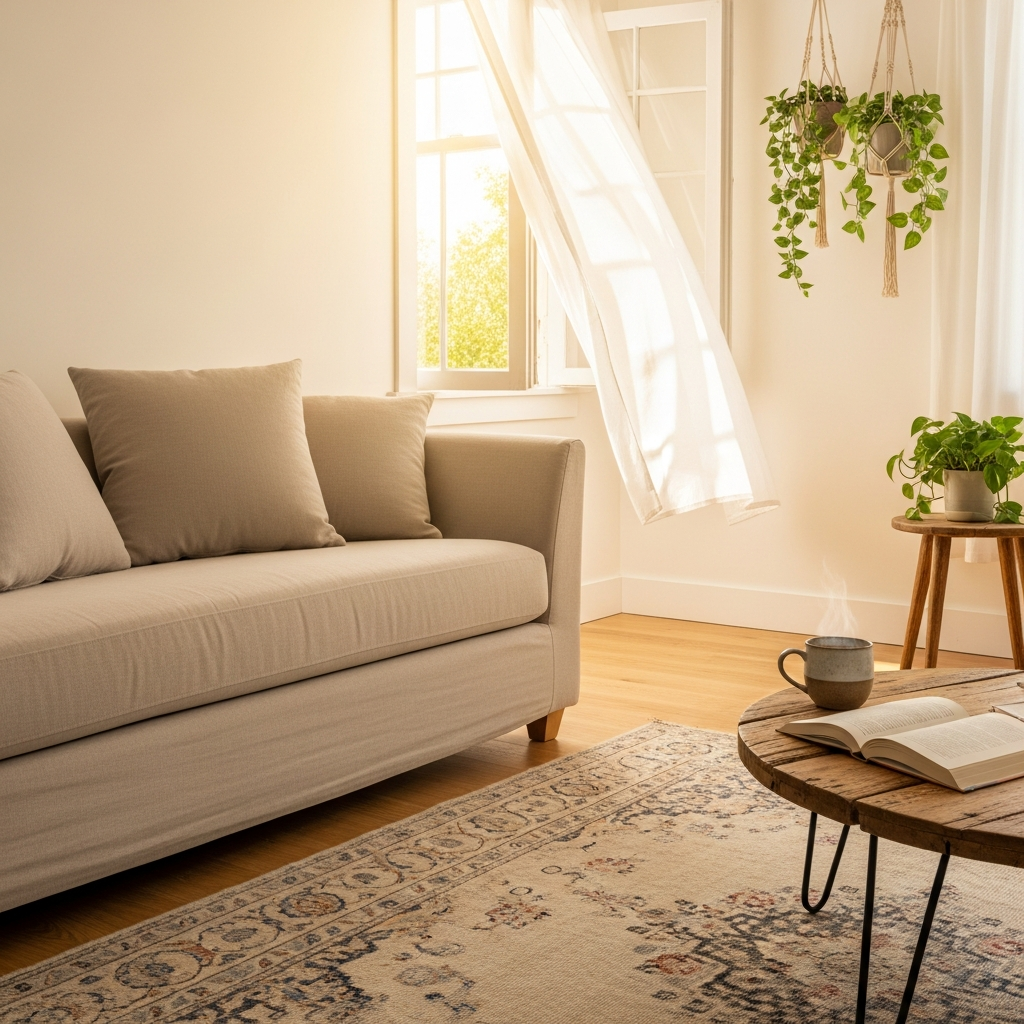
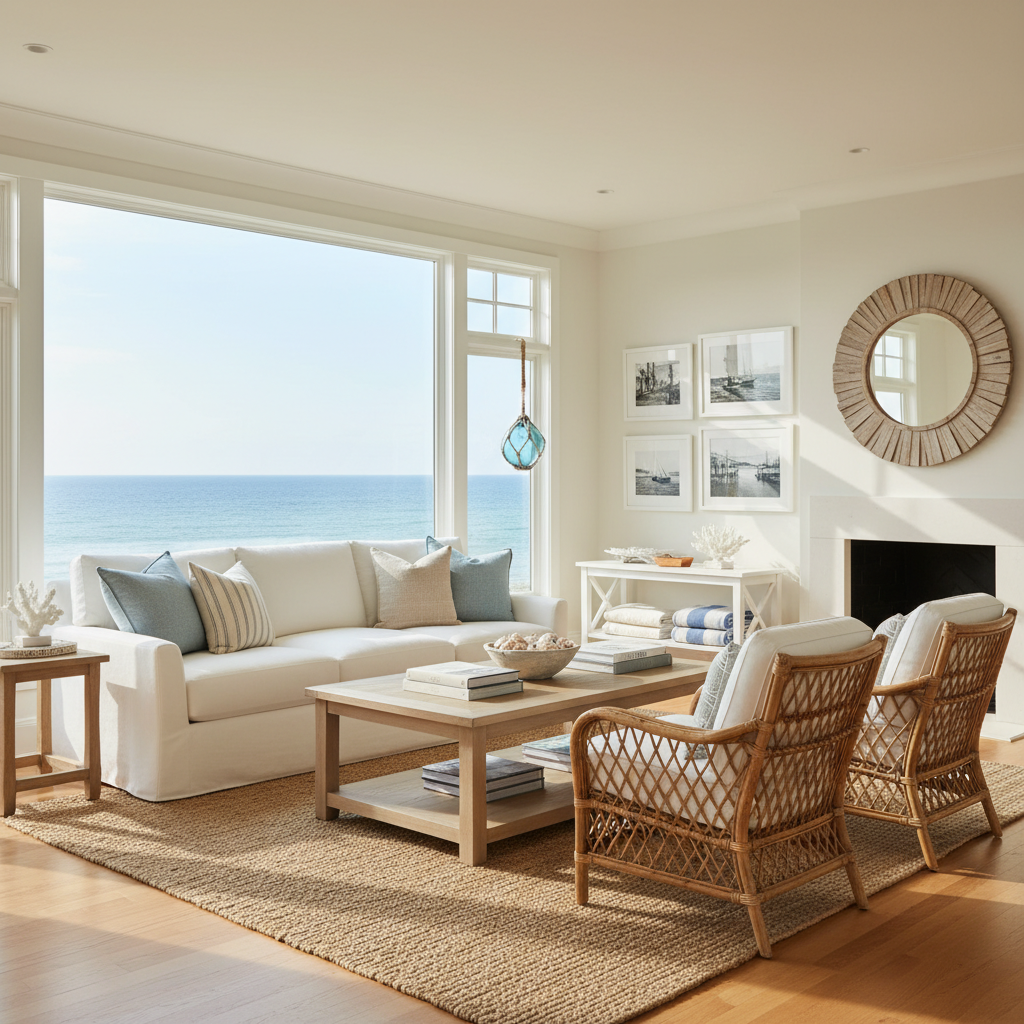
The foundation of any successful coastal living room is a palette of soft neutrals. Think of the colors found on a sandy beach, such as off-white, cream, and beige. These tones reflect natural light beautifully, making the space feel larger and more open while providing a clean backdrop for more vibrant ocean-inspired accents.
2. Incorporate Rattan and Wicker Furniture
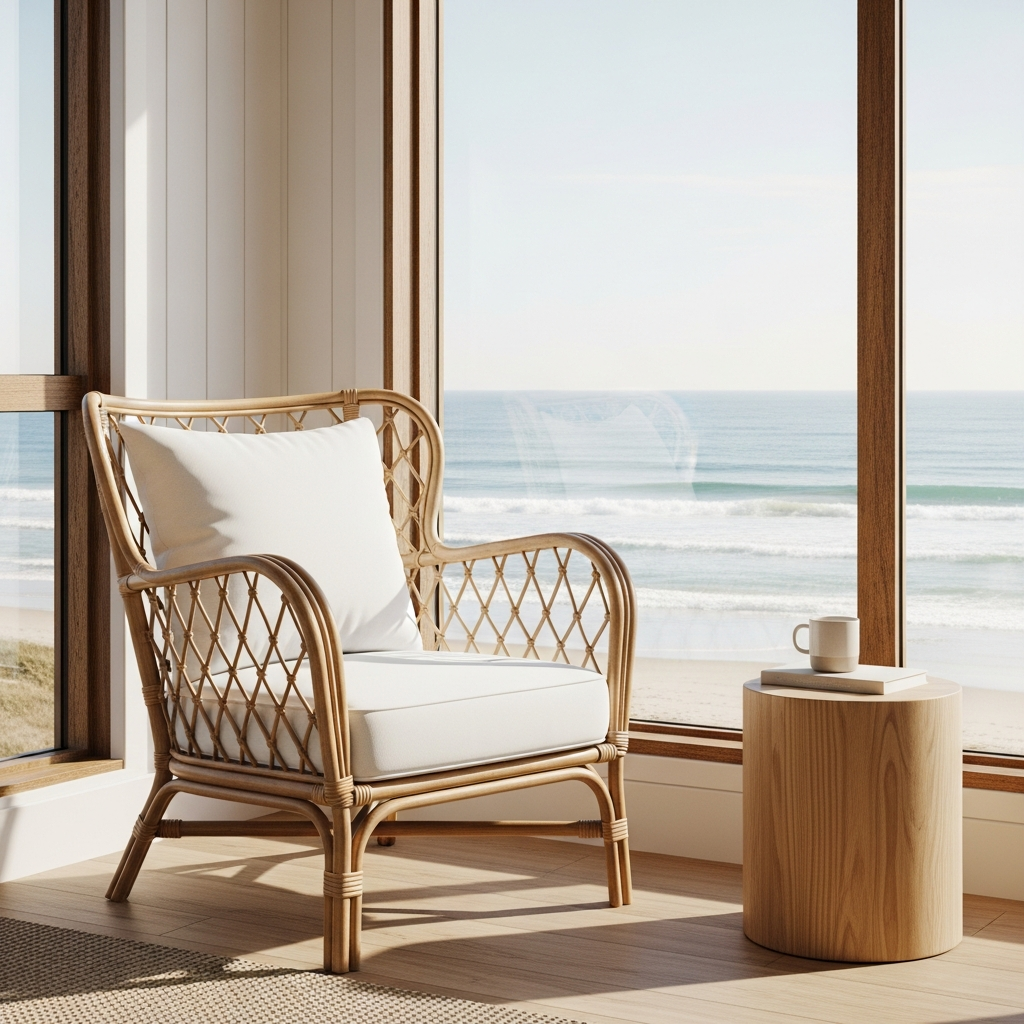
Rattan and wicker bring an immediate organic feel to a room. These materials offer a tactile quality that mirrors the textures of coastal landscapes. Consider a rattan accent chair or a wicker coffee table to add depth and a relaxed, artisanal vibe to your seating area
3. Utilize Light and Breezy Fabrics
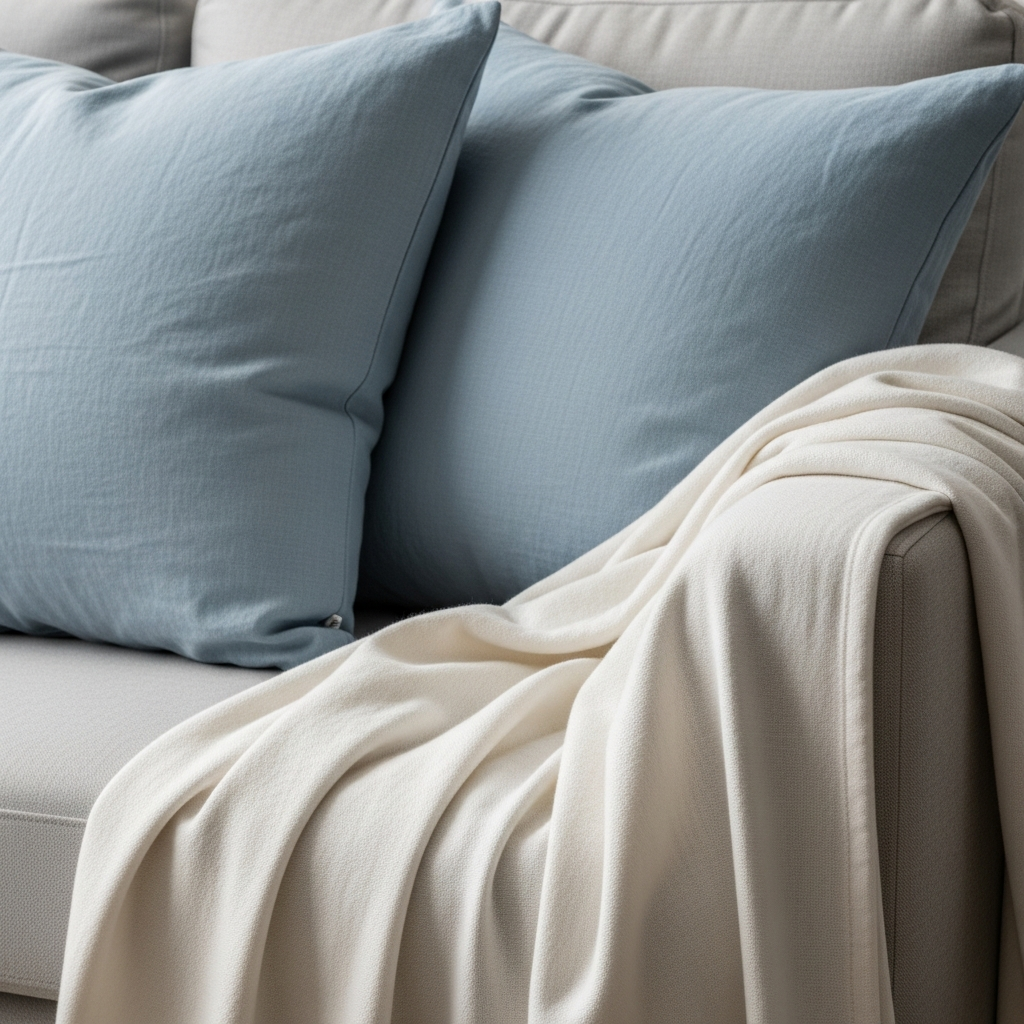
Fabric choice is essential for maintaining a seaside atmosphere. Opt for linen and cotton for your upholstery, curtains, and pillows. These breathable materials evoke the feeling of a summer breeze and contribute to the effortless, comfortable luxury associated with high-end coastal living.
4. Integrate Subtle Nautical Stripes
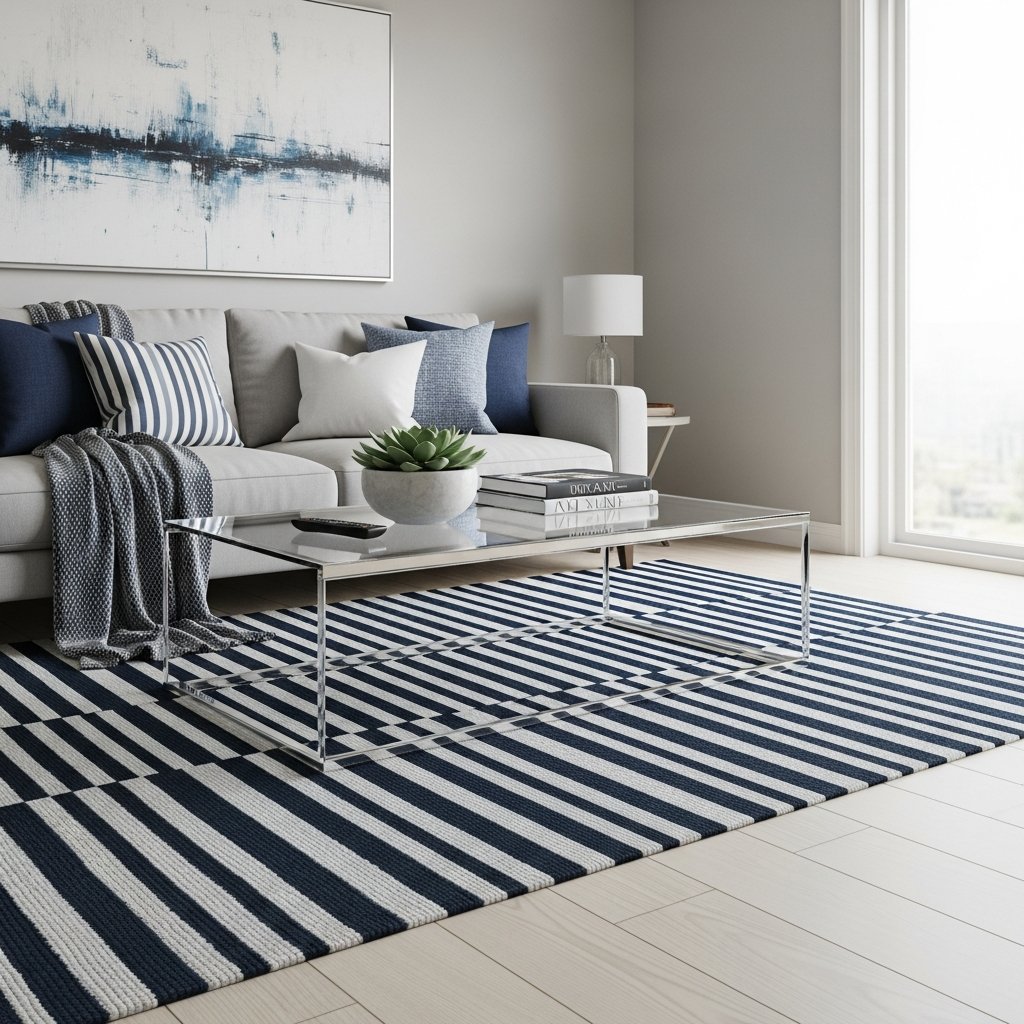
Stripes are a hallmark of maritime design. To keep the look professional rather than kitschy, use stripes sparingly. A subtle pinstripe on a throw pillow or a bold navy and white striped area rug can provide a structured, classic coastal element without overwhelming the room.
5. Select Driftwood Coffee Tables
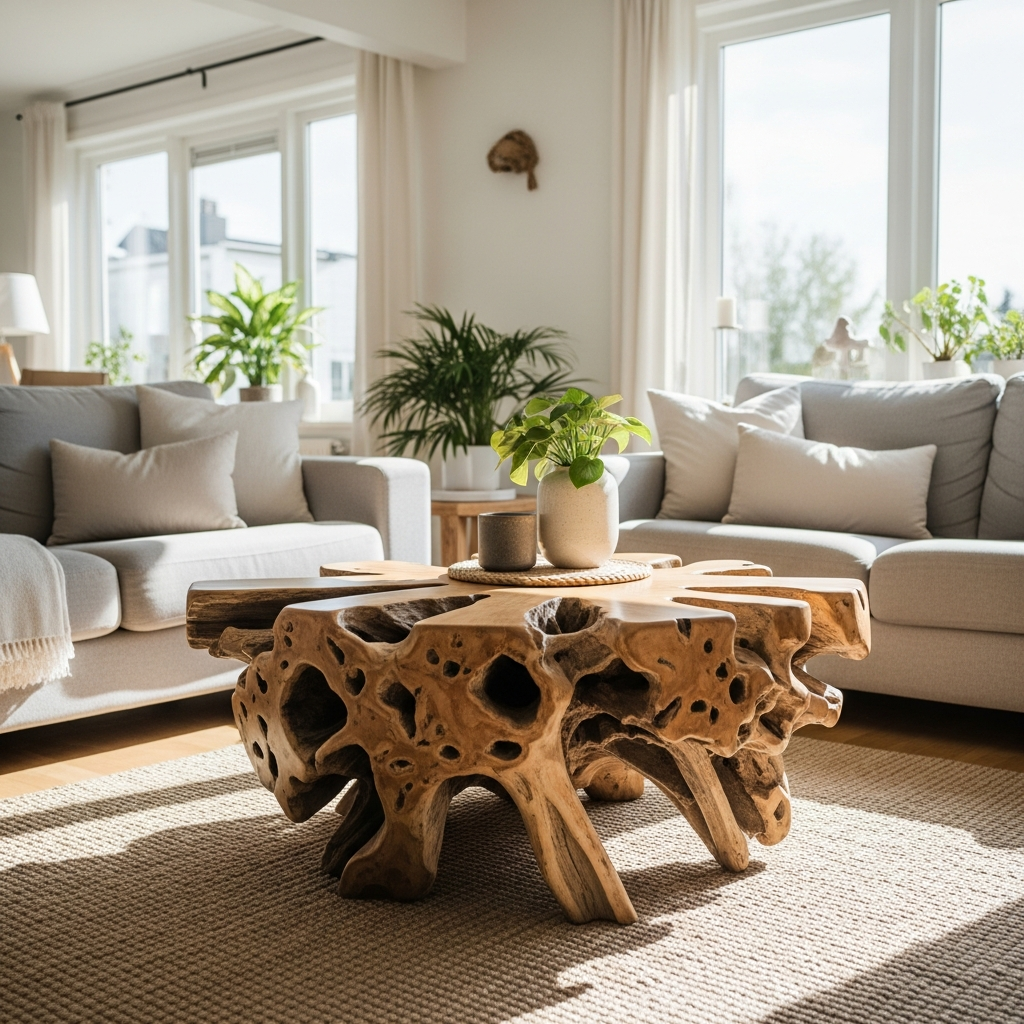
Driftwood furniture acts as a functional piece of art. A coffee table crafted from weathered wood brings a raw, sculptural element into the home. The greyish-brown tones of driftwood pair perfectly with both cool blues and warm whites, grounding the room in nature.
6. Curate Coastal Wall Art
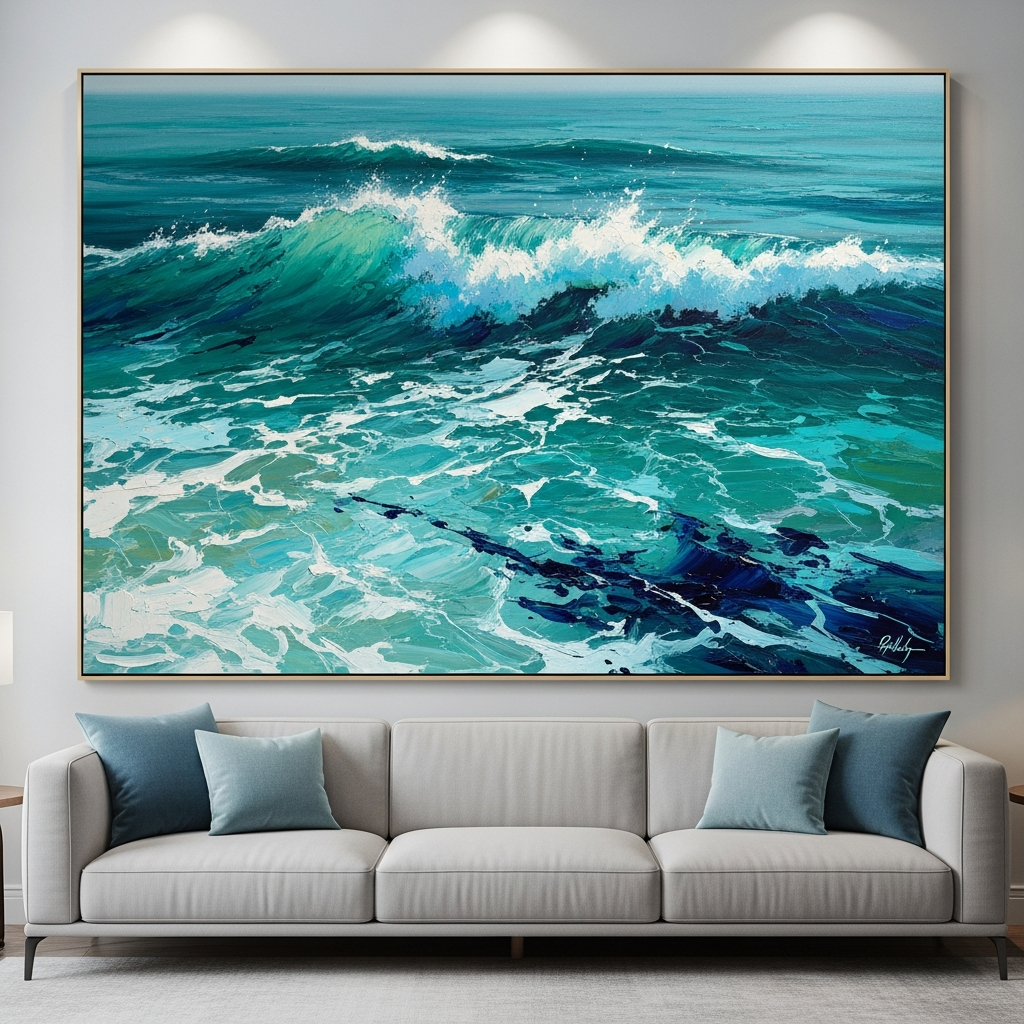
Wall art is an excellent way to define your theme. Avoid literal interpretations and instead choose abstract seascapes, high-quality photography of crashing waves, or vintage maritime maps. These pieces add a sense of place and personal history to your living environment.
7. Maximize Natural Light with Large Windows
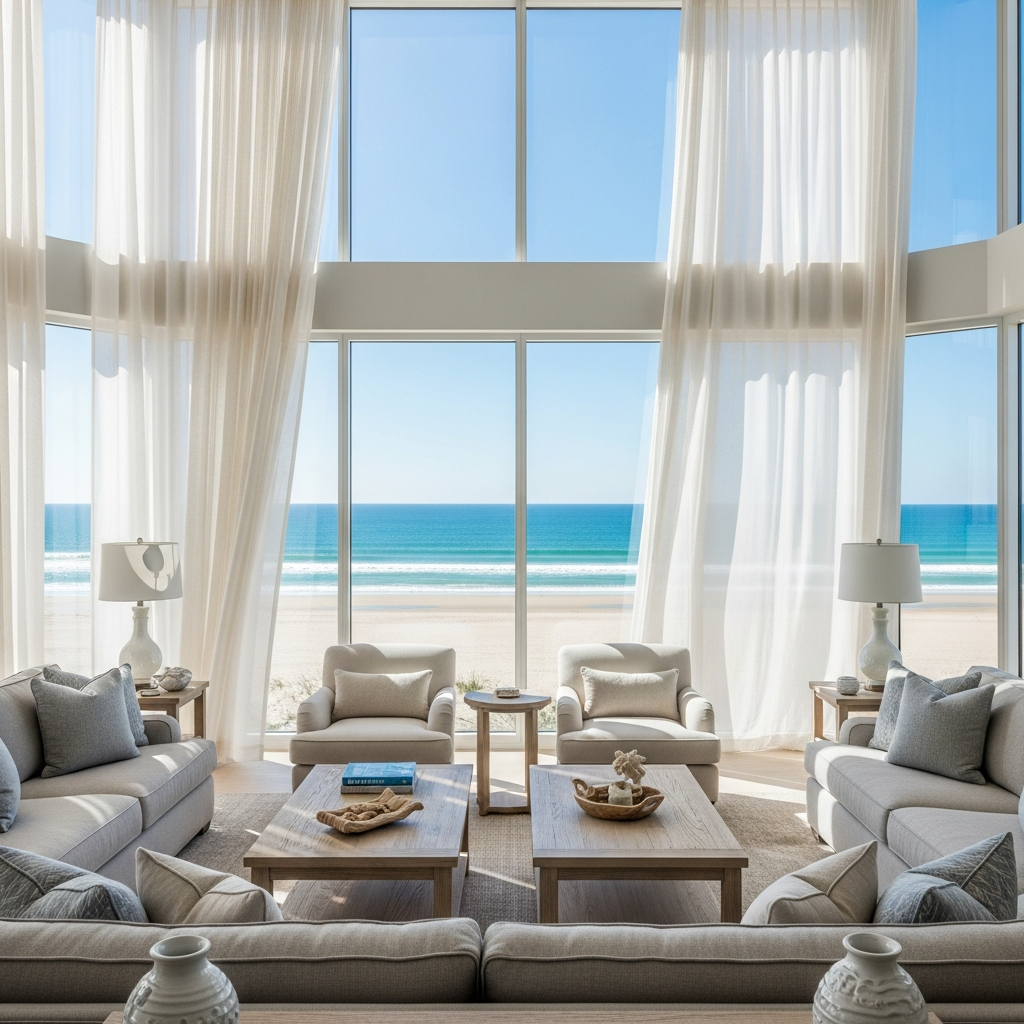
Light is perhaps the most important element of coastal design. Large, unobstructed windows allow sunlight to flood the room, mimicking the bright exposure of the beach. Keep window treatments minimal to ensure the connection between the indoors and the outdoors remains seamless.
8. Add Sea Glass Accents

Sea glass, with its frosted texture and soft colors, serves as a delicate decorative element. Use glass vases in shades of turquoise, sage green, or pale blue to catch the light on mantels or side tables, adding a touch of oceanic shimmer to the space
9. Feature Indoor Greenery and Palms
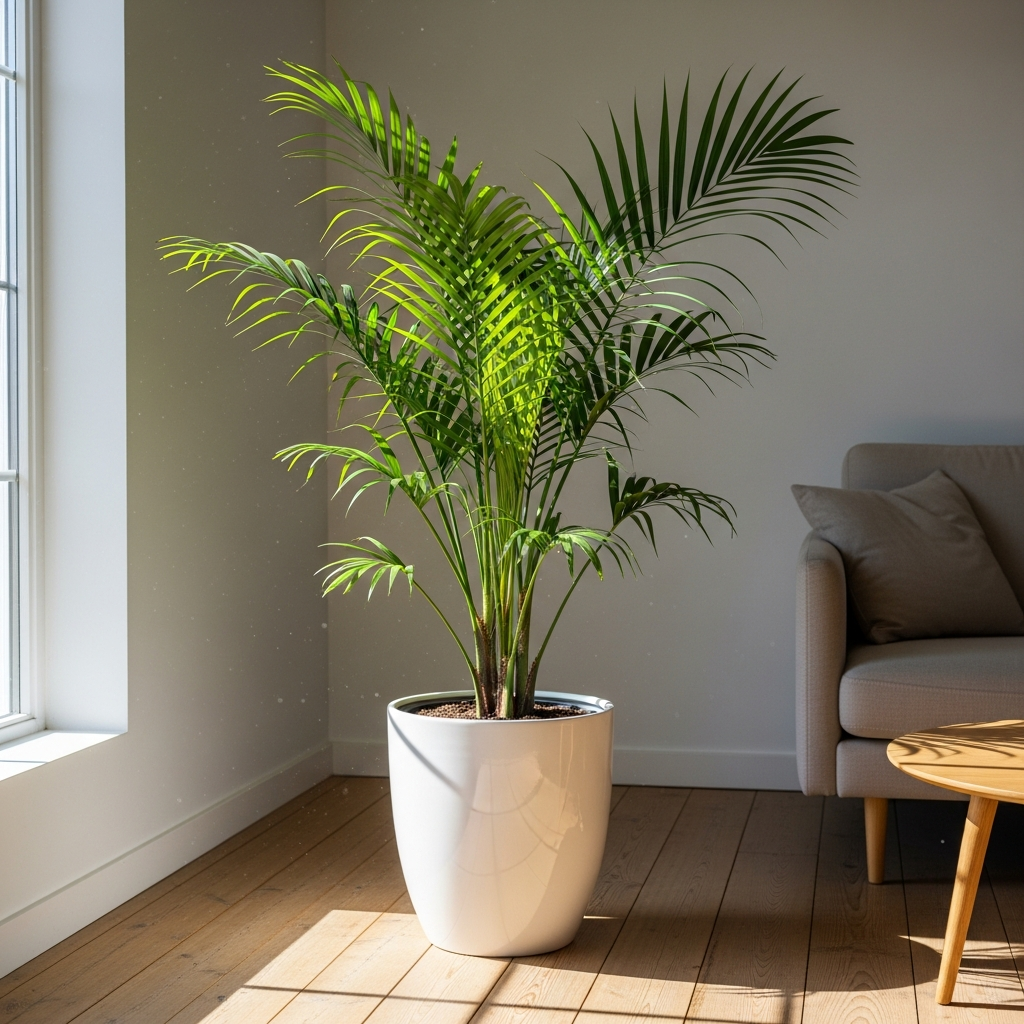
Bring the tropical side of the coast indoors with live plants. Large-leafed varieties like the Monstera or a classic Parlor Palm introduce a vibrant green that contrasts beautifully with a neutral palette. They also help to purify the air and add a sense of life to the room.
10. Balance with a Navy and White Palette
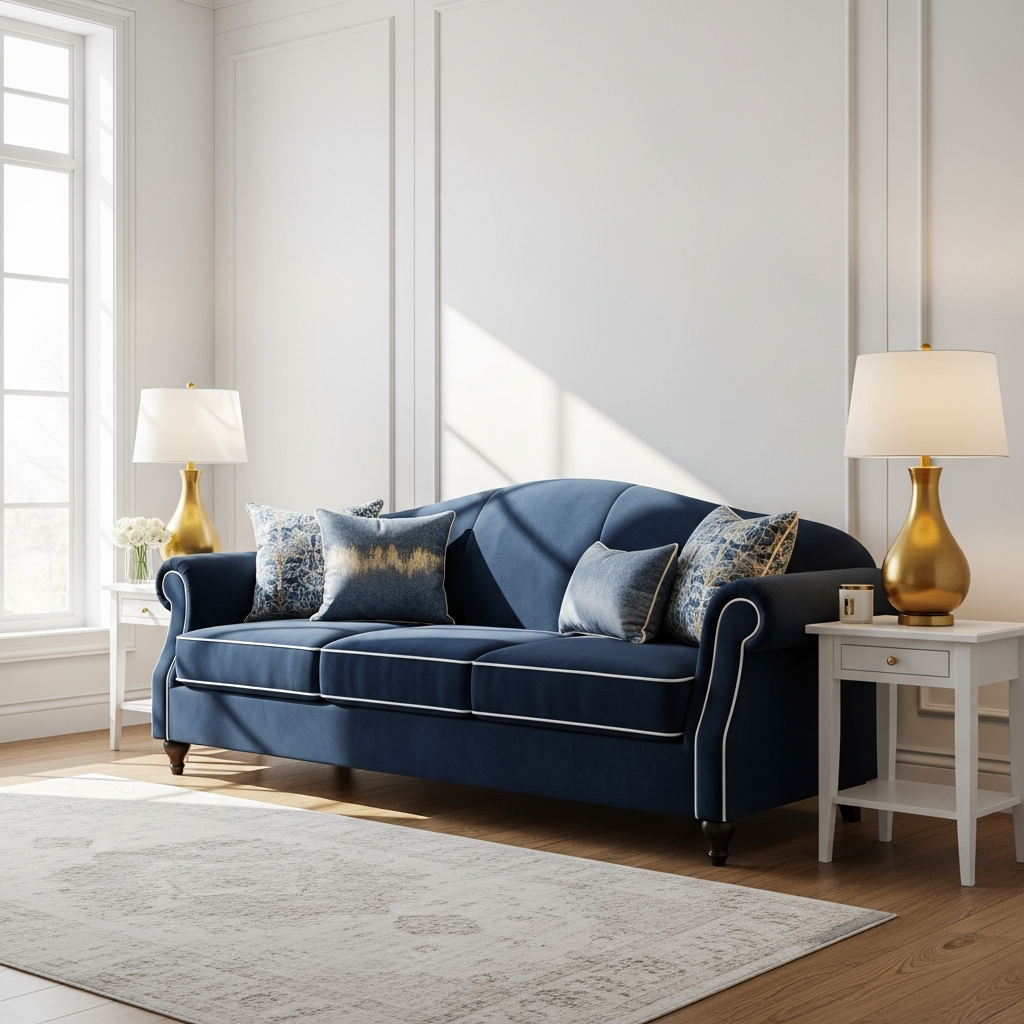
For those who prefer a more traditional maritime look, a navy and white color scheme is unparalleled. Use navy blue for larger furniture pieces or accent walls to create a sophisticated anchor, then layer in white and gold accents for a polished, nautical finish.
11. Install Shiplap Wall Accents
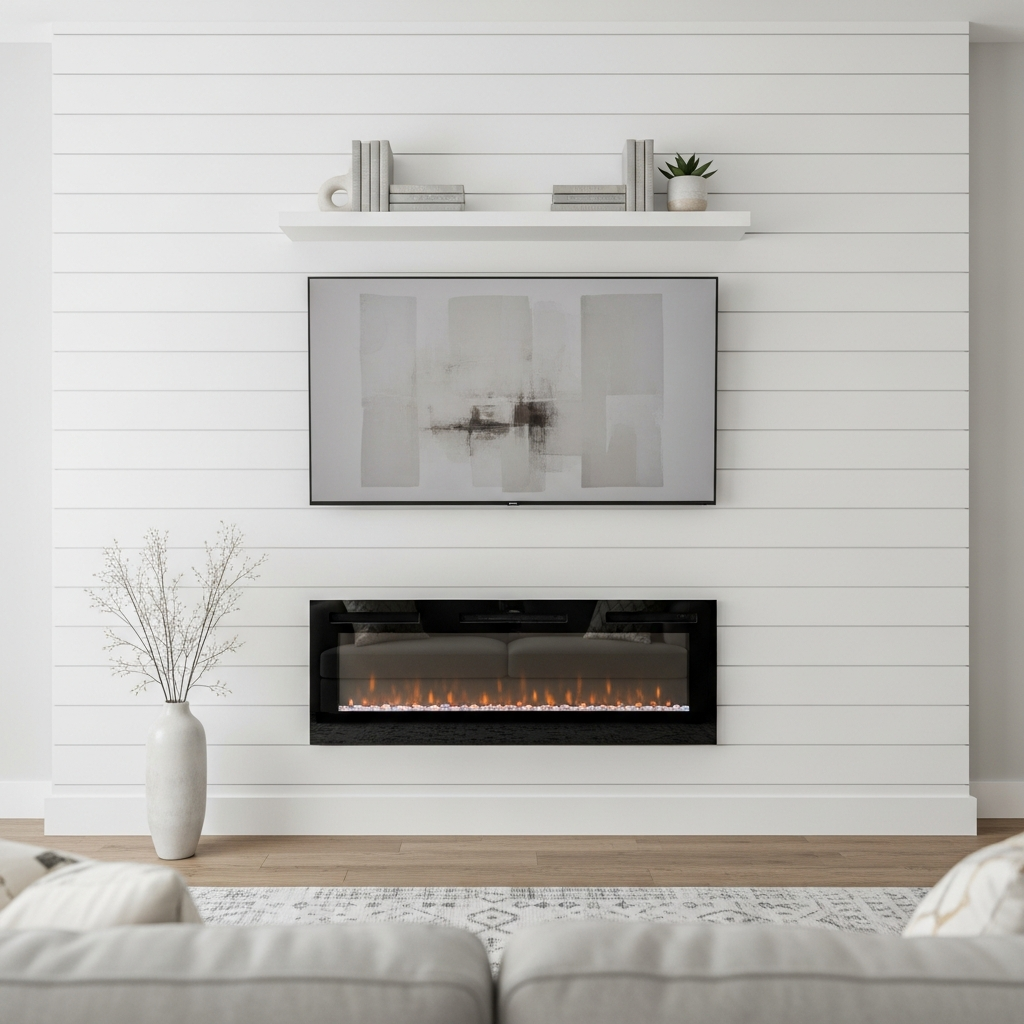
Shiplap is a classic architectural detail often found in coastal cottages. Horizontal white planks on a focal wall add texture and a sense of structural interest. It provides a clean, rhythmic look that reinforces the seaside architectural vernacular.
12. Layer Natural Fiber Rugs
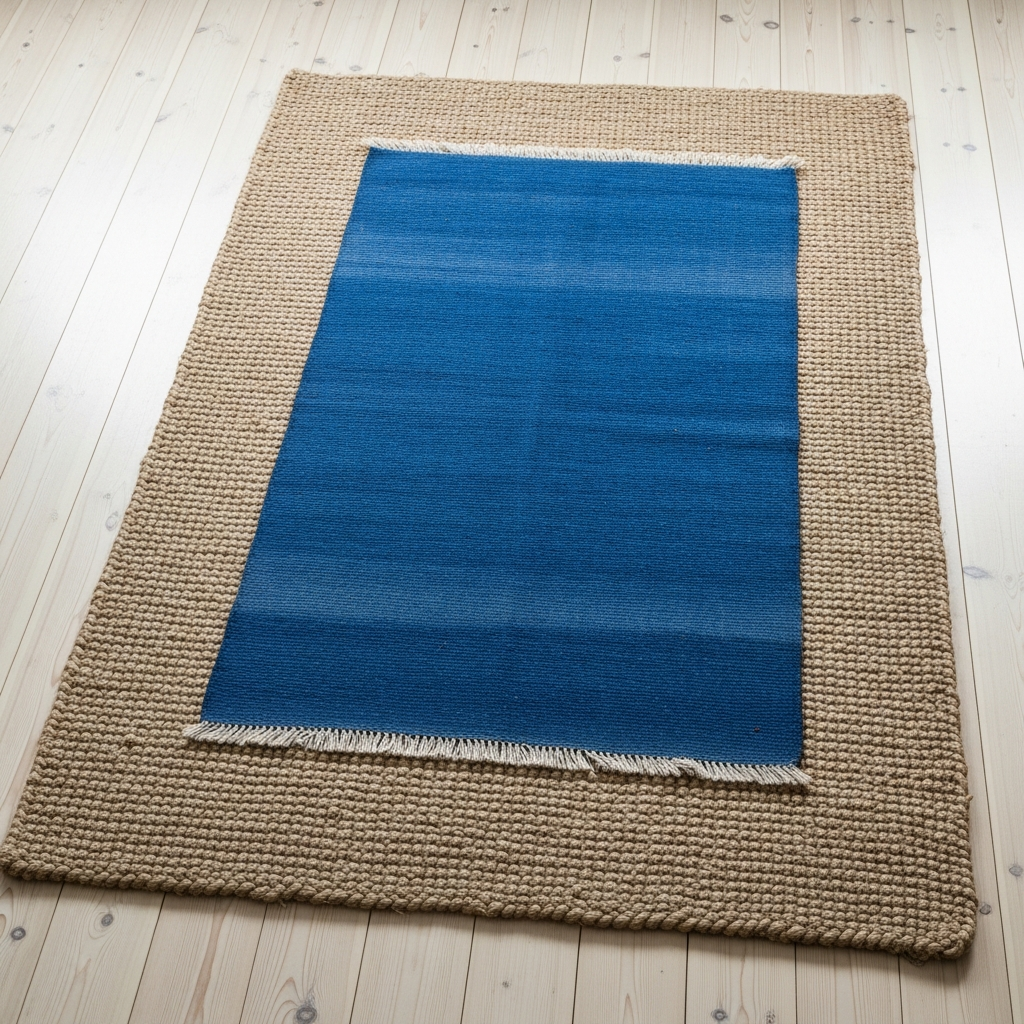
Jute, sisal, and seagrass rugs are durable and provide an earthy texture underfoot. They are ideal for coastal homes because they mirror the look of beach grasses. Layering a smaller, patterned rug over a large jute rug can add extra comfort and visual complexity.
13. Encourage Open Concept Layouts
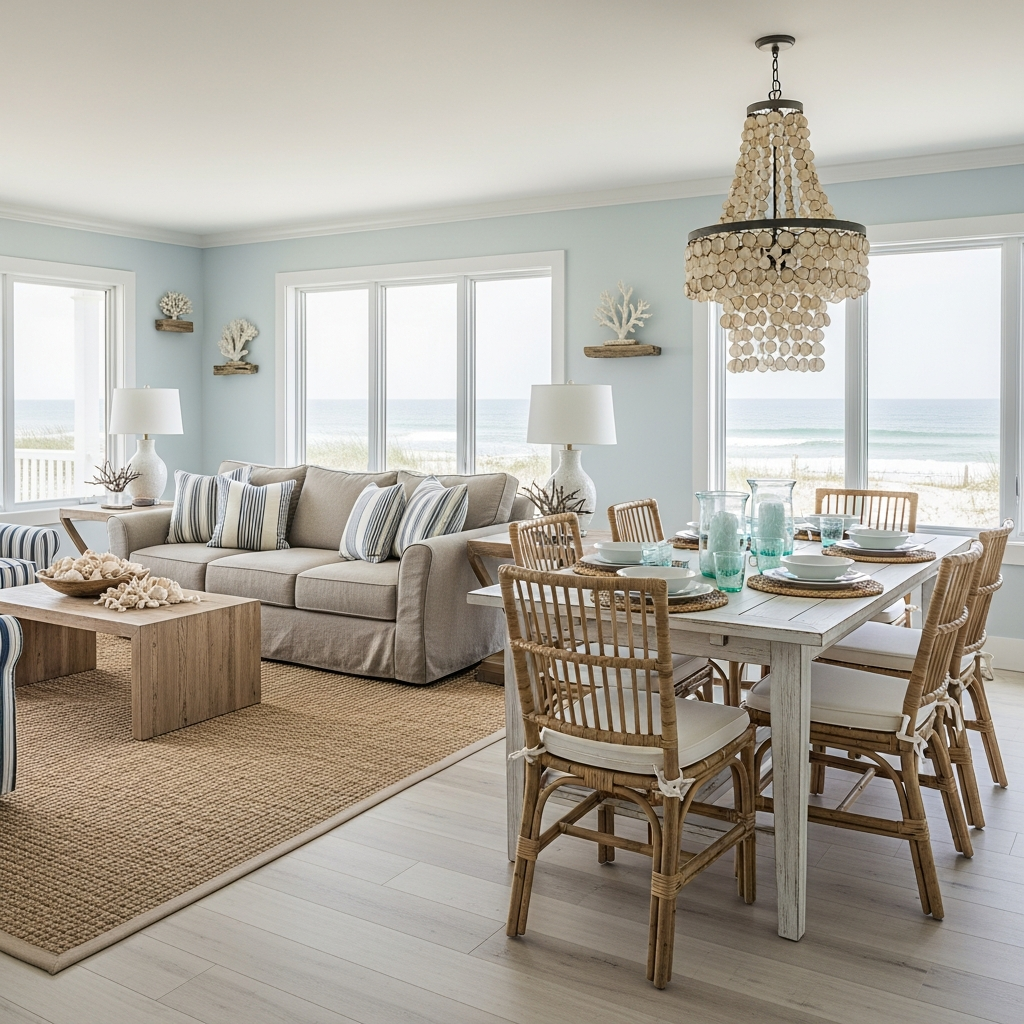
Coastal living is all about flow and openness. An open concept layout that connects the living room to the dining area or kitchen allows light and air to move freely. This spatial arrangement mimics the vastness of the horizon and encourages social interaction.
14. Opt for Slipcovered Seating
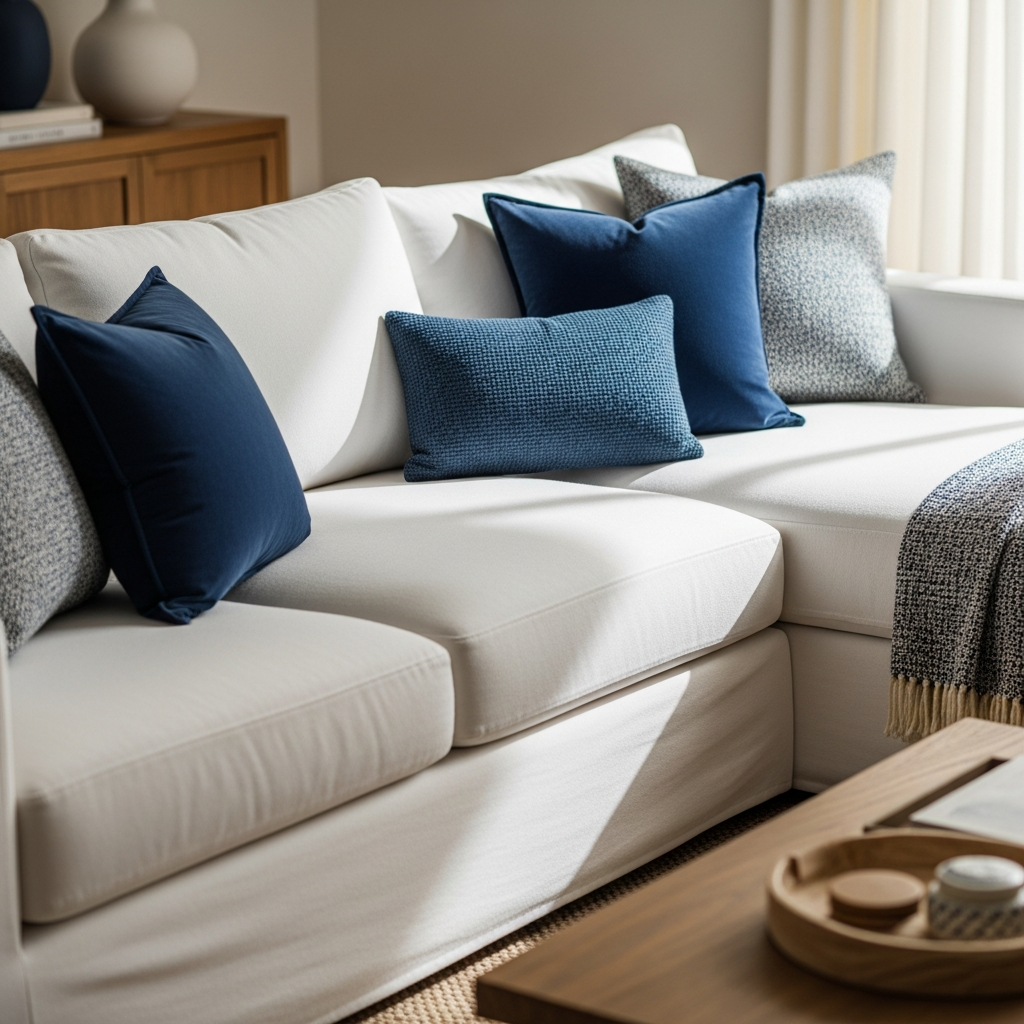
Slipcovers offer a practical and aesthetic solution for coastal homes. They provide a relaxed, slightly rumpled look that is synonymous with beach house comfort. Furthermore, they are easy to remove and wash, making them perfect for maintaining a pristine look in high-traffic areas.
15. Display Minimalist Shelving with Shells
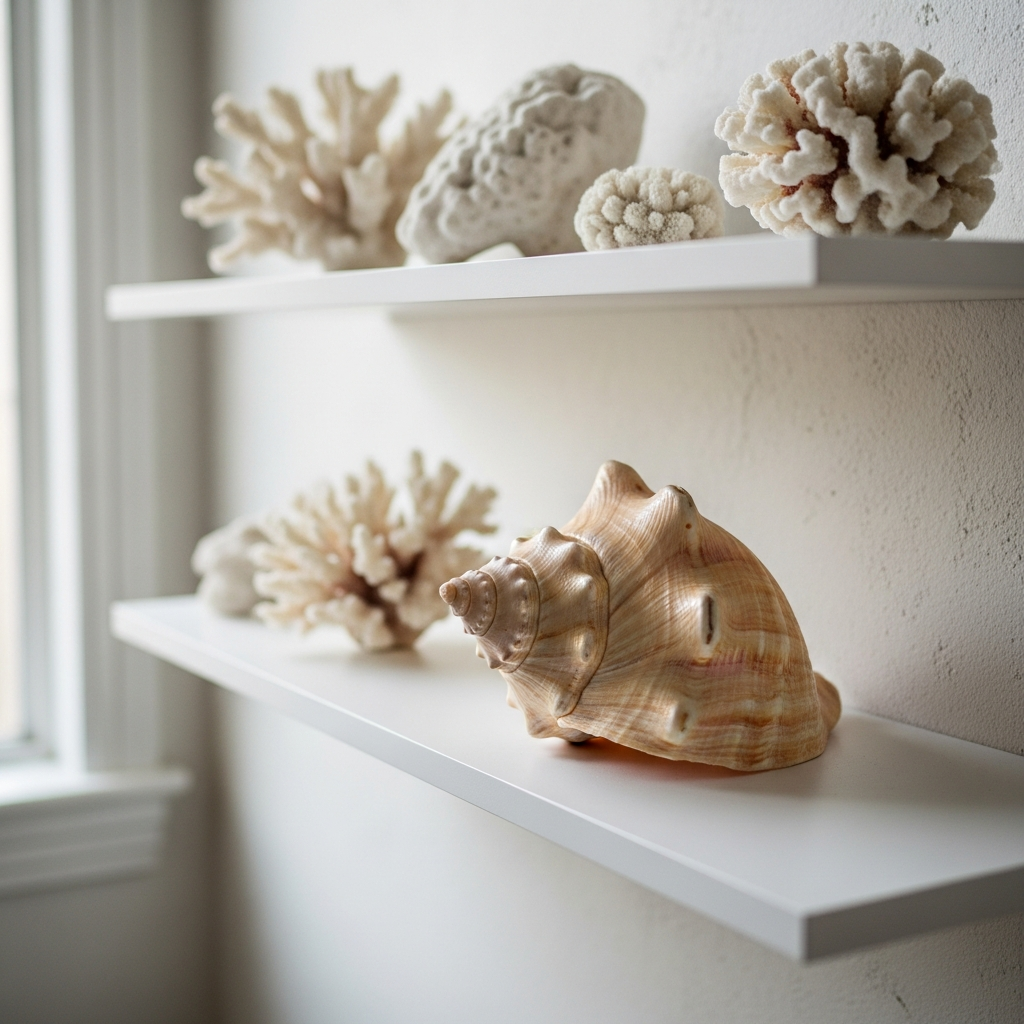
Instead of cluttering surfaces, use minimalist open shelving to display a curated collection of shells and coral. By leaving space between items, each piece feels like a specimen in a gallery, emphasizing its natural beauty and unique geometry.
16
16. Use Woven Baskets for Storage
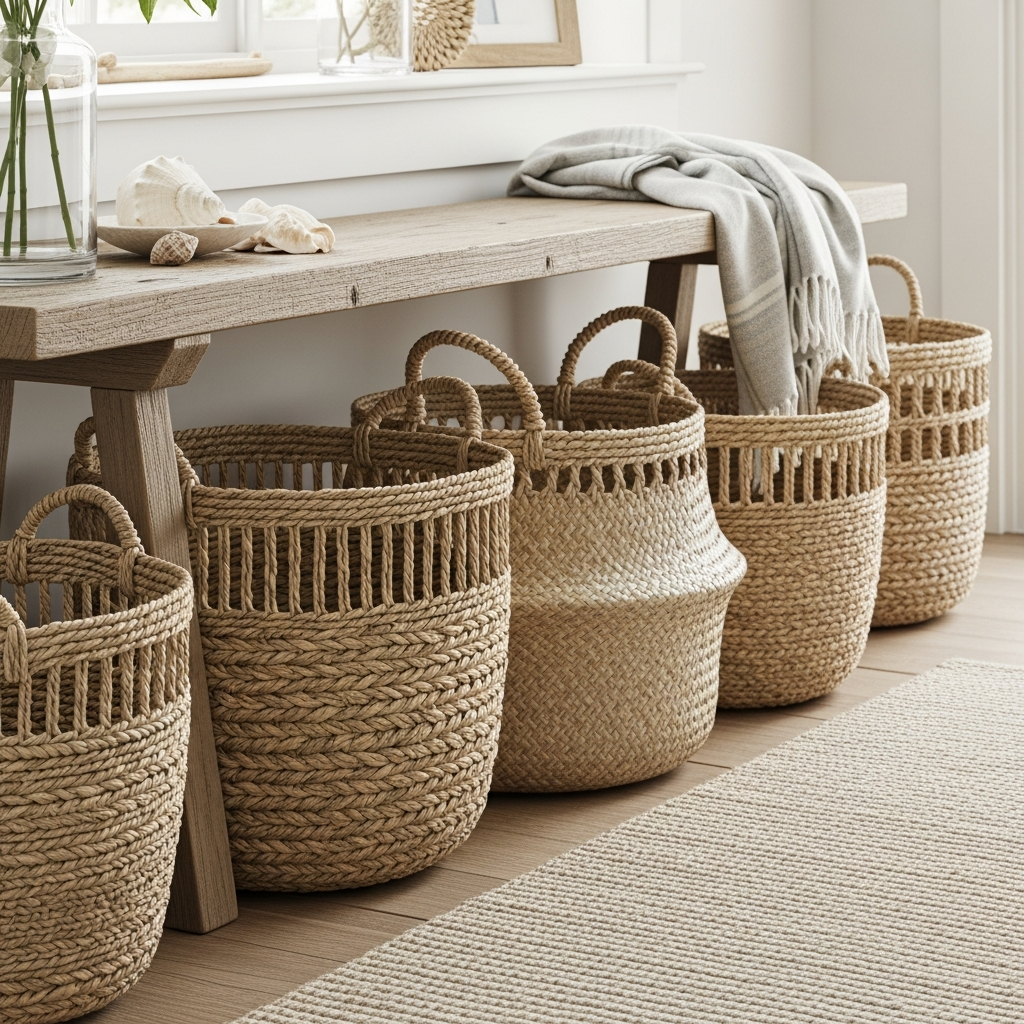
Functional storage can also be decorative. Woven seagrass or wicker baskets are perfect for holding extra blankets or magazines. Their texture complements other natural elements in the room while helping to keep the space organized and clutter-free.
17. Choose Light Oak or Bleached Wood Floors
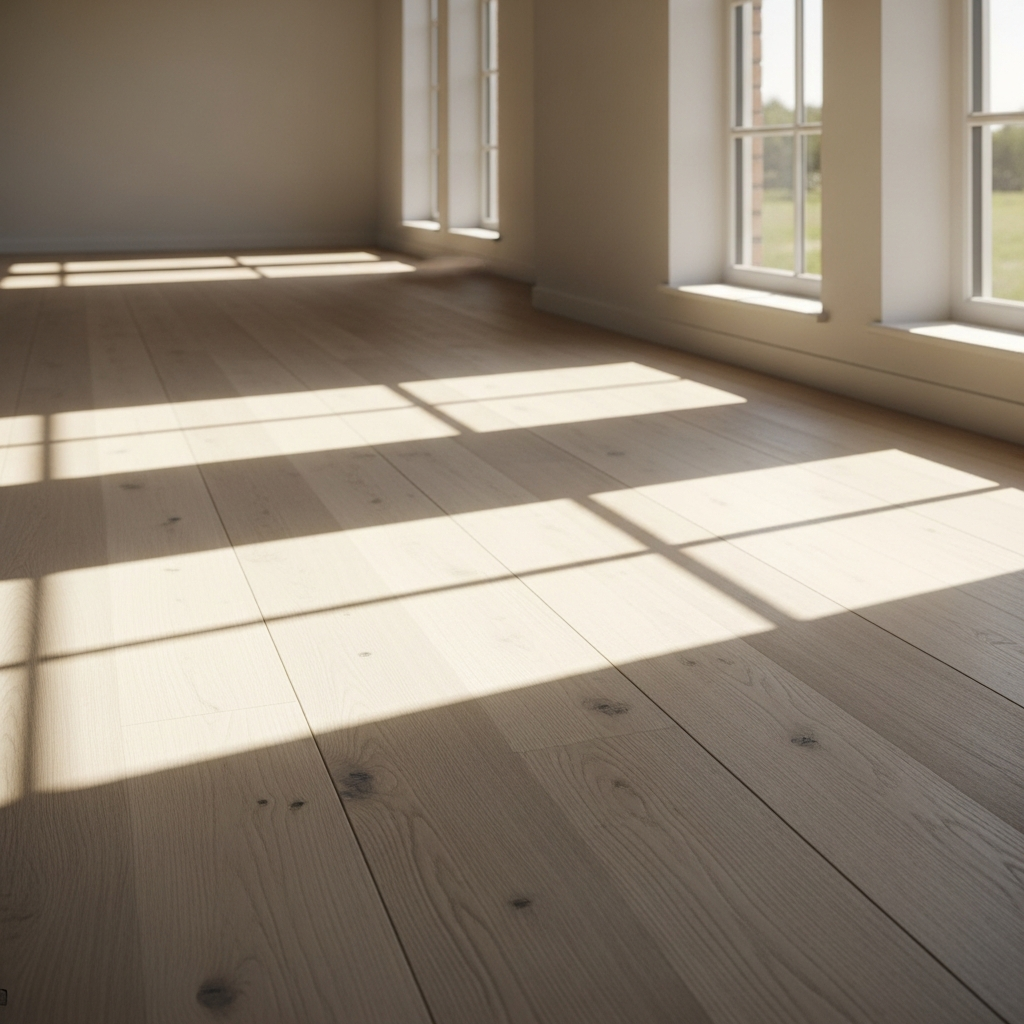
The floor should reflect the lightness of the rest of the room. Light oak or bleached wood floors provide a sandy tone that brightens the space from the ground up. This choice also masks sand and dust better than dark wood, which is a practical benefit for beachside living.
18. Hang Sheer Window Treatments
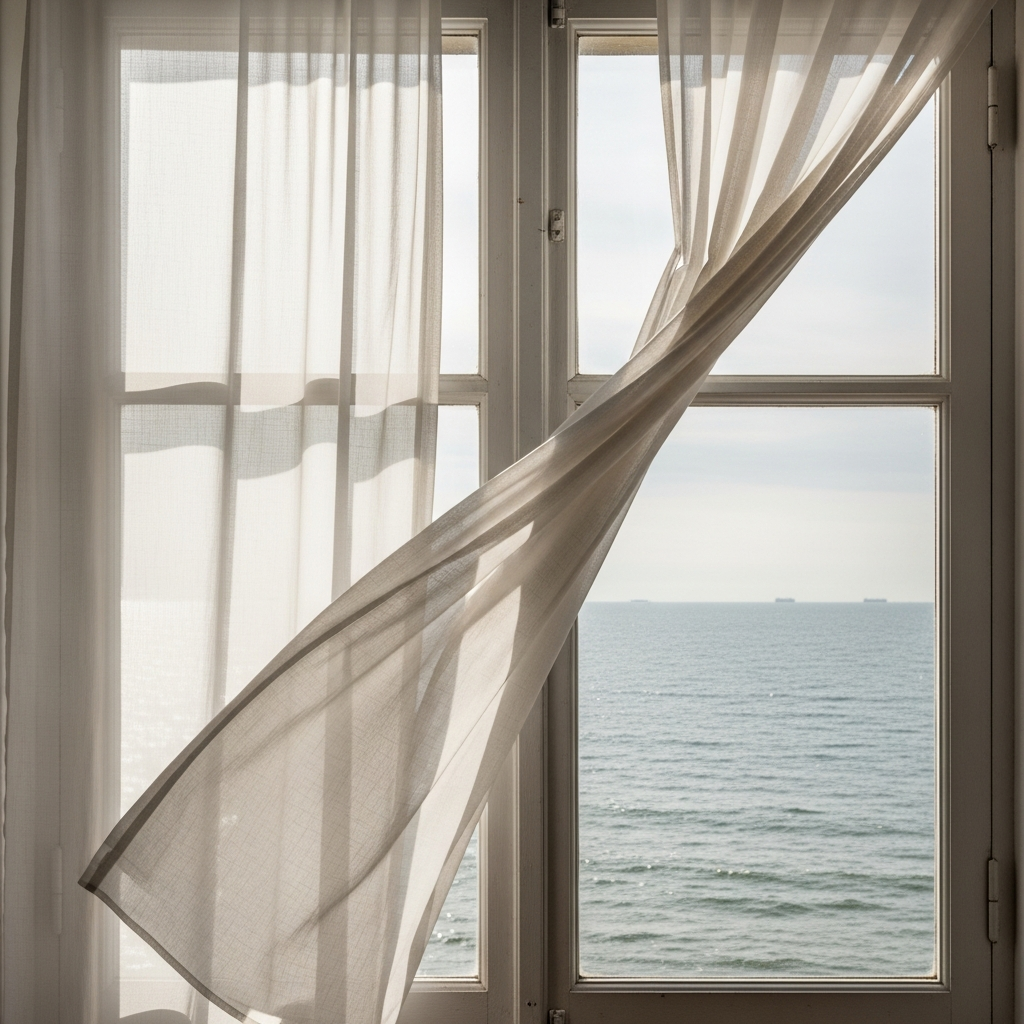
Heavy drapery can make a coastal room feel weighed down. Instead, choose sheer linen or gauze curtains. These allow privacy while still letting natural light filter through, and they sway gently with the breeze, adding movement to the room.
19. Introduce Brass and Gold Finishes
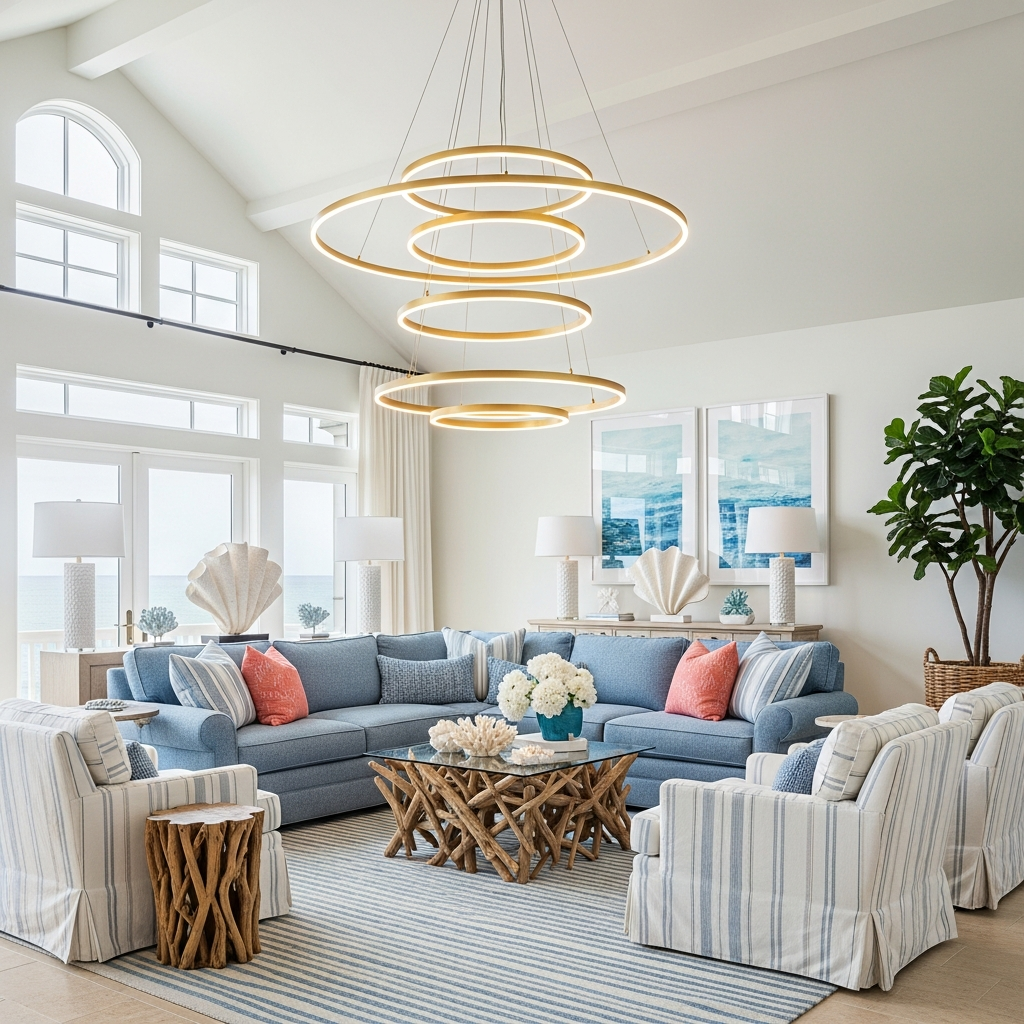
To add a touch of elegance, incorporate brass or gold hardware and lighting fixtures. These warm metals contrast beautifully with cool blue tones and mimic the look of traditional ship instruments, providing a subtle nod to nautical history.
20. Mix Textured Throw Pillows
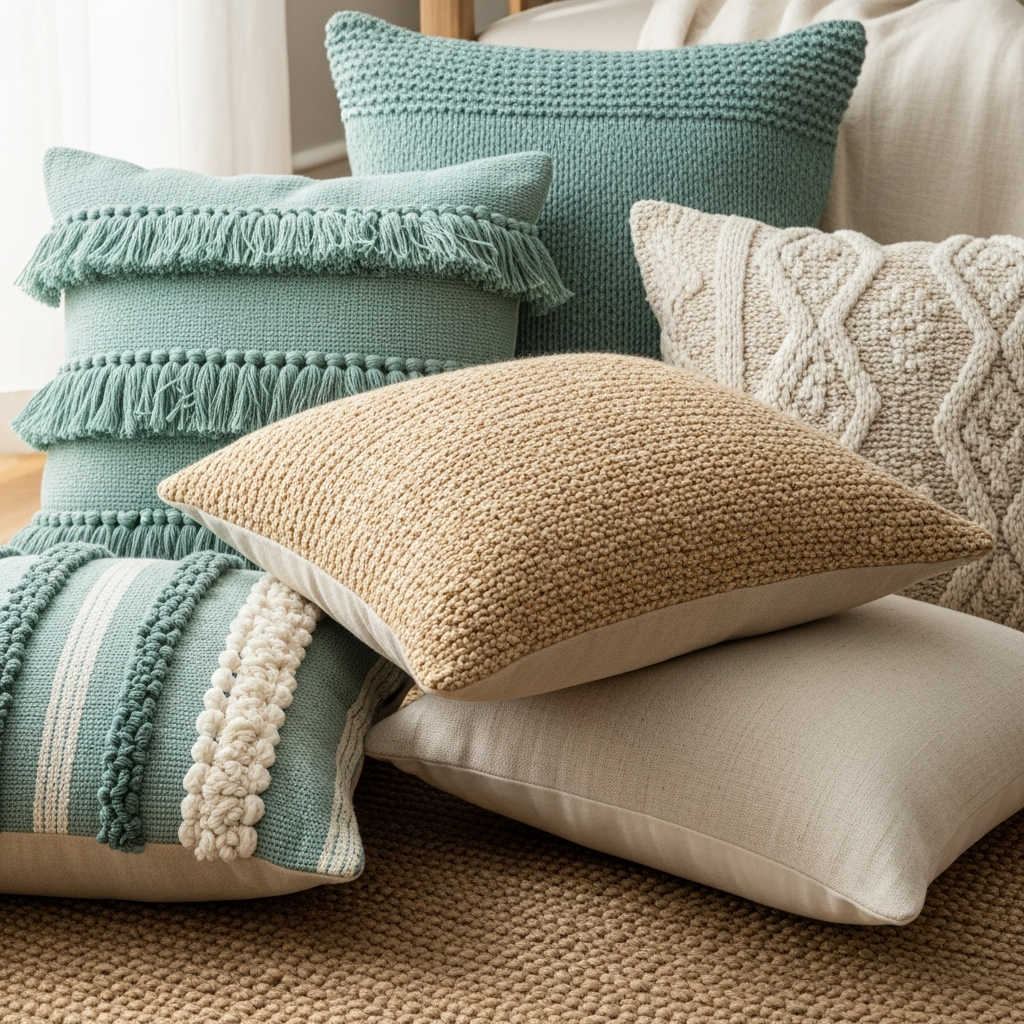
Texture is key to making a neutral room feel cozy. Mix pillows with different weaves, tassels, and embroidery. Incorporating various shades of blue and sandy tones through these textiles creates a layered and inviting seating area.
21. Make a Statement with Coral Decor
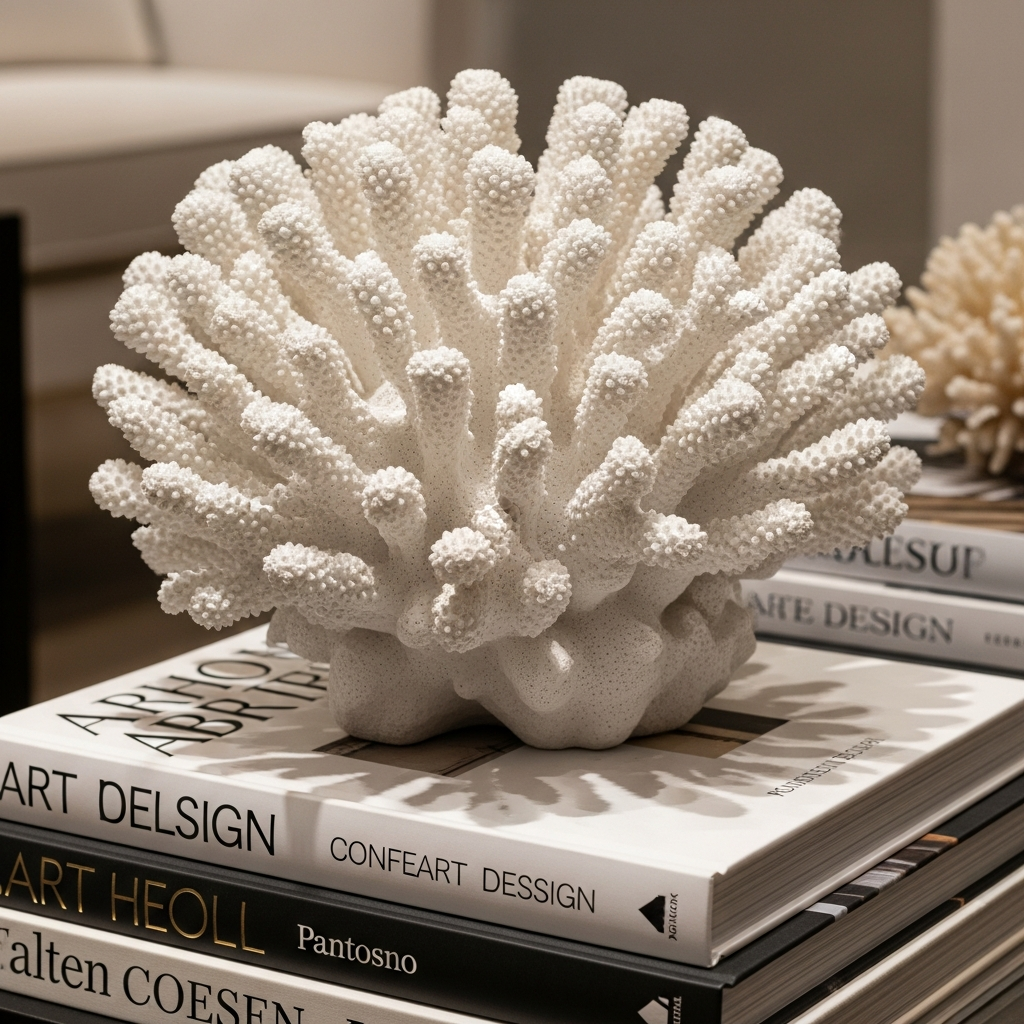
A large piece of faux coral can serve as a stunning centerpiece for a coffee table or mantel. Its intricate, organic shape provides a sophisticated focal point that immediately communicates the seaside theme without the need for additional clutter.
Conclusion
Achieving a fresh, seaside feel in your living room is about finding the perfect balance between comfort and style. By utilizing natural materials, a light-filled layout, and a curated selection of oceanic accents, you can create a space that feels both professional and inviting. Whether you live by the coast or in the heart of a city, these twenty-one ideas provide the blueprint for a serene and sophisticated home environment.