21 Modern Living Room Trends
The living room serves as the heart of the contemporary home, evolving from a formal receiving area into a dynamic space for relaxation, work, and social interaction. As design philosophies shift toward a blend of functionality and personal expression, modern trends are emphasizing comfort, sustainability, and technological integration. This guide explores the most influential trends shaping today’s living environments, offering inspiration for those looking to refresh their interior aesthetic with professional precision.
1. Biophilic Integration
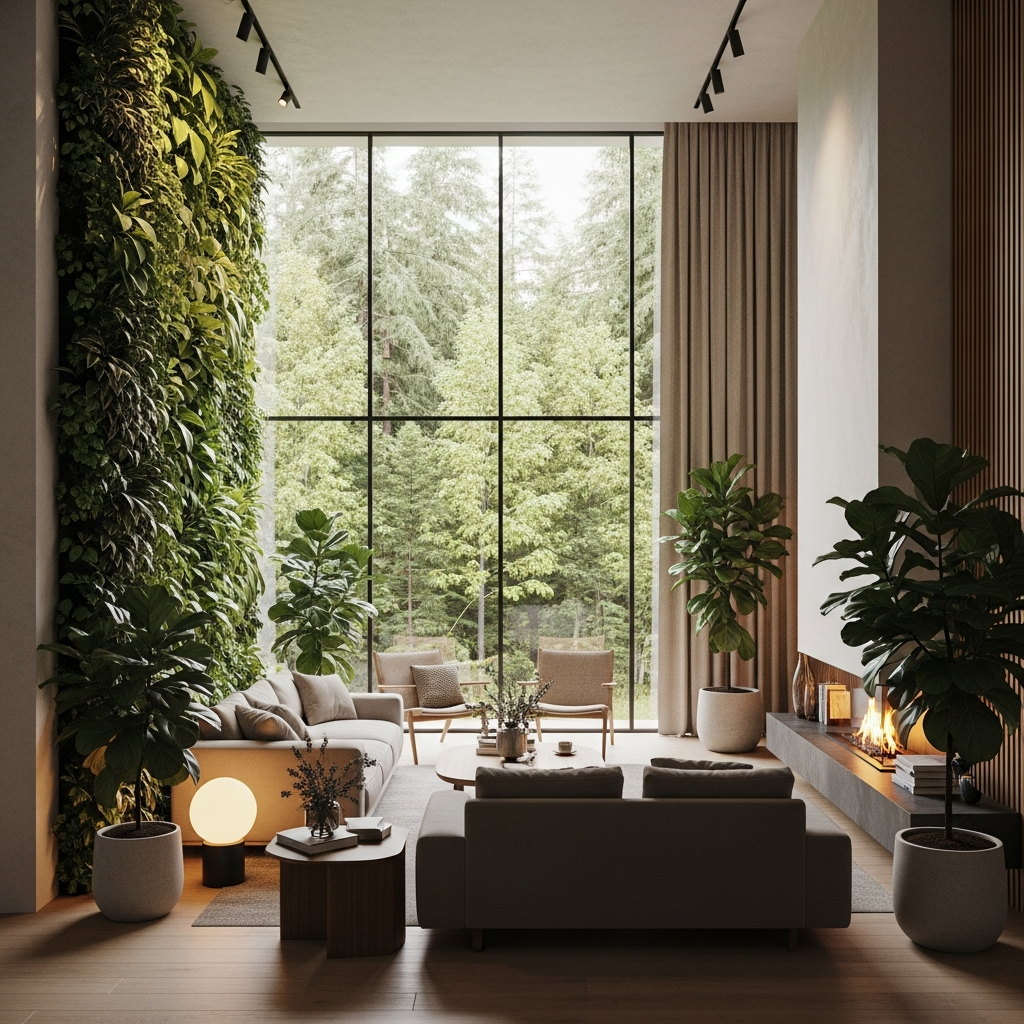
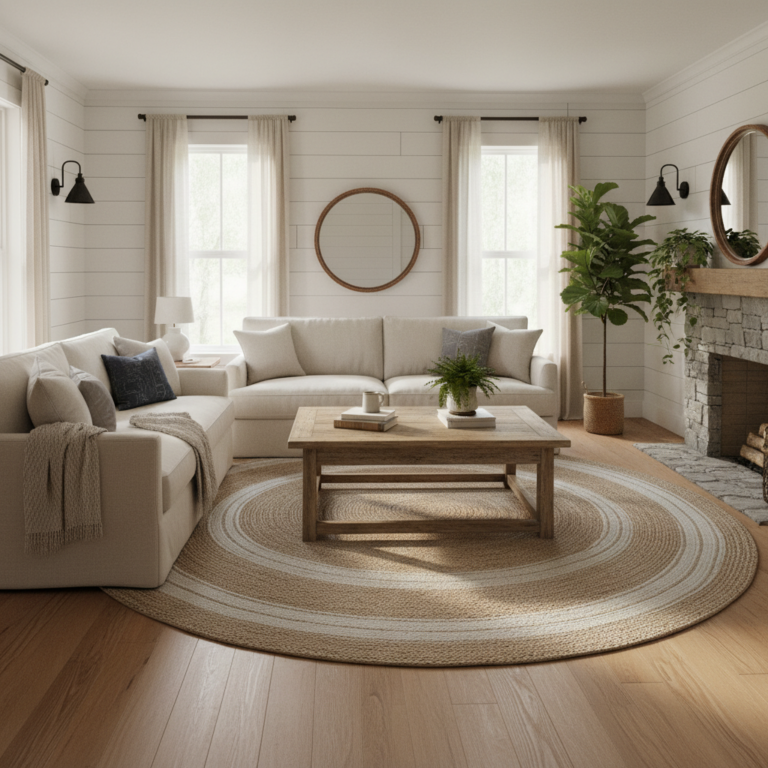
Incorporating nature into the living room is more than just adding a few plants. This trend involves large-scale greenery, living walls, and the use of organic shapes to foster a connection between the indoors and the natural world, significantly improving air quality and mental well-being.
2. Curved Furniture Silhouettes
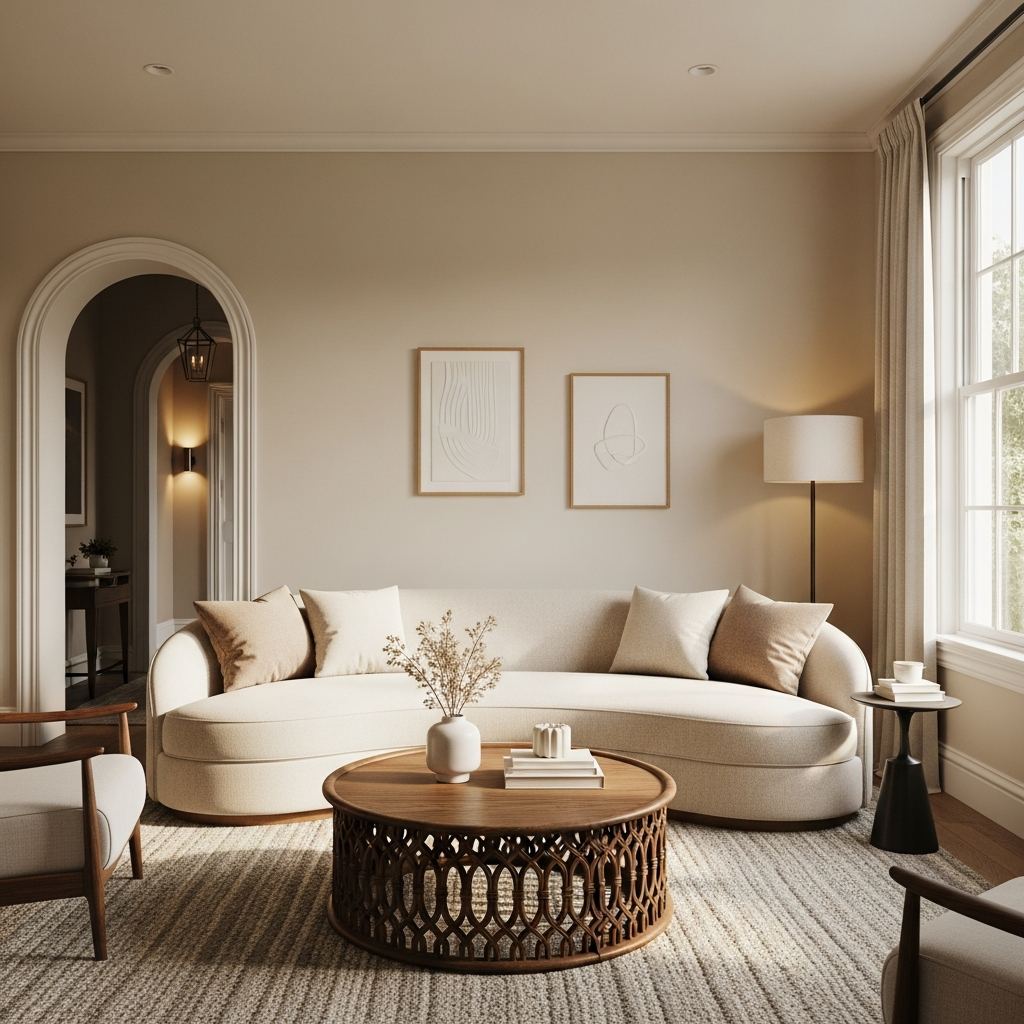
Moving away from rigid, straight lines, the current trend favors soft curves and rounded edges. Circular sofas, arched doorways, and kidney-shaped coffee tables create a sense of flow and comfort, making the living space feel more inviting and less structured.
3. Earth-Toned Color Palettes
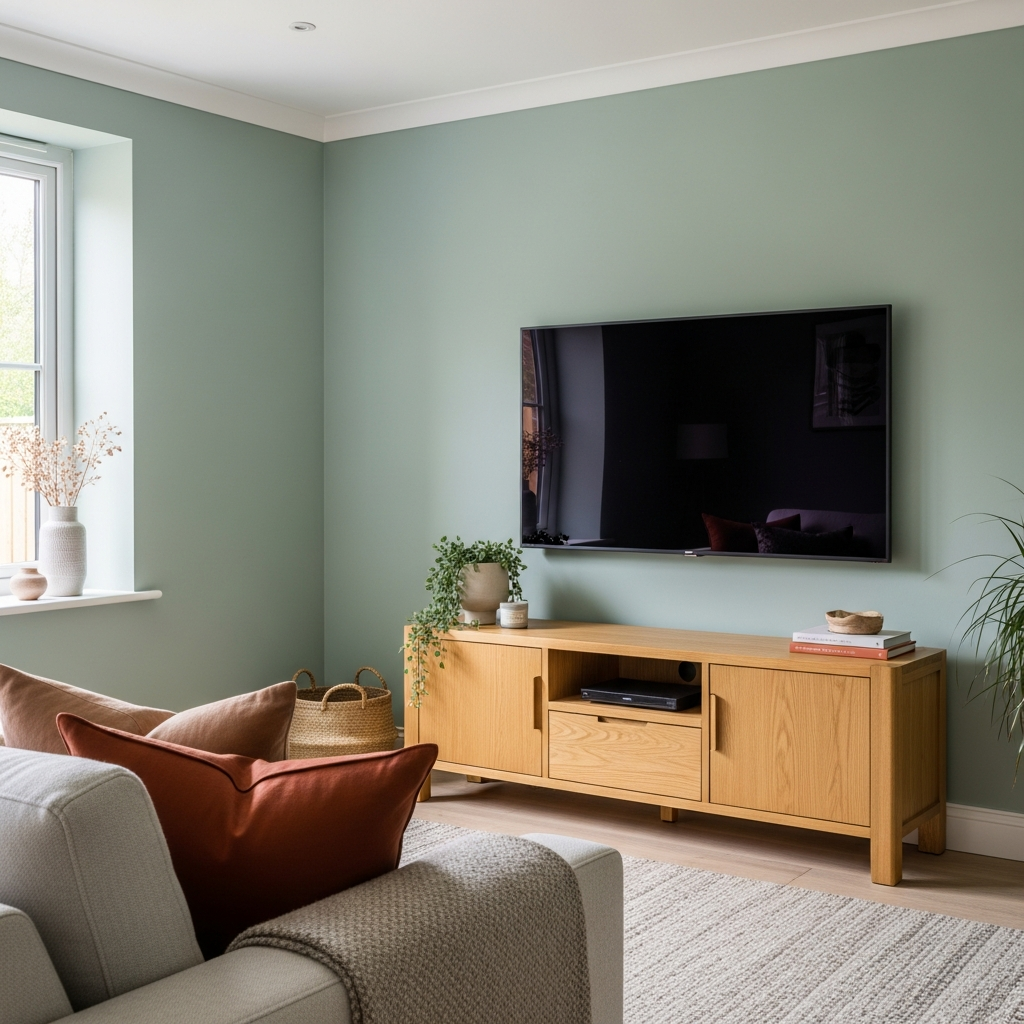
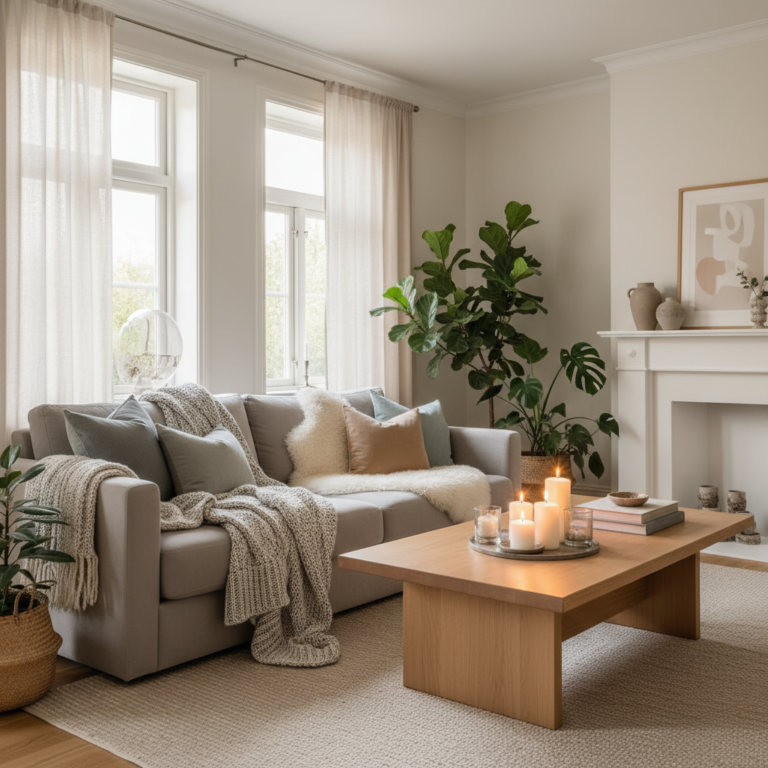
Warm neutrals like terracotta, sage green, and ochre are replacing clinical whites and grays. these colors provide a grounded, calming atmosphere that complements natural materials like wood and stone, creating a cozy yet sophisticated environment.
4. Multifunctional Zones
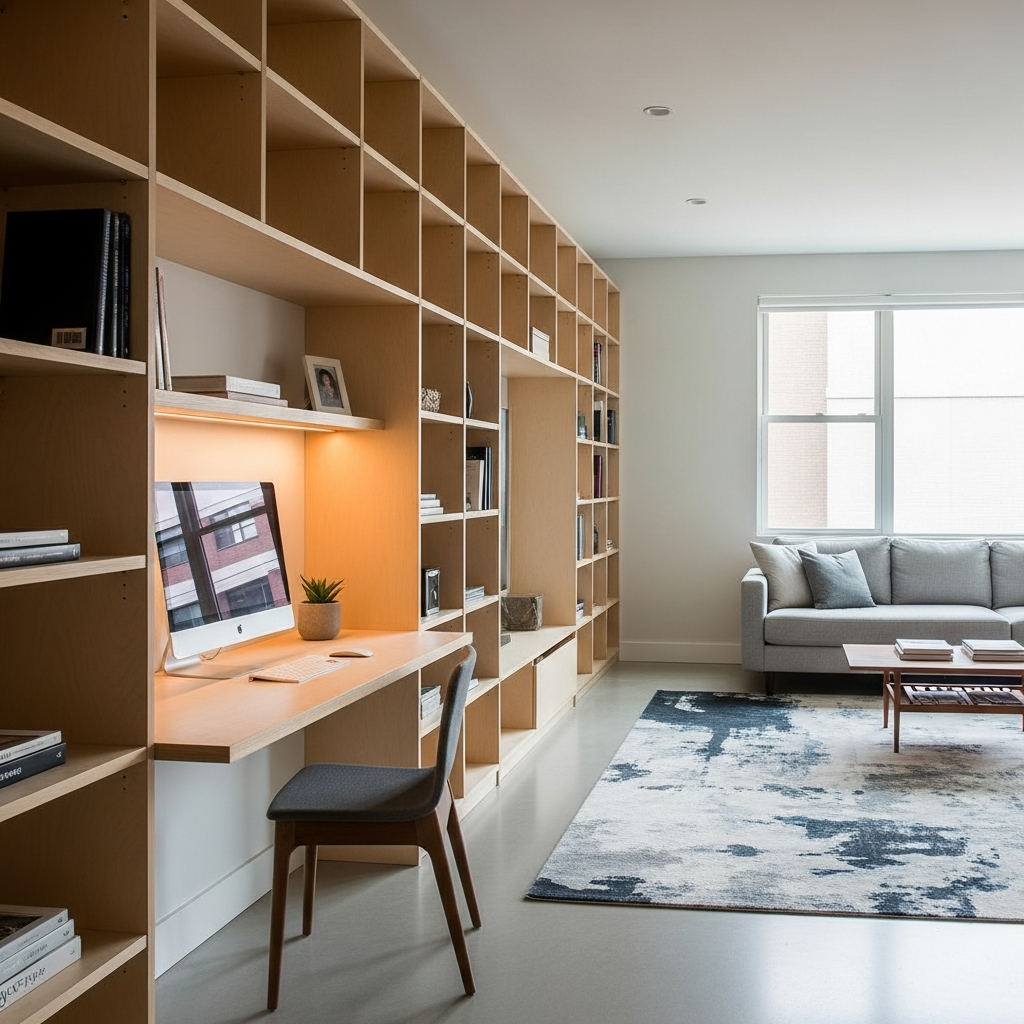
As remote work becomes more permanent, living rooms are being designed with zones that serve multiple purposes. This includes discreet workstations integrated into shelving or flexible seating arrangements that can transition from family movie nights to professional video calls.
5. Sustainable and Ethically Sourced Materials
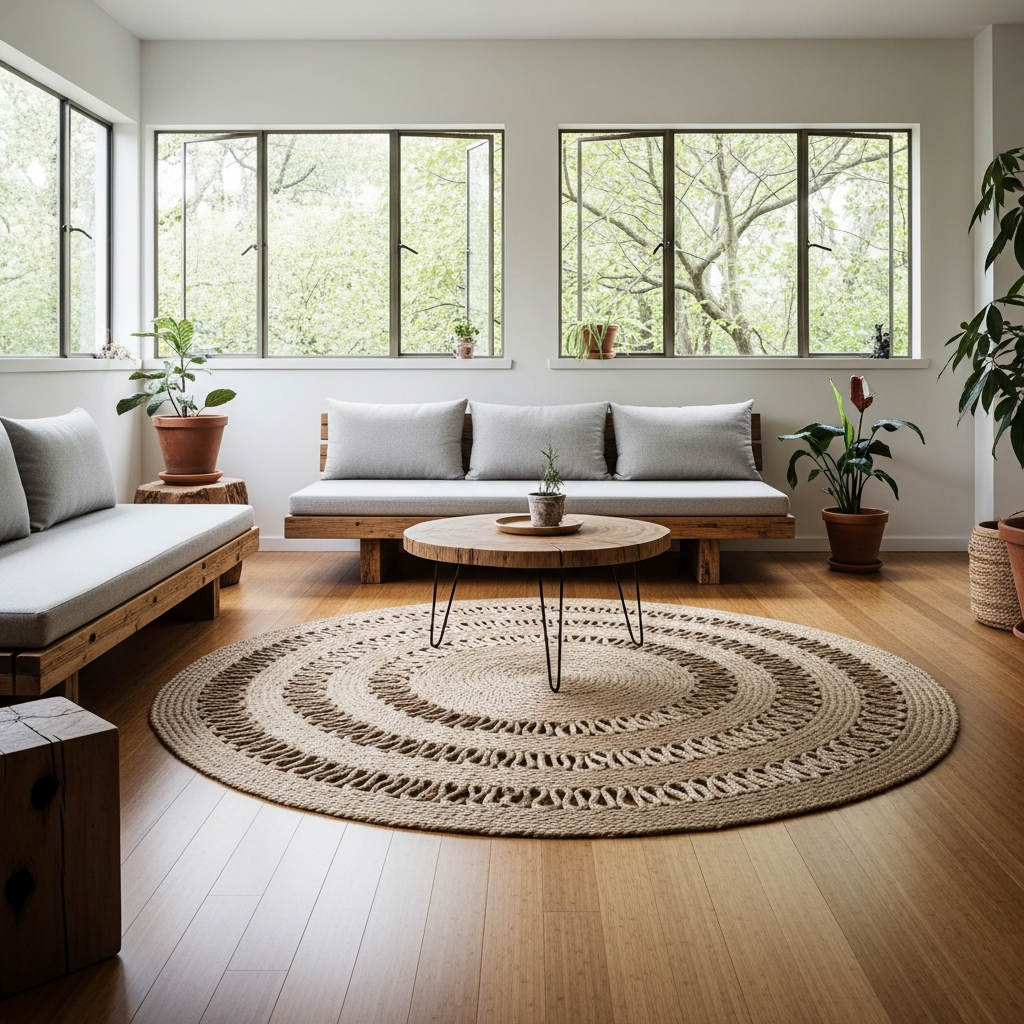
Professional designers are increasingly prioritizing sustainability. From recycled plastic textiles to FSC-certified timber and bamboo flooring, the focus is on long-lasting, eco-friendly materials that reduce the carbon footprint of home decoration.
6. Statement Lighting Fixtures
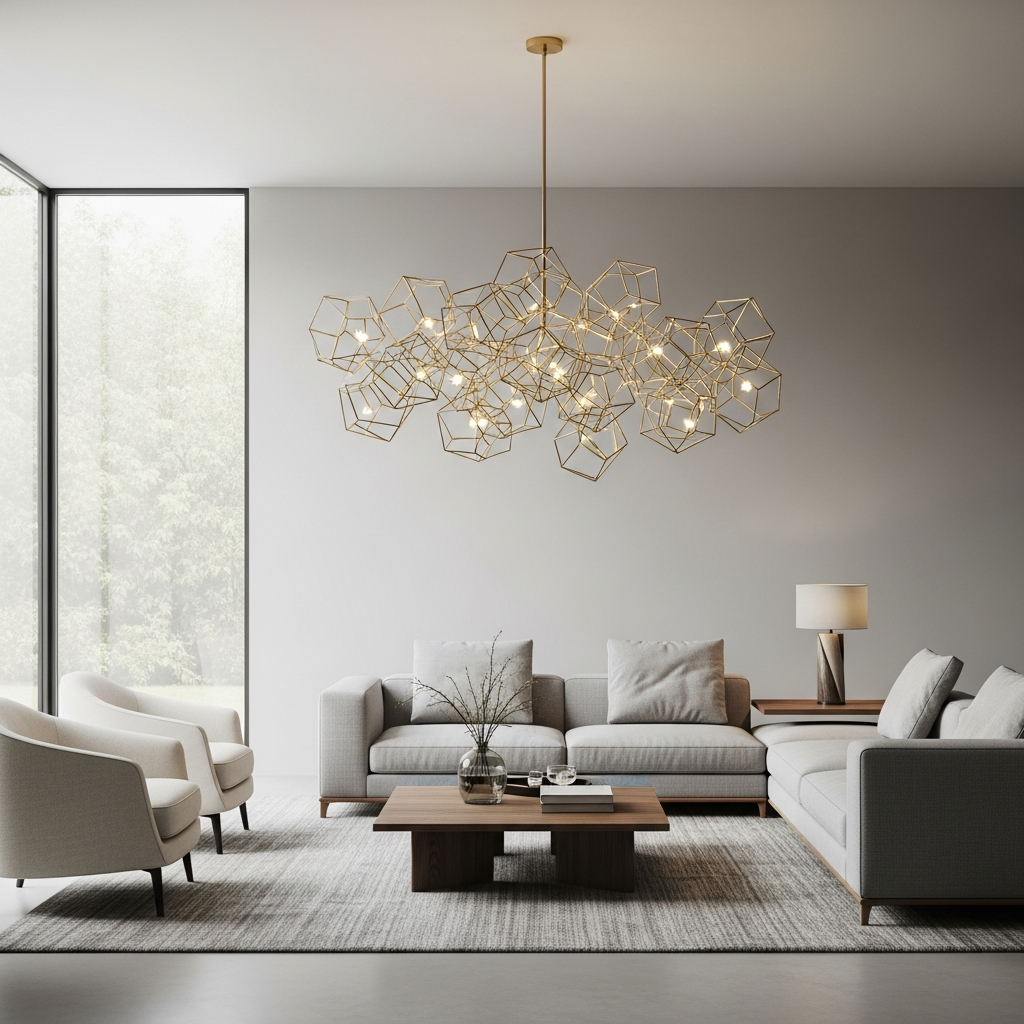
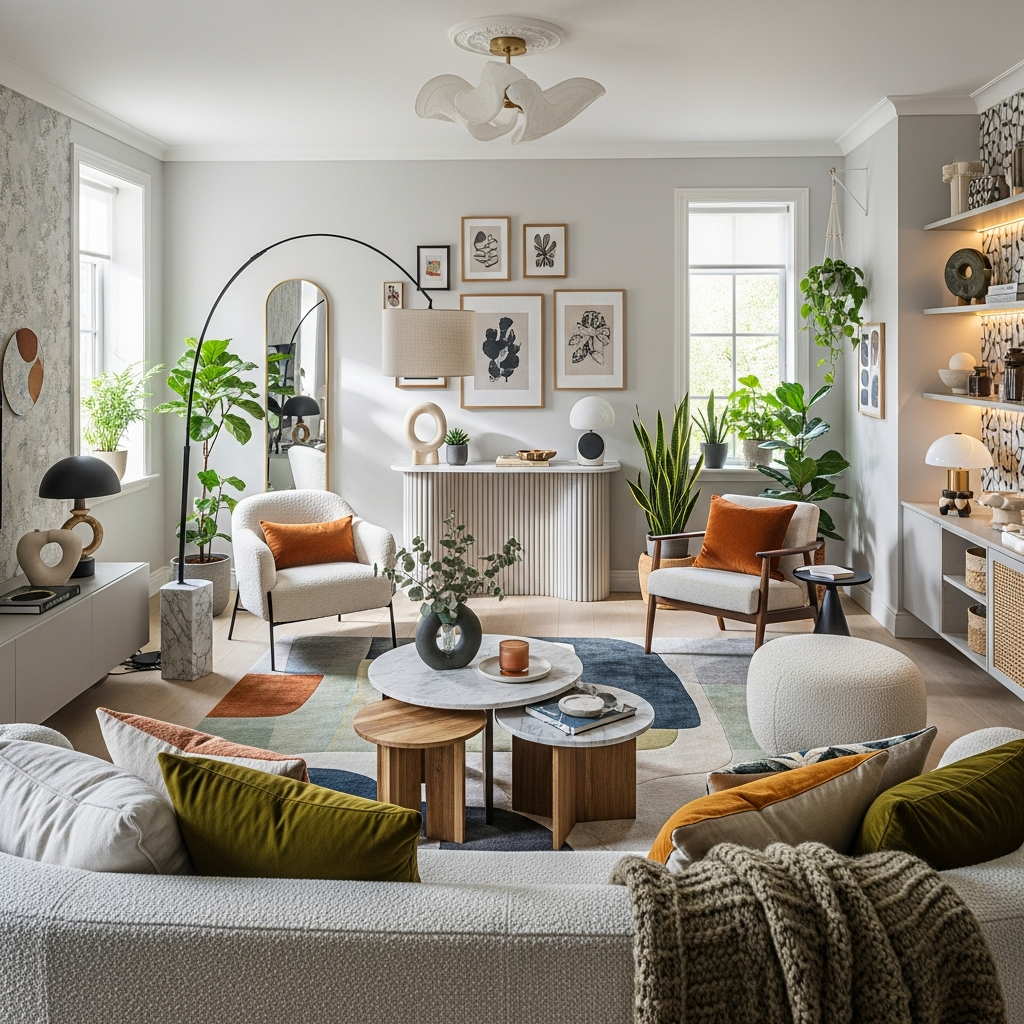
Lighting has moved from a utility to a central design element. Oversized pendants, sculptural chandeliers, and articulated floor lamps act as functional art pieces that define the room’s character and provide adjustable ambiance.
7. Mixed Texture Layering
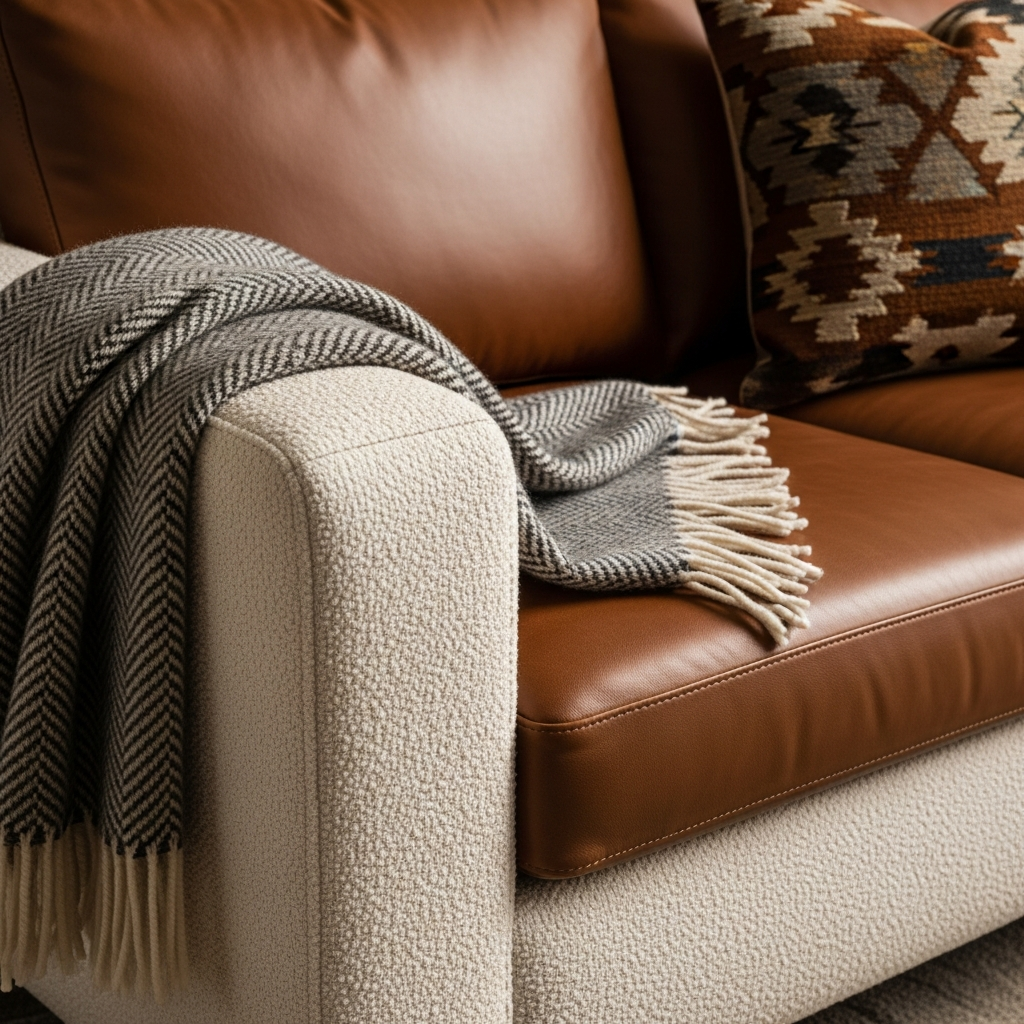
To add depth and visual interest without clutter, designers are layering different textures. Pairing smooth leather with chunky knit throws, silk cushions, and boucle upholstery creates a tactile experience that feels rich and well-considered.
8. Smart Home Seamlessness
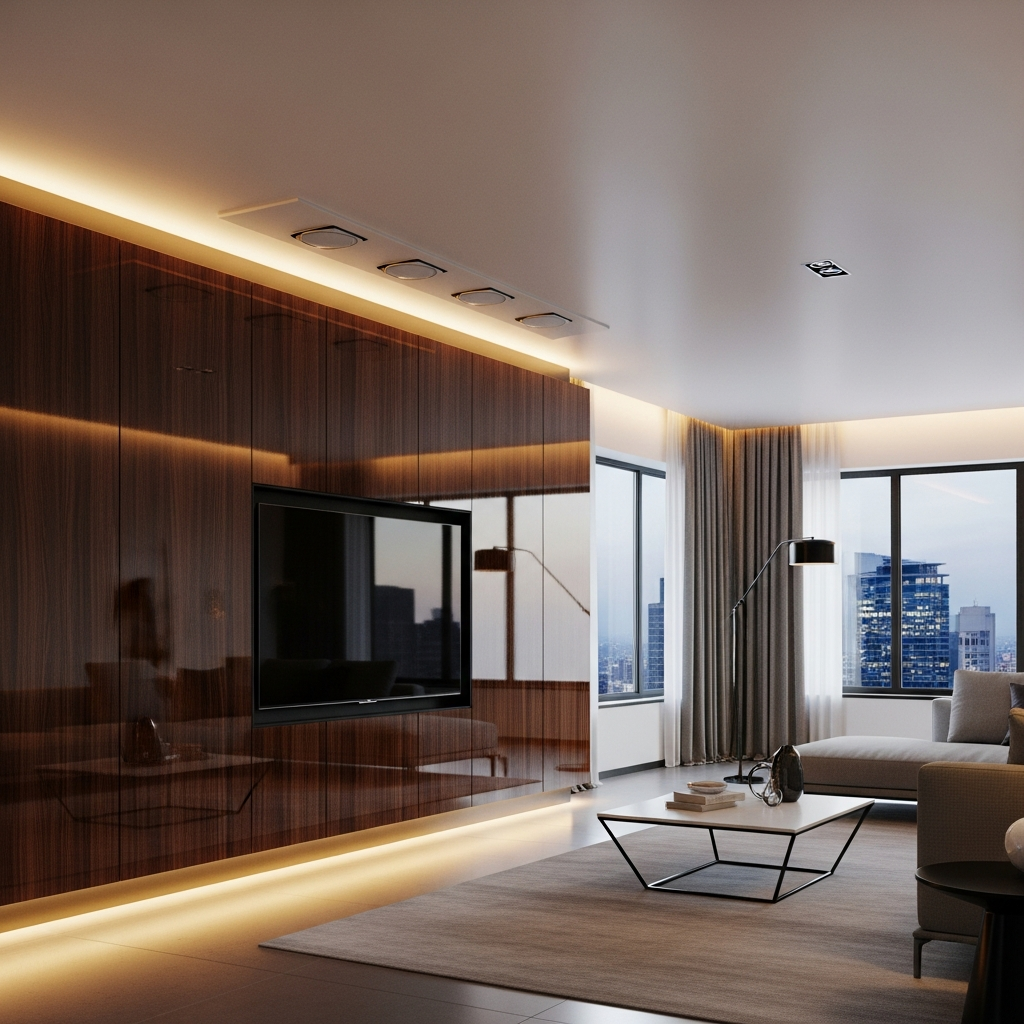
Modern living rooms are becoming smarter, but the technology is becoming invisible. Concealed speakers, automated climate control, and smart glass that tints on demand allow for high-tech living without compromising the room’s aesthetic.
9. Maximalist Accents in Minimalist Spaces
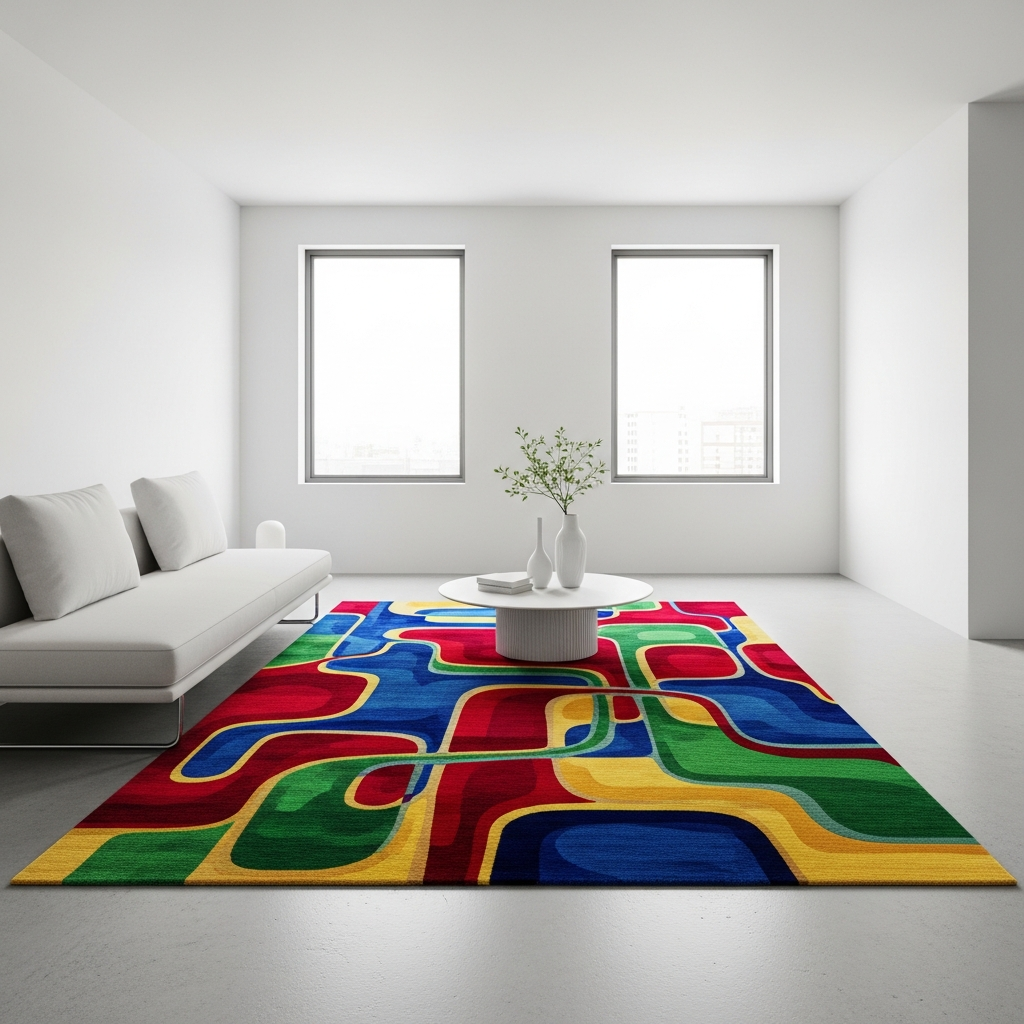
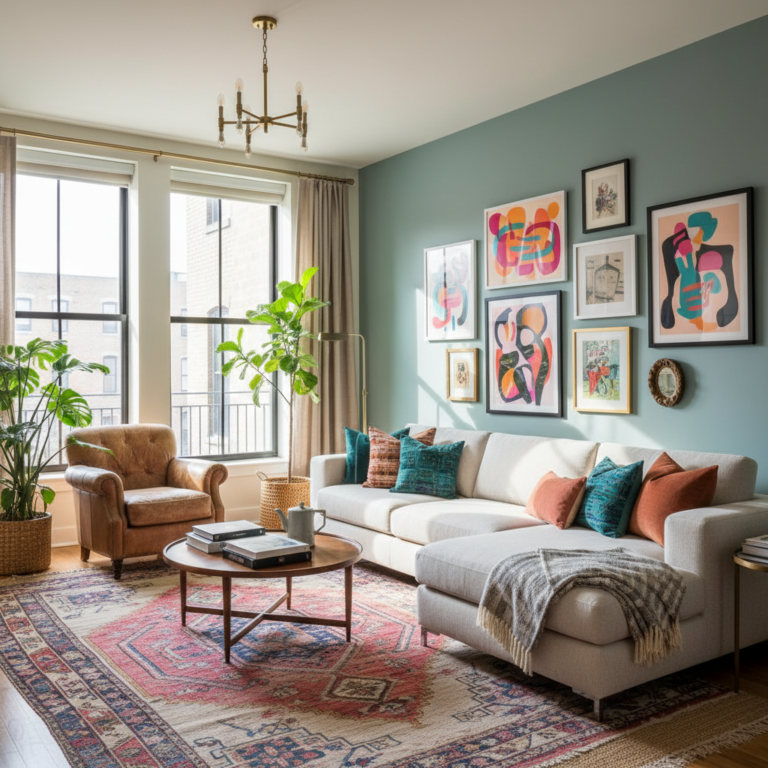
While the overall structure remains minimalist, there is a trend toward including bold, maximalist accents. A single vibrant rug or an eclectic collection of art can break the monotony and add a layer of personality to a clean space.
10. Natural Stone Elements
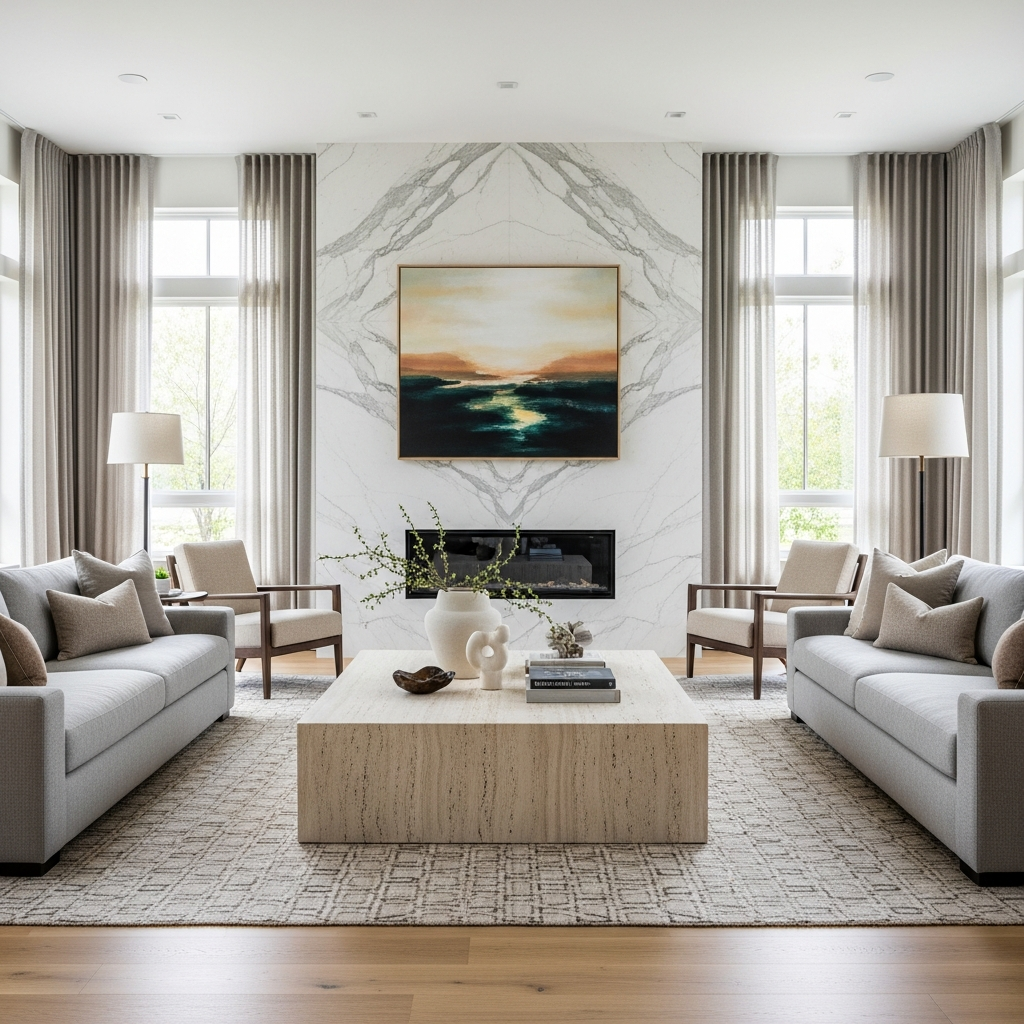
The use of marble, travertine, and onyx is expanding beyond the kitchen and bathroom. In the modern living room, these materials appear in coffee tables, fireplace surrounds, and even wall cladding, offering a timeless sense of luxury.
11. Vintage and Modern Fusion
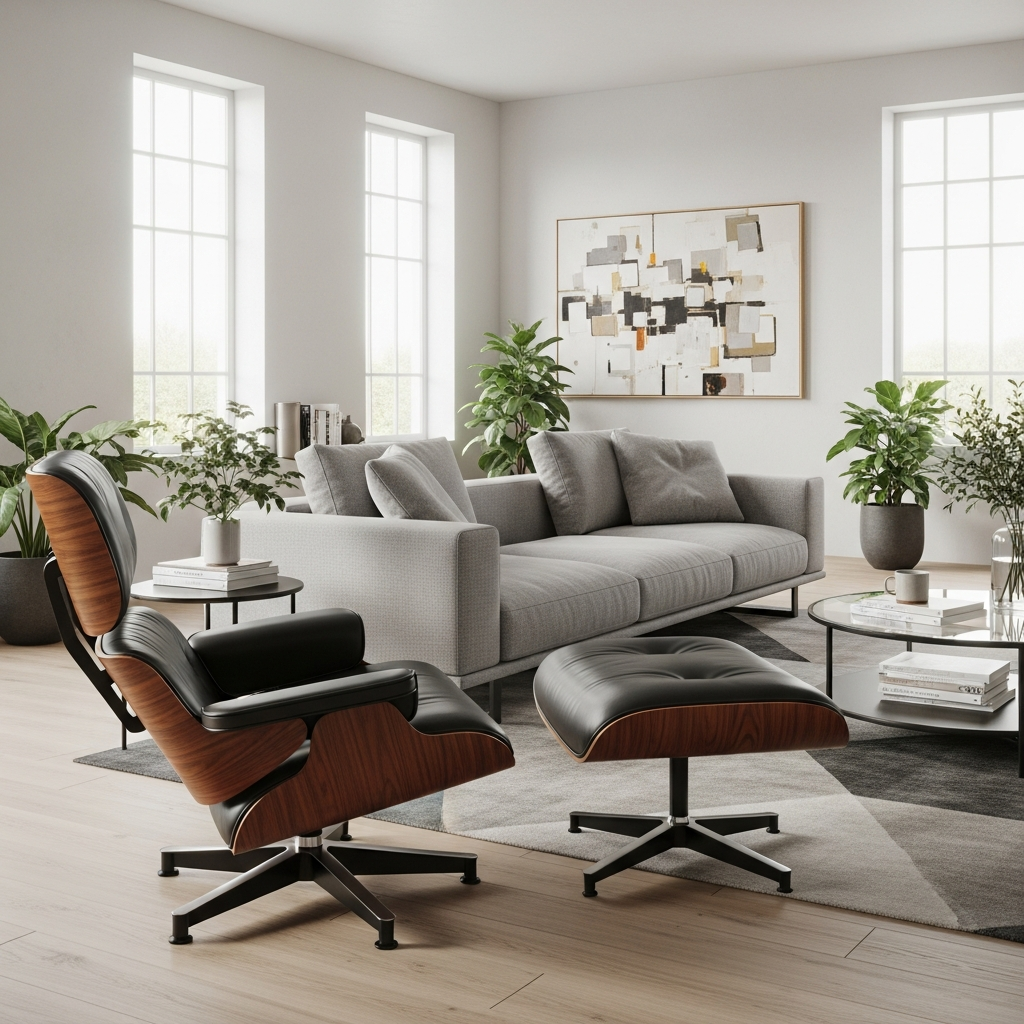
Combining mid-century modern pieces with contemporary silhouettes creates a curated, timeless look. This trend avoids the ‘showroom’ feel by blending different eras, resulting in a living room that feels evolved and personal.
12. Bold Wallpaper Backdrops
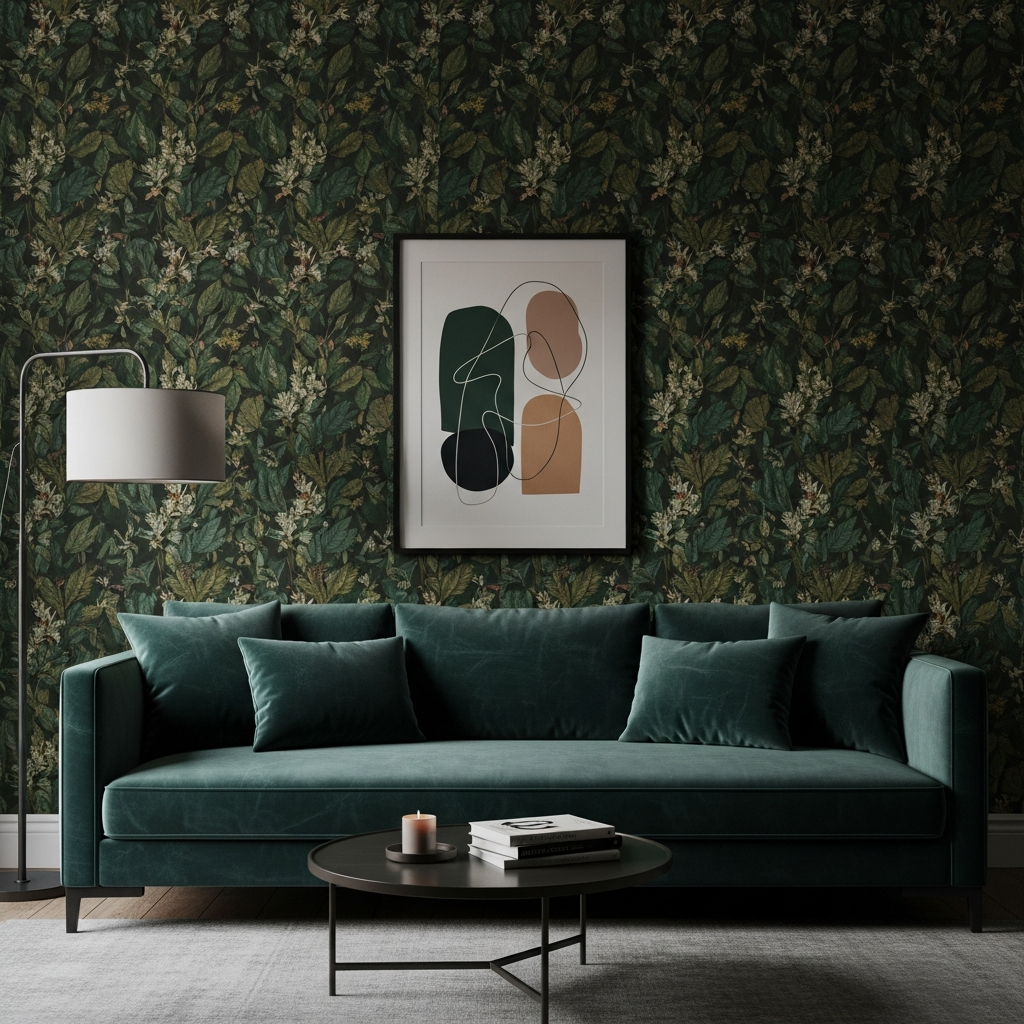
Wallpapers are making a significant comeback with large-scale botanical prints, geometric patterns, and even textured grasscloth. Using wallpaper on a single feature wall or behind open shelving adds an immediate focal point.
13. Sunken Seating Areas
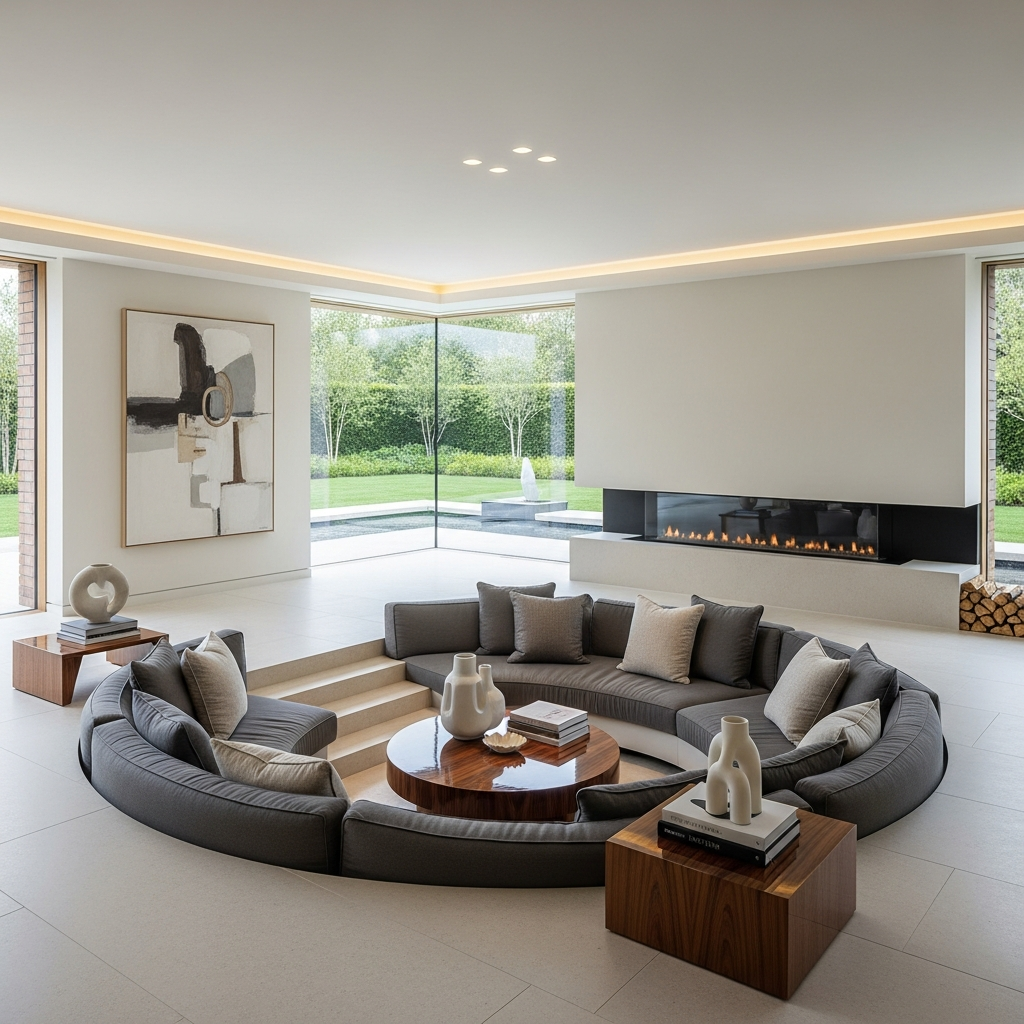
Inspired by 1970s architecture, conversation pits or sunken seating areas are returning to large modern homes. These areas encourage intimacy and social interaction by physically defining the lounge space as a separate zone within the floor plan.
14. Industrial Chic Refinement
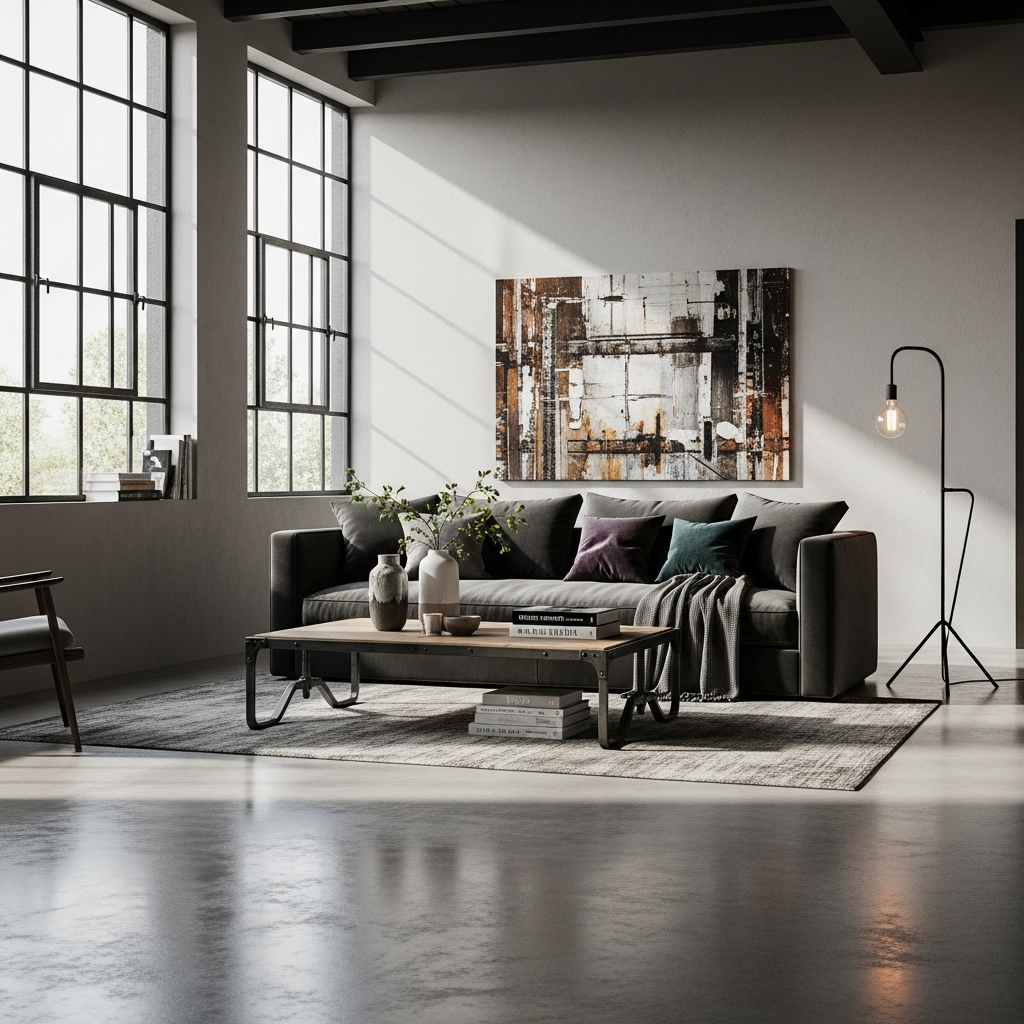
The industrial look has matured, moving away from raw roughness toward a more refined aesthetic. Think blackened steel frames, polished concrete floors, and exposed brickwork softened by high-end textiles and warm lighting.
15. Monochromatic Sophistication
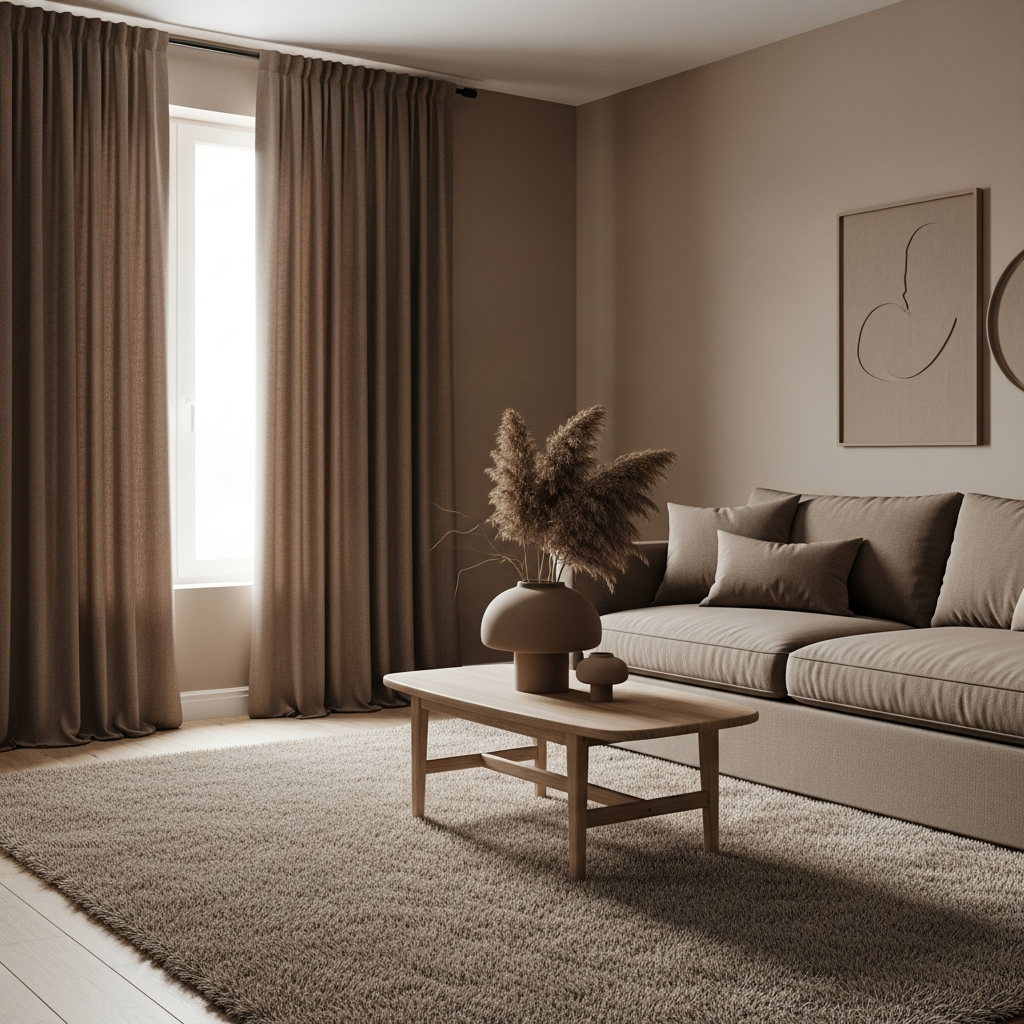
Designing within a single color family—using various shades, tints, and textures of that one color—creates a cohesive and calming environment. This approach emphasizes the architecture of the furniture rather than the contrast of colors.
16. High-Contrast Details
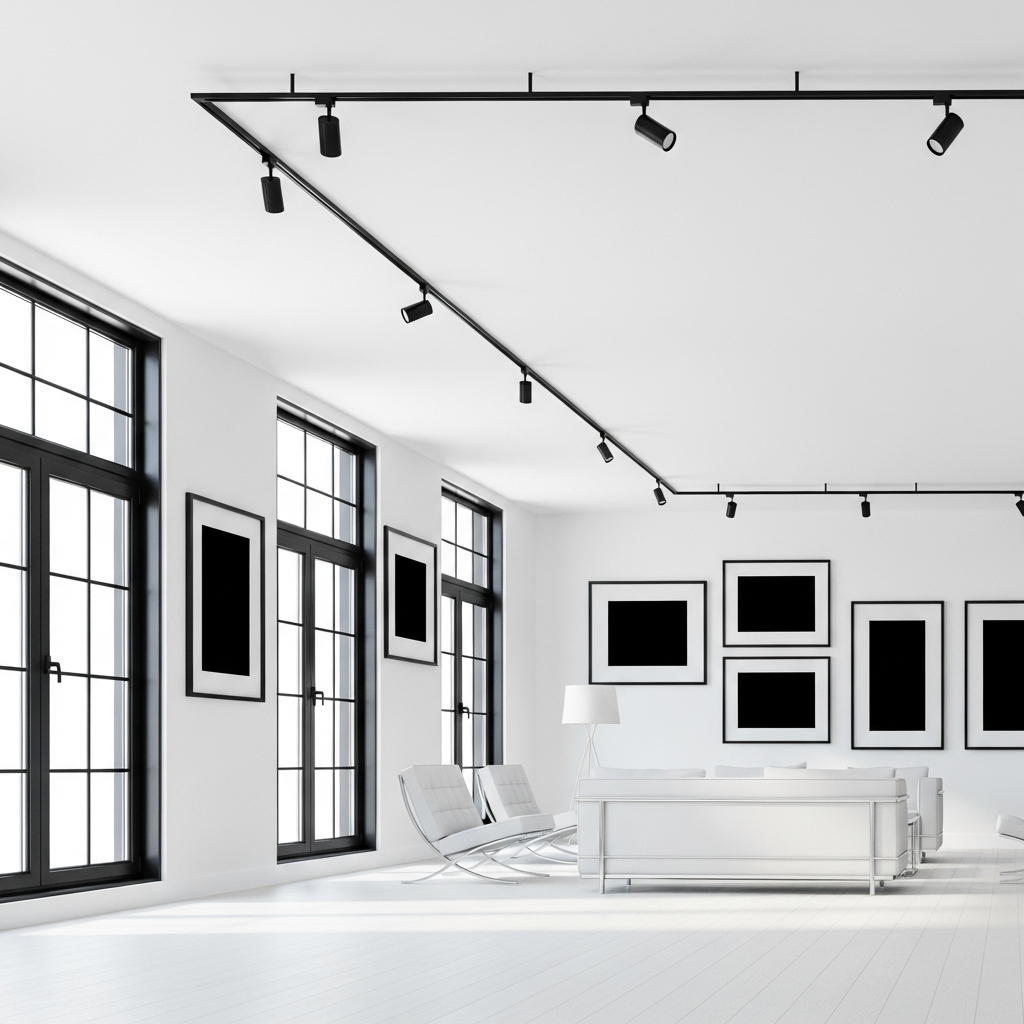
Conversely, high-contrast designs, particularly black and white, are trending for their dramatic effect. Using black hardware, light fixtures, or window frames against white walls provides a sharp, clean, and modern look.
17. Modular Furniture Flexibility
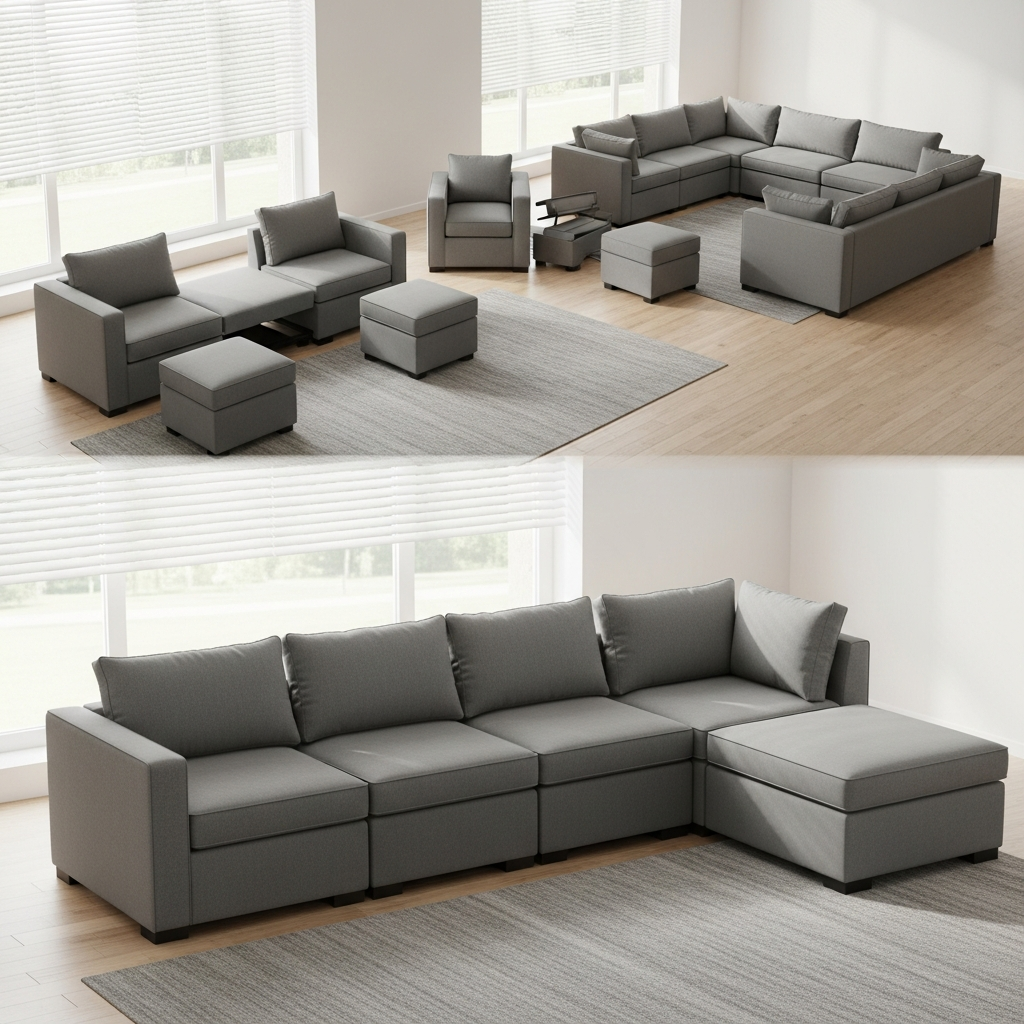
Modular sofas that can be rearranged to suit different occasions are becoming a staple. This trend caters to the need for flexibility, allowing homeowners to change the layout for parties, lounging, or guest accommodation.
18. Oversized Wall Art
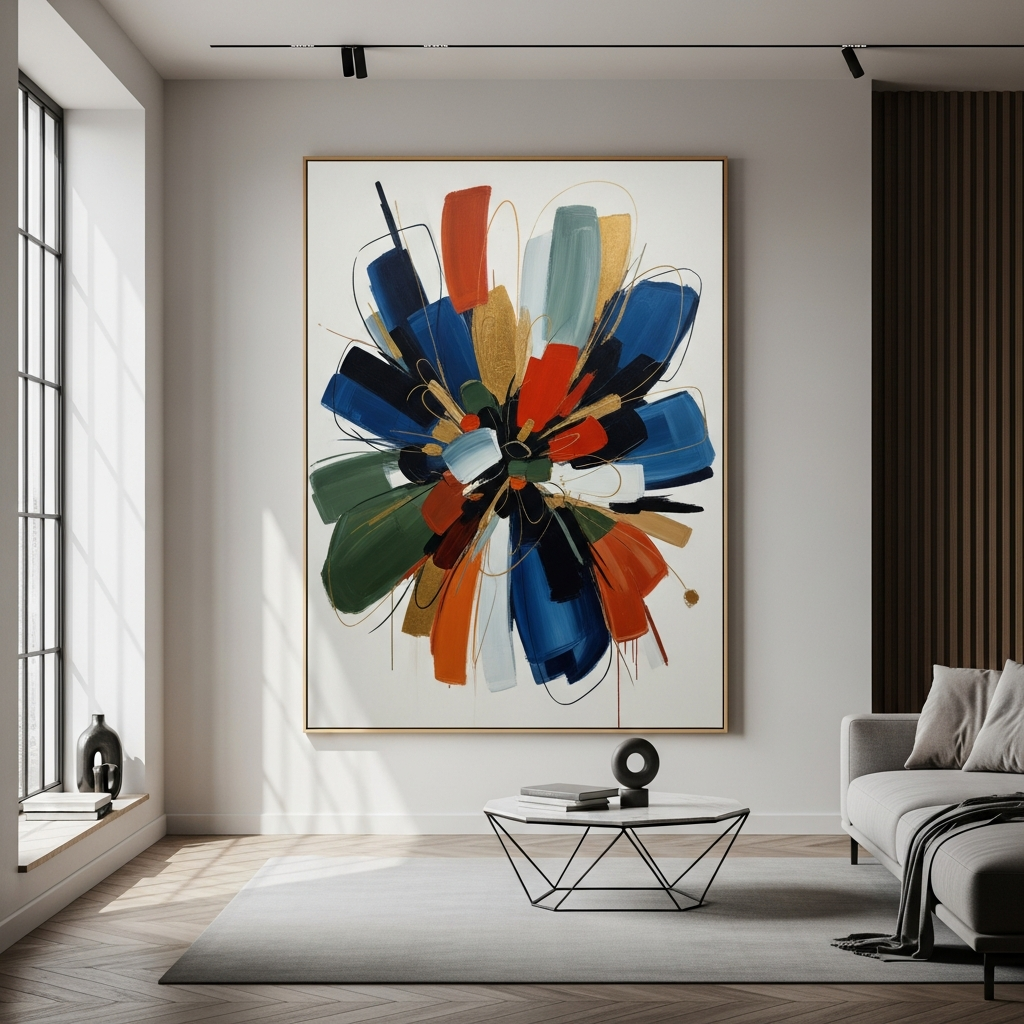
Rather than a gallery wall of many small items, the trend is shifting toward one or two massive art pieces. This creates a bold statement and simplifies the visual landscape of the room, providing a clear focal point.
19. Warm Wood Paneling
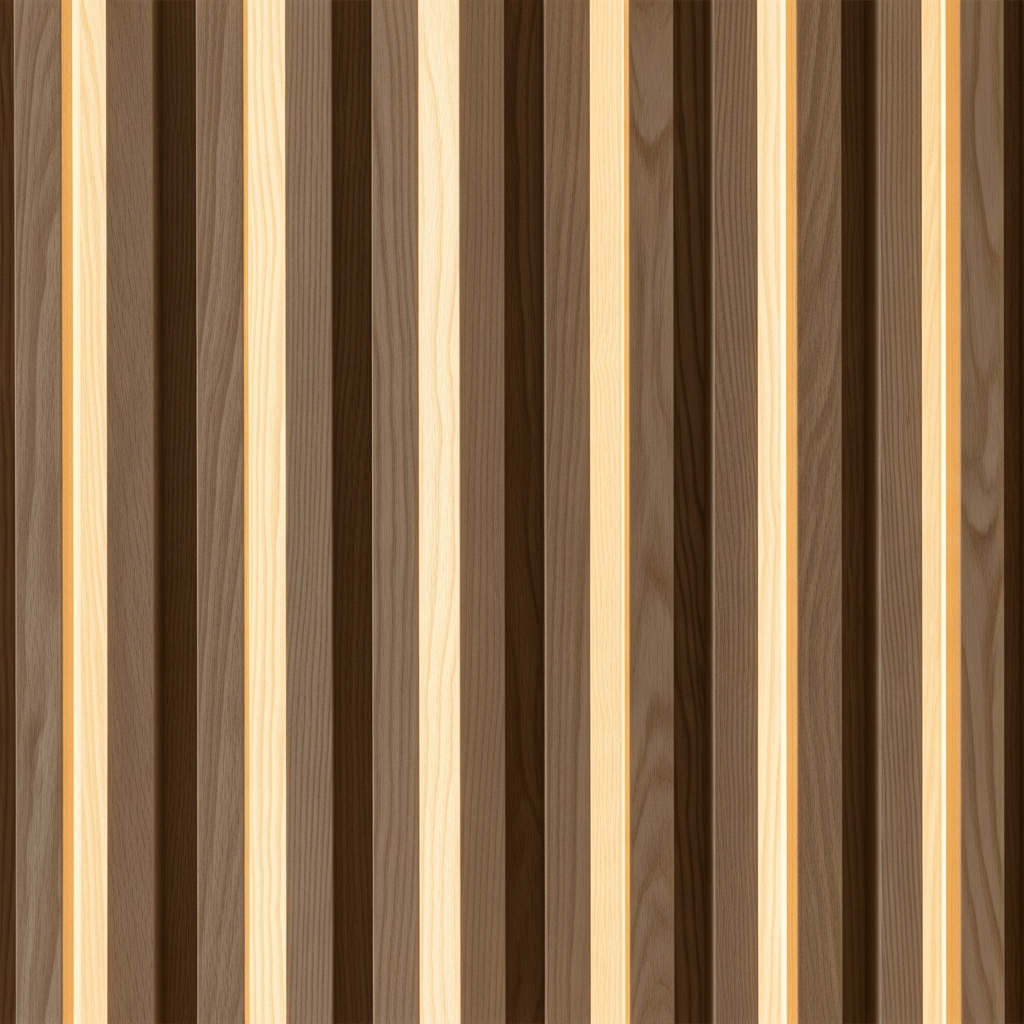
Wood paneling has been reinvented with slim vertical slats or large-format oak panels. This adds warmth and acoustic insulation to the room, creating a cozy, high-end feel that bridges the gap between modern and traditional.
20. Dark and Moody Lounge Vibes
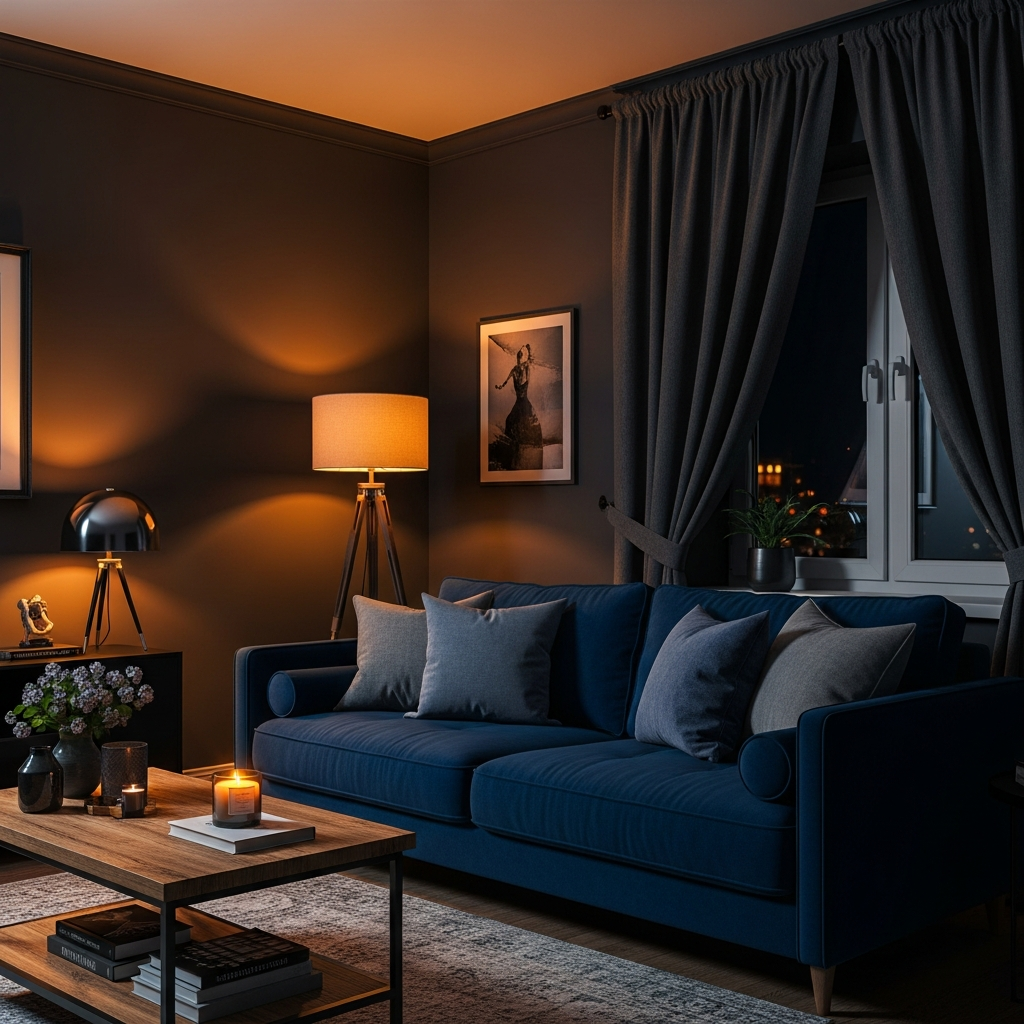
For a more dramatic and cocoon-like feel, many are opting for dark navy, charcoal, or deep forest green on all walls. This trend works particularly well in media rooms or libraries, where a sense of enclosure is desired.
21. Handcrafted and Artisanal Decor
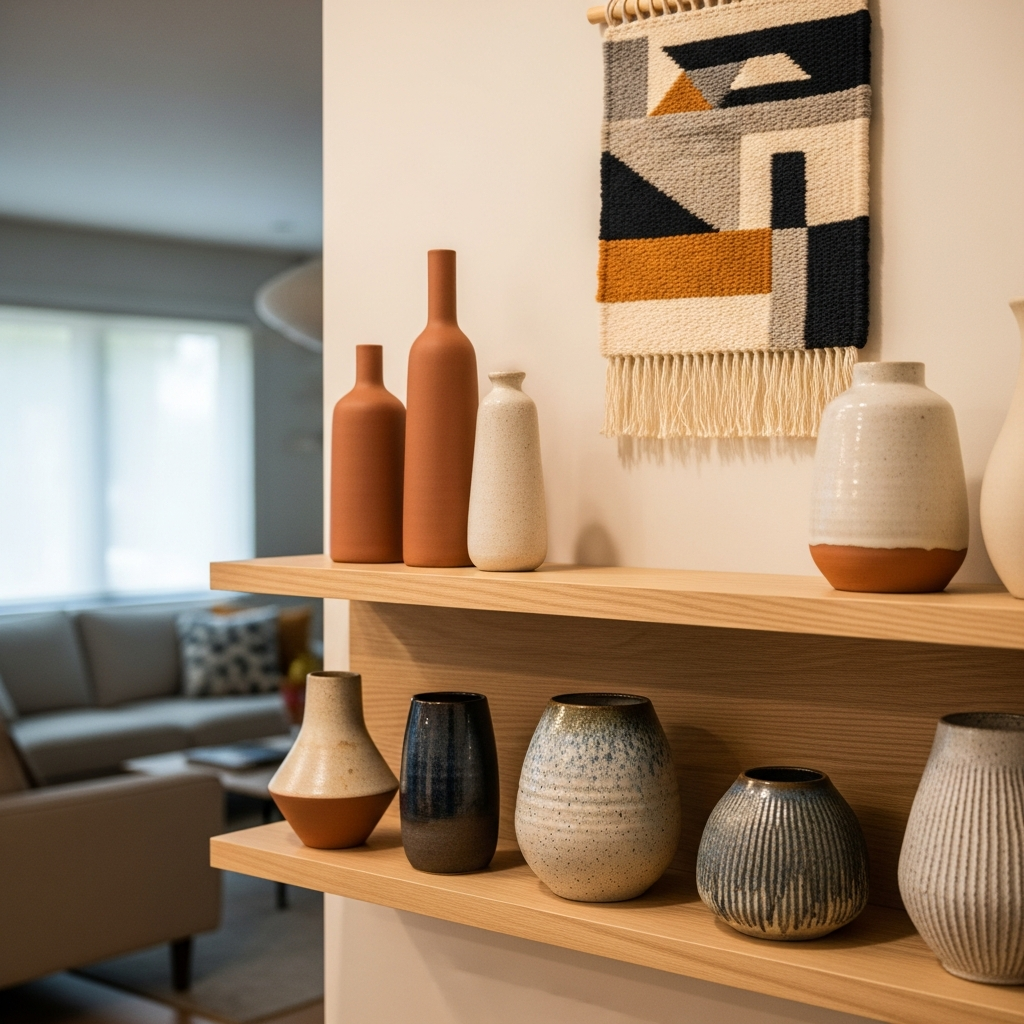
The mass-produced look is being replaced by artisanal items. Hand-thrown ceramics, hand-woven wall hangings, and custom-made furniture pieces celebrate craftsmanship and ensure that no two living rooms look exactly the same.
Conclusion
The 21 trends outlined above demonstrate a significant shift toward living rooms that are as functional as they are beautiful. By embracing natural materials, flexible layouts, and personalized accents, you can create a modern living space that reflects your lifestyle while remaining timelessly stylish. Whether you prefer the serenity of a monochromatic palette or the drama of a sunken seating area, the key to modern design lies in the thoughtful balance of comfort and innovation.