14 Spring Wall Decor Ideas with Botanical Prints and Natural Style
As the seasons transition, bringing the freshness of the outdoors inside becomes a priority for many homeowners. Spring wall decor, particularly through the use of botanical prints and natural elements, offers a sophisticated way to rejuvenate your living space. This guide explores fourteen curated ideas that blend organic aesthetics with modern design principles to create a serene and stylish environment.
1. Vintage Fern Pressings in Oak Frames
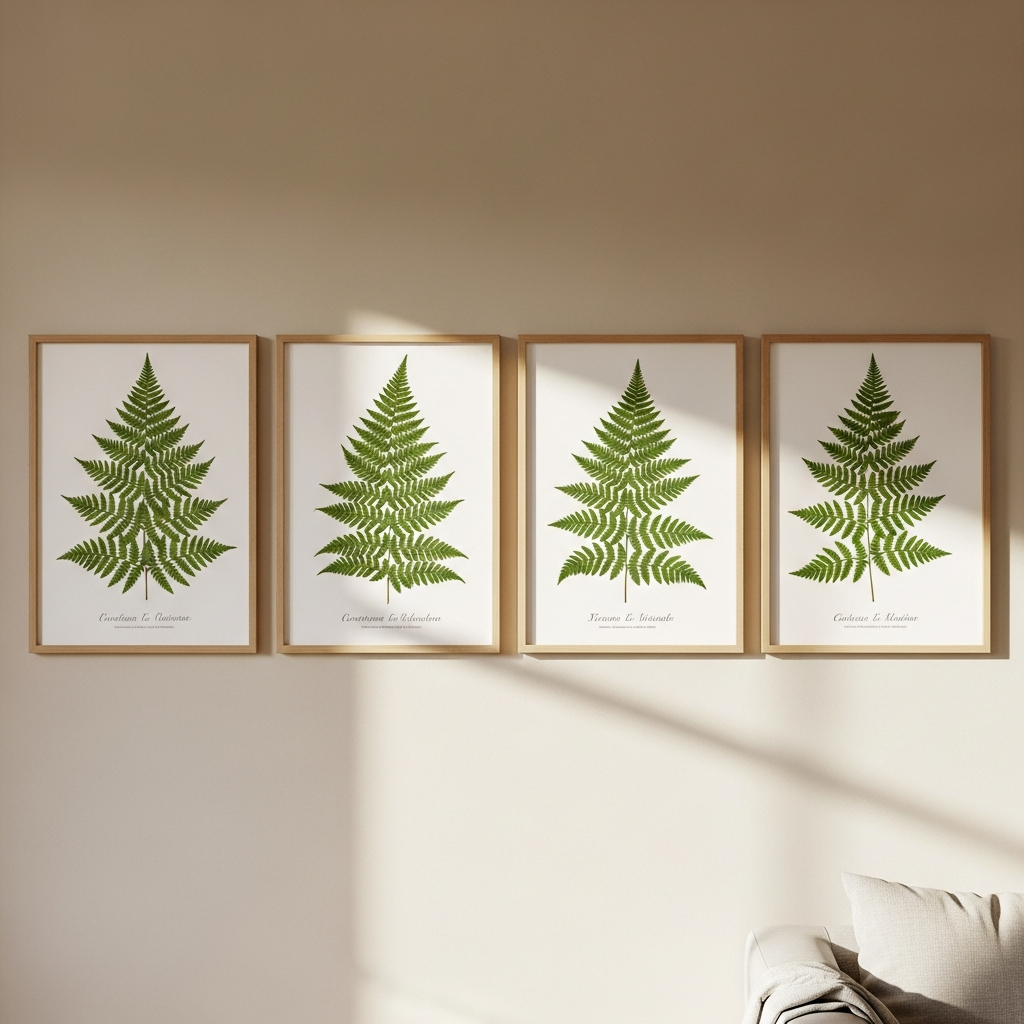
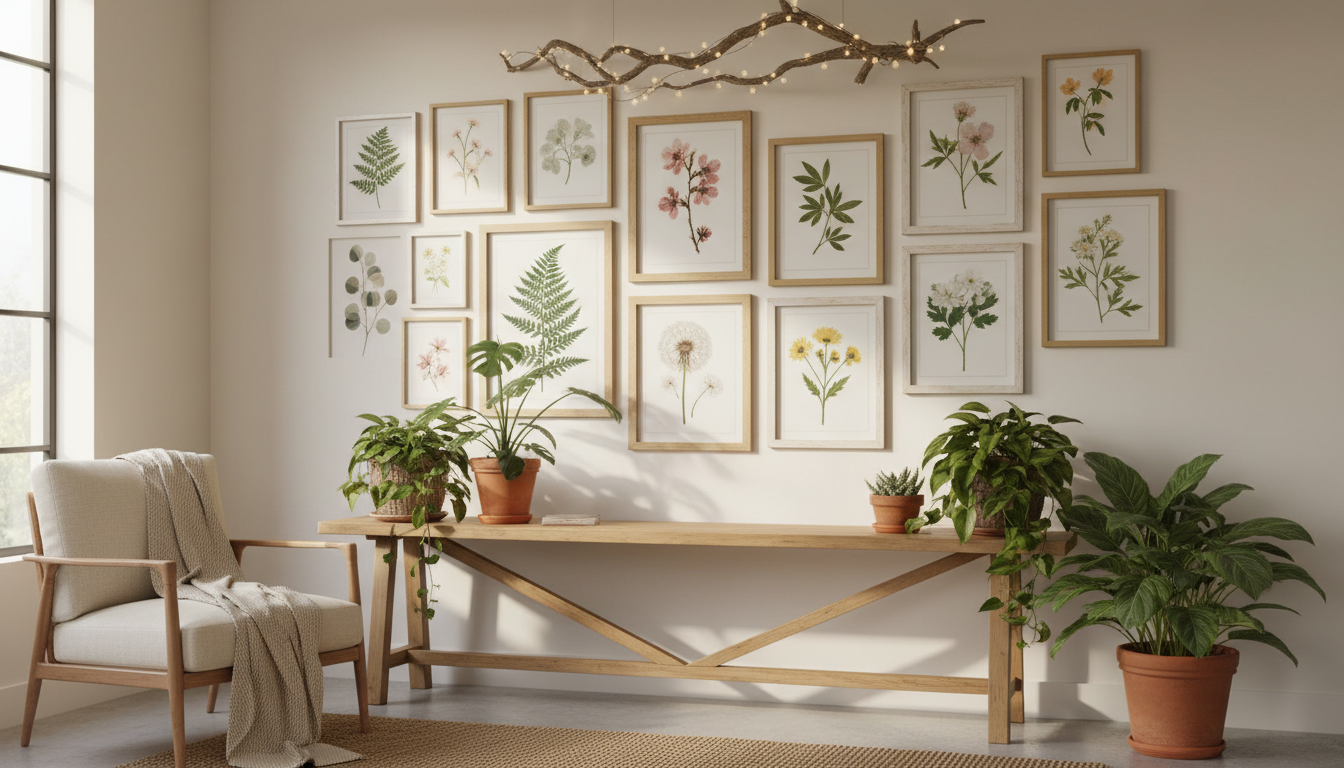
Utilizing vintage-style fern pressings provides a timeless and scholarly feel to your walls. The intricate details of the fronds are highlighted when set against a neutral parchment background. Pairing these prints with solid oak frames enhances the organic connection, making them ideal for a study or a hallway that needs a touch of classical greenery.
2. Oversized Canvas Floral Illustrations
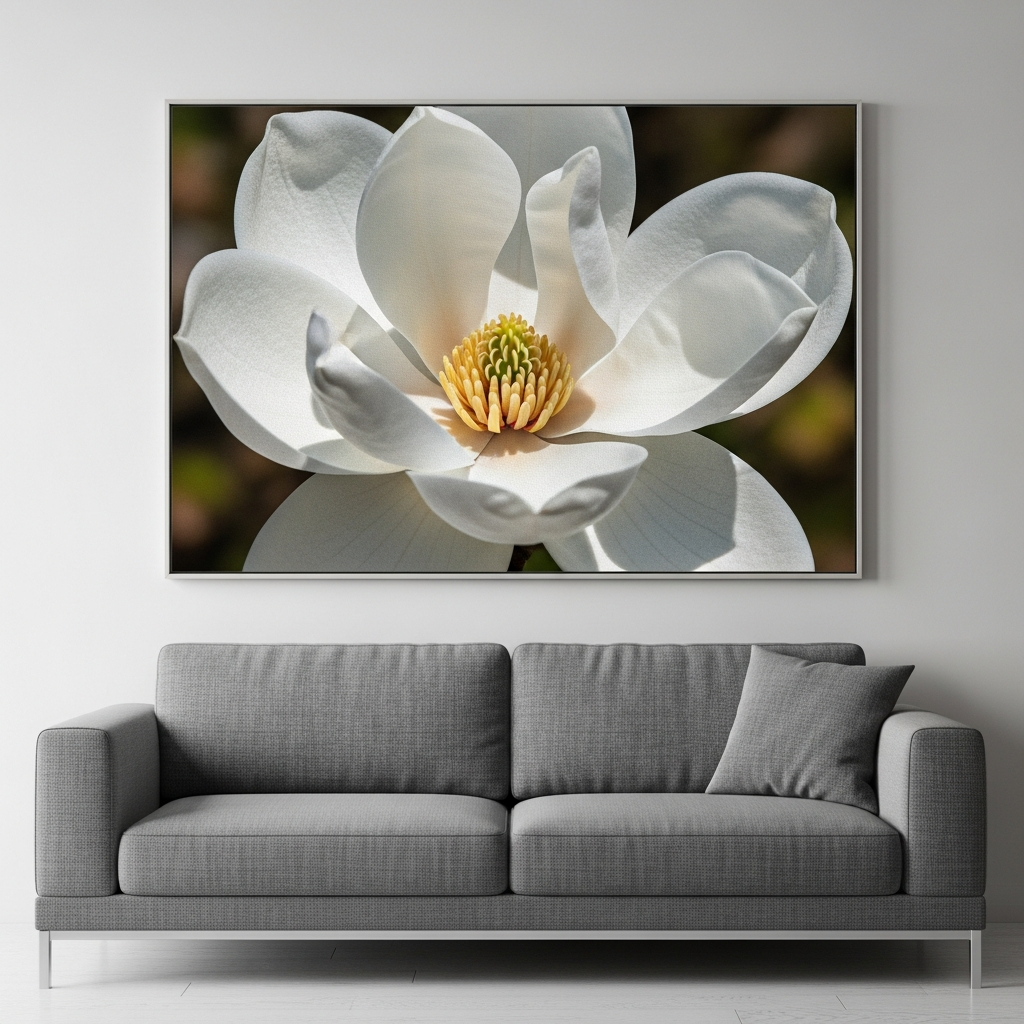
For a dramatic focal point, consider an oversized canvas featuring high-definition floral illustrations. Large-scale imagery of peonies or magnolias can transform a master bedroom into a tranquil garden retreat. The absence of a glass frame reduces glare, allowing the vibrant colors and soft textures of the botanical art to take center stage.
3. Symmetrical Herbarium Gallery Wall
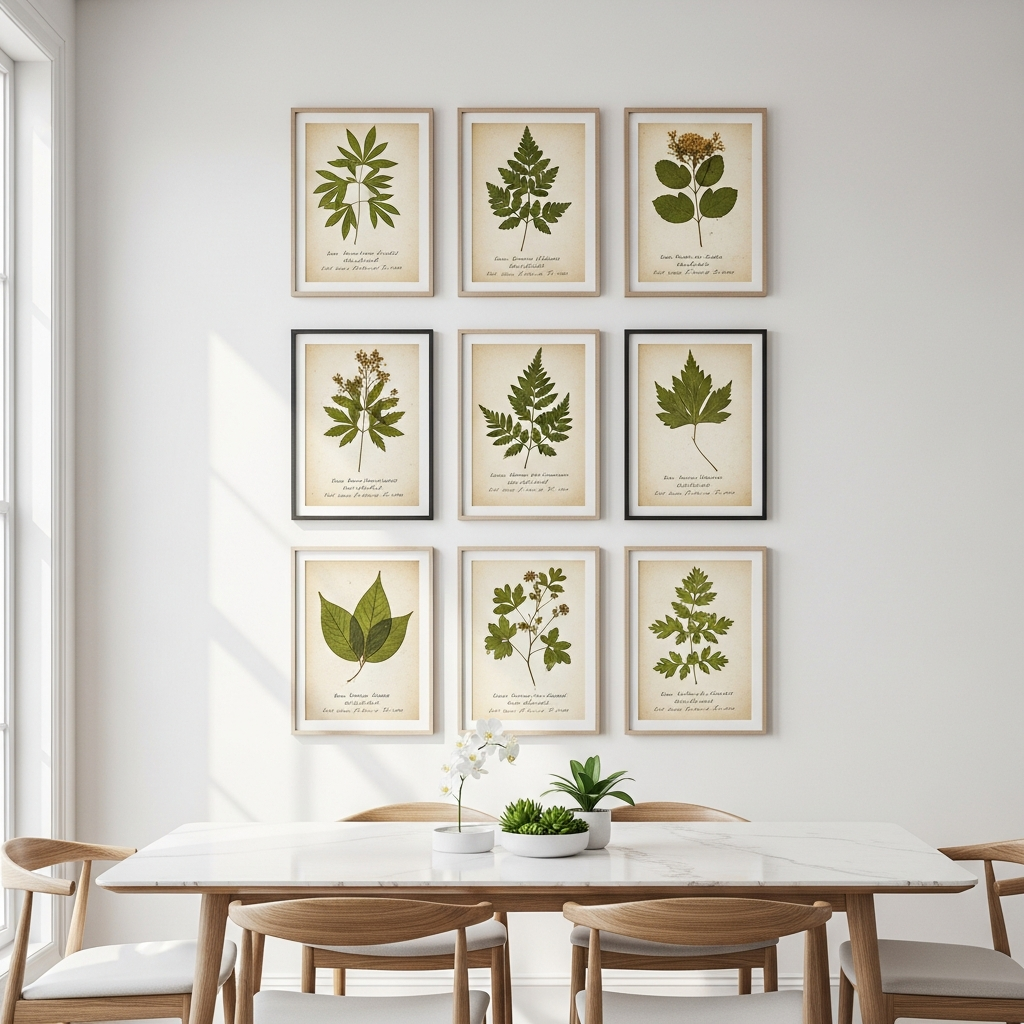
A gallery wall featuring a symmetrical grid of herbarium sheets creates a sense of order and botanical sophistication. By choosing a uniform set of frames, you can display a variety of medicinal plants or common herbs. This arrangement works exceptionally well in dining areas, offering guests a detailed look at the beauty of the natural world.
4. Botanical Wall Scrolls with Wooden Hangers
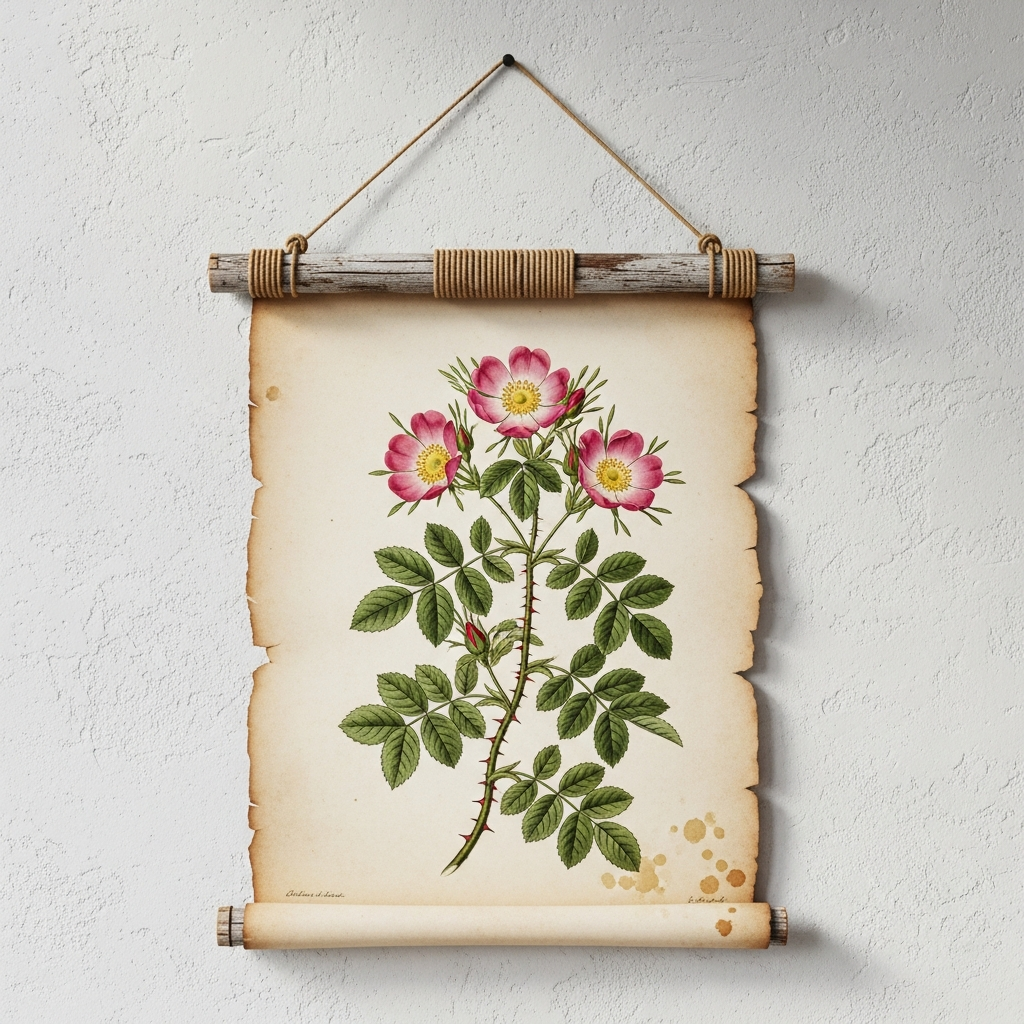
Wall scrolls offer a more relaxed and rustic alternative to traditional framing. Printed on high-quality fabric or textured paper, these scrolls utilize wooden dowels and twine for a minimalist hanging solution. They are perfect for introducing height and movement to a room while maintaining a natural, effortless vibe.
5. Floating Glass Frames with Pressed Wildflowers
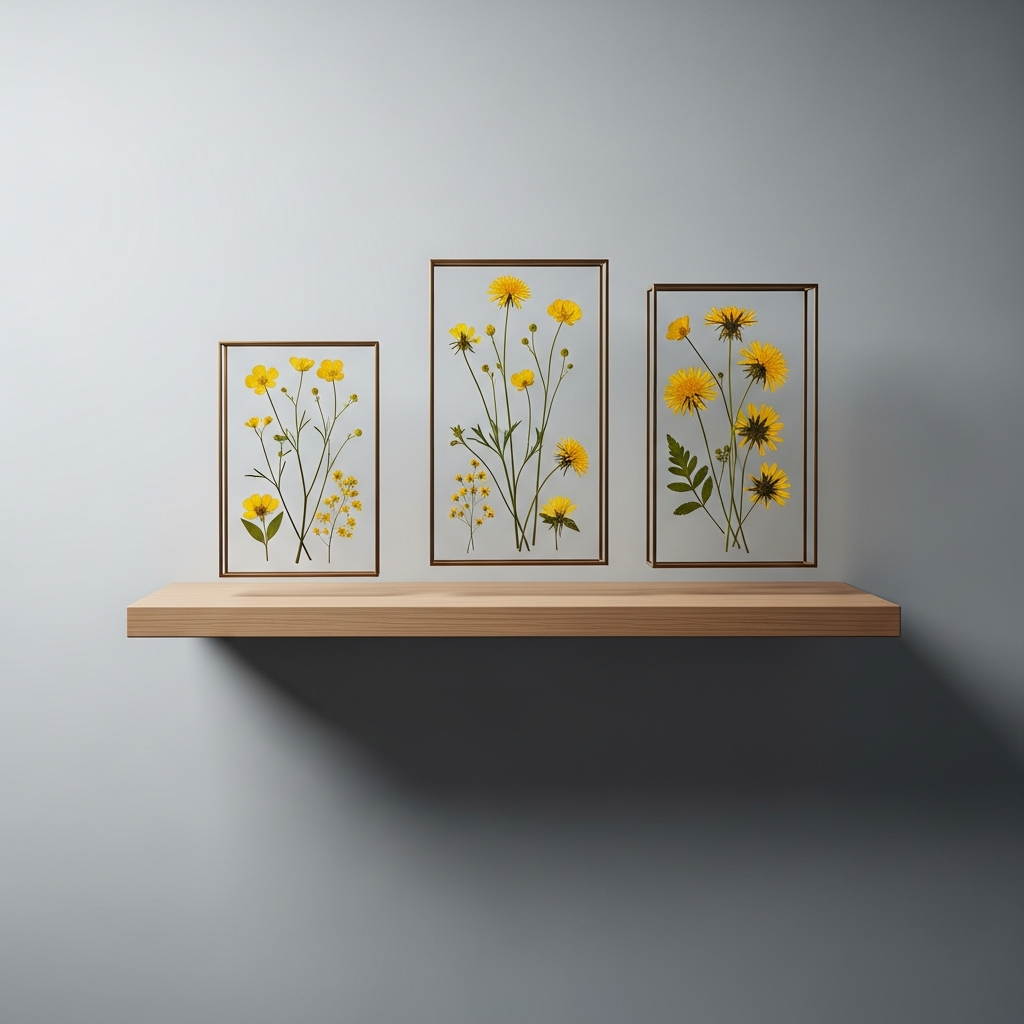
Floating frames create a unique visual effect where the botanical print appears to be suspended in mid-air. Placing pressed wildflowers between two panes of glass allows the wall color behind the frame to become part of the art. This style is particularly effective for small, delicate specimens that benefit from a clean, modern presentation.
6. Abstract Watercolor Leaf Prints
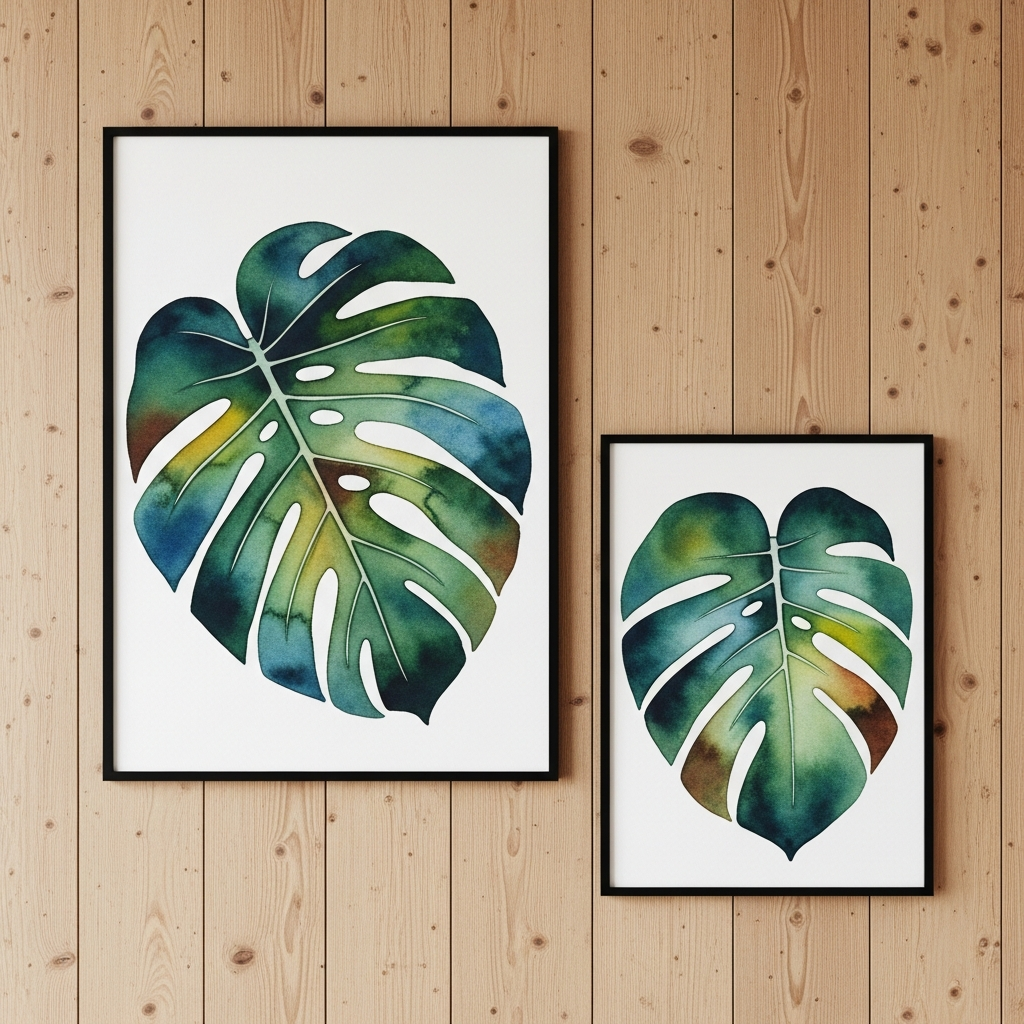
If you prefer a contemporary aesthetic, abstract watercolor prints of tropical leaves or local foliage offer a soft, artistic touch. The fluid nature of watercolor reflects the organic growth of plants. These prints often feature a variety of green hues, from deep forest to bright lime, making it easy to coordinate with existing decor.
7. Black and White Botanical Photography
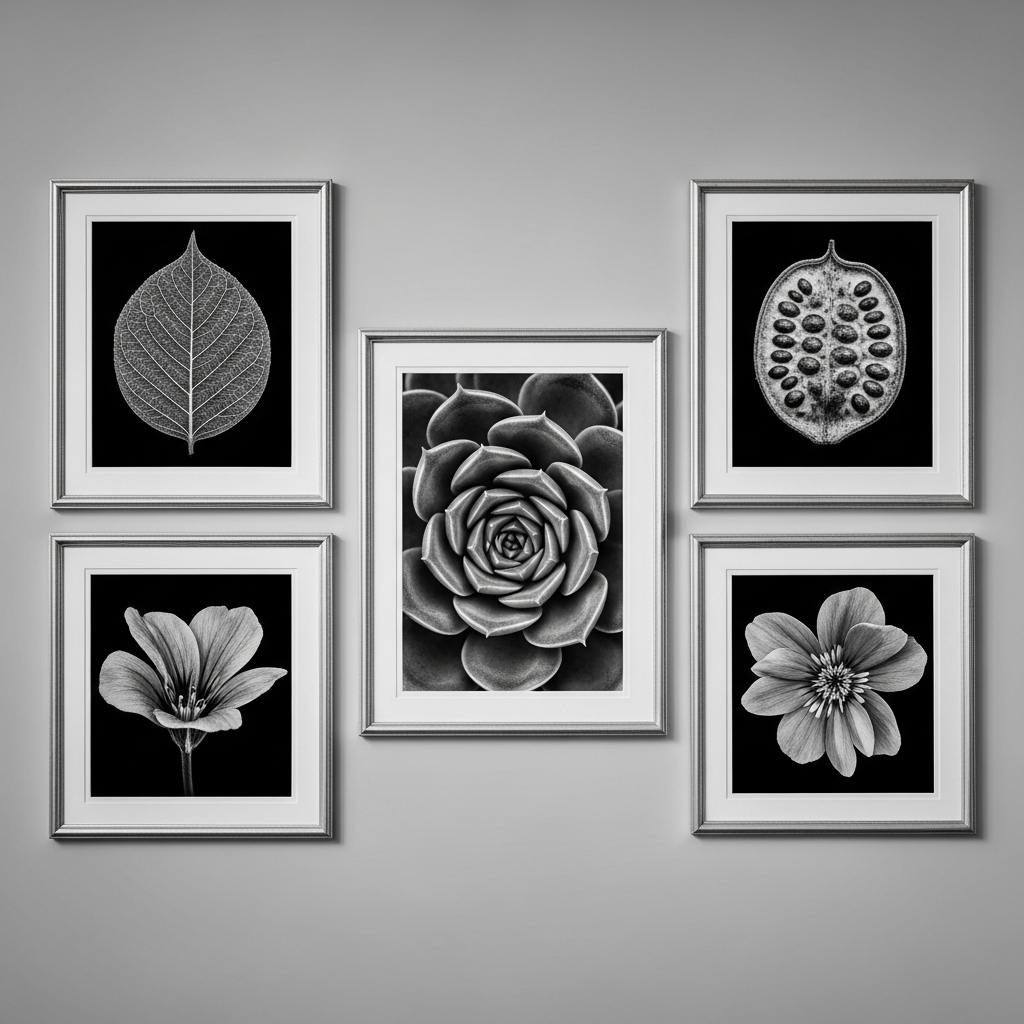
Black and white photography strips away the distraction of color to focus on the intricate architecture of plants. Close-up shots of leaf veins, seed pods, or flower petals add a sophisticated and modern edge to spring decor. This monochromatic approach is perfect for minimalist interiors that value texture and form.
8. Shadow Box Moss and Wood Displays
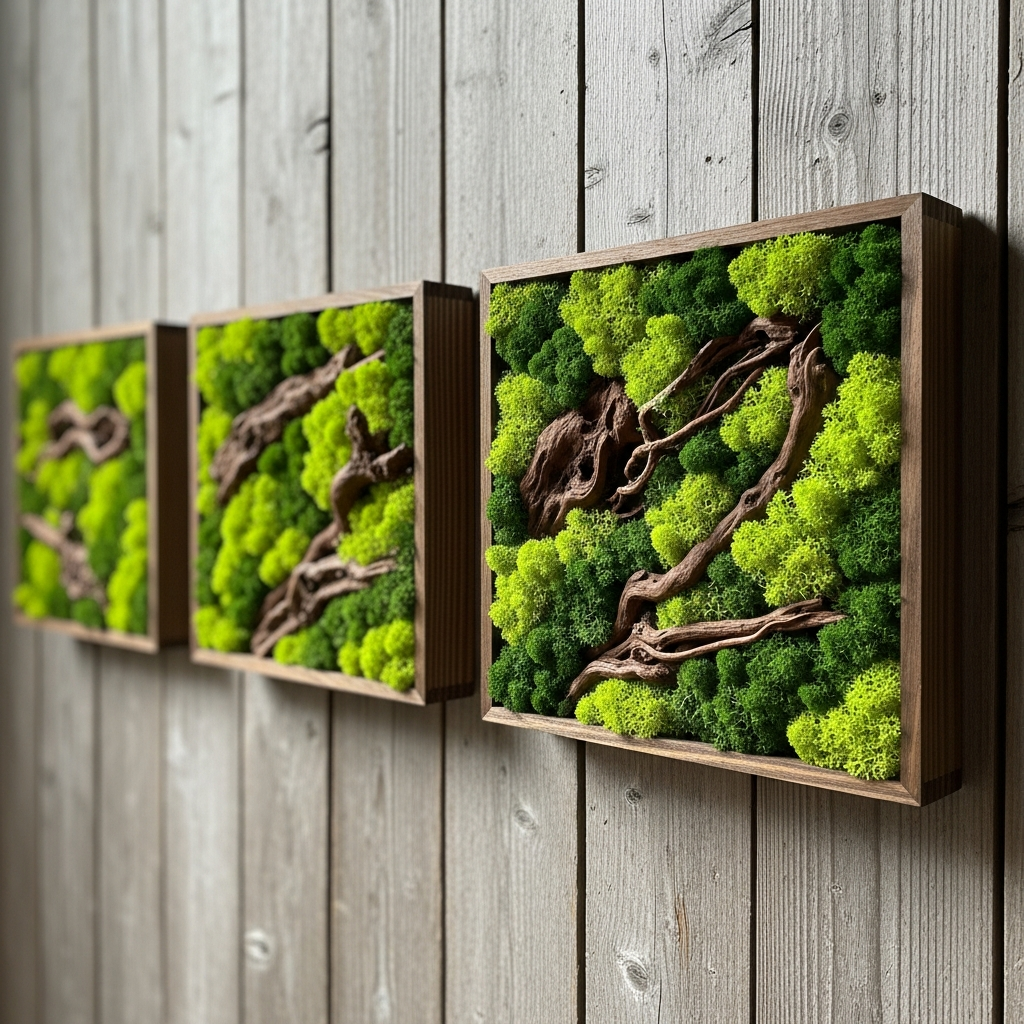
Moving beyond flat prints, shadow boxes containing preserved moss and driftwood add a three-dimensional element to your walls. These living-style art pieces require no maintenance but provide the lush texture and deep greens of a forest floor. They serve as a tactile reminder of nature’s complexity and beauty.
9. Blueprint Style Botanical Charts
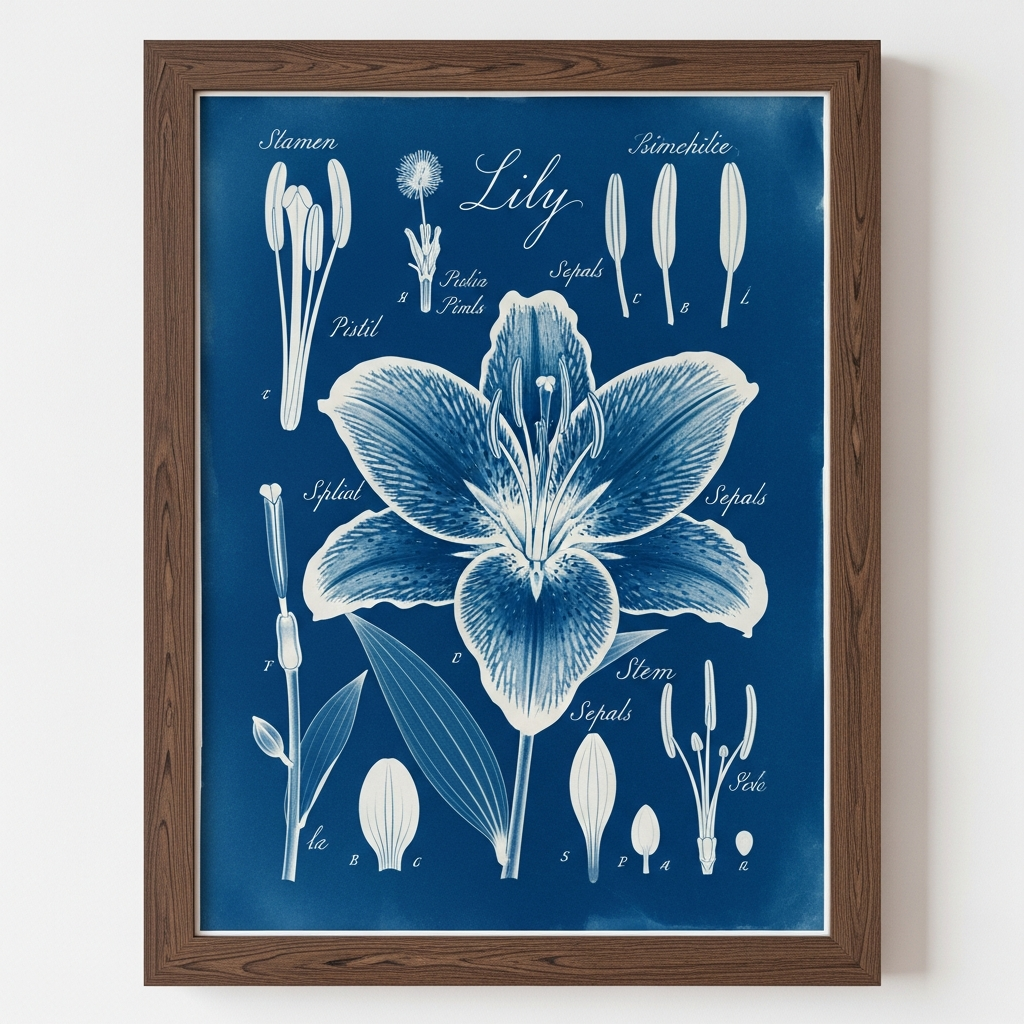
Cyanotype or blueprint-style botanical prints offer a deep blue palette that contrasts beautifully with natural wood furniture. These scientific-looking charts provide an educational and vintage atmosphere. They are particularly striking when used in home offices or libraries, where they evoke a sense of curiosity and exploration.
10. Woven Rattan Frames with Eucalyptus Prints
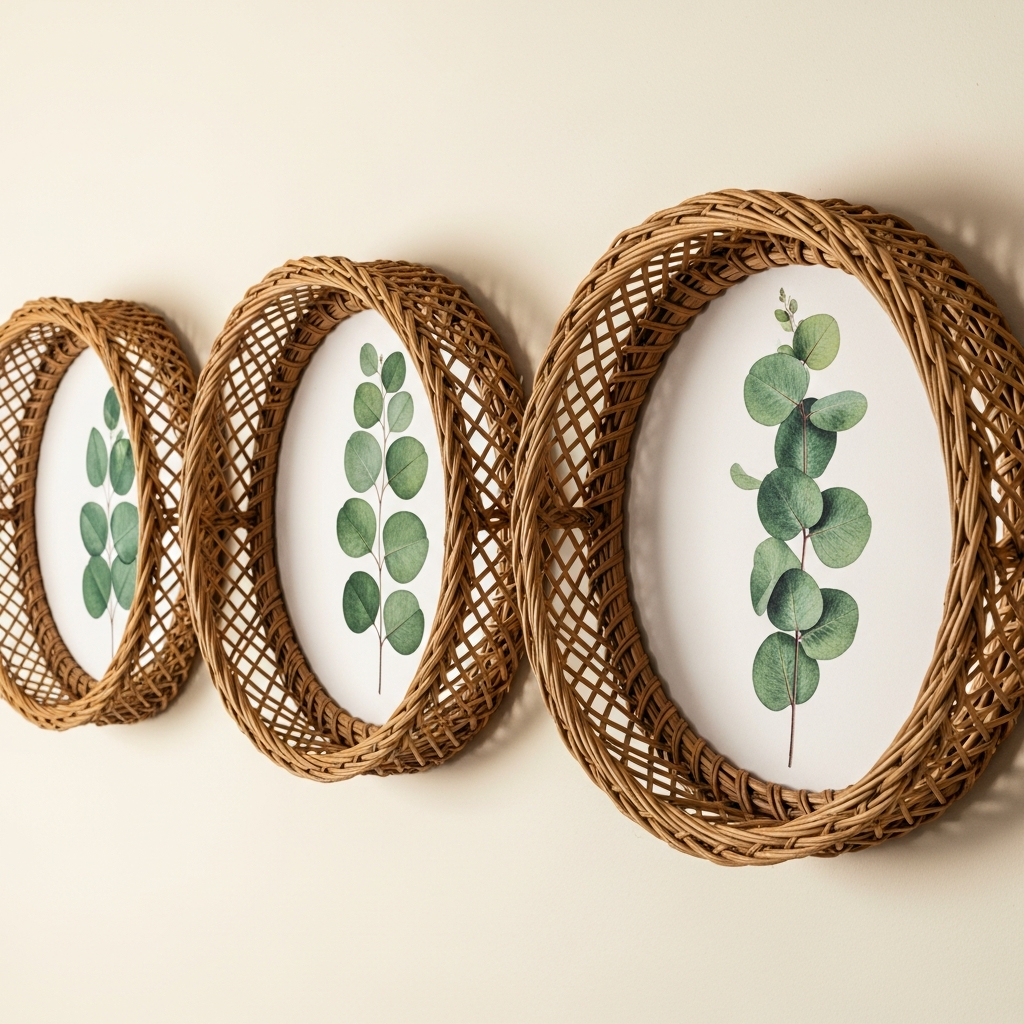
Combine texture and imagery by placing eucalyptus prints inside woven rattan frames. The warm tones of the rattan complement the silvery-green leaves of the eucalyptus, creating a coastal or bohemian feel. This combination is excellent for creating a relaxed, airy atmosphere in a living room or sunroom.
11. Minimalist Line Art Florals
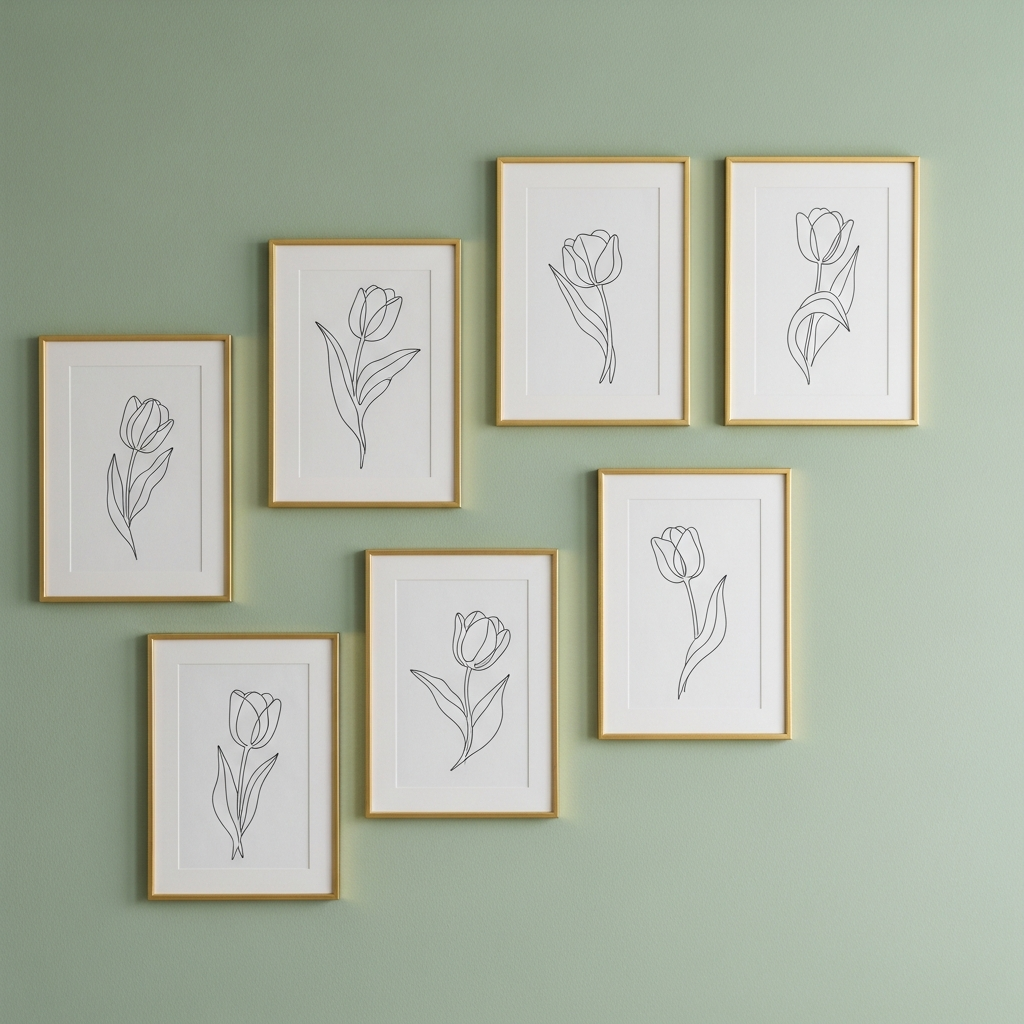
Line art is a subtle way to incorporate botanical themes without overwhelming a space. Simple, continuous-line drawings of flowers or branches provide an elegant and clean look. When printed on high-quality cardstock and framed in thin metal, these pieces offer a refined nod to nature that suits any modern home.
12. Triptych of Forest Landscapes
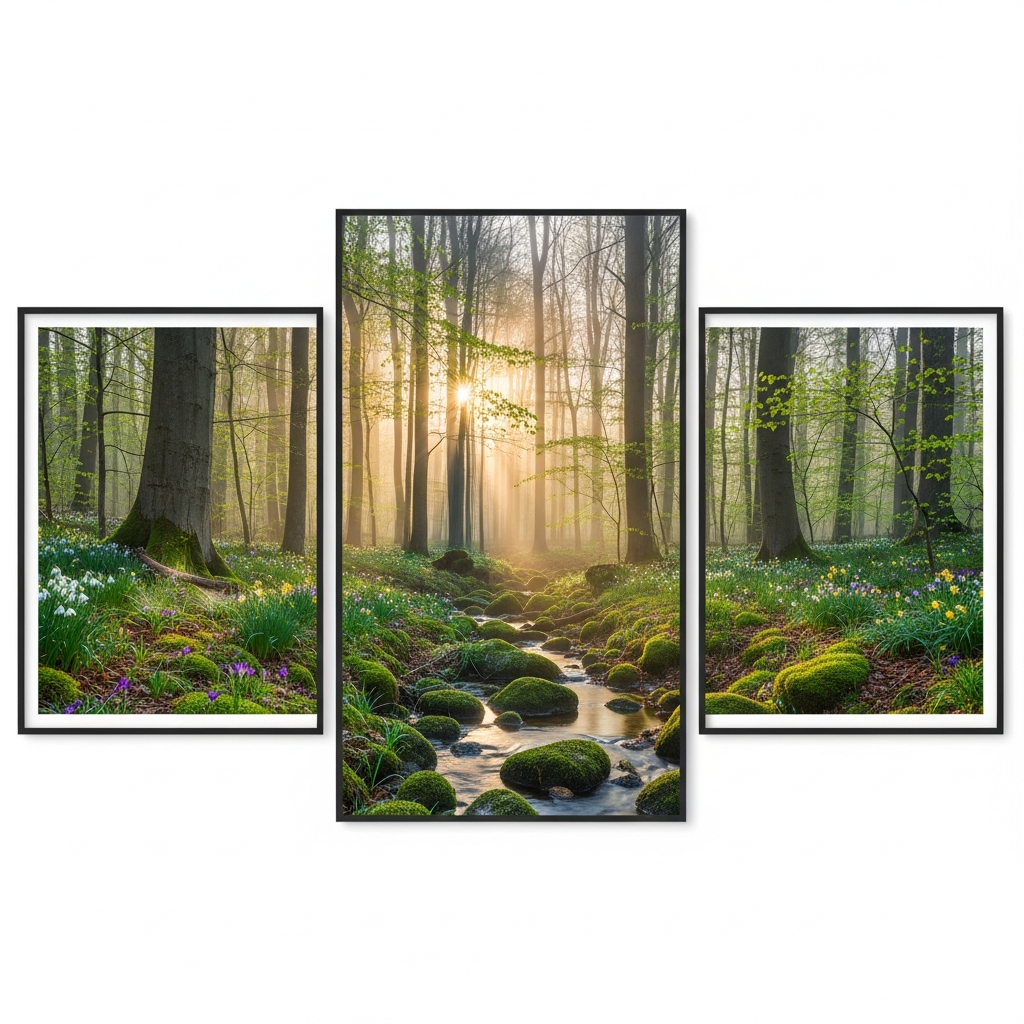
A triptych allows you to span a wide area of wall space with a single, cohesive botanical scene. A panoramic view of a budding spring forest or a misty meadow divided into three panels creates a window-like effect. This technique expands the visual space of a room and provides a deep sense of immersion in nature.
13. Copper-Framed Victorian Botany Plates
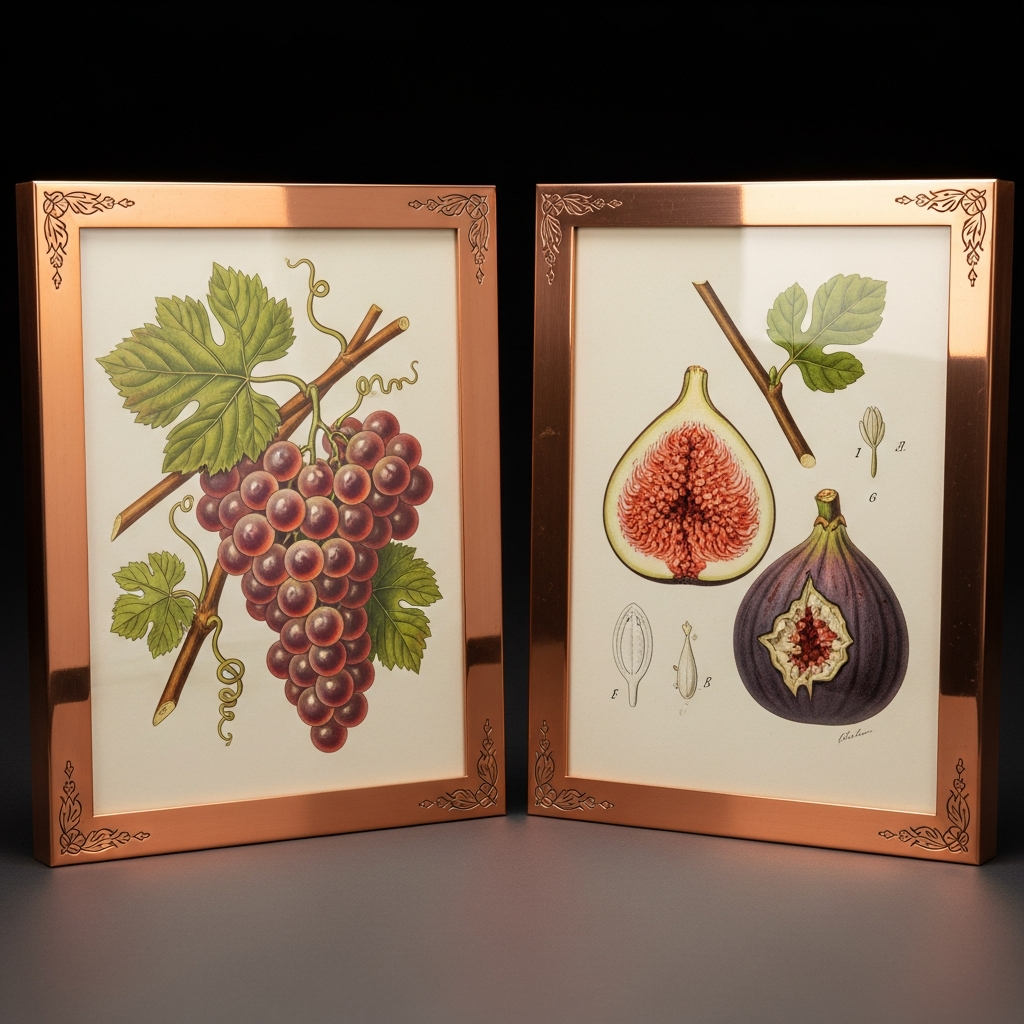
Copper frames add a touch of warmth and luxury to botanical art. Victorian-style botany plates, which often feature detailed drawings of fruits, flowers, and stems, look exceptionally sophisticated when paired with metallic accents. This style bridges the gap between traditional antique collecting and modern interior design.
14. Mixed Media Nature Collage
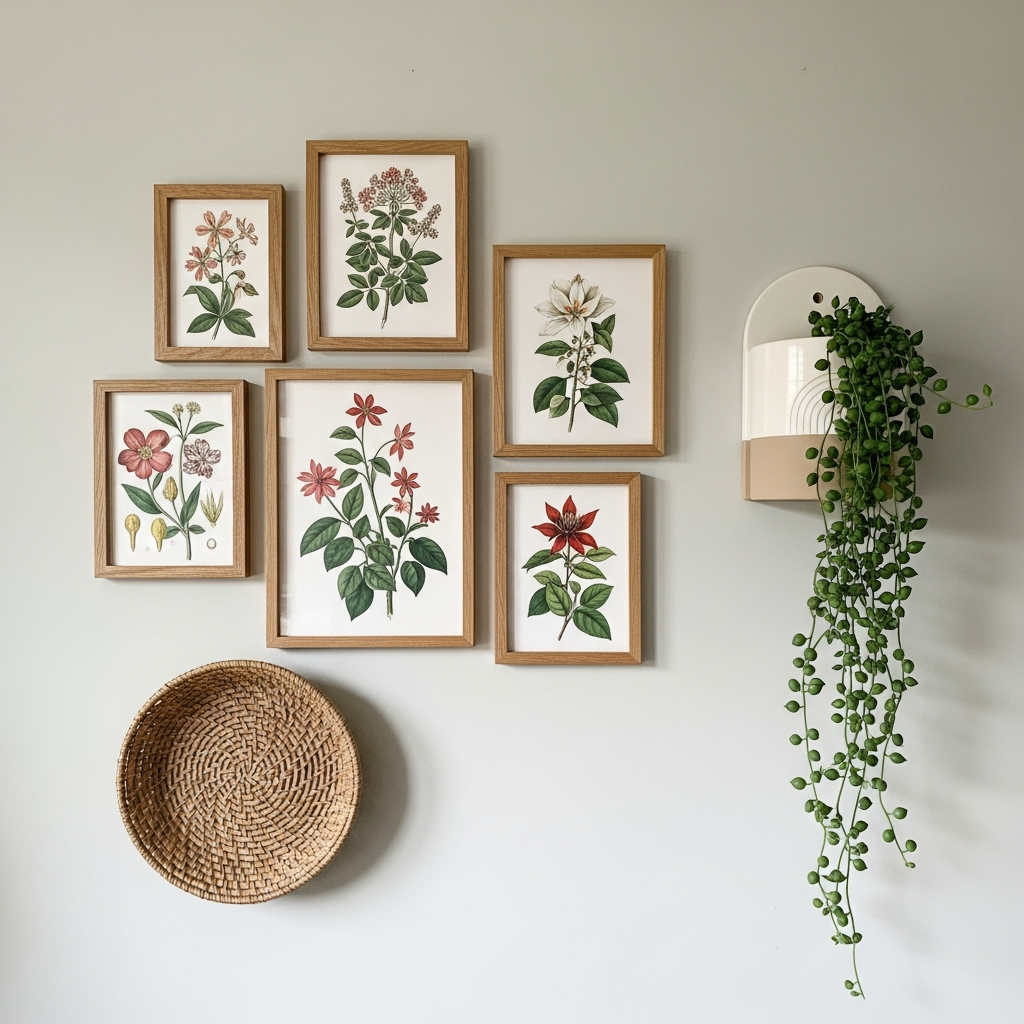
Create a personalized wall display by mixing botanical prints with other natural elements like small woven baskets, wooden carvings, or ceramic wall planters. This mixed media approach adds depth and personality to your decor. By layering different textures and materials, you can create a unique installation that celebrates the diversity of the natural world.
Conclusion
Transforming your home for spring is a rewarding process that celebrates the return of vitality to the landscape. By selecting botanical prints and natural wall decor that resonate with your personal style, you can create a sanctuary that feels both refreshed and grounded. Whether you choose the precision of herbarium sheets or the softness of watercolor, these ideas provide a path to a more harmonious and nature-inspired interior.