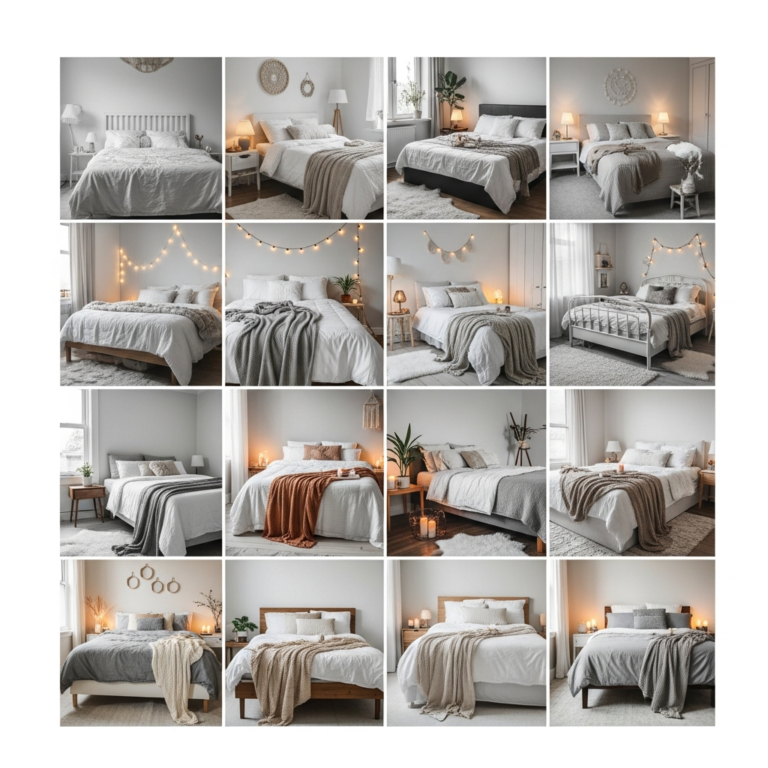
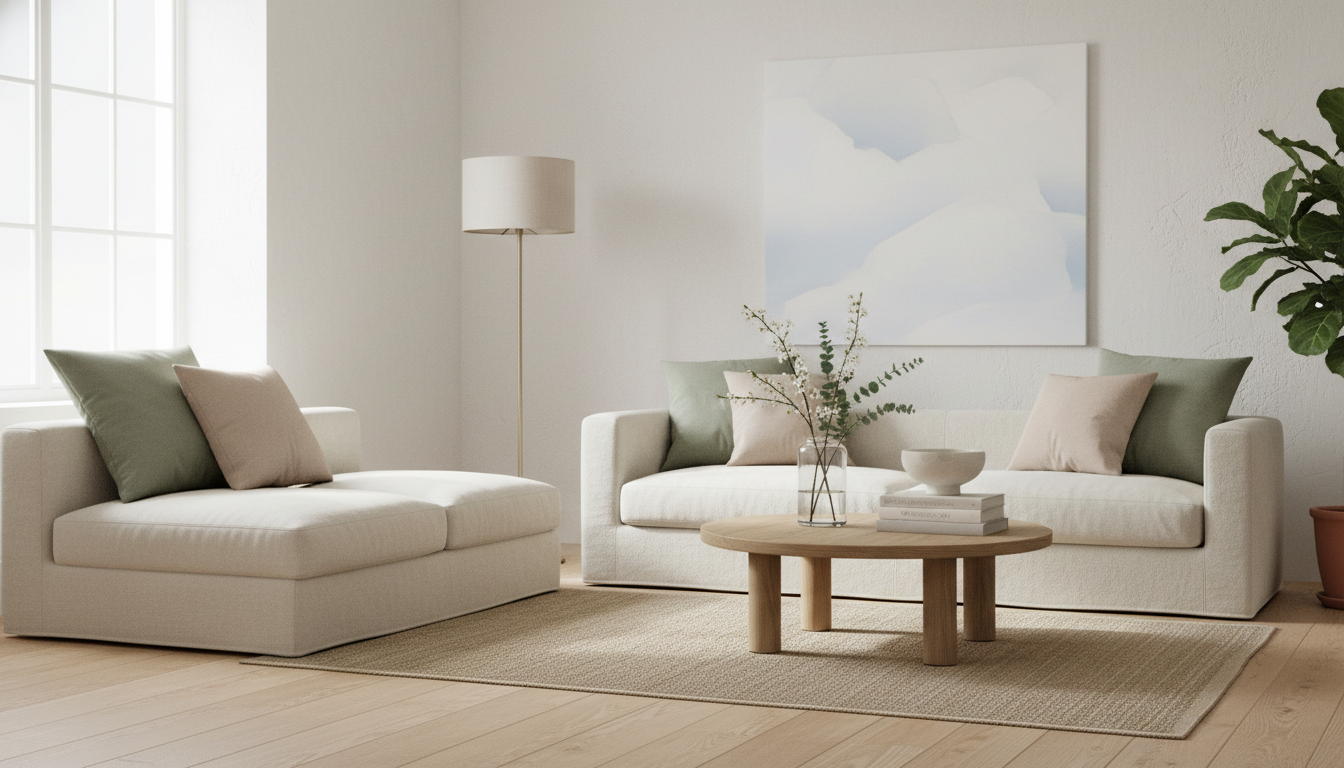
12 Minimalist Spring Home Styling Ideas for a Light and Airy Look
As the seasons transition, homeowners often seek ways to refresh their living spaces to reflect the renewal and brightness of spring. Adopting a minimalist approach allows for a breathable, organized, and serene environment that prioritizes quality over quantity. This guide explores twelve effective strategies to achieve a light and airy aesthetic, ensuring your home feels rejuvenated and sophisticated for the warmer months ahead.
1. Declutter and Simplify Surfaces
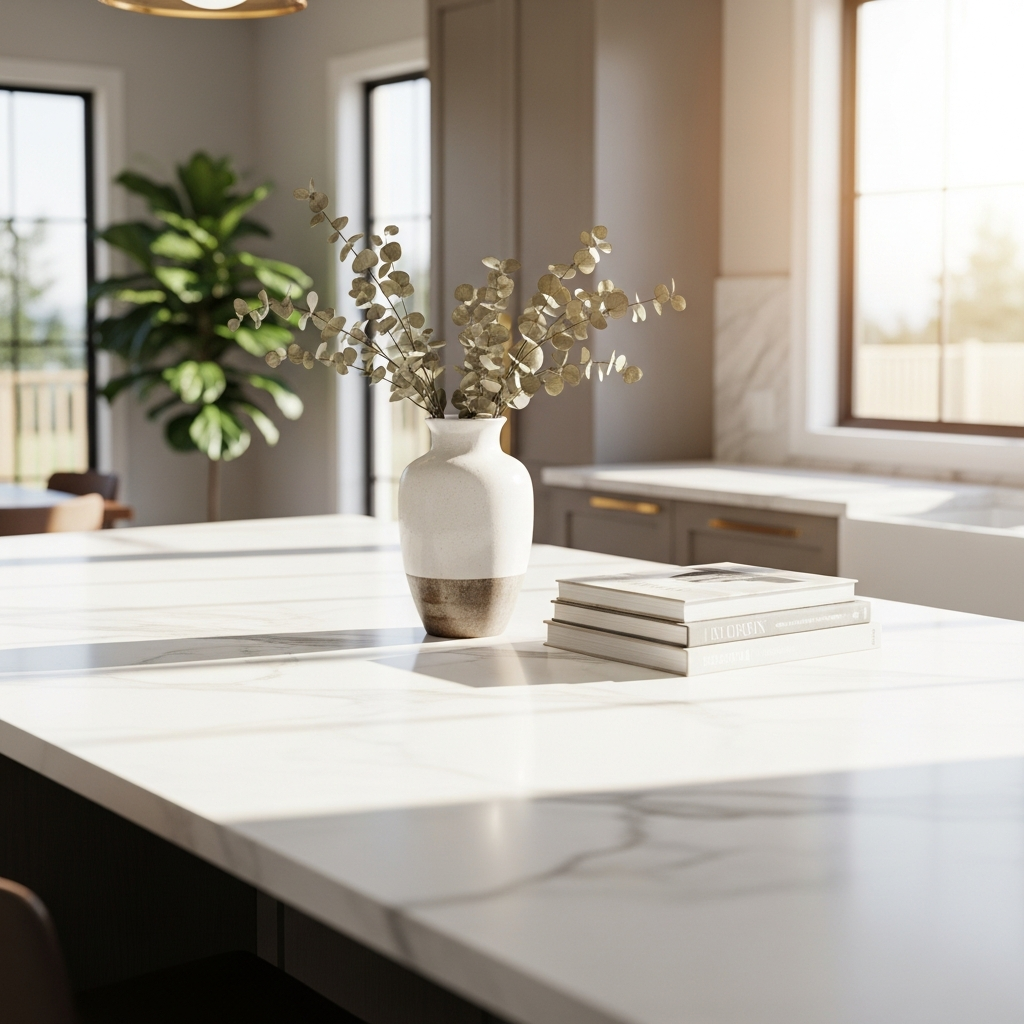
The foundation of any minimalist transformation begins with decluttering. Start by removing unnecessary items from coffee tables, mantels, and kitchen countertops. Minimalism relies on the principle that less is more, and by clearing away winter accessories, you create a sense of visual calm. This process allows the architectural features of your home to take center stage, fostering an environment that feels spacious and intentional.
2. Swap Heavy Textiles for Linen
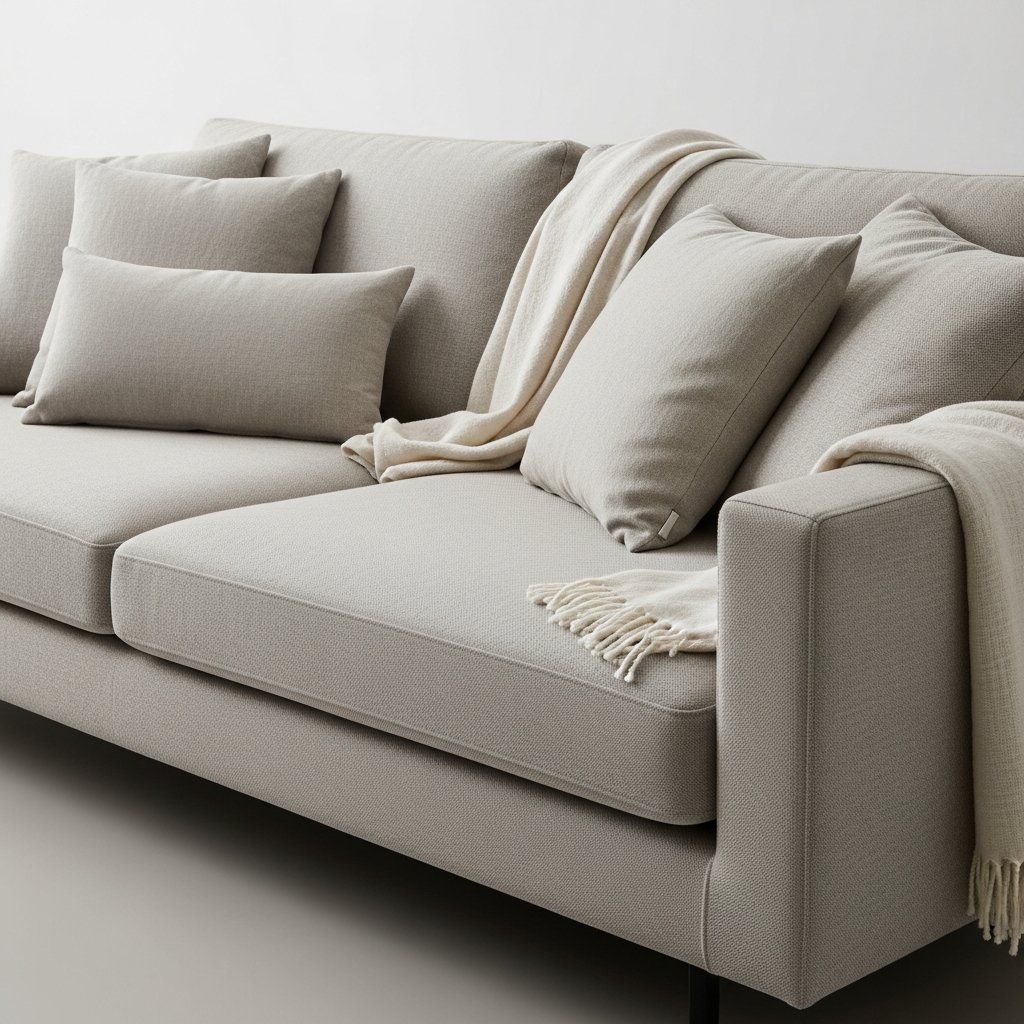
Replace heavy wool blankets and velvet cushions with lighter fabrics like linen and cotton. These breathable materials are quintessential for spring styling as they allow for better air circulation and provide a softer visual texture. Opt for neutral tones like beige, ivory, or soft grey to enhance the feeling of lightness. Linen’s natural wrinkles add a touch of effortless elegance without overwhelming the room.
3. Incorporate Fresh Seasonal Greenery
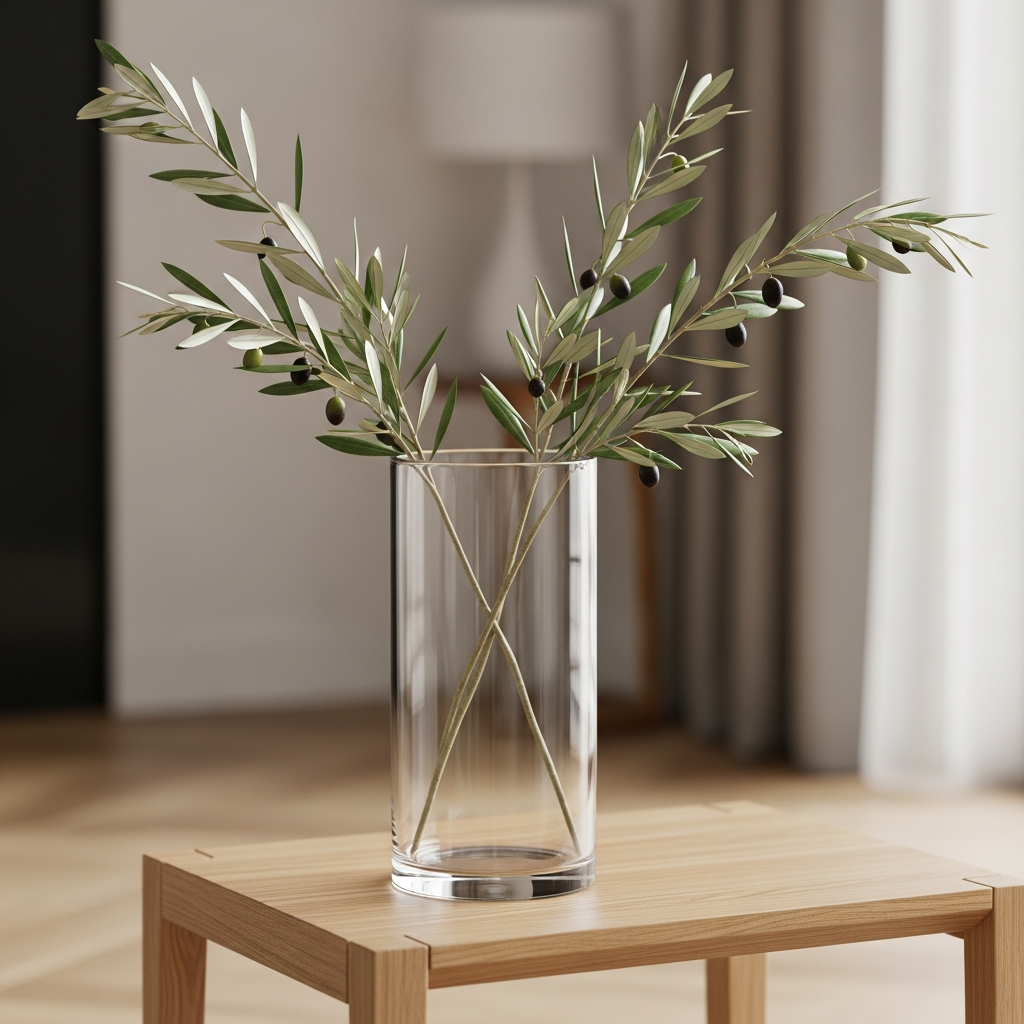
Bringing nature indoors is a hallmark of spring decor. Instead of complex floral arrangements, choose simple branches or single stems in clear glass vases. Eucalyptus, olive branches, or pussy willows offer a touch of organic life while maintaining a clean aesthetic. Greenery acts as a natural air purifier and provides a subtle pop of color that contrasts beautifully against a minimalist white backdrop.
4. Utilize a Neutral Color Palette
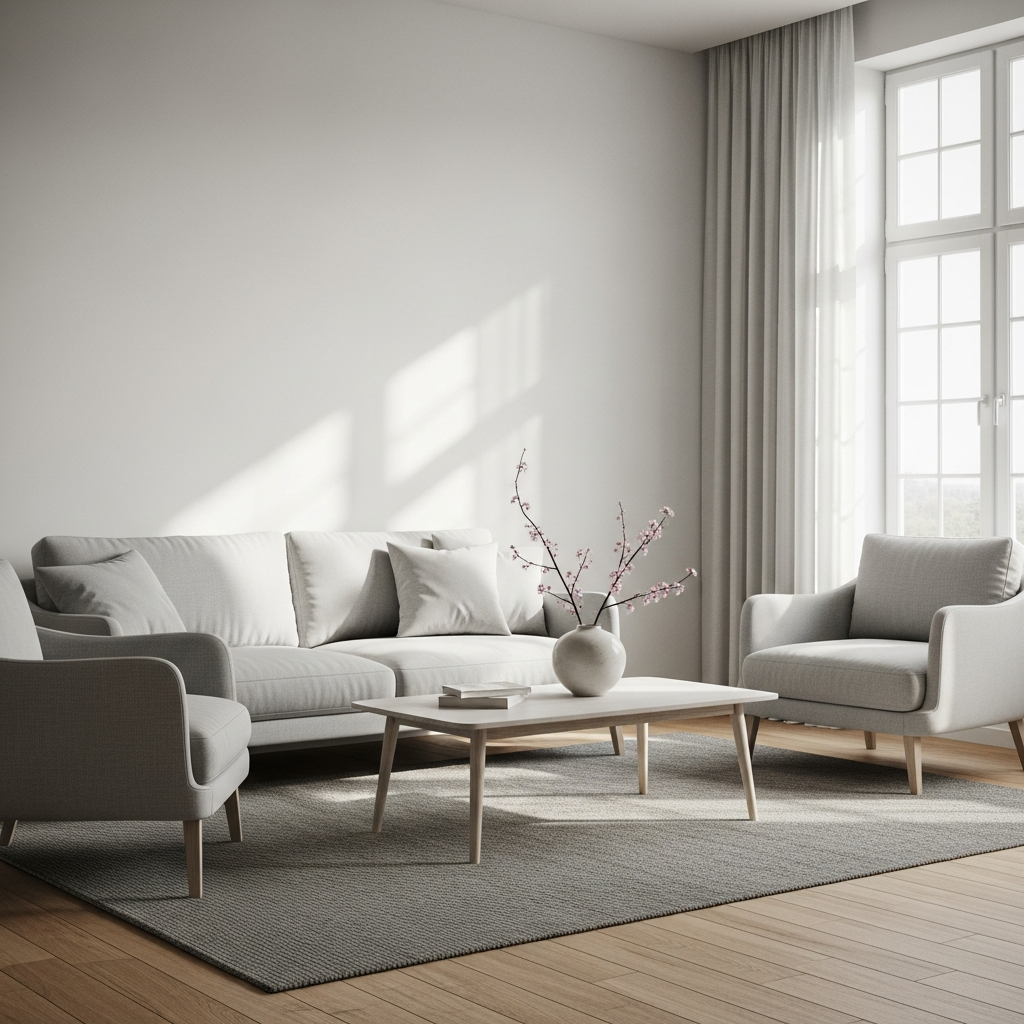
A light and airy look is best achieved through a cohesive palette of whites, creams, and pale earth tones. These colors reflect natural light, making even small rooms feel significantly larger. If you wish to introduce color, stick to desaturated pastels such as sage green or dusty blue. A monochromatic or near-neutral scheme creates a seamless flow throughout the home, promoting a sense of tranquility.
5. Maximize Natural Light
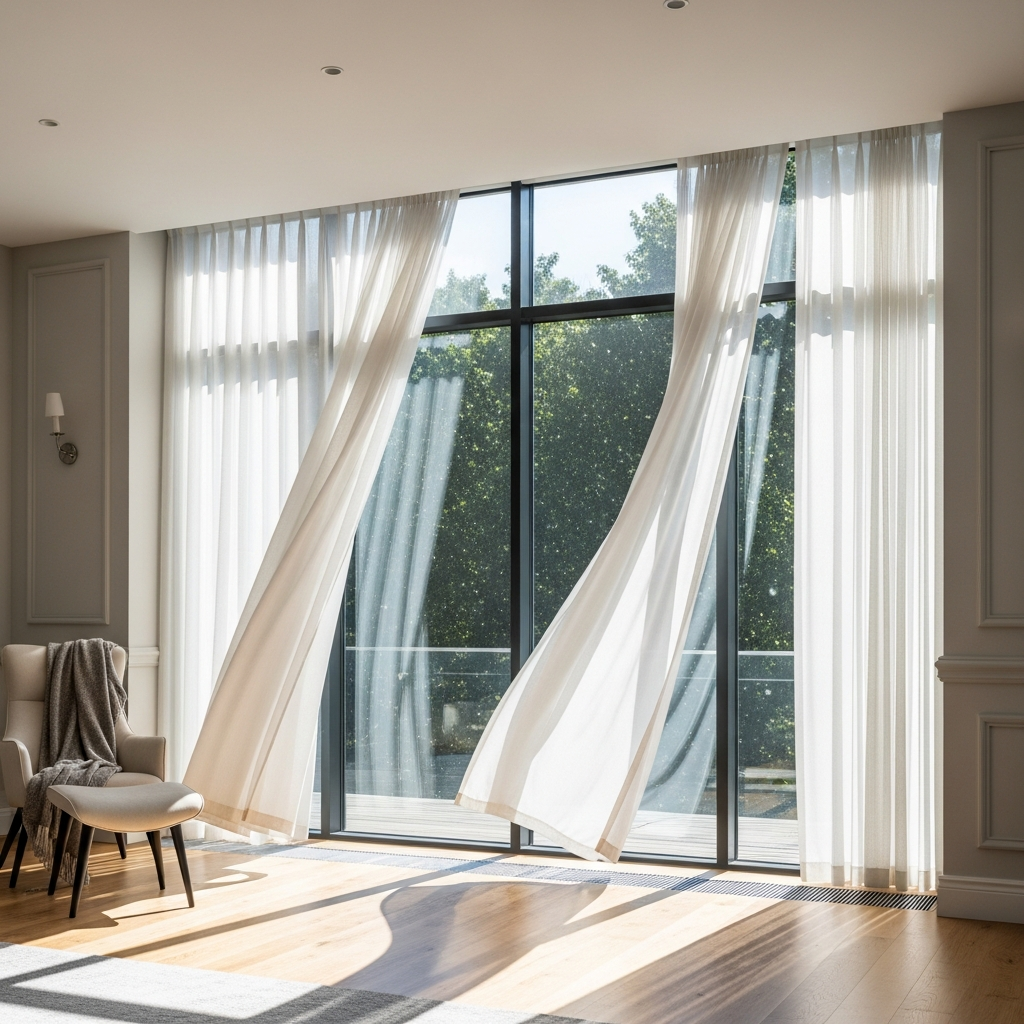
Spring is the ideal time to let the sun illuminate your interiors. Remove heavy drapes and replace them with sheer curtains that offer privacy while allowing sunlight to filter through. Ensure that windows are clean and unobstructed by large furniture pieces. Maximizing natural light not only enhances the mood of the inhabitants but also highlights the subtle details of your minimalist styling.
6. Add Subtle Floral Accents
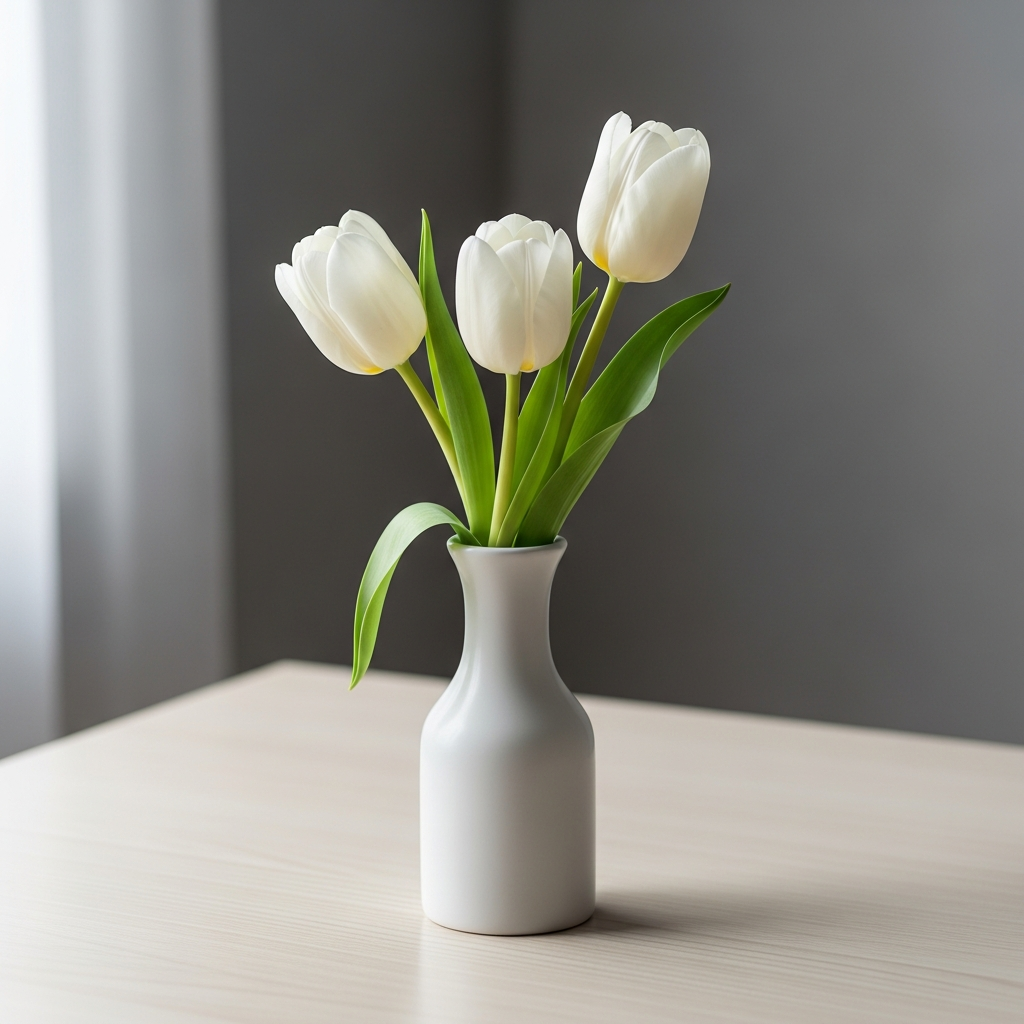
While minimalism avoids excess, a few well-placed floral accents can evoke the essence of the season. Select flowers with simple shapes, such as tulips, lilies, or cherry blossoms, and arrange them sparingly. Use ceramic or glass vessels with clean, geometric lines. These small touches of life provide a seasonal focal point that feels fresh and curated rather than cluttered.
7. Invest in Transparent Decor
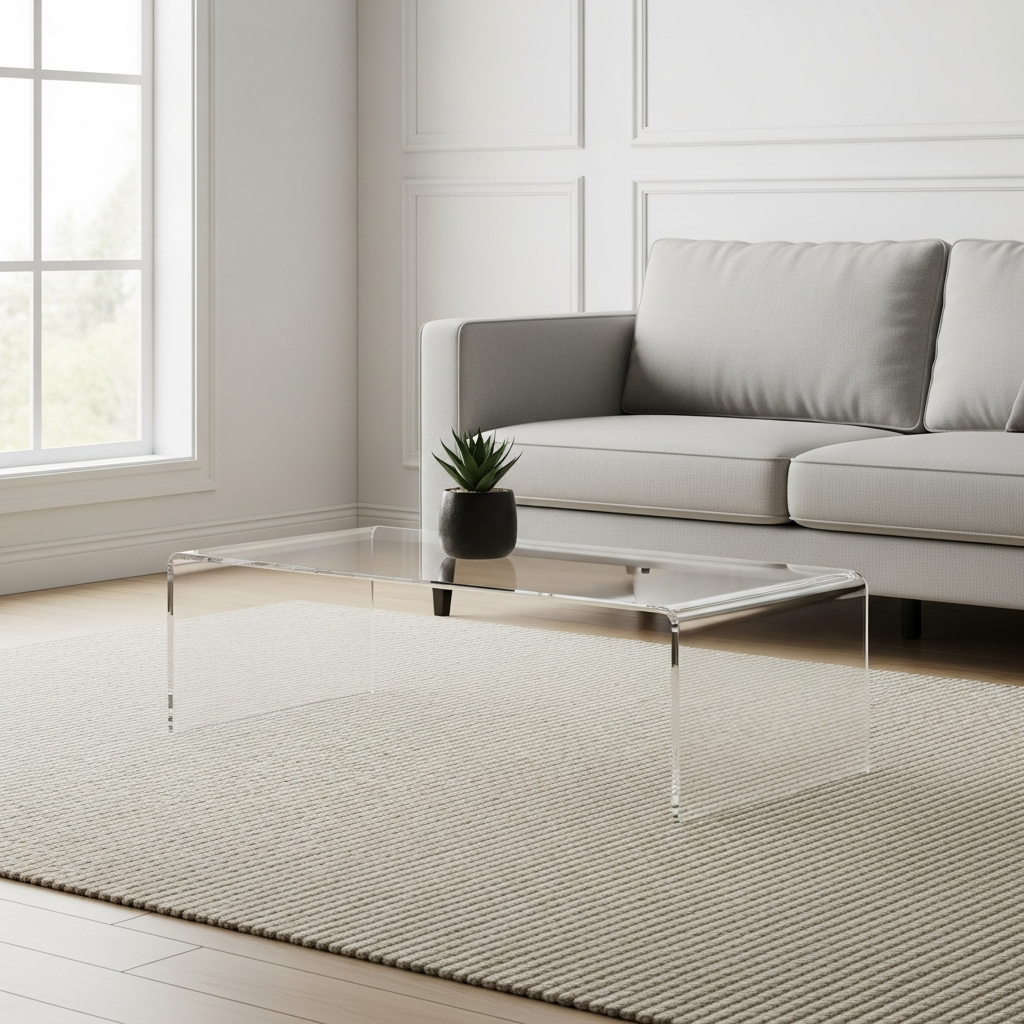
To maintain an airy feel, incorporate furniture and decorative items made from transparent materials like acrylic or glass. Ghost chairs, glass coffee tables, and clear trays provide functionality without adding visual weight to a room. These items allow the eye to move through the space unimpeded, reinforcing the minimalist goal of openness and transparency in interior design.
8. Optimize Negative Space

One of the most important aspects of minimalist design is the strategic use of negative space. Avoid the temptation to fill every corner of a room with decor. Empty spaces provide a place for the eye to rest and emphasize the beauty of the selected furniture pieces. By being intentional with placement, you create a balanced and harmonious environment that feels expansive and peaceful.
9. Choose Natural Wood Tones
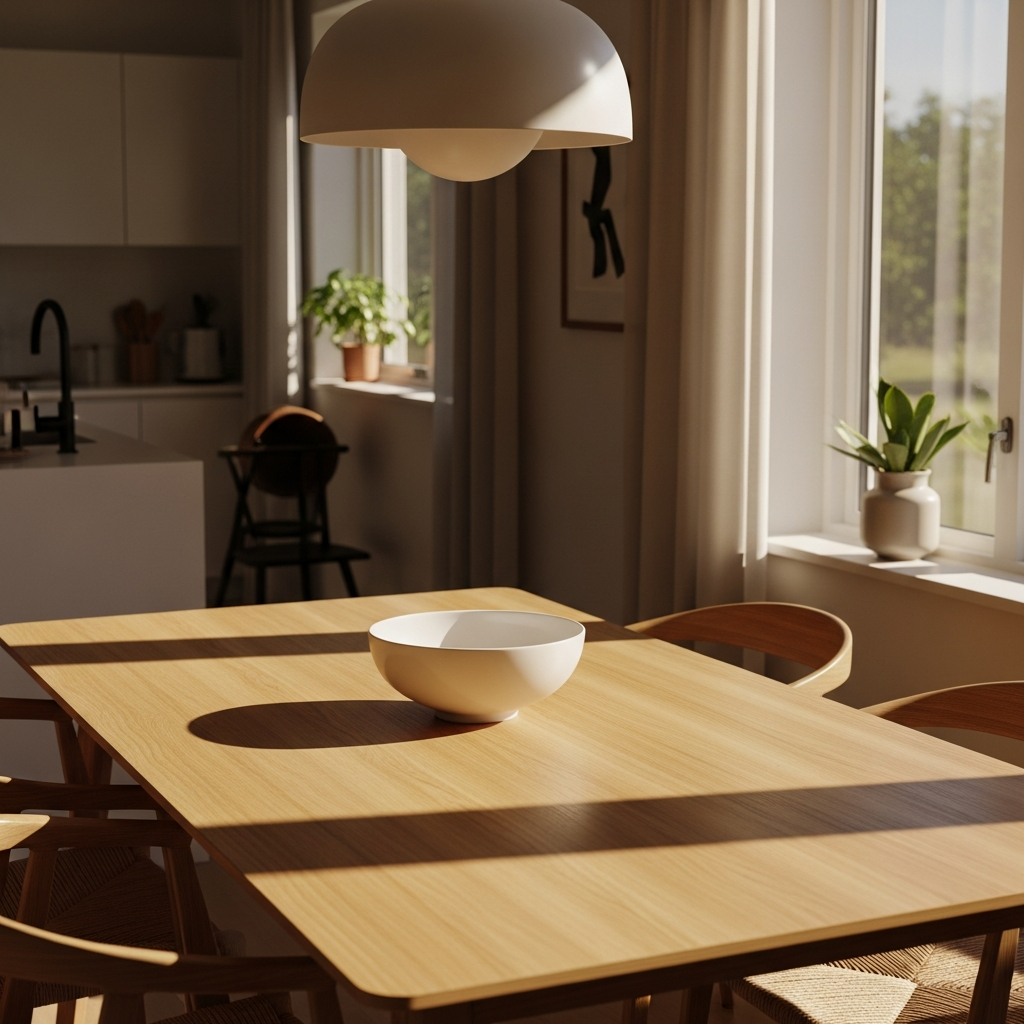
Incorporate light-colored woods such as oak, ash, or birch to add warmth to your spring styling. These natural elements prevent a minimalist space from feeling cold or clinical. The organic grain of the wood provides a subtle visual interest that replaces the need for ornate patterns. Use wooden trays, bowls, or small stools to ground the airy aesthetic with a touch of nature’s craftsmanship.
10. Update Wall Art with Soft Prints
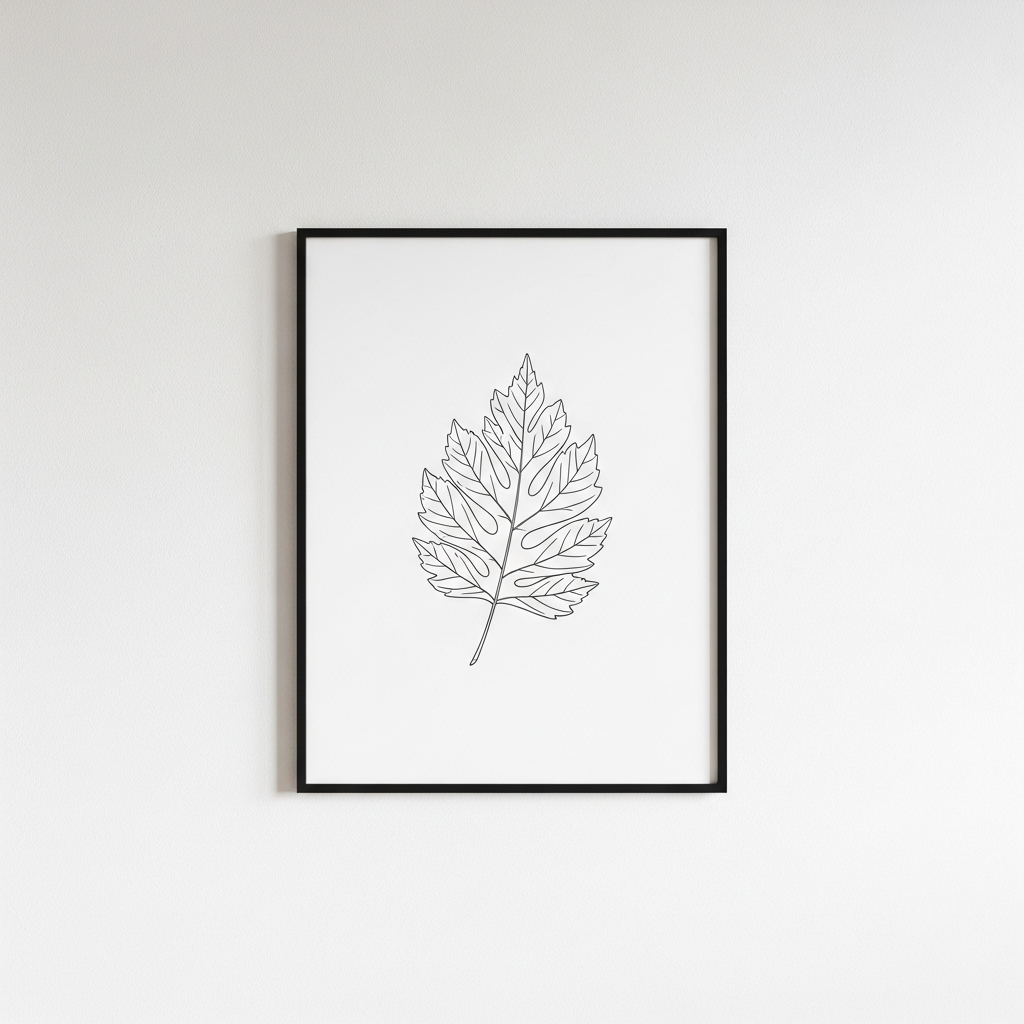
Swap out dark or heavy artwork for pieces that feature soft lines, abstract shapes, or botanical sketches. Choose frames that are thin and unobtrusive, such as light wood or slim black metal. Minimalist art should complement the room’s atmosphere rather than dominate it. By selecting art with a light color story, you maintain the continuity of the airy theme while adding a personal touch.
11. Integrate Organic Textures
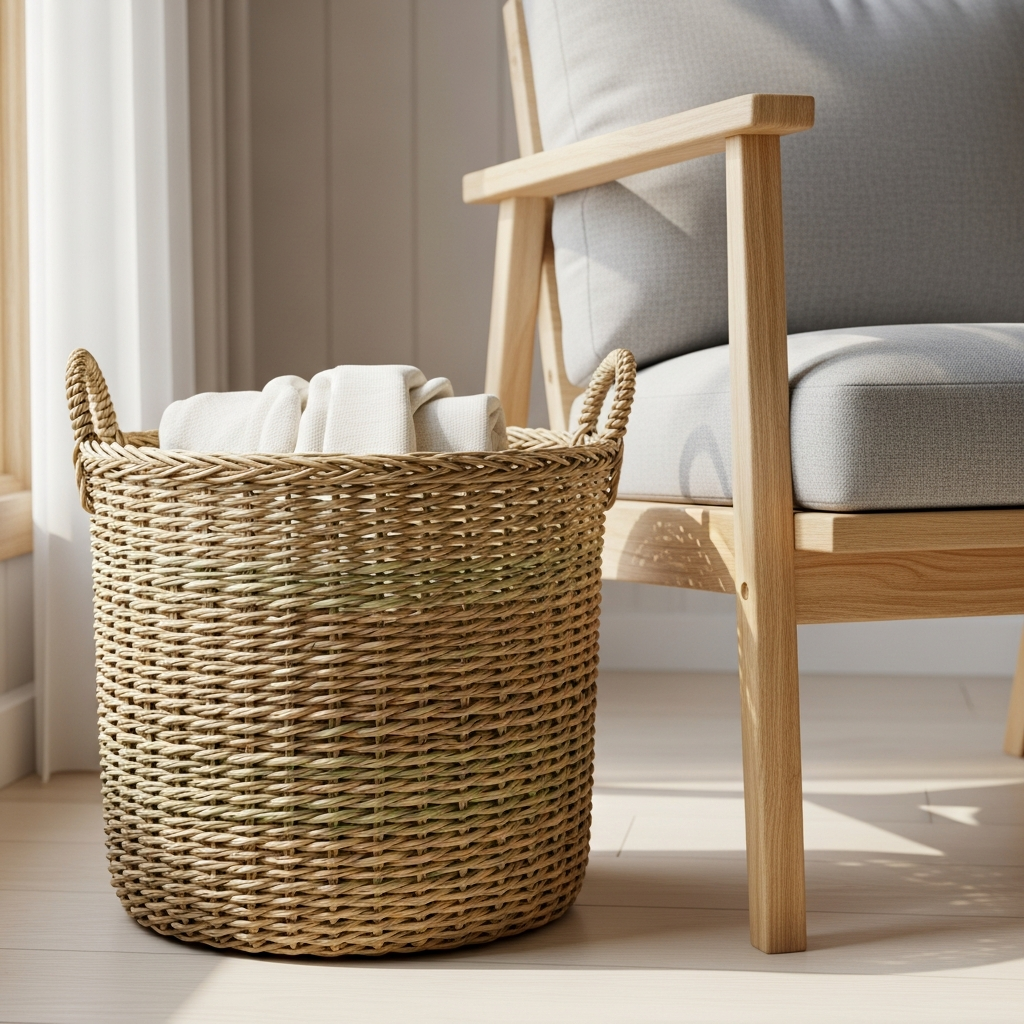
Enhance the sensory experience of your home with organic textures like jute, rattan, and seagrass. A woven jute rug or a rattan storage basket provides a tactile element that fits perfectly with a spring theme. These materials are lightweight and bring an earthy, grounded quality to a minimalist interior, successfully bridging the gap between modern design and the natural world.
12. Refresh with Light Fragrances
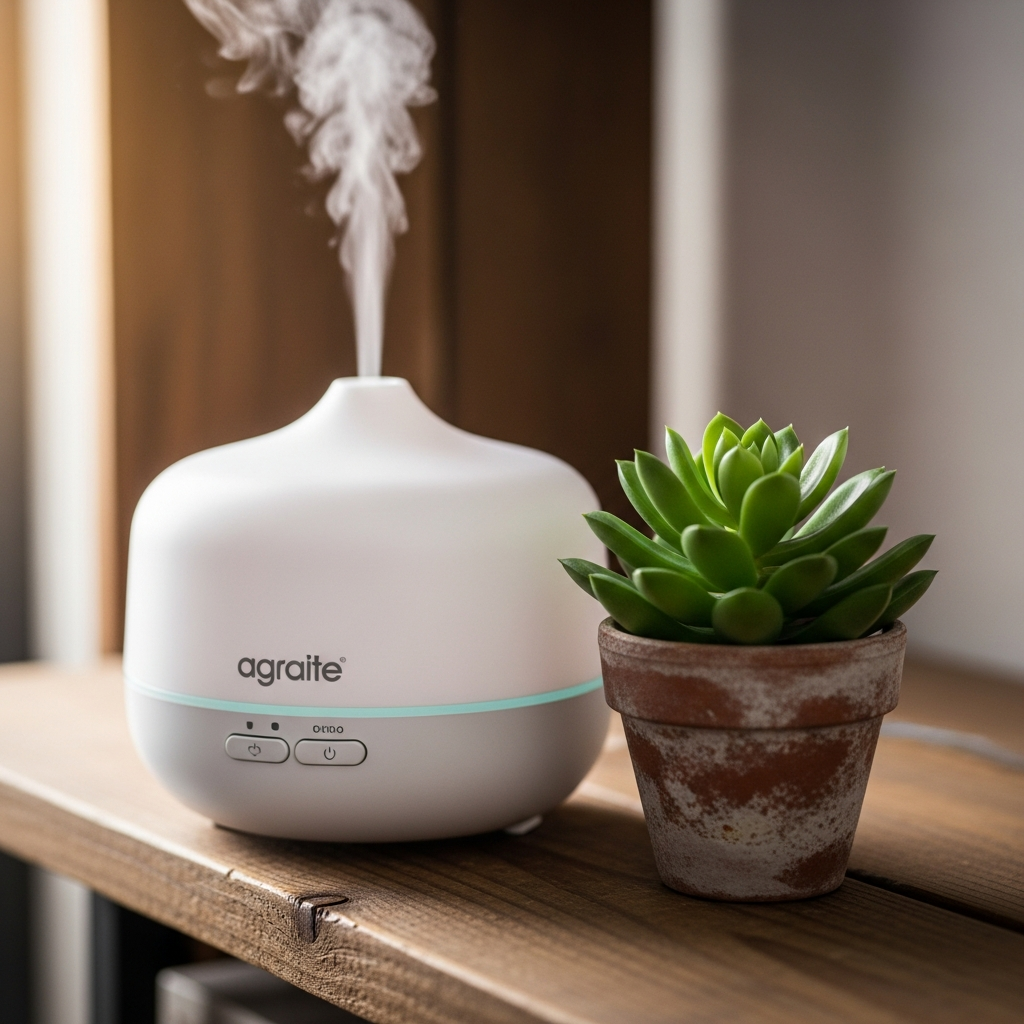
Home styling involves all the senses, including scent. Replace heavy winter fragrances like cinnamon and pine with lighter, fresher scents such as citrus, lavender, or sea salt. Use essential oil diffusers or soy candles with simple, minimalist packaging. A clean and subtle scent reinforces the feeling of a refreshed and airy home, completing your minimalist spring transformation.
Conclusion
Transforming your home for the spring season does not require a complete overhaul. By focusing on these twelve minimalist ideas, you can create a sanctuary that feels light, airy, and rejuvenated. The key is to prioritize simplicity, maximize natural light, and incorporate organic elements. These small but intentional changes will ensure your living space remains a peaceful and stylish retreat throughout the season.