25 CEO Office Design Ideas for a Powerful & Professional Look
The CEO’s office is more than just a workspace—it is a strategic command center, a reflection of leadership, and a tangible representation of a company’s vision and values. A thoughtfully designed executive space can inspire confidence, foster productivity, and leave a lasting impression on clients and team members alike. This guide explores 25 sophisticated design ideas to help you create an office that exudes power, professionalism, and unparalleled style.
1. Modern Minimalism
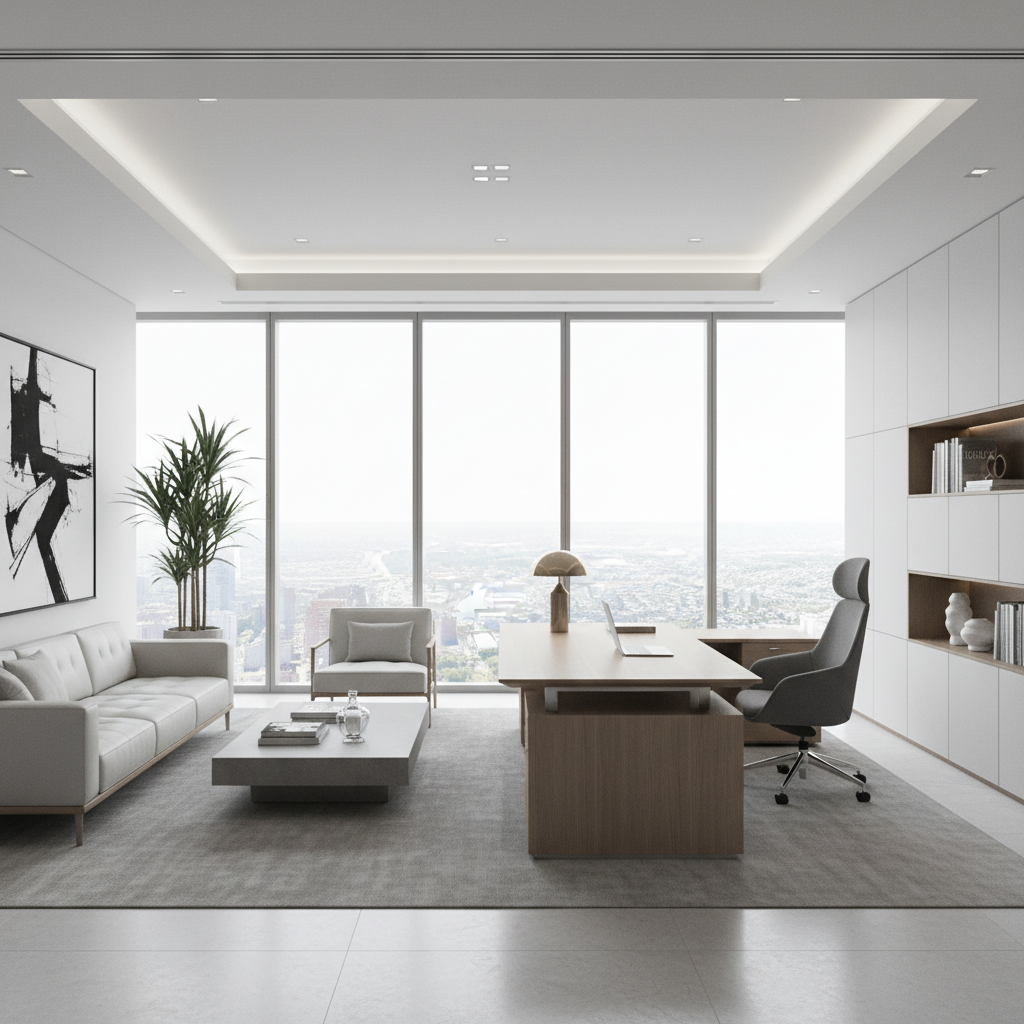
Embrace the philosophy of less is more with a modern minimalist design. Focus on clean lines, uncluttered surfaces, and a sophisticated neutral color palette of grays, whites, and muted blues. Furniture should be functional yet sculptural, with a strong emphasis on quality materials like polished concrete, smooth glass, and light wood. This style projects an image of clarity, efficiency, and forward-thinking leadership.
2. Executive Ergonomics
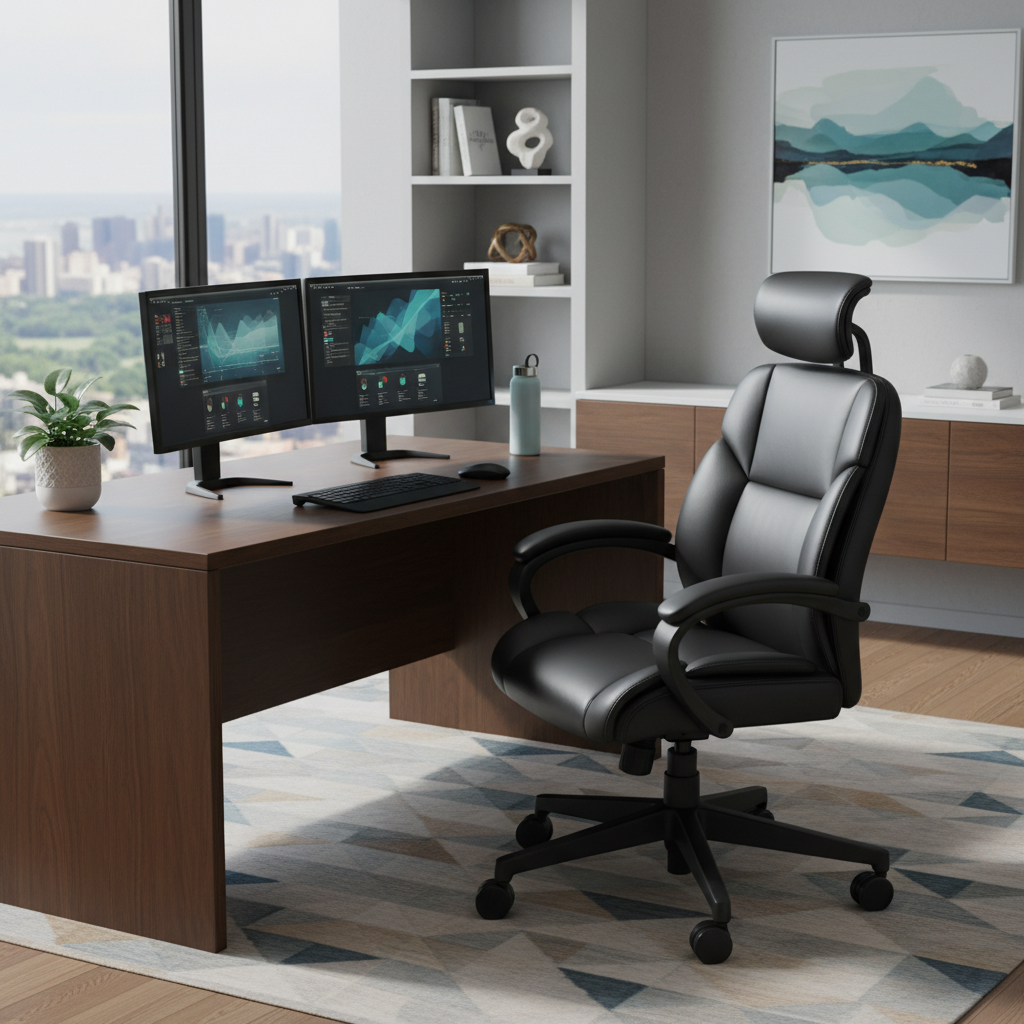
A powerful look should not come at the expense of comfort and health. Invest in high-performance ergonomic furniture, particularly the executive chair and adjustable desk. Choose pieces that seamlessly integrate into the overall aesthetic, offering both support and sophisticated design. Materials like premium leather or high-tech mesh in dark, rich tones enhance the professional feel while ensuring long-term well-being.
3. Power Play with Art
Elevate the office ambiance with carefully selected artwork. A large-scale abstract piece, a striking sculpture, or a collection of framed photography can serve as a powerful focal point. Opt for art that resonates with the company’s ethos or the CEO’s personal taste, using colors that complement the room’s palette. This injects personality and demonstrates a refined appreciation for culture and creativity.
4. Strategic Lighting Design
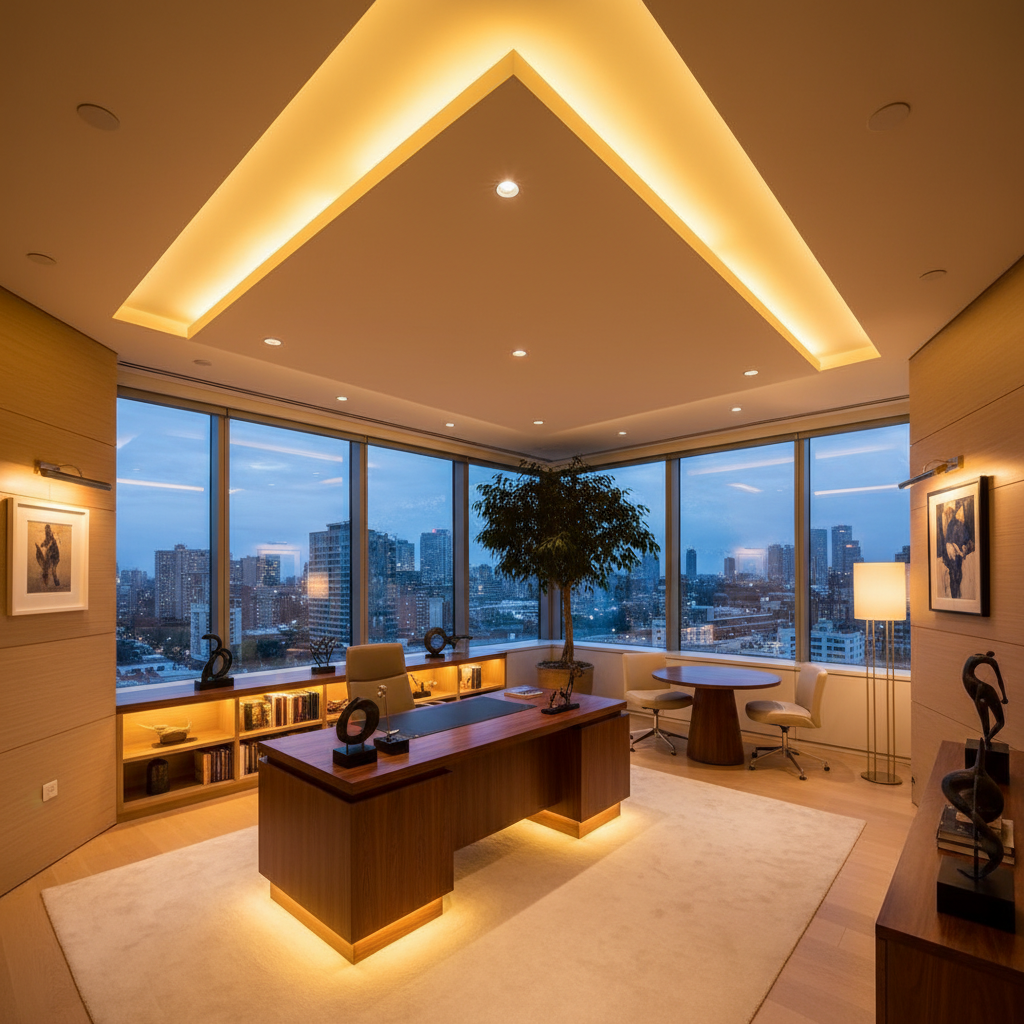
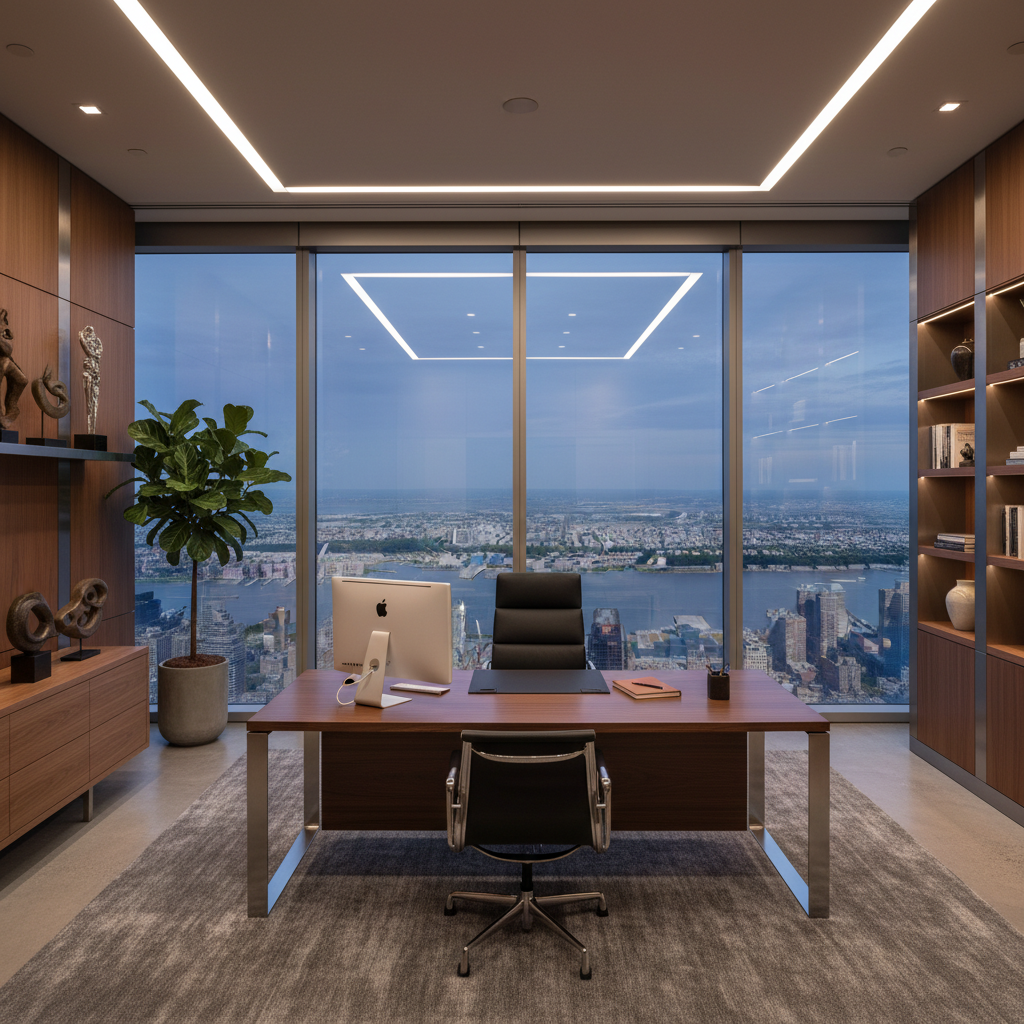
Lighting is crucial for both function and mood. Combine ambient, task, and accent lighting to create a dynamic and inviting space. A statement pendant light over the desk, recessed lighting for overall illumination, and spotlights to highlight art or architectural features can transform the office. Warm LED temperatures enhance focus and create a welcoming, yet powerful, atmosphere.
5. Statement Desk Choices
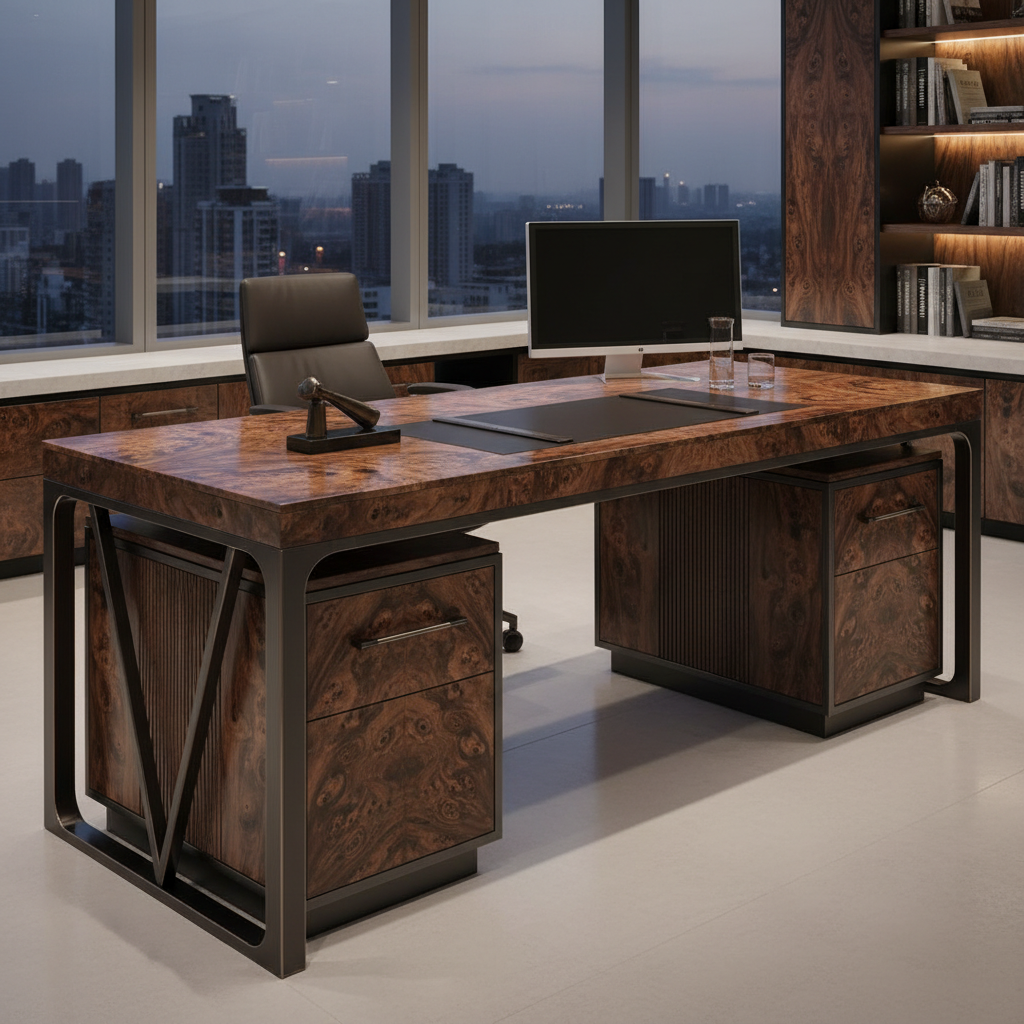
The desk is the undisputed centerpiece of any CEO’s office. Choose a desk that makes a strong statement—perhaps a grand executive desk crafted from rich, dark wood with intricate detailing, or a sleek, contemporary design in glass and steel. Its size and presence should command attention, reflecting the importance of the work conducted there.
6. Comfortable Client Seating
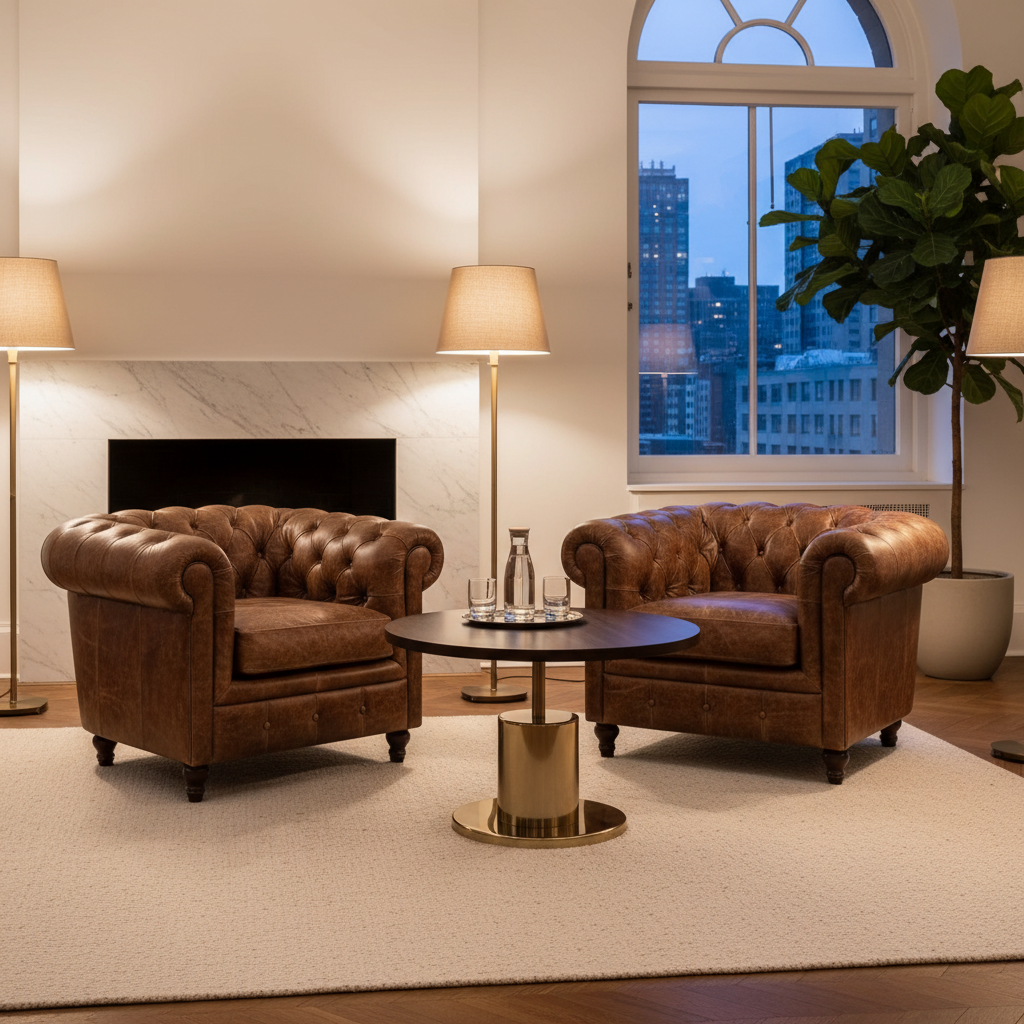
Create a dedicated seating area for guests that is both comfortable and stylish. Two elegant armchairs or a small sofa, upholstered in high-quality leather or a luxurious fabric like velvet, provide a welcoming space for discussions. Arrange them around a low coffee table, fostering an environment conducive to open dialogue and collaboration.
7. Integrated Tech Solutions
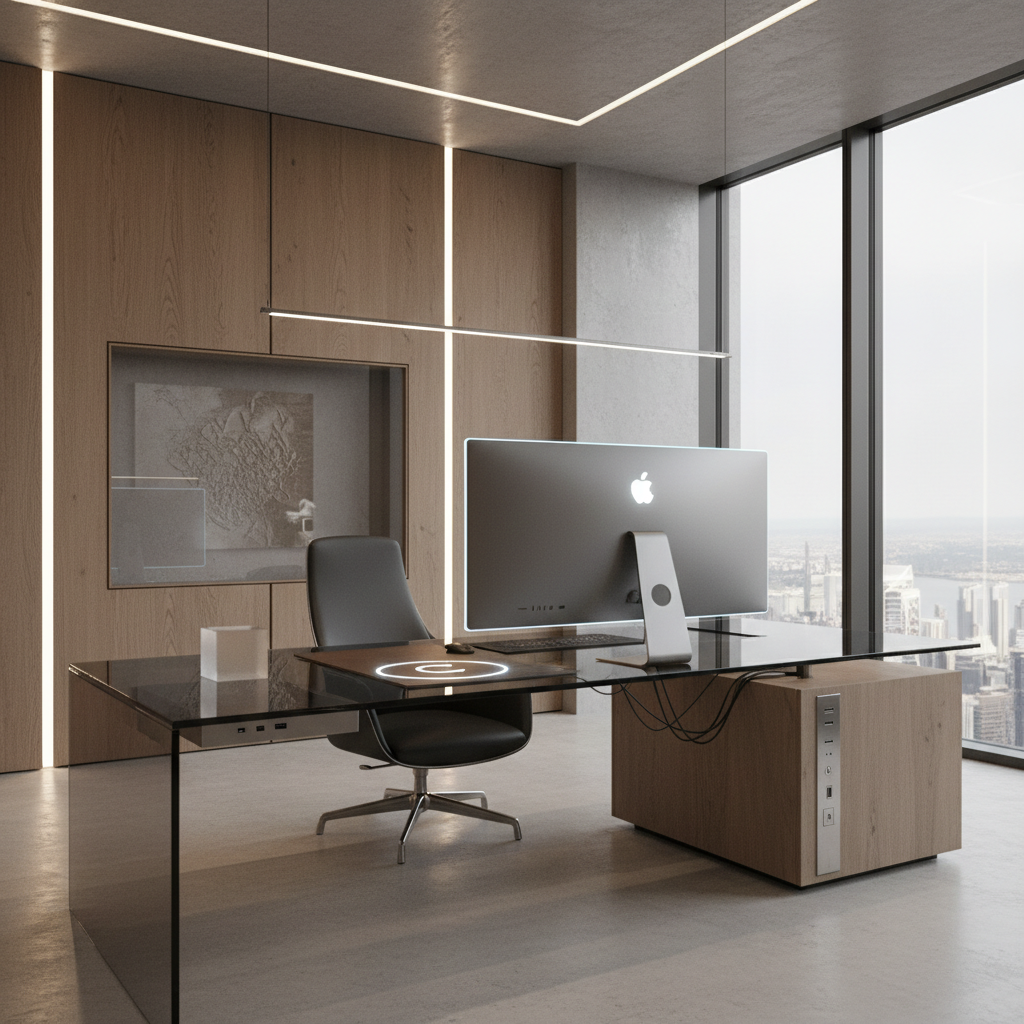
Seamlessly integrate technology to maintain a clean and efficient workspace. Conceal cables, embed charging pads, and opt for wireless peripherals. A large, high-resolution monitor or a discreetly mounted display for presentations can be incorporated without disrupting the aesthetic. Smart office systems for lighting and climate control add a futuristic, professional edge.
8. Acoustic Comfort
Ensure privacy and focus with thoughtful acoustic design. Incorporate sound-absorbing materials such as thick carpets, upholstered furniture, and acoustic wall panels. Double-paned windows can minimize external noise, creating a serene and concentrated environment essential for strategic thinking and confidential conversations.
9. Biophilic Touches
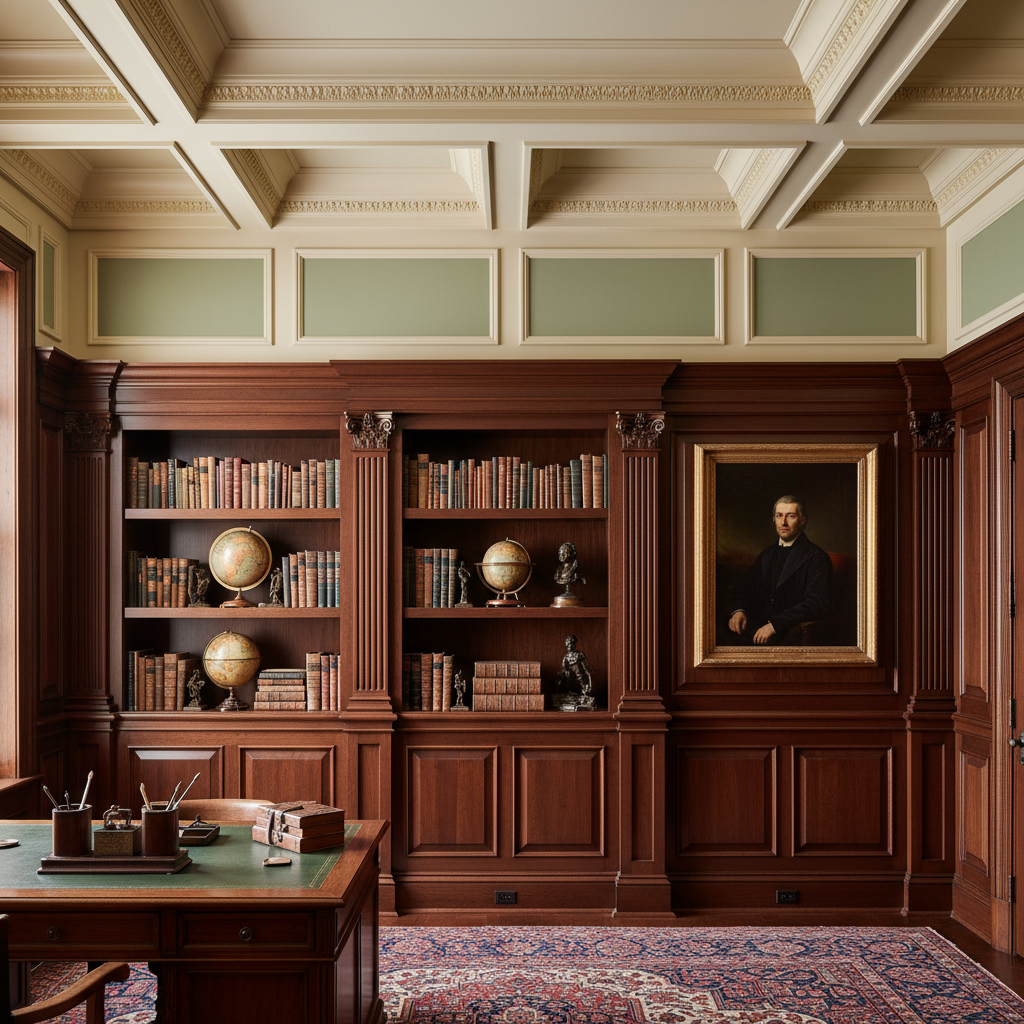
Introduce elements of nature to enhance well-being and reduce stress. Large, well-maintained indoor plants, a small water feature, or views of green spaces can bring a sense of calm and vitality. Choose plants with sculptural forms that complement the office’s sophisticated aesthetic, adding a touch of organic elegance.
10. Curated Bookshelves
A well-curated bookshelf speaks volumes about knowledge and intellectual curiosity. Design custom built-in shelving that fits the room’s architecture, displaying a mix of industry-relevant books, personal interests, and decorative objects. This creates an intellectual backdrop and a point of visual interest.
11. Personalized Accents
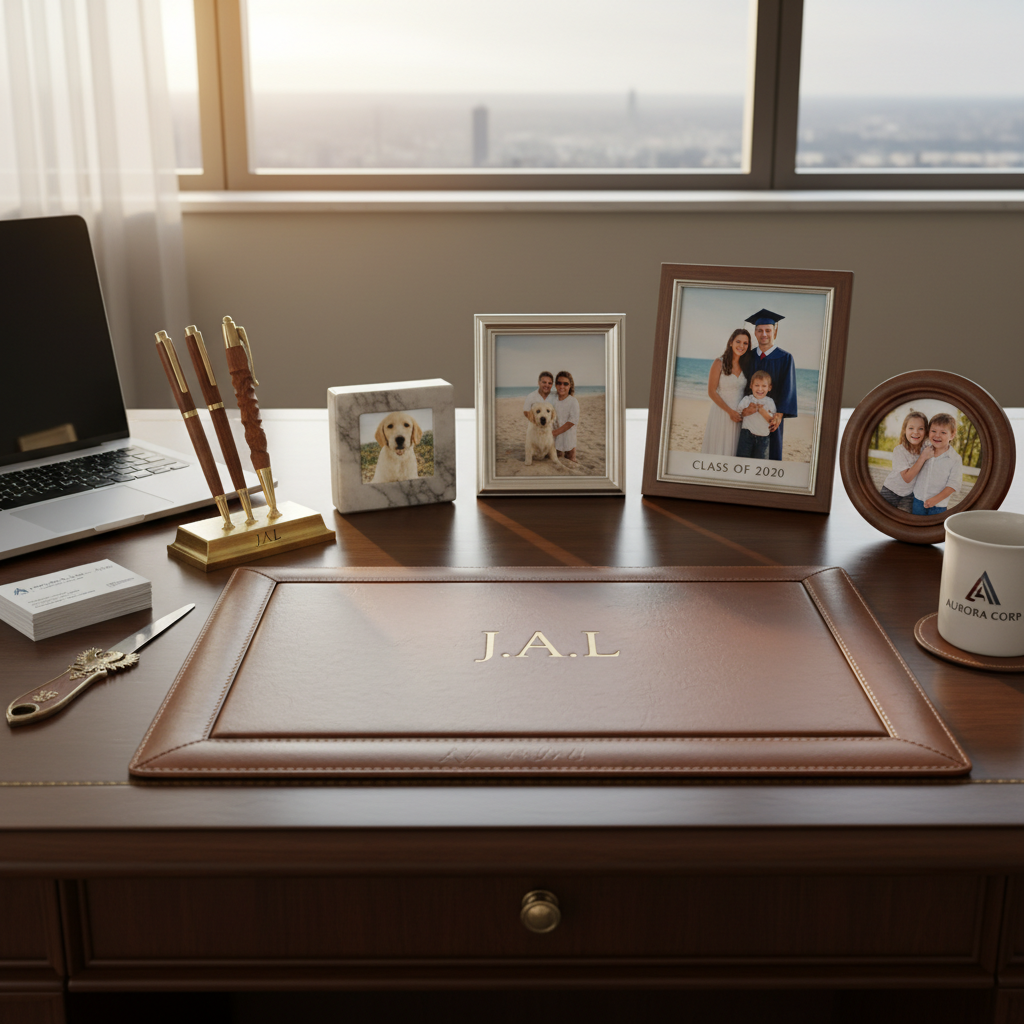
Infuse the office with personal touches that reflect the CEO’s identity and journey. Framed photographs of family or significant achievements, unique travel souvenirs, or awards can add warmth and authenticity. These elements humanize the space while maintaining a professional decorum.
12. Sophisticated Color Palettes
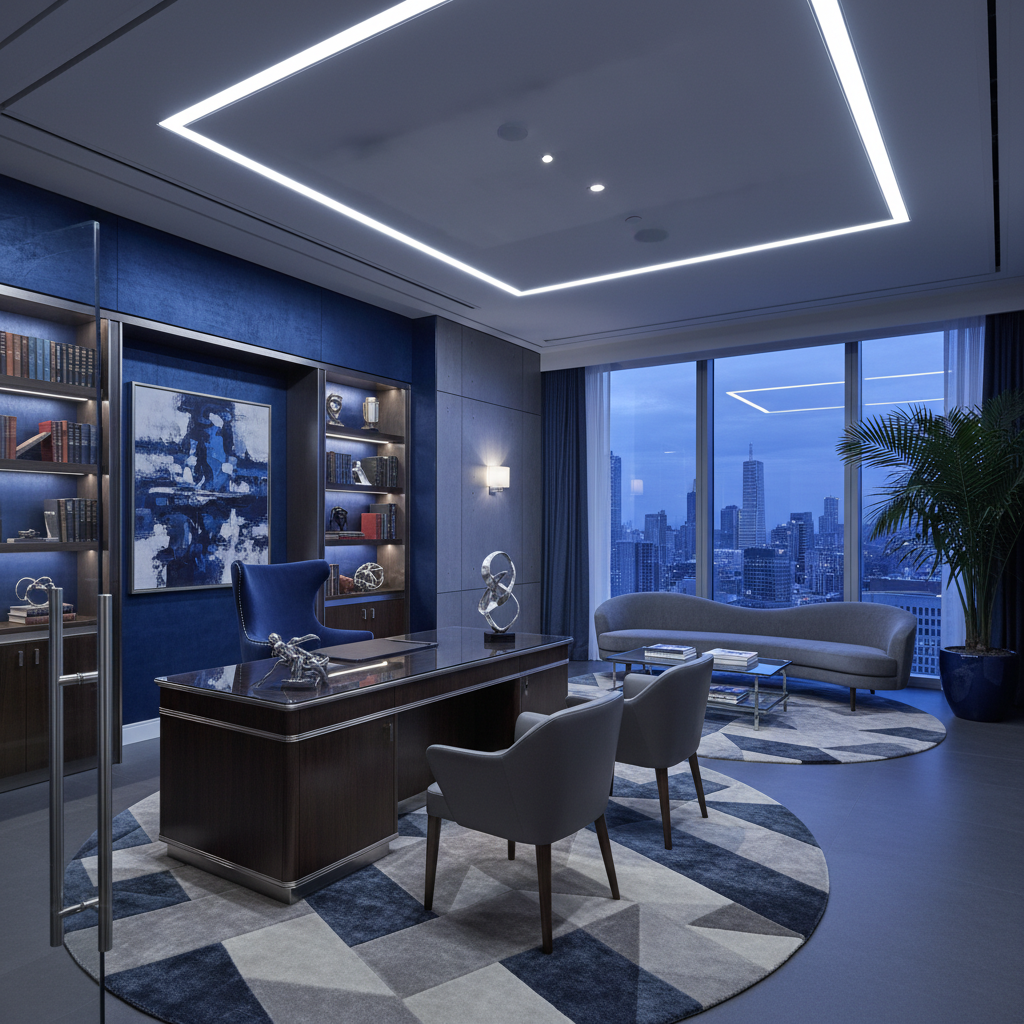
Choose a color palette that conveys authority and sophistication. Deep blues, charcoal grays, rich forest greens, and warm browns are excellent choices. Pair these with crisp whites or subtle creams for contrast. A carefully chosen accent color, perhaps a muted gold or burnt orange, can add depth and personality without overwhelming the space.
13. Luxurious Material Mix
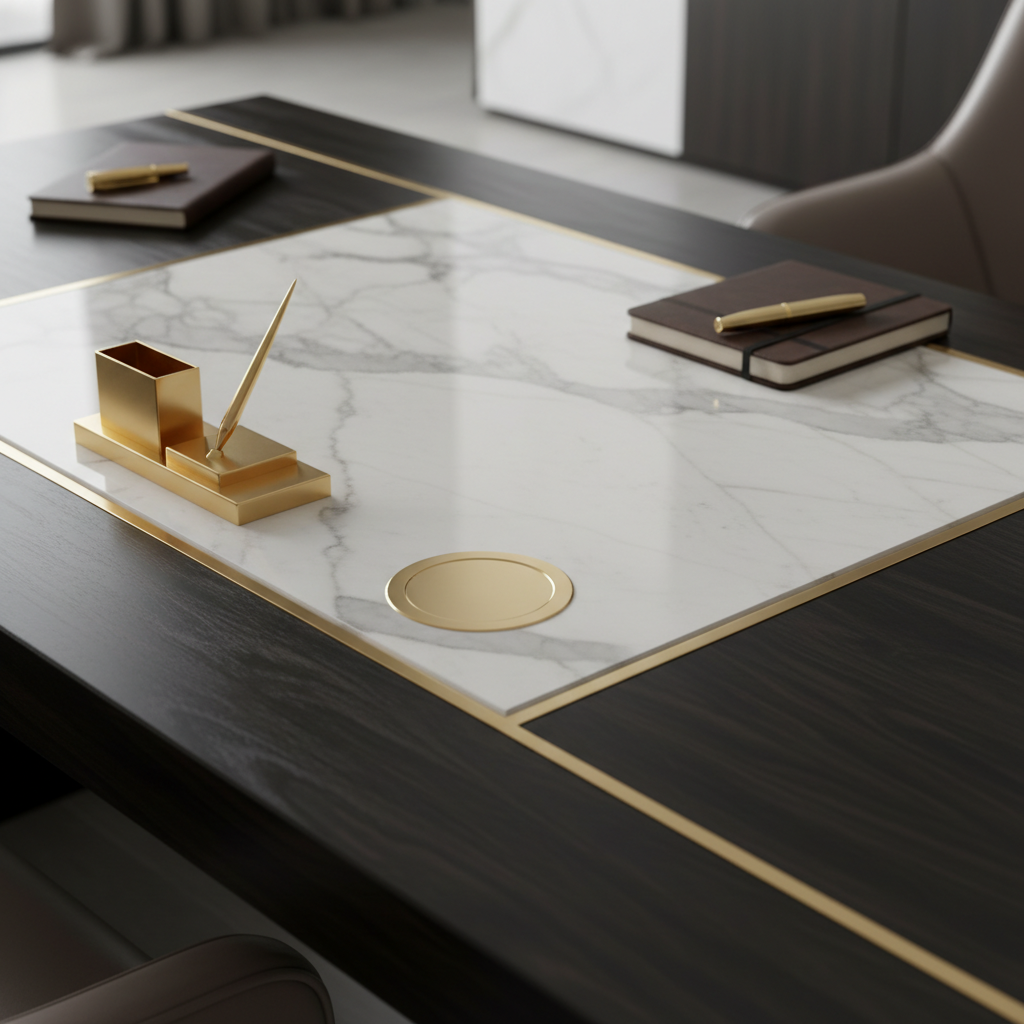
Combine high-quality materials to create a tactile and visually rich environment. Think polished marble or granite for surfaces, rich leather for seating, dark exotic woods for furniture, and metallic accents in brass or bronze. The interplay of different textures and finishes adds layers of luxury and refinement.
14. Geometric Precision
Incorporate geometric patterns through rugs, wall panels, or furniture lines. Clean, angular shapes and precise forms contribute to a sense of order, strength, and modern elegance. This can be subtle, like a herringbone pattern on a floor, or more pronounced in a piece of abstract art or a unique light fixture.
15. Monochromatic Elegance
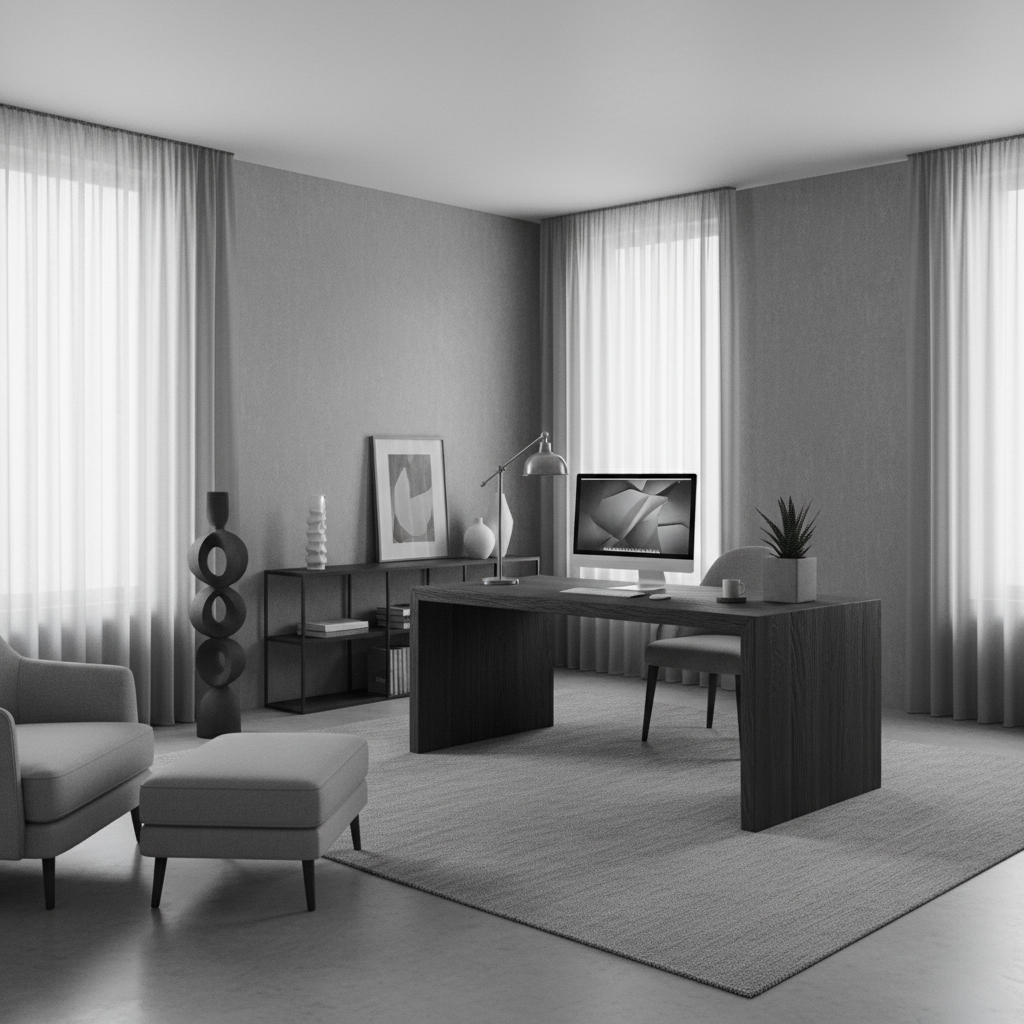
Design an office using varying shades and textures of a single color, such as charcoal, slate, and silver gray. This creates a cohesive, sophisticated, and incredibly chic look. The absence of strong color contrasts allows the forms and textures of the furniture and decor to truly shine, conveying understated power.
16. Industrial Chic Elements
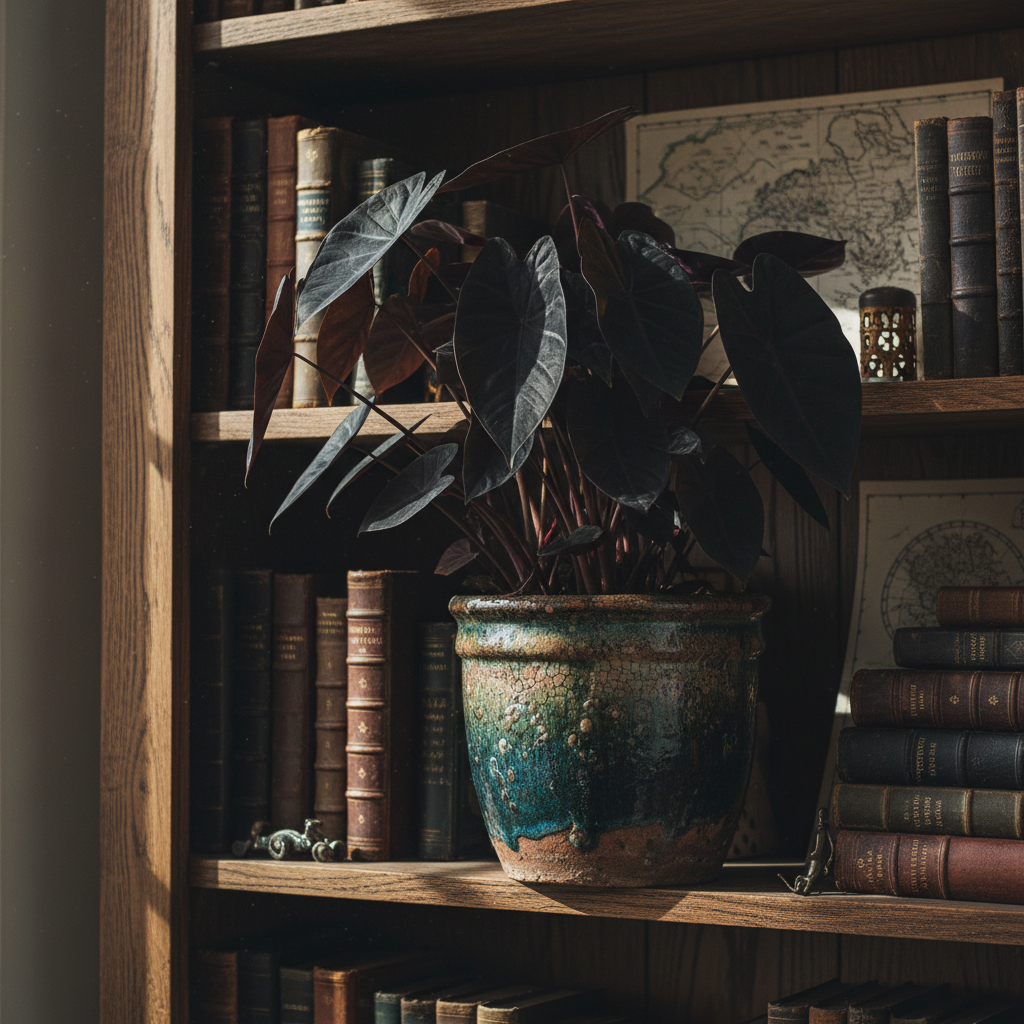
For a contemporary and edgy professional look, integrate subtle industrial elements. Exposed brick or concrete walls, black metal accents, and raw wood finishes can be balanced with refined furniture and luxurious textiles. This style projects innovation, resilience, and a grounded yet ambitious spirit.
17. Classic Wood Paneling
Embrace timeless elegance with classic wood paneling. Dark cherry, walnut, or mahogany wood panels on one or more walls can instantly add gravitas and a sense of enduring tradition. This style is particularly effective in offices aiming for a distinguished, established, and authoritative aesthetic.
18. Open Concept Flow
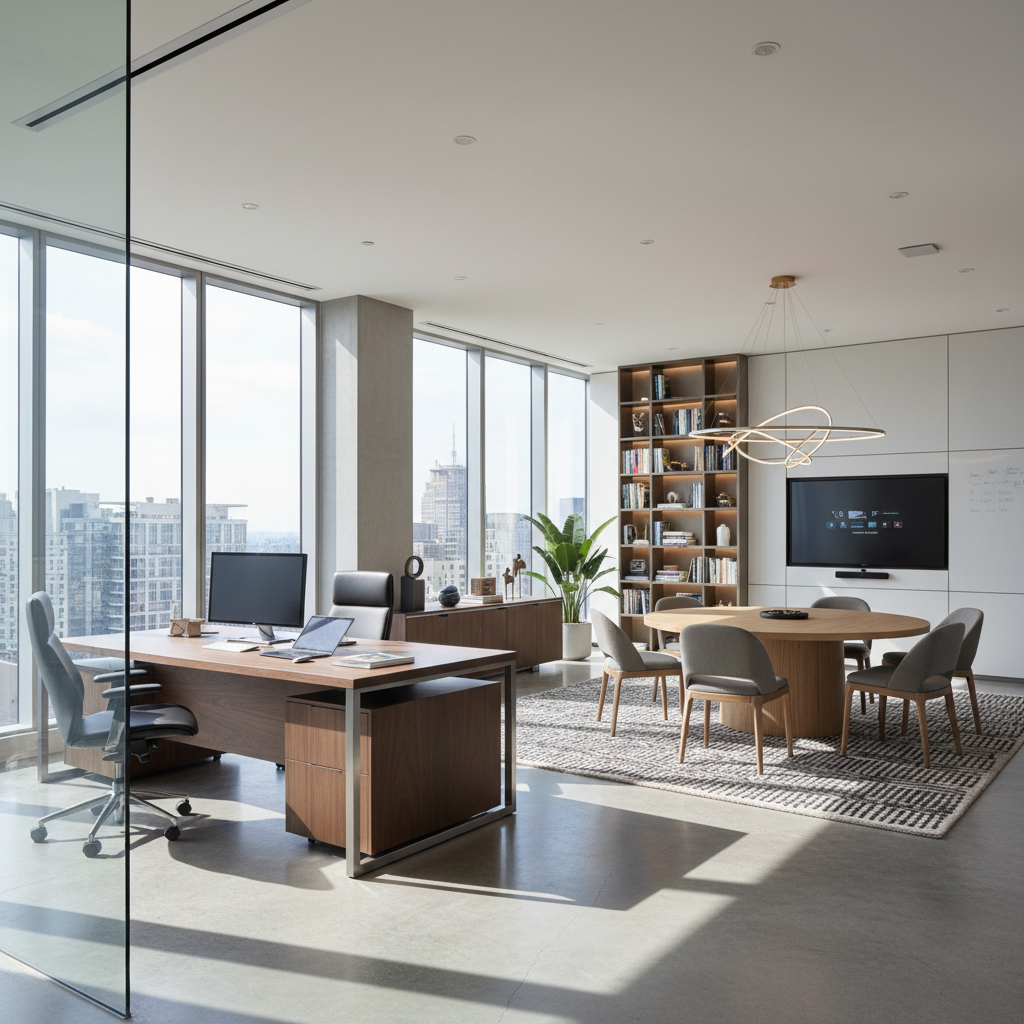
If space allows, consider an open-concept design that integrates the main workspace with a lounge or meeting area. Use subtle spatial dividers like area rugs, low shelving, or changes in ceiling height to define zones without creating physical barriers. This fosters transparency and collaborative leadership.
19. Private Retreat Zones
Even in an open plan, a CEO needs a space for quiet contemplation or private calls. Design a small, comfortable retreat zone with a plush armchair, a side table, and focused lighting. This area offers a mental break from the main desk and fosters reflective thinking.
20. Global Inspired Decor
Incorporate elements inspired by global travel and diverse cultures. Unique textiles, artisanal objects, or maps can add a worldly, sophisticated touch. This approach speaks to broad perspectives, global reach, and an appreciation for international business and culture.
21. Sustainable Design Choices

Demonstrate a commitment to environmental responsibility by choosing sustainable materials and eco-friendly furniture. Reclaimed wood, recycled metals, low-VOC paints, and energy-efficient lighting not only benefit the planet but also project a modern, conscious leadership image.
22. Smart Storage Solutions
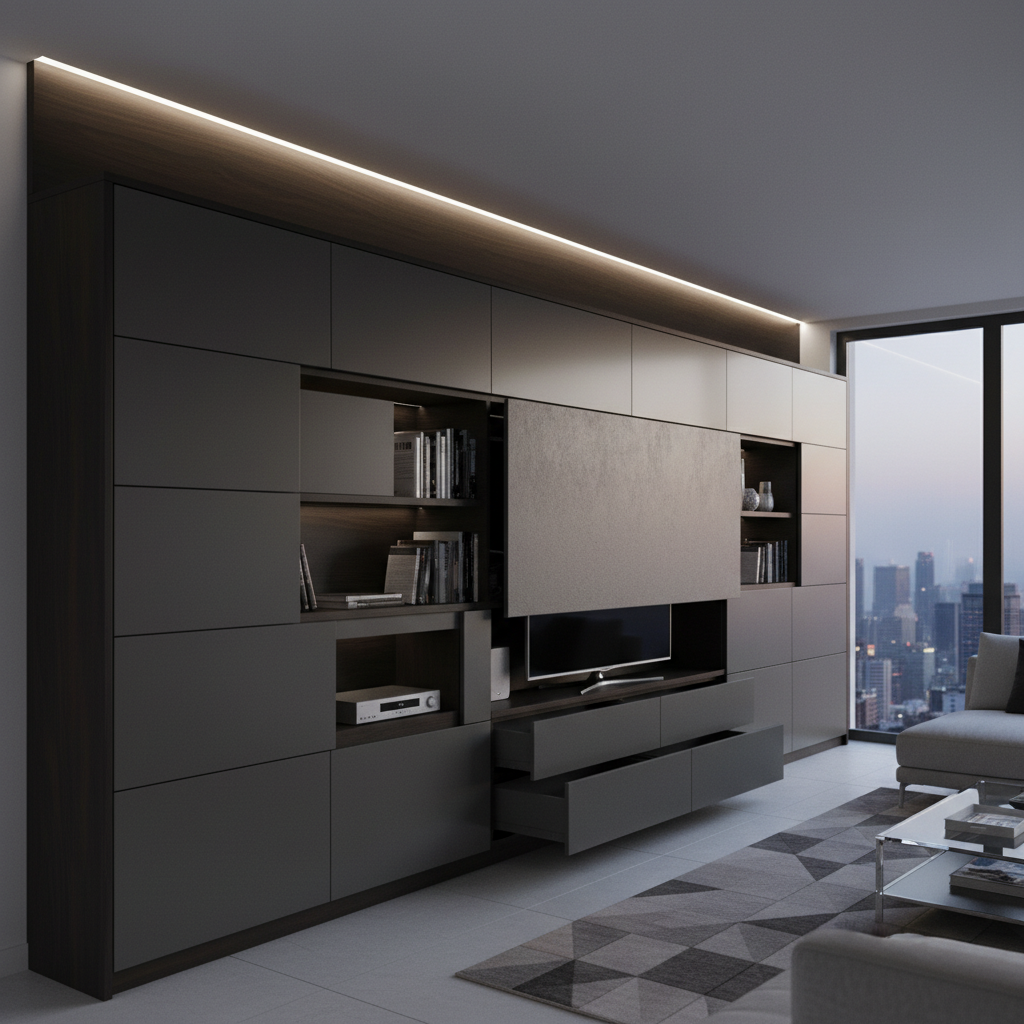
Maintain an organized and clutter-free environment with integrated, smart storage solutions. Custom built-in cabinetry, discreet filing systems, and elegant credenzas keep documents and supplies out of sight. This ensures a clean aesthetic and promotes efficiency, reflecting meticulous leadership.
23. Brand Storytelling through Design
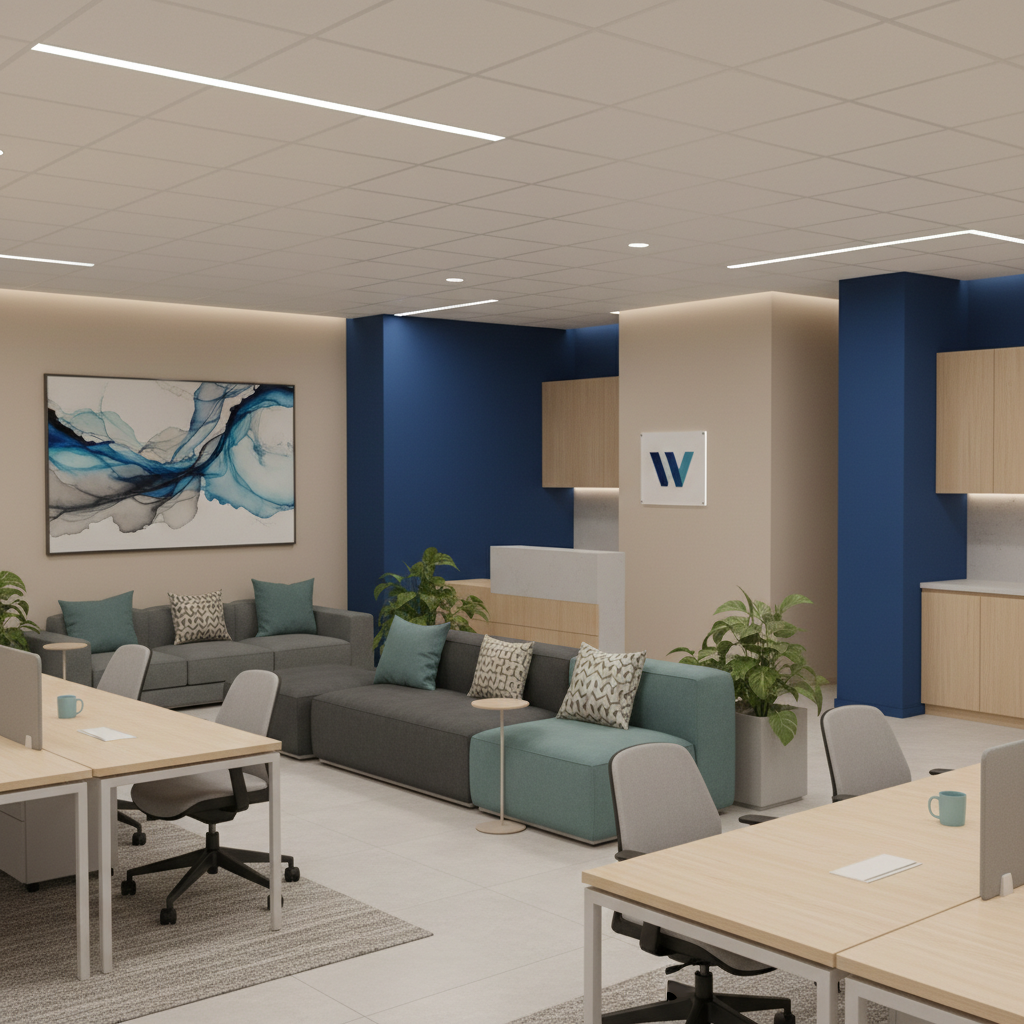
Weave the company’s brand identity subtly into the office design. This could involve incorporating brand colors in accent pieces, displaying company values as tasteful wall art, or showcasing prototypes of products. The office becomes an extension of the brand narrative, reinforcing its message.
24. Natural Light Maximization
Prioritize natural light by keeping windows unobstructed and using light-colored window treatments. Maximize reflective surfaces like glass tables or polished floors to bounce light around the room. Abundant natural light creates a more energetic, positive, and expansive atmosphere.
25. Reflective Surfaces for Grandeur
Incorporate reflective surfaces strategically to add a sense of grandeur and open up the space. Polished metals, mirrored accents, and glass tabletops can reflect light and views, creating an illusion of depth and luxury. Use these sparingly to enhance sophistication without overwhelming the room.
Designing a CEO office is an opportunity to craft a space that embodies leadership, vision, and professional excellence. By thoughtfully combining aesthetics, ergonomics, and personal touches, you can create an environment that not only inspires you but also leaves a powerful, lasting impression on everyone who enters.