
27 Rustic Kitchen Interiors That Feel Warm and Welcoming
The kitchen, often considered the heart of the home, benefits immensely from an atmosphere of warmth and welcome. Rustic kitchen design, with its emphasis on natural materials, comfortable textures, and a timeless aesthetic, is perfectly suited to creating such an inviting space. It’s a style that celebrates simplicity, craftsmanship, and the beauty of imperfection, transforming a functional area into a soulful sanctuary.
Embracing rustic charm doesn’t mean sacrificing modern convenience; instead, it’s about blending the best of both worlds. Imagine a space where the aroma of freshly baked bread mingles with the subtle scent of aged wood, where every surface tells a story, and where gathering with loved ones feels inherently right. From rich, earthy color palettes to the tactile pleasure of stone and linen, these interiors are designed to soothe and inspire.
Join us as we explore 27 distinct ways to infuse your kitchen with rustic warmth, offering design ideas that range from subtle accents to full-scale transformations. Get ready to discover how to craft a kitchen that not only looks beautiful but also feels like a comforting embrace.
1. Natural Wood Cabinetry
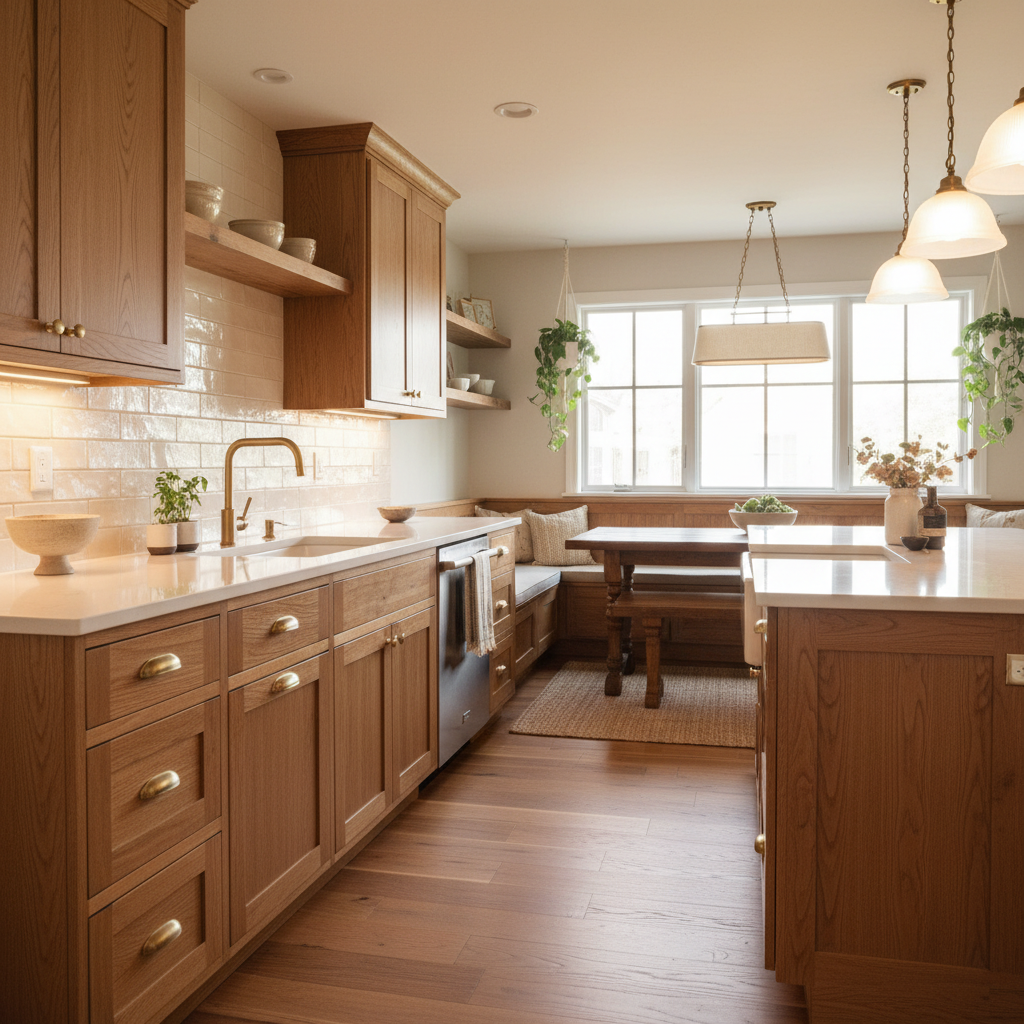
At the core of any rustic kitchen lies the beauty of natural wood. Opt for cabinetry in finishes that highlight the grain, such as knotty alder, reclaimed oak, or distressed pine. These woods bring an immediate sense of organic warmth and texture. The color palette often leans towards medium to dark browns, sometimes with a subtle gray wash to enhance their aged appearance. Pair them with simple, robust hardware in matte black or aged brass to complement their inherent character. The overall mood is grounded, authentic, and inviting, creating a foundational layer of rustic charm.
2. Stone Accent Walls
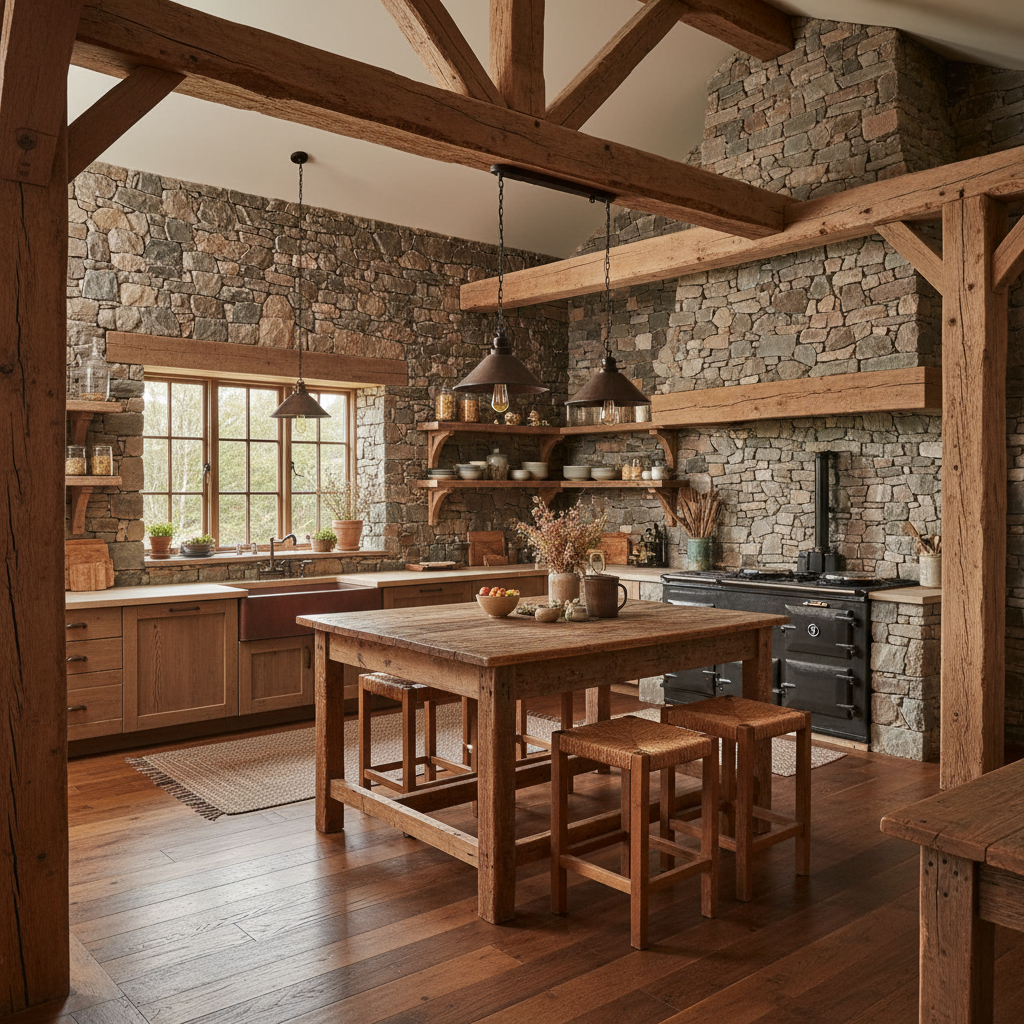
Introducing natural stone, whether as a full accent wall or a backsplash, elevates the rustic aesthetic with its rugged beauty. Think stacked stone, river rock, or even a rough-hewn flagstone. The irregular textures and varied earthy tones – grays, browns, and muted greens – create a striking focal point. This material adds a sense of timelessness and connection to nature, evoking the feeling of a cozy countryside retreat. When combined with wooden elements, stone creates a harmonious balance of hard and soft textures, contributing to a truly welcoming atmosphere.
3. Farmhouse Sink Charm
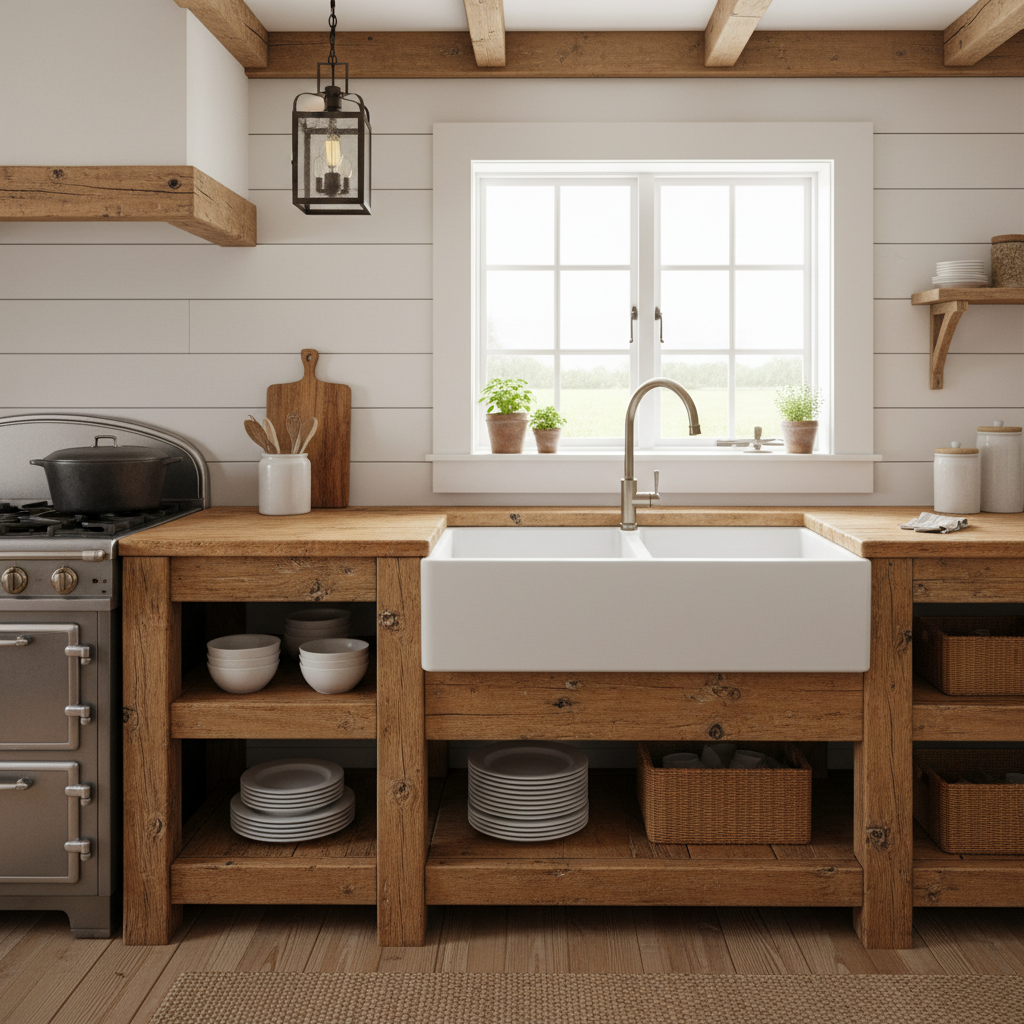
A classic farmhouse sink is virtually synonymous with rustic kitchen design. Its deep basin and exposed front apron instantly evoke a sense of heritage and practicality. Typically crafted from white porcelain or fireclay, it offers a stark, clean contrast to natural wood countertops or darker cabinetry. The simple, robust silhouette is both functional and aesthetically pleasing. Pair it with a bridge faucet in bronze or nickel for an authentic vintage feel. This element anchors the kitchen with a touch of nostalgia and enduring charm, making daily tasks feel more delightful.
4. Open Shelving Displays
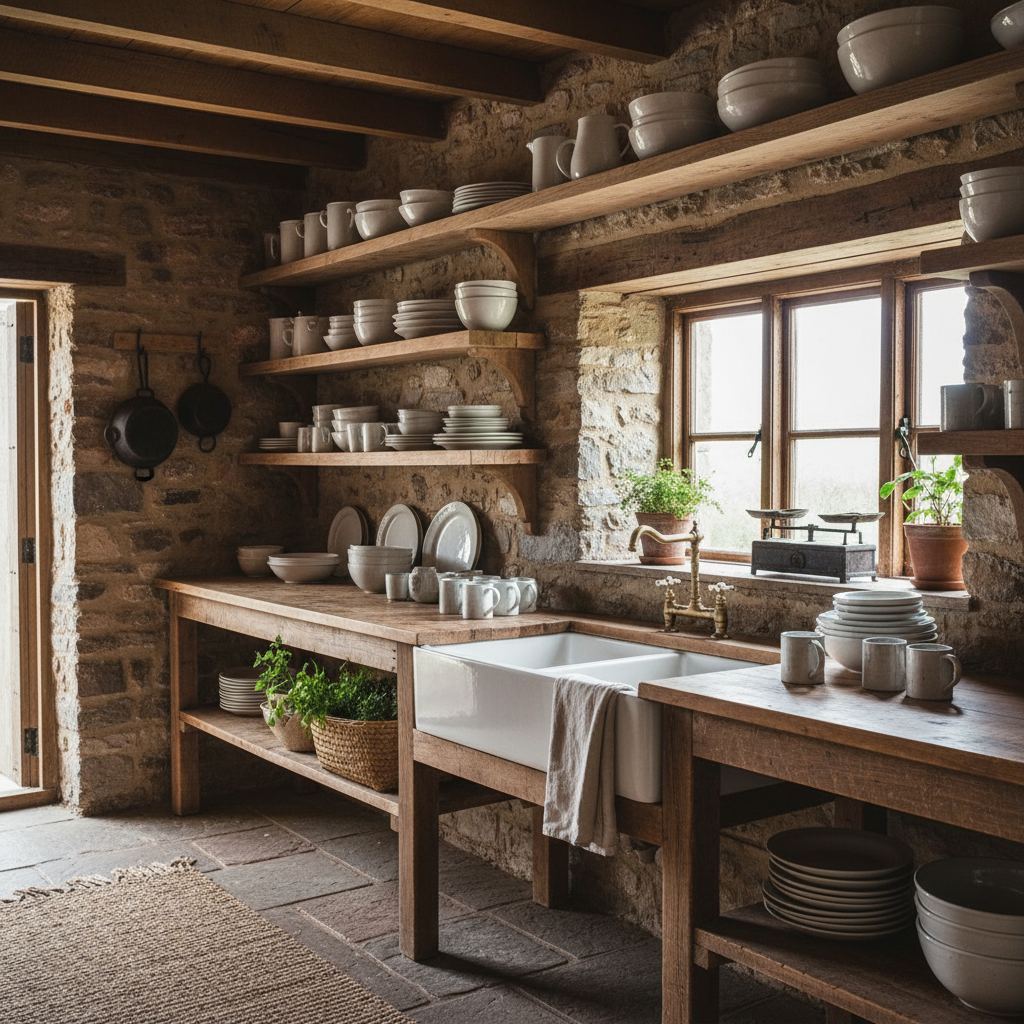
Open shelving is a hallmark of rustic design, offering both practical storage and an opportunity for decorative display. Crafted from thick, often reclaimed wood, these shelves invite you to showcase your favorite stoneware, ceramic dishes, glass jars, and perhaps a few well-loved cookbooks. The lack of cabinet doors creates an airy, accessible feel. Keep the displayed items cohesive in color and style – whites, creams, and natural tones work beautifully – to maintain a curated, yet lived-in look. This approach fosters a casual, inviting atmosphere, encouraging interaction with the space.
5. Distressed Wood Island
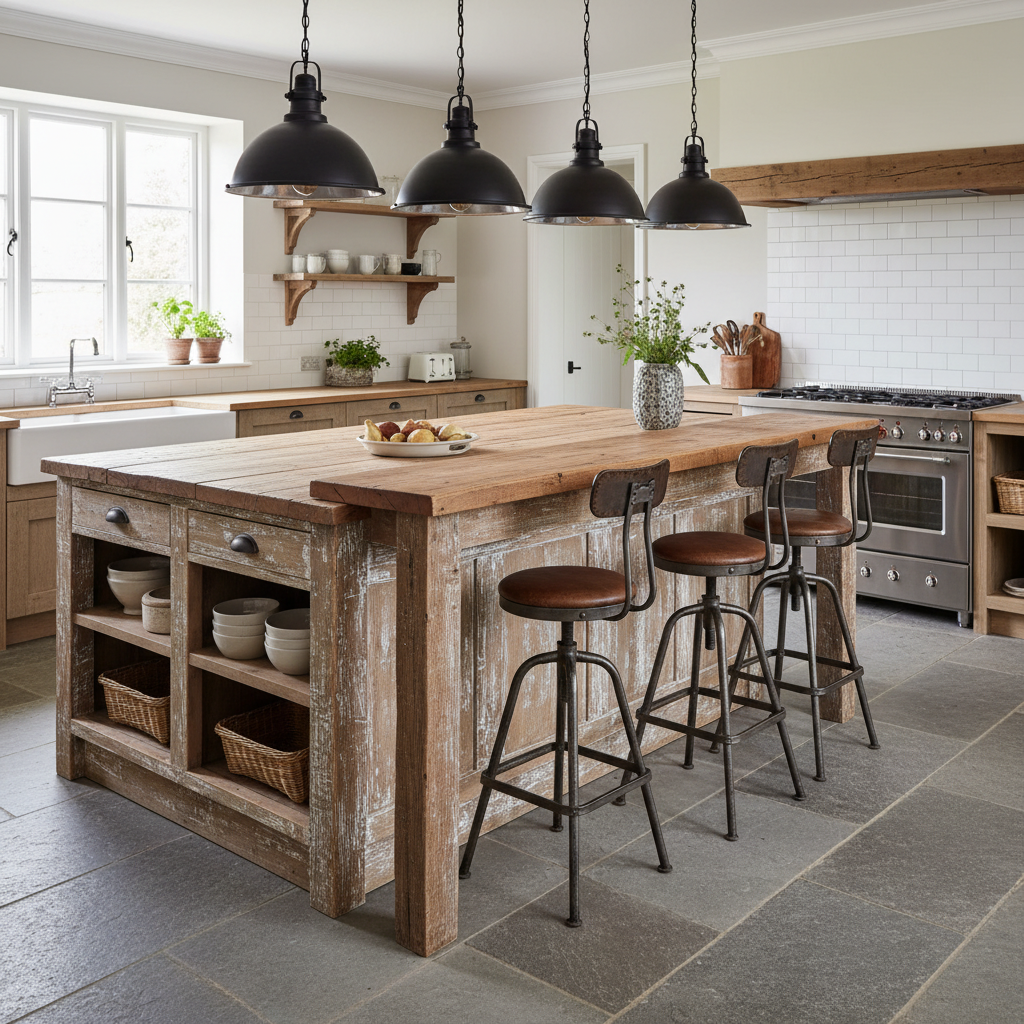
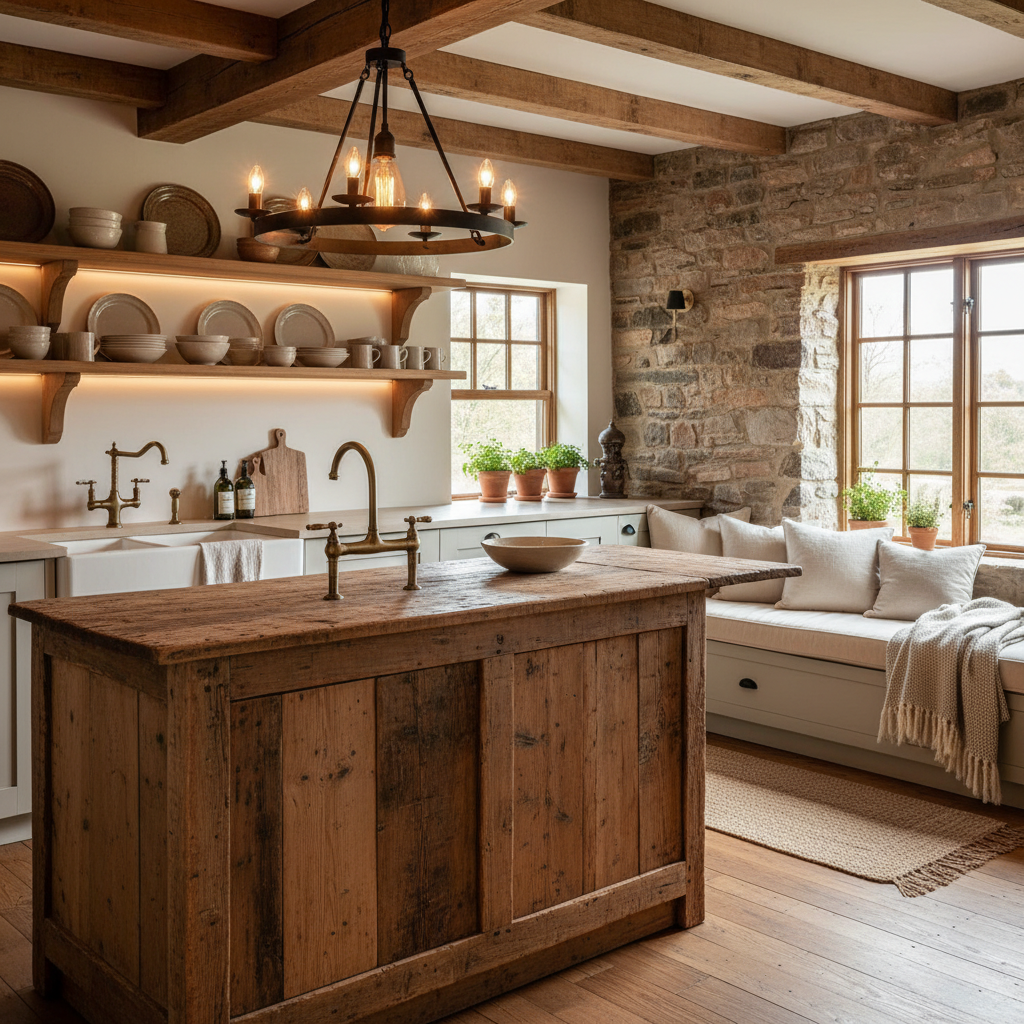
A kitchen island crafted from distressed or reclaimed wood serves as a magnificent centerpiece in a rustic interior. Its weathered finish, complete with visible knots, grains, and imperfections, tells a story and adds unparalleled character. The silhouette can range from a sturdy, block-like structure to one with turned legs, often topped with a contrasting material like butcher block or soapstone. The color palette typically features muted grays, browns, or even a soft, chipped paint finish. This island becomes a natural gathering spot, radiating warmth and hospitality.
6. Wrought Iron Details
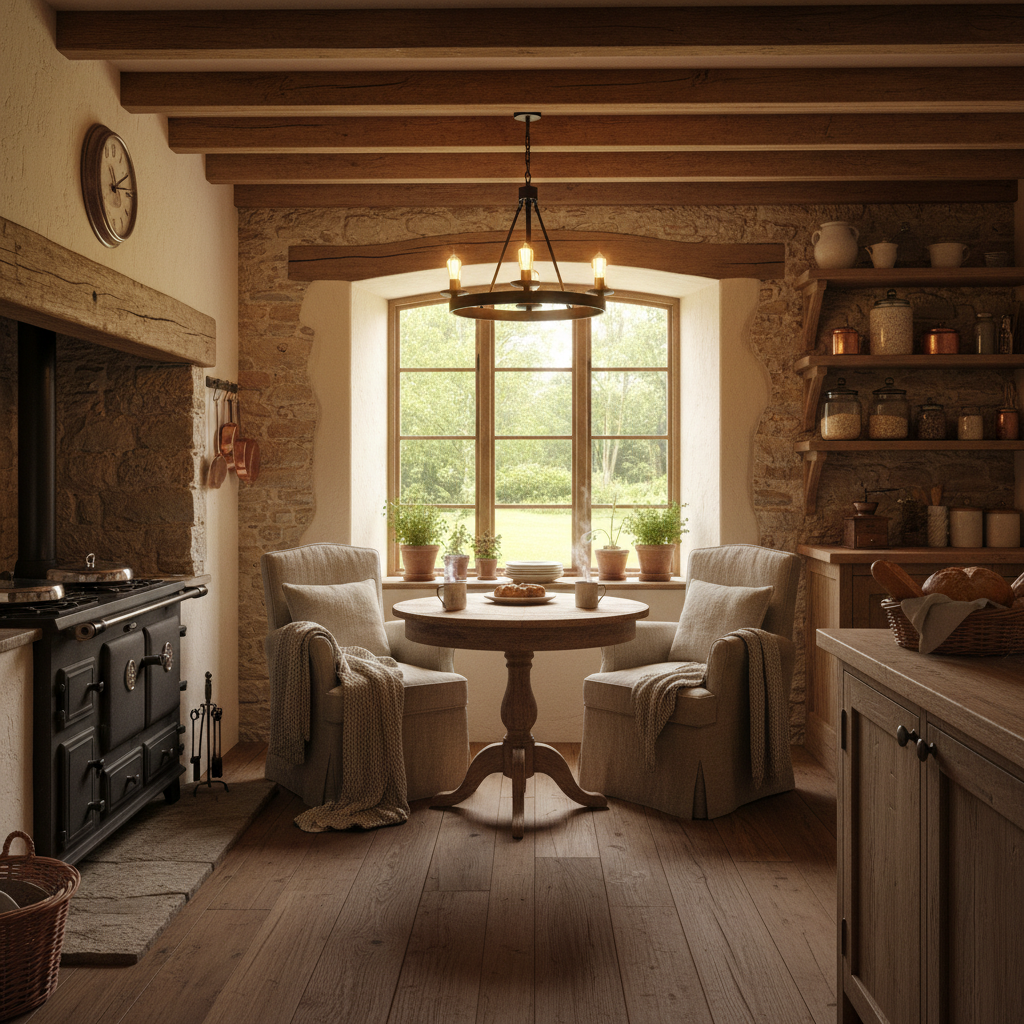
Wrought iron elements introduce an artisan, handcrafted touch to rustic kitchens. Think of elegant pot racks suspended over an island, sturdy cabinet pulls, or a dramatic chandelier. The dark, often matte finish of wrought iron provides a striking contrast against lighter woods and stone, adding visual weight and a sense of enduring strength. Its intricate yet robust shapes harken back to traditional craftsmanship. This material imbues the space with a subtle formality and a rich, historical texture, enhancing the overall rustic narrative.
7. Earthy Color Palettes
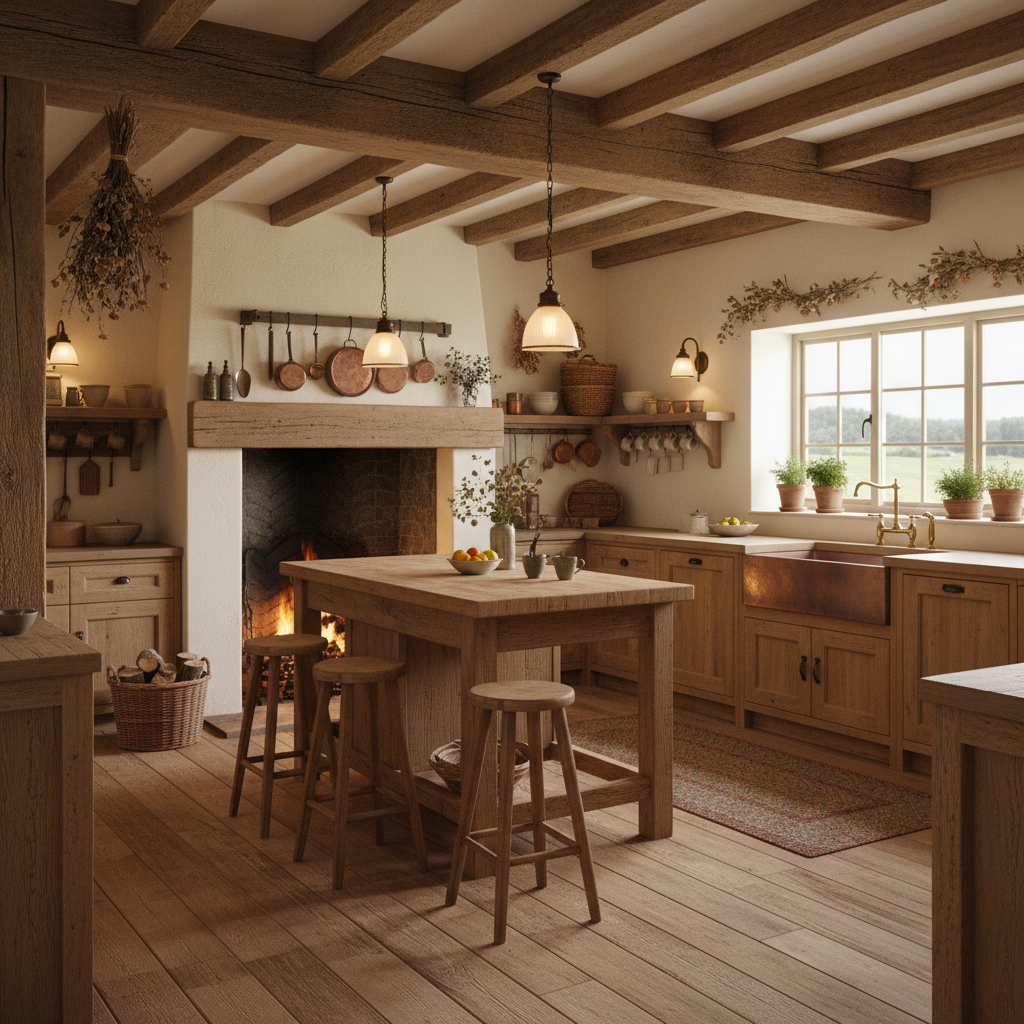
The color scheme of a rustic kitchen is deeply inspired by nature. Think warm neutrals like creamy whites, soft beiges, and muted grays that serve as a backdrop for richer tones. Accents often come from deep forest greens, terracotta oranges, and dusty blues, reflecting natural landscapes. These colors create a serene and grounded atmosphere, allowing the textures of wood and stone to truly shine. The overall effect is one of quiet comfort and timeless elegance, making the kitchen a soothing retreat.
8. Exposed Beams and Ceilings
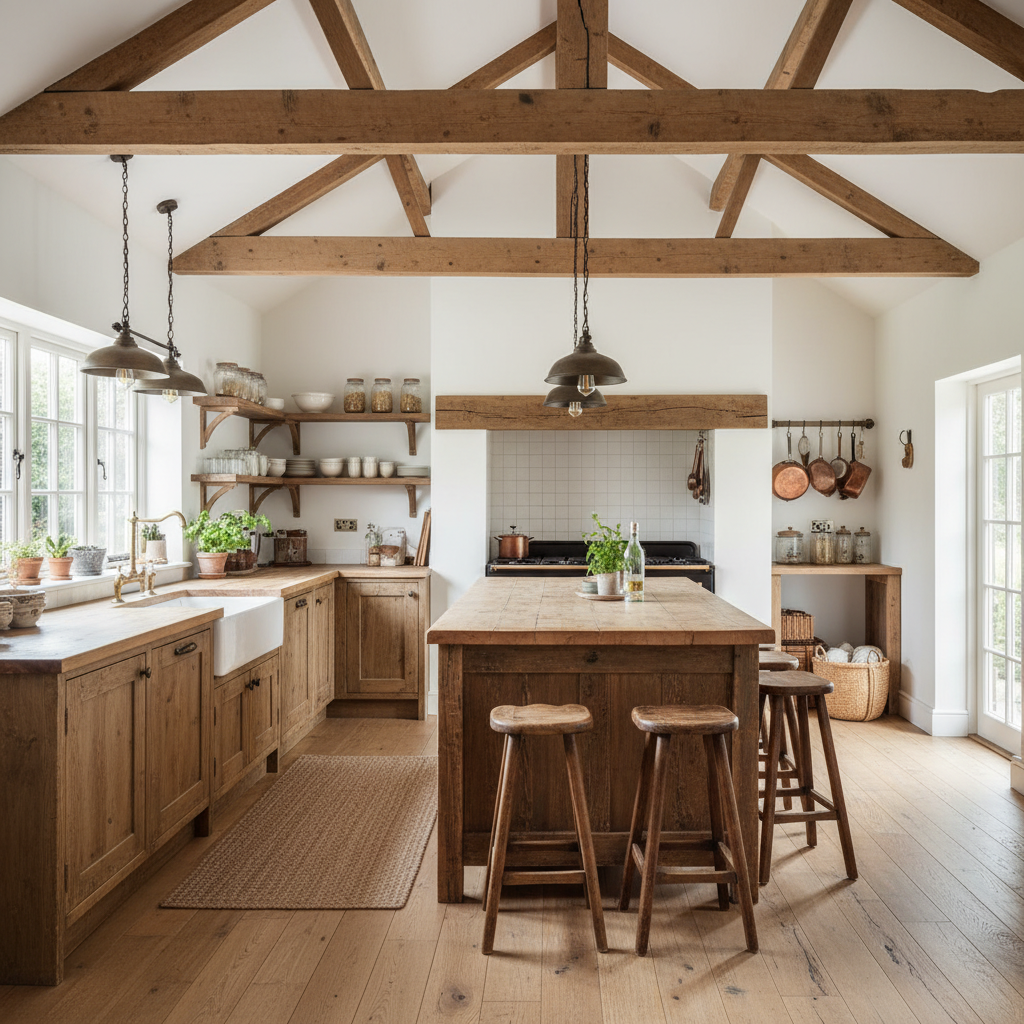
Exposed wooden beams on the ceiling are an iconic feature of rustic design, instantly adding architectural character and a sense of history. Whether dark and dramatic or lighter and more subtle, these beams draw the eye upward, creating visual interest and making the space feel grander. The natural wood texture against a typically light-colored ceiling (white or cream) enhances the contrast. This element evokes the charm of old farmhouses or cabins, contributing significantly to the warm and welcoming ambiance of the kitchen.
9. Vintage Appliance Touch
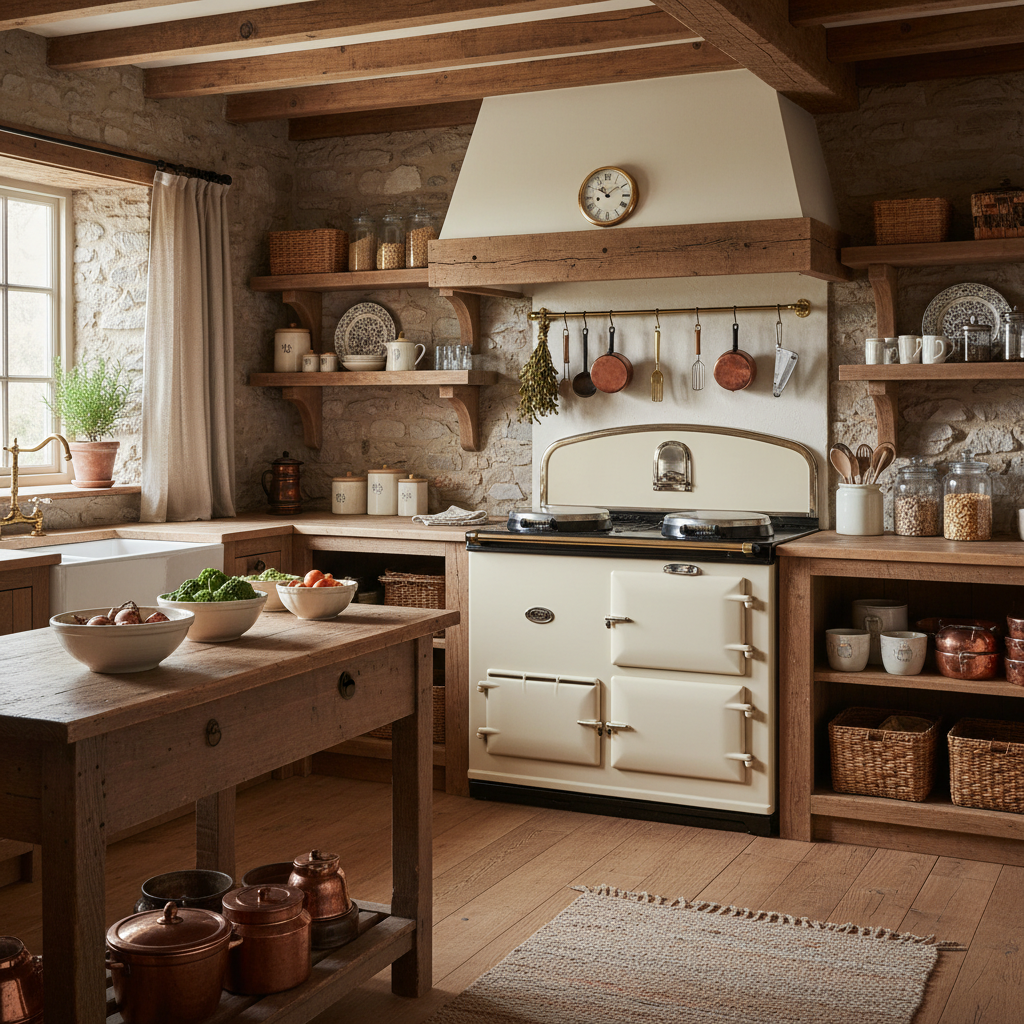
While modern functionality is key, incorporating vintage-style appliances can add a unique rustic flair. Brands offering retro refrigerators, stoves, and dishwashers in classic colors like cream, mint green, or even black, capture the aesthetic of yesteryear without sacrificing performance. Their rounded edges and distinctive hardware contribute to a charming, nostalgic mood. These pieces act as subtle nods to the past, infusing the kitchen with personality and a sense of curated history, making it feel truly unique.
10. Reclaimed Wood Floors
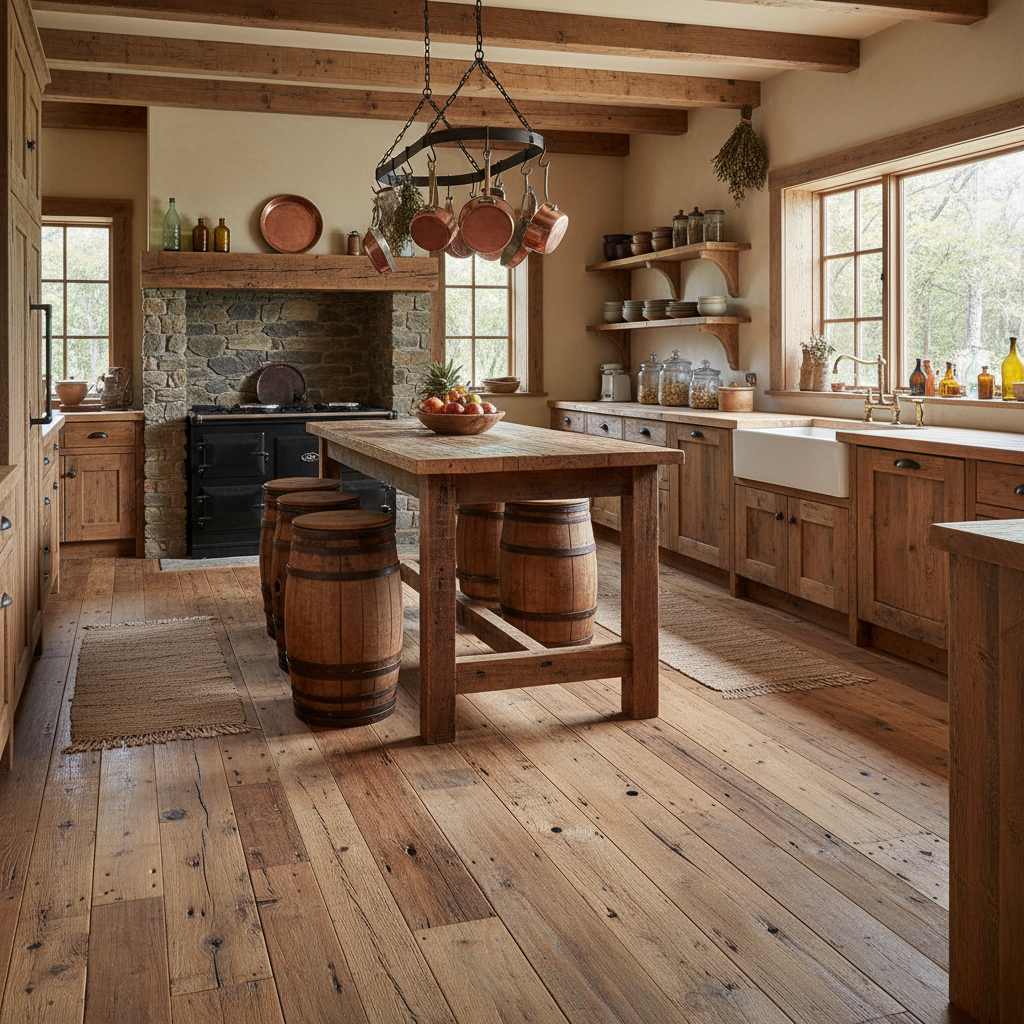
The foundation of a truly rustic kitchen often begins with reclaimed wood flooring. Wide planks, rich with natural imperfections, nail holes, and varying tones, tell a story of their own. Oak, pine, or even barn wood are popular choices, often finished with a matte seal to preserve their authentic texture. The color variations range from light honey to deep chocolate, adding depth and warmth underfoot. This flooring choice creates a sense of permanence and history, grounding the entire design with its organic beauty.
11. Cozy Banquette Seating
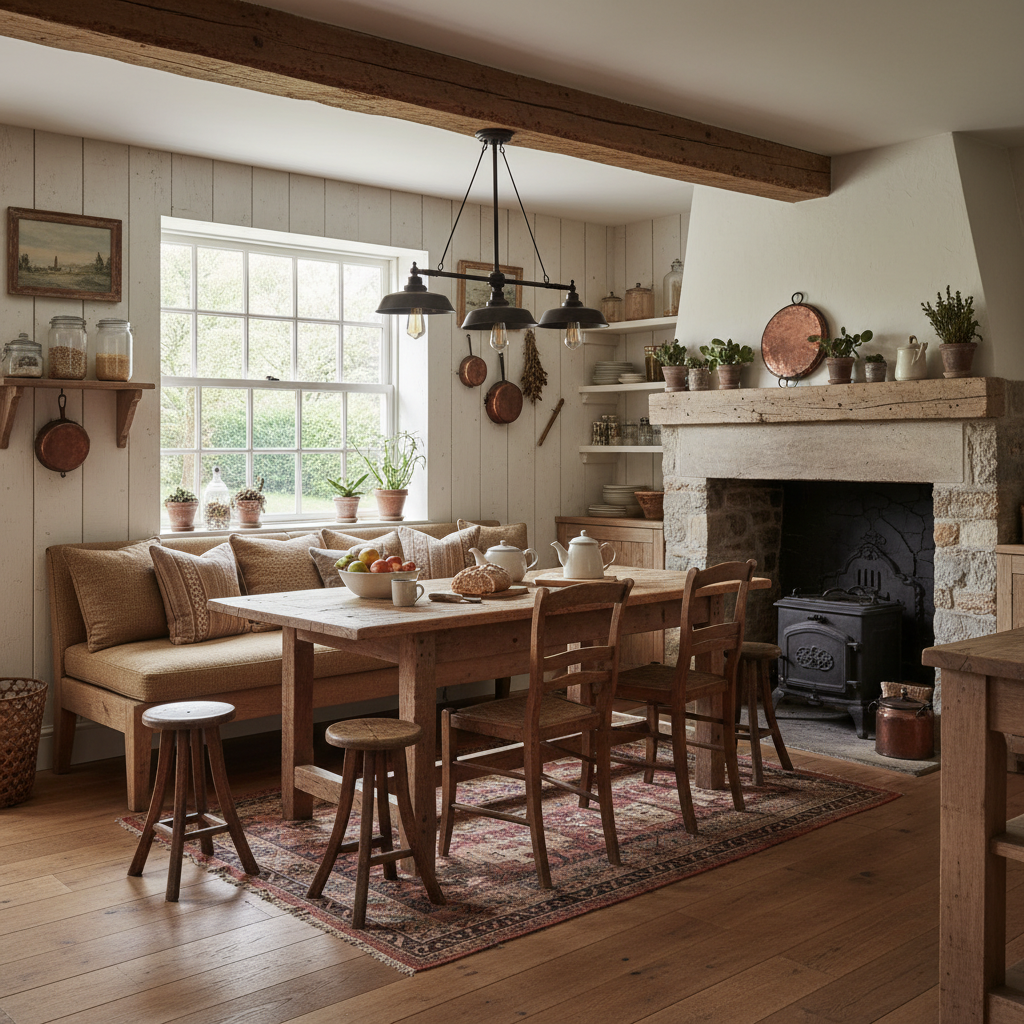
For an exceptionally warm and welcoming touch, integrate a banquette or built-in bench seating into your kitchen or dining nook. Upholster it with comfortable, textured fabrics like linen, canvas, or even a soft leather in neutral or earthy tones. Add plump throw pillows for extra comfort and a pop of subtle color. This arrangement encourages lingering conversations and creates an intimate, cozy atmosphere, perfect for family meals or casual entertaining. It transforms a simple eating area into a cherished gathering spot.
12. Rustic Lighting Fixtures
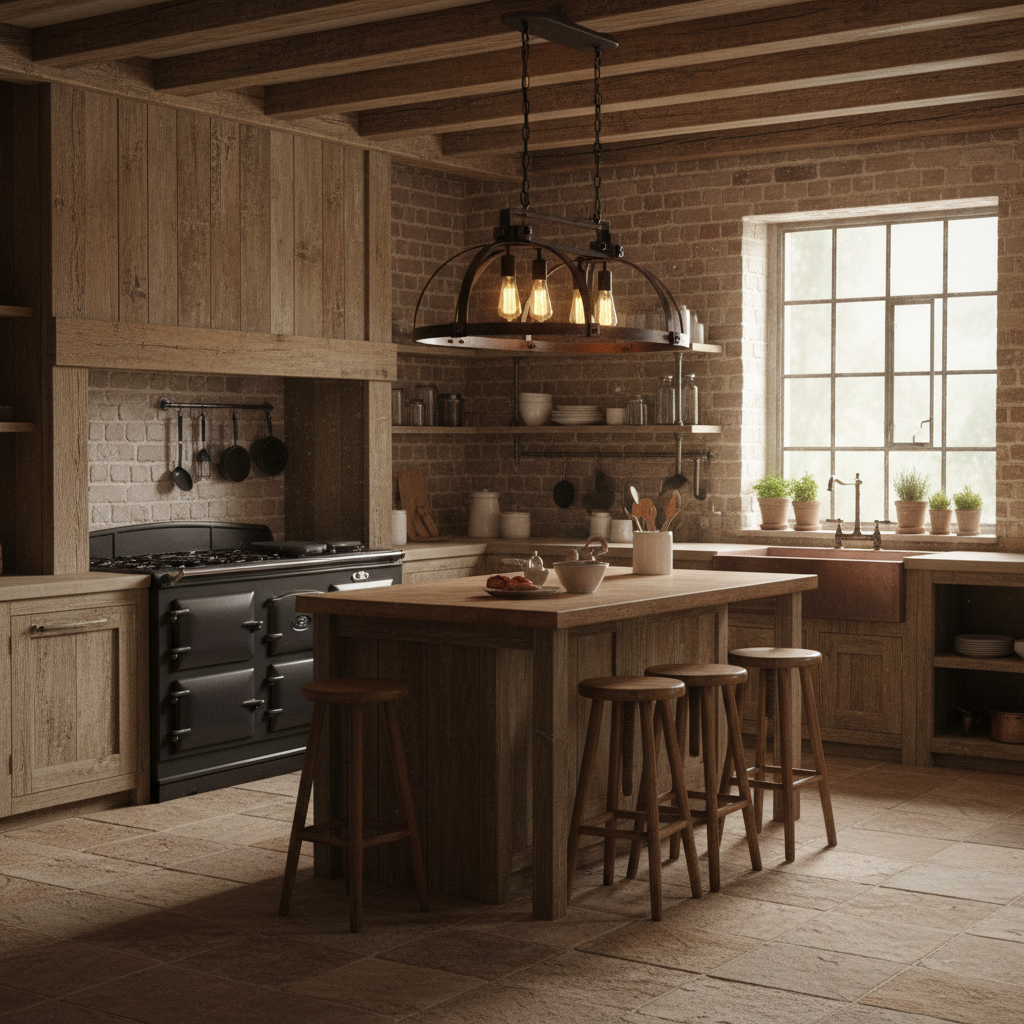
Lighting plays a crucial role in setting the mood. In a rustic kitchen, opt for fixtures that complement the natural aesthetic. Think wrought iron chandeliers, pendant lights with exposed bulbs or metal cages, or lanterns made from aged brass or copper. These pieces provide ambient light while also serving as decorative elements. Their robust materials and often simple, utilitarian shapes enhance the raw, authentic feel of the space, casting a warm glow that invites comfort and relaxation.
13. Copper Cookware Displays
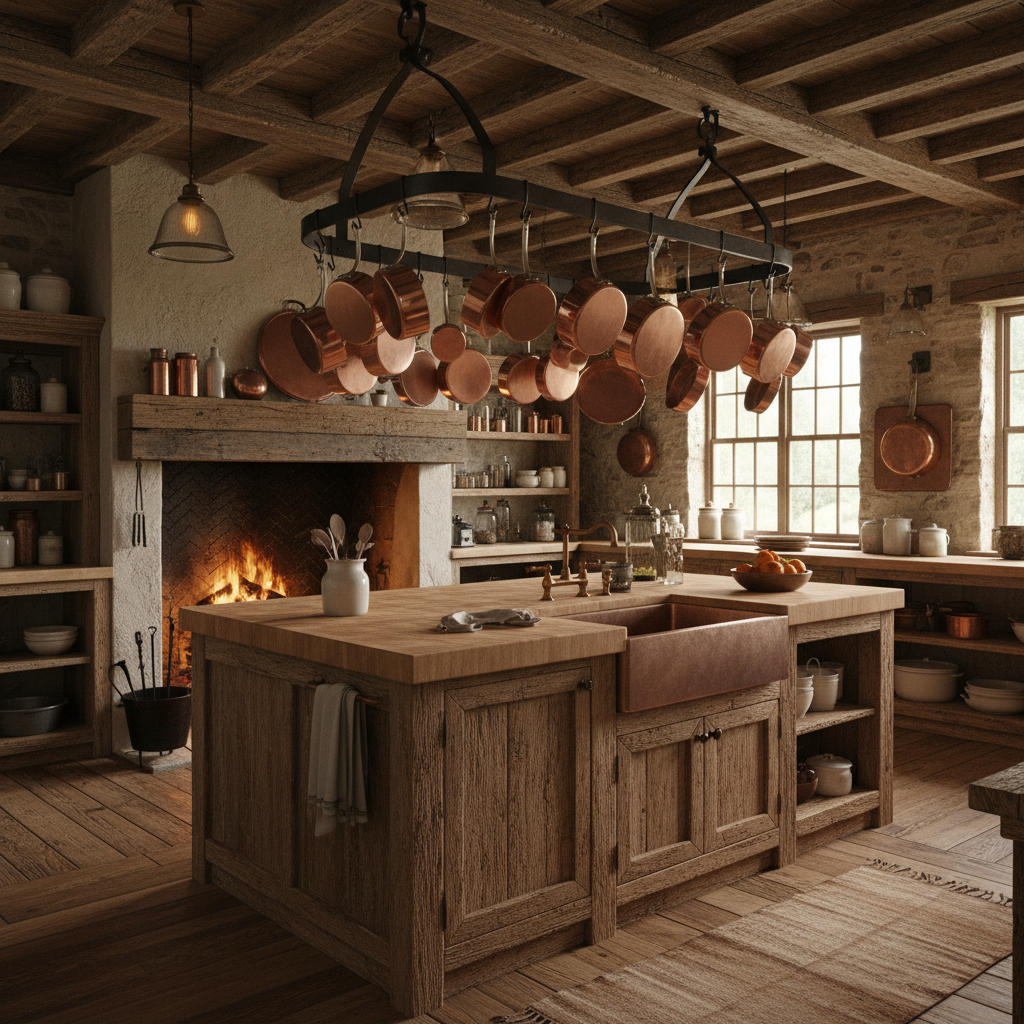
Few materials exude rustic elegance quite like copper. Displaying gleaming copper pots and pans on a wall rack or suspended over an island adds a touch of artisanal luxury and warmth. The rich, reddish-brown hue of copper brings a vibrant, metallic accent to the earthy palette of the kitchen. Beyond their aesthetic appeal, copper items evoke a sense of traditional cooking and craftsmanship, making the kitchen feel active, lived-in, and passionately cared for.
14. Textured Linen Curtains
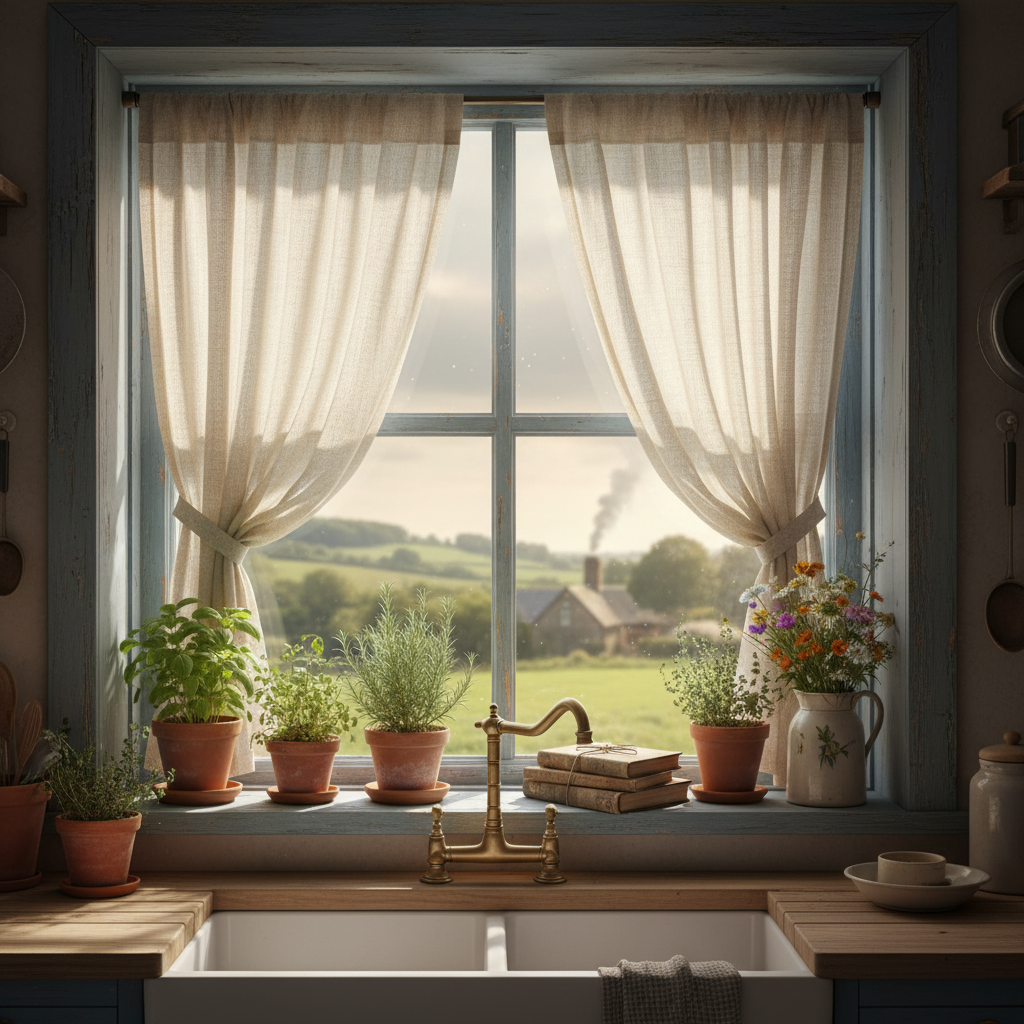
Window treatments in a rustic kitchen should be soft, natural, and understated. Sheer or semi-sheer linen curtains in natural flax, cream, or a soft gray allow light to filter gently while adding a layer of texture. The loose weave and subtle drape of linen bring an organic, relaxed feel to the space. Their presence softens the harder edges of cabinetry and countertops, contributing to a cozy, approachable atmosphere without blocking precious natural light or the view.
15. Mason Jar Decor
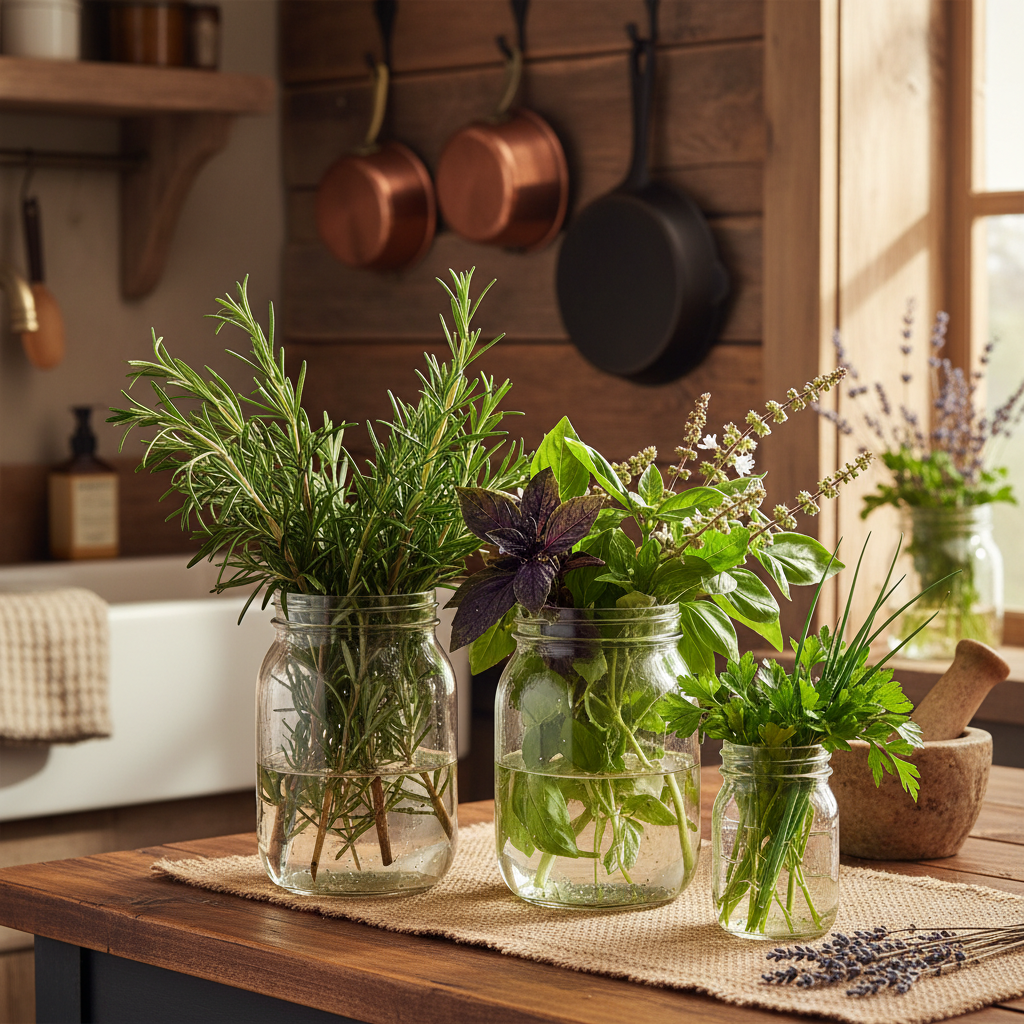
Mason jars are incredibly versatile and perfectly embody rustic simplicity. Use them for storing dry goods, as vases for fresh wildflowers or herbs, or even as DIY pendant light covers. Their clear glass and familiar silhouette bring a touch of homespun charm and practicality. They can be grouped on open shelves, a windowsill, or a kitchen island, adding a consistent, unpretentious decorative element that reinforces the kitchen’s warm, welcoming vibe.
16. Butcher Block Countertops
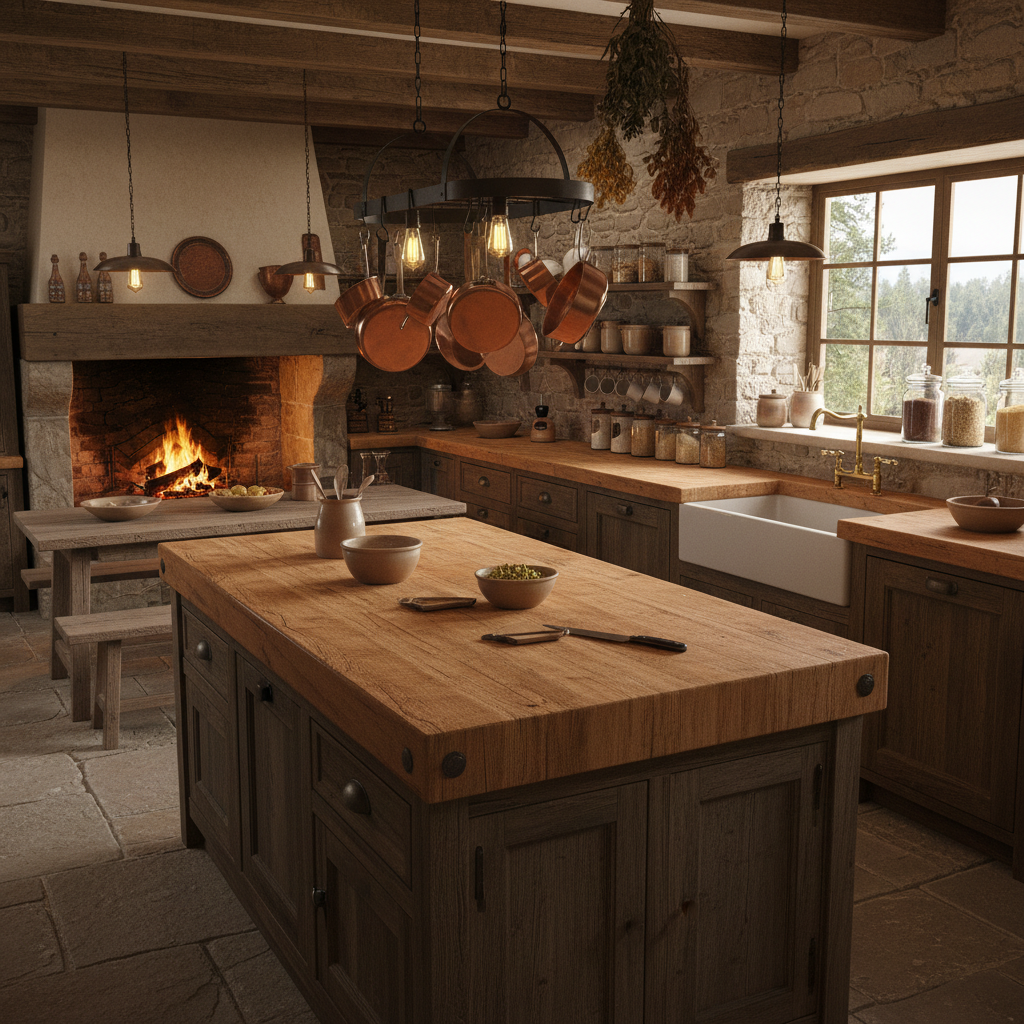
Butcher block countertops are a natural fit for rustic kitchens, offering warmth, durability, and a tactile surface. Made from planks of wood glued together, they can be crafted from various species like maple, oak, or walnut, each offering a unique grain and color. They develop a beautiful patina over time, adding to their character. Their organic feel contrasts beautifully with stone or ceramic elements, inviting a hands-on approach to cooking and creating a truly inviting workspace.
17. Fireplace Nook Integration
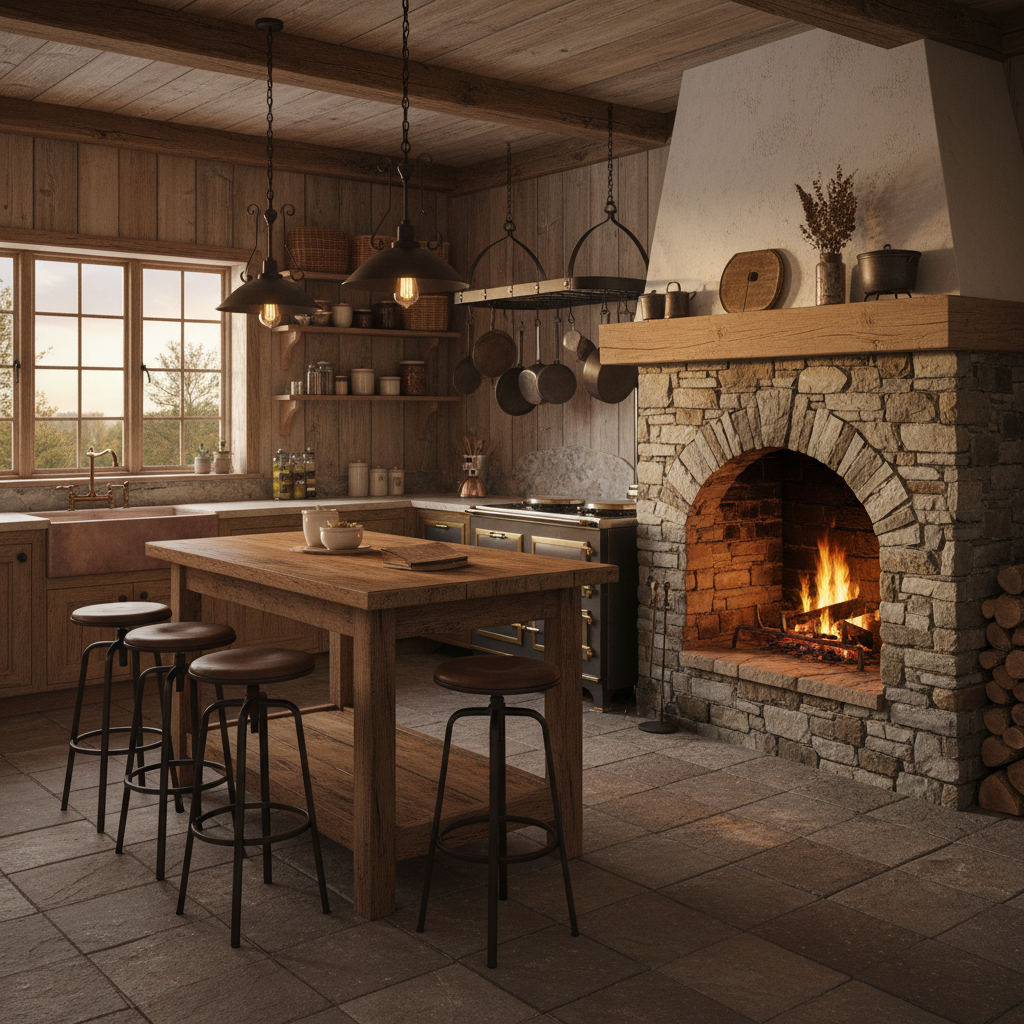
If space allows, integrating a small fireplace or wood-burning stove nook into the kitchen area creates an unparalleled sense of warmth and coziness. A stone or brick surround enhances the rustic appeal, making it a natural focal point during colder months. Even a decorative, non-functional fireplace can add significant charm. This element transforms the kitchen from purely functional to a true living space, encouraging long, comfortable gatherings and radiating ultimate welcome.
18. Antique Furniture Pieces
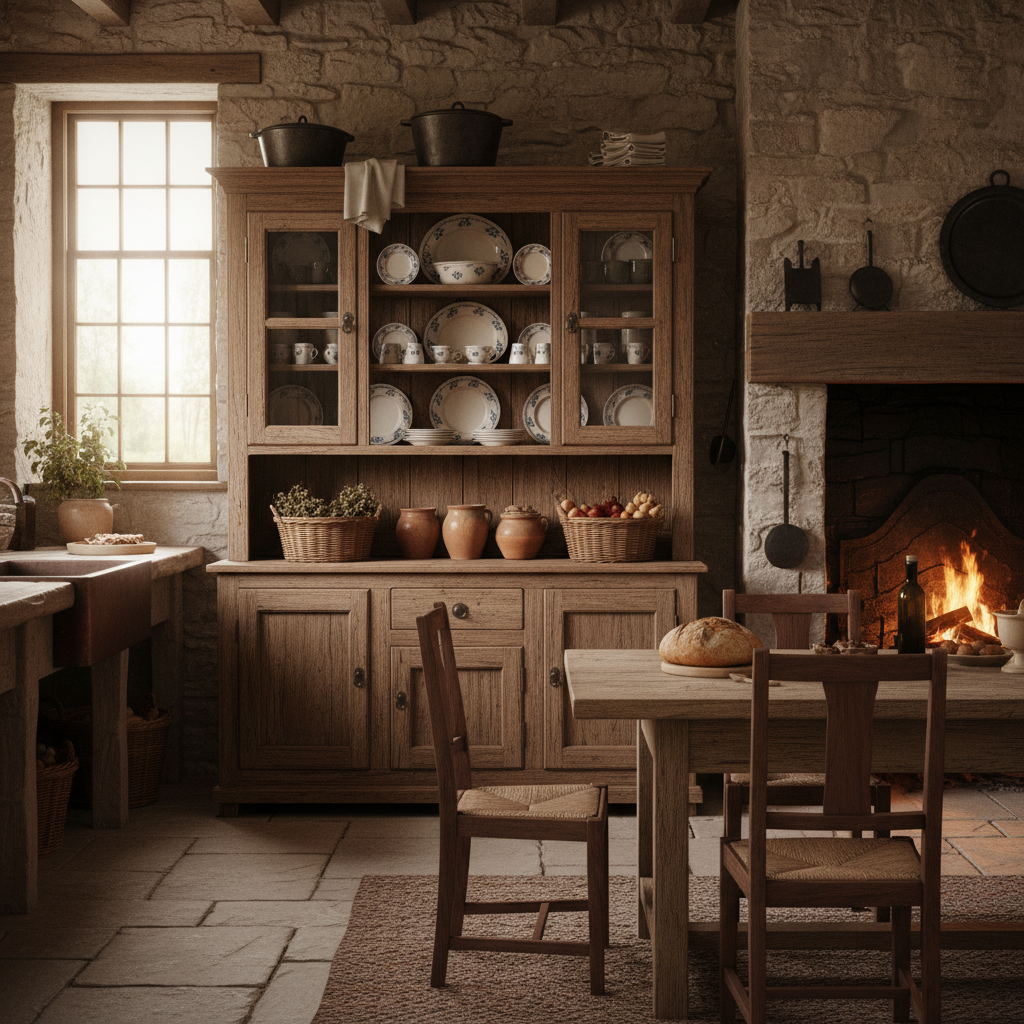
Infuse your rustic kitchen with character by incorporating genuine antique furniture. A vintage hutch, a weathered dining table, or an old wooden chest can serve as both storage and a statement piece. These items bring a sense of history and individuality that new furniture simply cannot replicate. Their aged patinas and unique forms contribute to a collected, layered look, making the kitchen feel rich with stories and personal touches.
19. Braided Rug Warmth
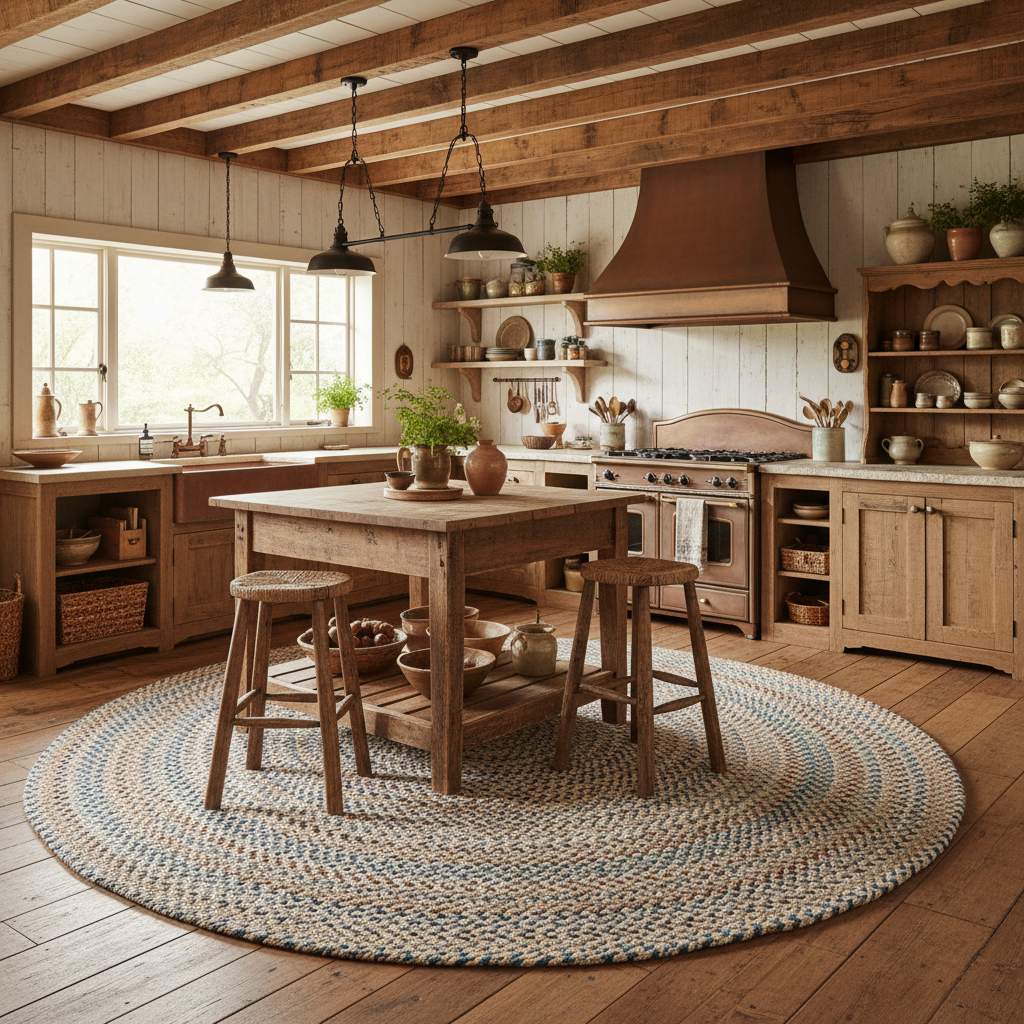
Add a layer of softness and color underfoot with a braided rug. Made from natural fibers like wool, jute, or cotton, these rugs introduce a comforting texture and absorb sound, making the kitchen feel quieter and more intimate. Choose earthy tones or subtle patterns that complement the overall rustic palette. Placed in front of the sink or under a dining table, a braided rug instantly enhances the cozy, homespun appeal of the space.
20. Greenery and Herbs
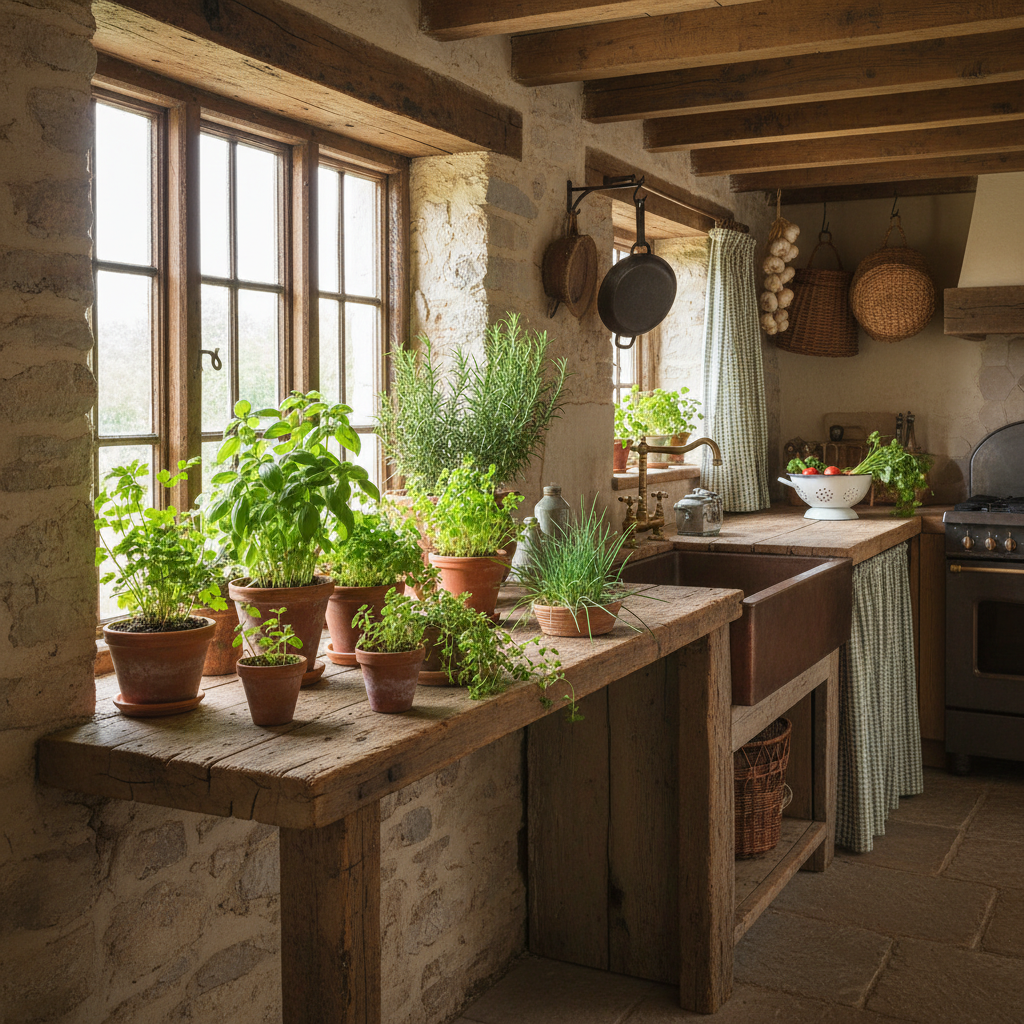
Bring the outdoors in with an abundance of fresh greenery and potted herbs. Small potted plants on windowsills, a cluster of herbs on the counter, or a hanging basket of ferns add life, color, and a refreshing natural element. Beyond their aesthetic appeal, herbs offer practical benefits for cooking, reinforcing the kitchen’s purpose. This touch of nature makes the space feel vibrant, healthy, and deeply connected to the natural world.
21. Shaker Style Cabinetry
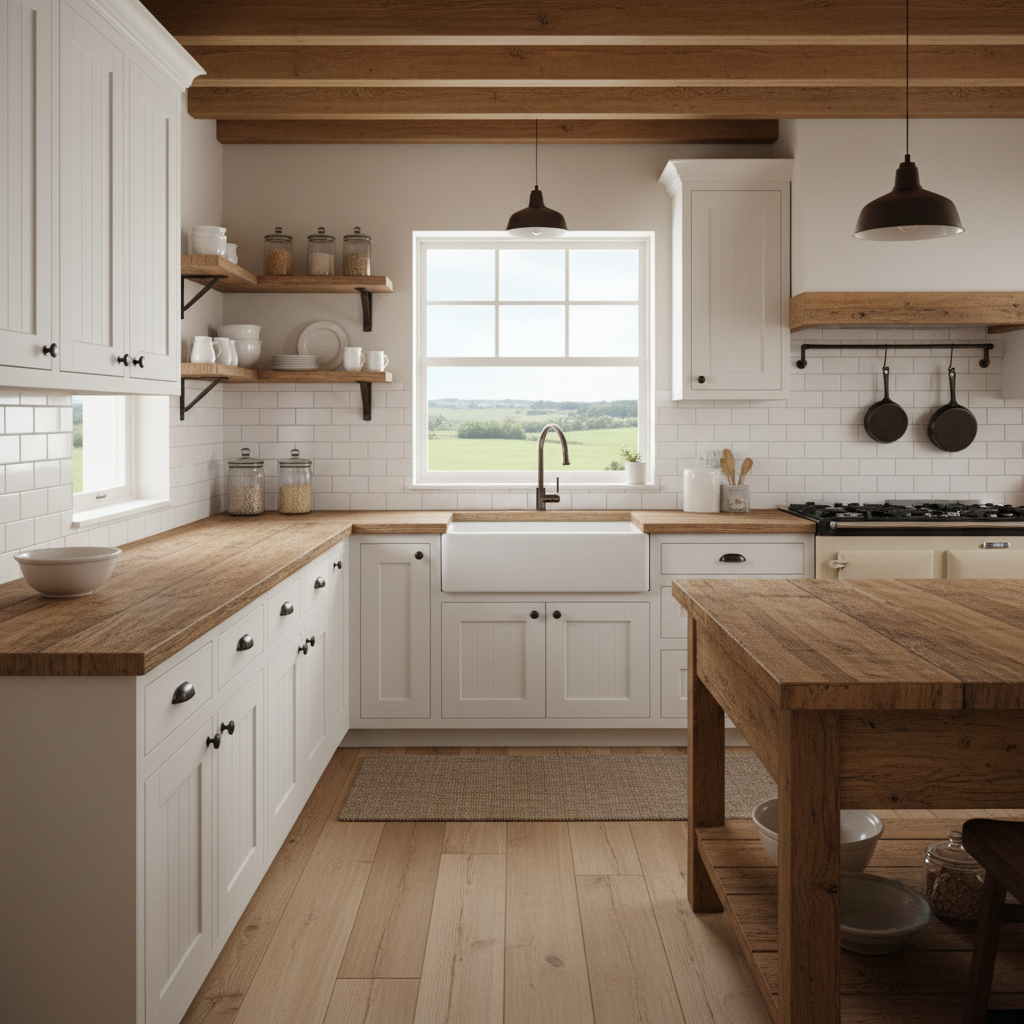
Shaker style cabinetry, known for its clean lines and simple, functional design, is a perfect complement to a rustic aesthetic. While often associated with modern farmhouse, its unadorned elegance and emphasis on natural wood or painted finishes (creams, grays, muted greens) fit seamlessly into rustic interiors. The flat panel and rail construction provides a calm, understated backdrop, allowing other rustic elements like stone, textiles, and vintage finds to truly shine without competition.
22. Barn Door Pantry
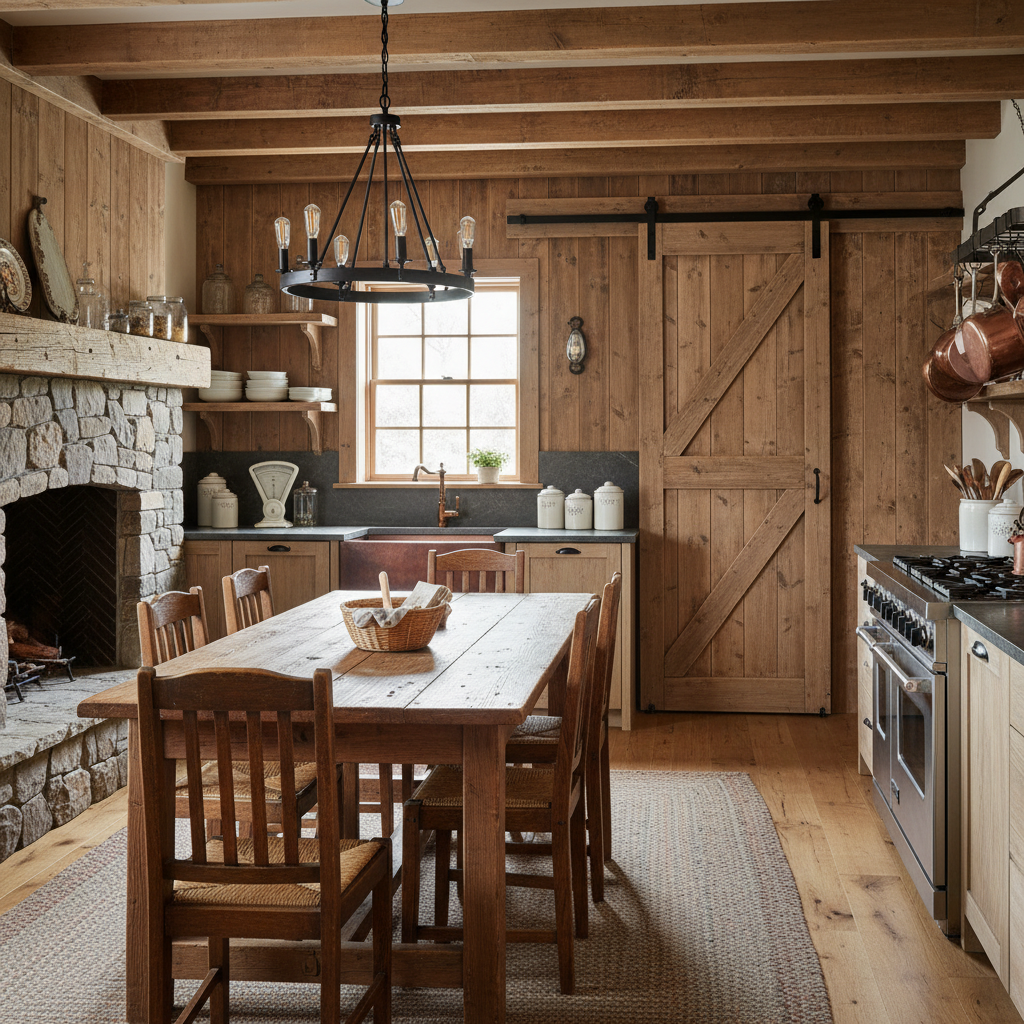
A sliding barn door for a pantry or storage area is a charming and space-saving rustic feature. Crafted from reclaimed wood, often with a distressed finish or a classic Z-brace design, these doors add architectural interest and a touch of rural charm. Their substantial presence and smooth sliding mechanism make them both practical and visually striking, reinforcing the kitchen’s rustic identity with an authentic, country-inspired element.
23. Warm Metallic Hardware
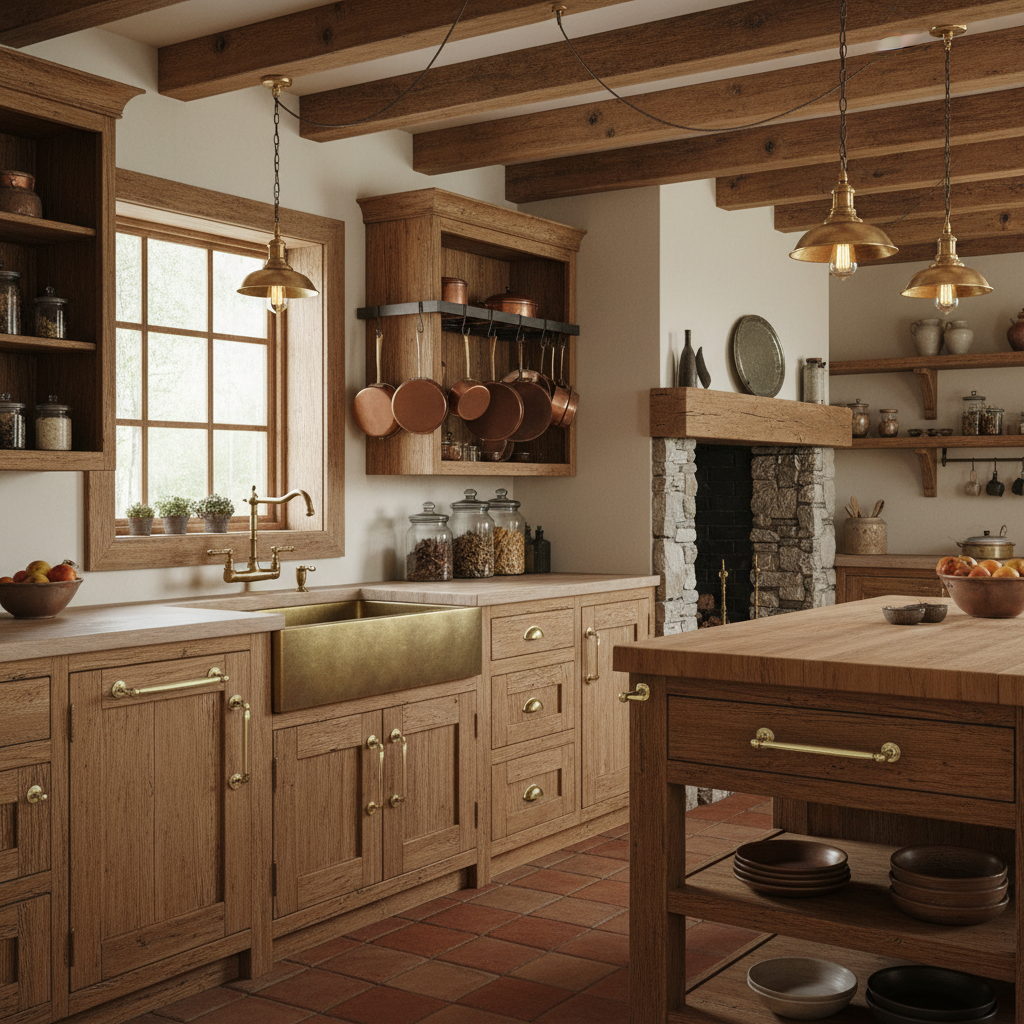
Beyond wrought iron, warm metallic hardware in finishes like aged brass, oil-rubbed bronze, or antique copper adds a subtle gleam and sophisticated touch to rustic kitchens. These metals develop a beautiful patina over time, enhancing their character. Used on cabinet pulls, knobs, and even light fixtures, they provide a gentle contrast to wood and stone, contributing to the overall warmth and richness of the space without being overly flashy.
24. Terra Cotta Tile Floors
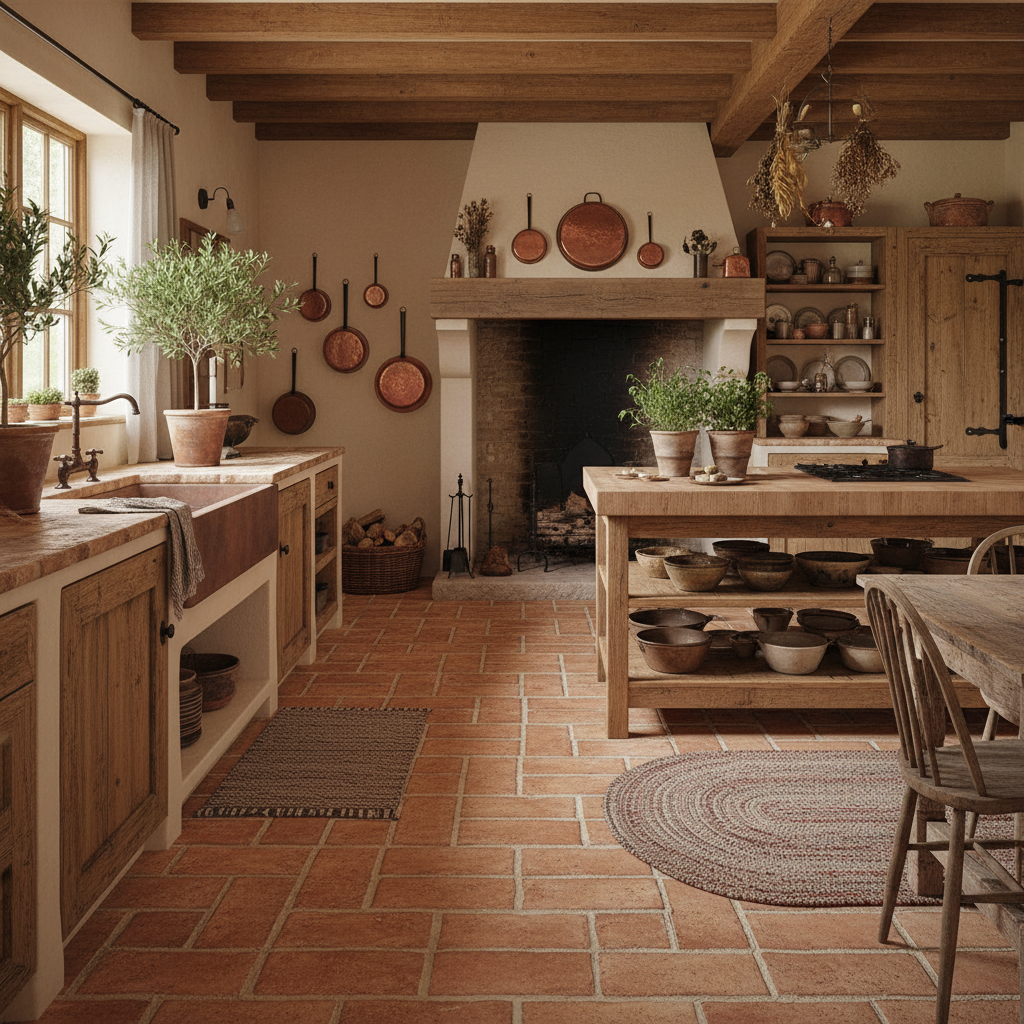
For a kitchen floor that truly speaks to rustic charm, consider terra cotta tiles. Their warm, earthy reddish-brown tones and natural variations bring an immediate sense of warmth and a sun-drenched, Mediterranean-inspired appeal. The unglazed, porous nature of terra cotta adds a wonderful tactile quality underfoot. These tiles are durable and develop a beautiful, lived-in patina over time, making them a perfect, authentic choice for a welcoming rustic kitchen.
25. Cozy Breakfast Nook
Creating a dedicated breakfast nook, even a small one, enhances the welcoming feel of a rustic kitchen. This might involve a small round wooden table with mismatched chairs, or a built-in bench with soft cushions. The key is to make it feel intimate and inviting, a place for quiet mornings or casual meals. Adorn it with a simple vase of flowers or a small, rustic pendant light to define the space and amplify its cozy charm.
26. Layered Textiles
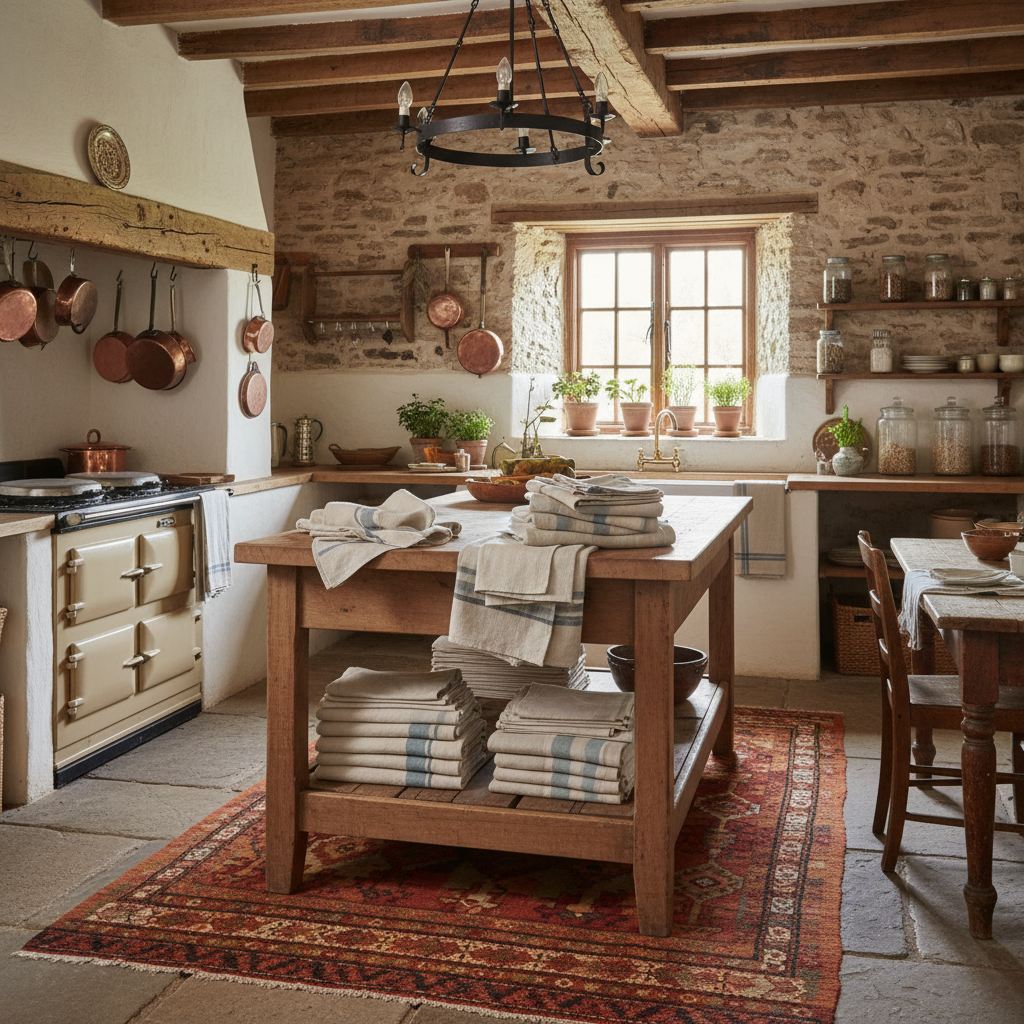
Layering textiles is a simple yet effective way to add warmth and softness to a rustic kitchen. Think about plush linen dish towels draped over an oven handle, a woven rug underfoot, or even a simple tablecloth on a kitchen island. Choose natural fibers like cotton, linen, wool, or jute in earthy tones or subtle patterns. These layers add tactile interest, absorb sound, and contribute to a feeling of comfort and domesticity, making the kitchen feel truly inviting.
27. Rustic-Industrial Blend
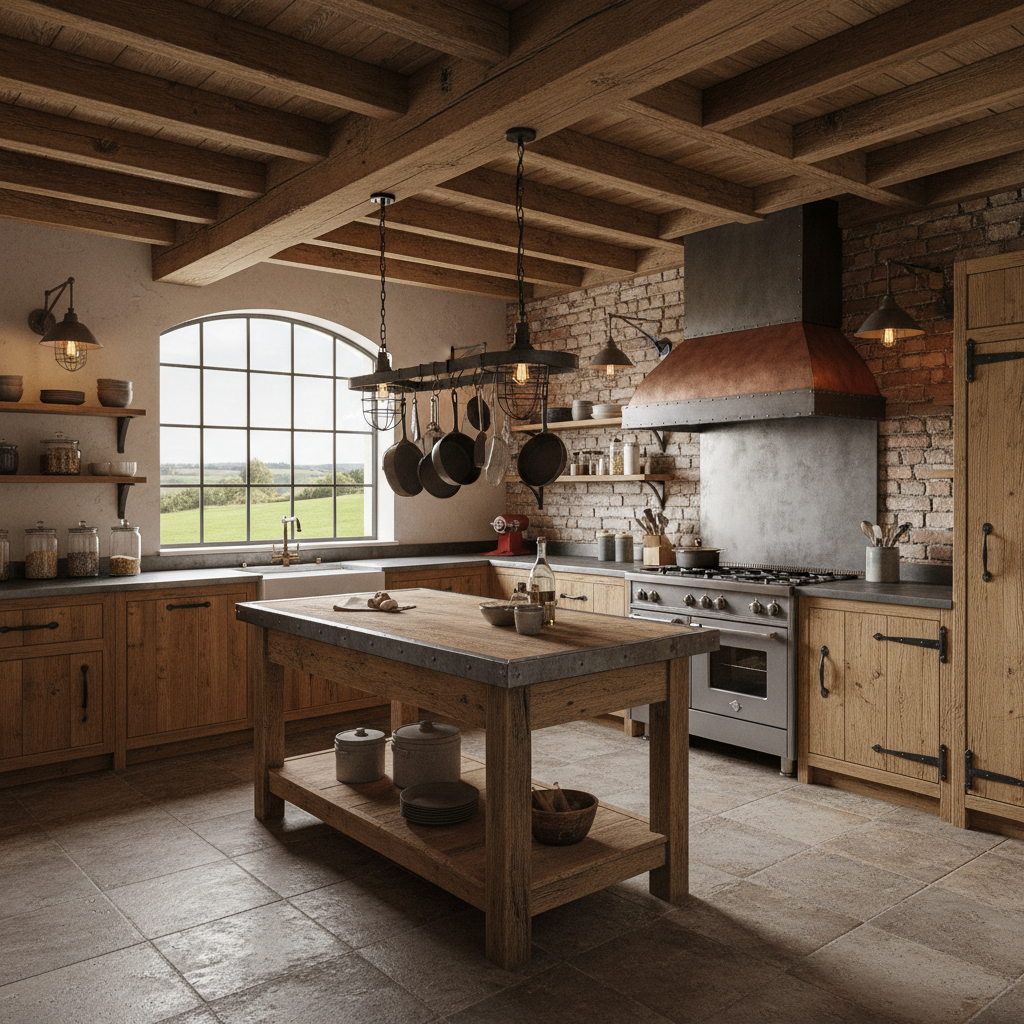
For a contemporary take on rustic, consider blending with industrial elements. This means pairing natural, distressed wood with darker metals like matte black steel or iron. Think exposed ductwork, metal-framed bar stools, or industrial-style pendant lights. The contrast between the raw, warm wood and the cool, utilitarian metal creates a dynamic and sophisticated look. This blend offers a fresh, edgy twist on traditional rustic, maintaining warmth while adding an urban, stylish edge.
Conclusion
Crafting a rustic kitchen is about more than just aesthetics; it’s about creating an atmosphere. It’s an invitation to slow down, to appreciate the beauty of natural materials, and to gather with loved ones in a space that feels genuinely comforting and real. From the rich textures of natural wood and stone to the thoughtful inclusion of vintage elements and cozy textiles, each of these 27 ideas contributes to a kitchen that truly feels warm and welcoming.
We hope these inspirations empower you to transform your kitchen into a cherished heart of your home, a place where every meal is a joy and every gathering a memory. Embrace the imperfections, celebrate the natural, and let your kitchen tell its own beautiful, rustic story.