

Weeds are the persistent nemesis of every homeowner and gardener. They invade walkways, crack driveways, and compete with prized plants for nutrients, light, and water. While industrial chemical herbicides are effective, they come with significant drawbacks, including environmental concerns, potential toxicity to pets and children, and the undesirable residue left in your yard.
The good news? Effective, budget-friendly, and surprisingly powerful weed killers often reside just steps away in your kitchen pantry. Experts agree that leveraging the acidic, dehydrating, and salt properties of three common kitchen staples allows homeowners to wage a highly effective, natural war on weeds.
This comprehensive guide delves into the science and application of the top three DIY kitchen staples recommended by gardening experts to kill weeds effectively, safely, and permanently, all while keeping your budget intact.
I. White Vinegar: The Acidic Powerhouse
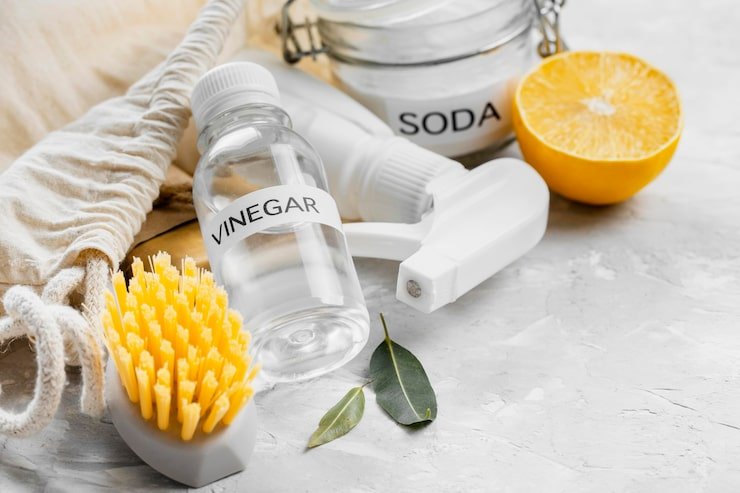
Ordinary white vinegar (typically 5% acetic acid) is the cornerstone of DIY weed control. It works by rapidly lowering the pH of the weed’s cells, causing instant cellular damage.
How the Science Works
Vinegar’s power lies in acetic acid. When applied directly to plant foliage, the acid breaks down the cell membranes and draws out the moisture. This rapid desiccation process causes the leaves to wilt, turn brown, and die, often within 24 hours.
- Mechanism: Non-selective contact herbicide. It kills only the plant material it touches and does not linger in the soil.
- Best for: Young, tender annual weeds (like chickweed, purslane, and small dandelions) and weeds growing in paved areas (driveways, walkways, patios) where soil pH isn’t a concern.
Expert Application Tips for Maximum Effect
- Concentration is Key: While standard 5% household vinegar works on small, new weeds, stubborn or mature weeds may require horticultural vinegar (20% acetic acid). However, horticultural vinegar is extremely corrosive and requires caution, including gloves and eye protection. Stick to household vinegar for general DIY use.
- Timing: Apply the vinegar mixture on a hot, sunny, and windless day. Heat accelerates the acid’s dehydrating effect, maximizing the burn. Applying it on a cloudy day may dilute the effect and allow the weed to recover.
- Targeting: Vinegar is non-selective, meaning it will kill any plant it touches, including grass and prize flowers. Use a spray bottle and shield desirable plants with cardboard when targeting weeds.
- The Boosted Recipe (Recommended): For tough weeds, many experts recommend adding dish soap to the vinegar mixture.
- Ratio: 1 gallon of white vinegar + 1 tablespoon of liquid dish soap.
- Why the Soap? Dish soap acts as a surfactant (a sticking agent). Weeds often have a waxy coating that repels water (and vinegar). The soap breaks the surface tension of the liquid, allowing the acid to adhere to the leaves and penetrate the cell walls more effectively.
II. Table Salt (Sodium Chloride): The Soil Sterilizer
Common table salt (sodium chloride) is highly effective at killing plants due to its extreme dehydrating properties. However, its use requires caution because of its impact on soil health.
How the Science Works
Salt kills plants by interfering with the process of osmosis. When salt is absorbed by the roots, it drastically alters the osmotic pressure, drawing water out of the plant cells and effectively dehydrating the weed from the inside out. When applied directly to the soil, it makes the surrounding area hostile for plant growth.
- Mechanism: Non-selective dehydration and potent soil sterilizer.
- Best for: Weeds growing in areas where no plant growth is desired, such as cracks in asphalt, between paver stones, or along fence lines. Never use salt near gardens, flower beds, or lawns.
Expert Application Tips for Safety and Permanence
- Restricted Use Only: Experts universally advise extreme caution with salt. Excess salt buildup in the soil prevents future plant growth for a long time, sometimes permanently, turning the treated area into a barren patch.
- Controlled Application: The most effective and controlled method is mixing salt with water.
- Recipe: 1 part salt to 8 parts hot water. Stir until the salt dissolves completely.
- Application: Pour the hot solution directly onto the weeds and saturate the soil around the base. The heat from the water provides an initial burn, and the salt prevents regrowth.
- The Direct Method (For Cracks Only): For weeds popping up in driveway cracks, you can sprinkle dry salt directly into the cracks, followed by a light mist of water to help it dissolve and penetrate the soil. This is the only acceptable way to apply dry salt.
- Avoid Runoff: Ensure your salt mixture does not run off into the lawn, surrounding beds, or storm drains. Use only the minimum amount necessary and keep the application strictly confined to the target area.
III. Rubbing Alcohol (Isopropyl Alcohol): The Ultimate Dehydrator
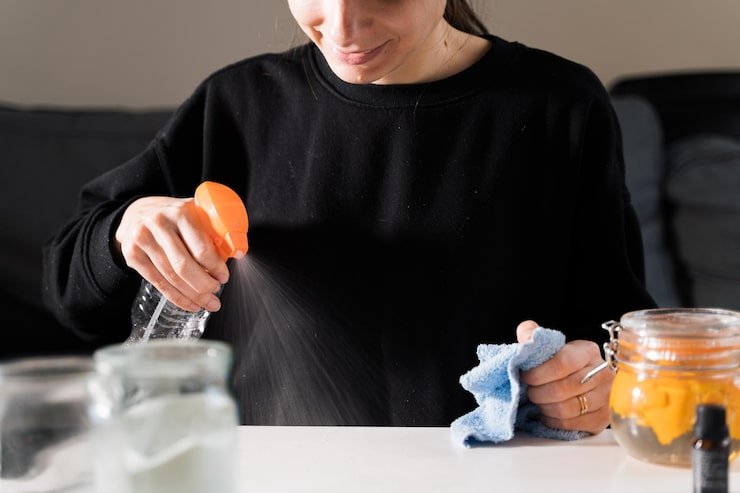
While often stored in the medicine cabinet, rubbing alcohol (isopropyl alcohol) is a powerful desiccating agent that can be used safely and effectively as a contact weed killer.
How the Science Works
Rubbing alcohol contains high concentrations of pure alcohol, which are highly volatile and rapidly evaporate. When sprayed onto plant leaves, the alcohol draws out the moisture from the cellular structure, causing the plant to shrivel and die.
- Mechanism: Non-selective rapid dehydration and cellular damage.
- Best for: Spot-treating individual weeds, particularly those with deep roots (like dandelions), as the alcohol helps break down the cellular structure of the leaves, weakening the overall plant.
Expert Application Tips for Clean Results
- Dilution is Necessary: Do not use pure rubbing alcohol, as it evaporates too quickly. Dilution ensures the solution stays on the leaf long enough to do its damage.
- Recipe: Mix 1 part rubbing alcohol with 2 parts water in a spray bottle.
- Optional Boost: As with vinegar, a few drops of dish soap can be added to help the alcohol stick to waxy leaves.
- Focus on Sunlight: Like vinegar, alcohol works best on hot, sunny days because the sunlight speeds up the chemical reaction and the dehydration process, ensuring the weed is killed before it has a chance to recover.
- Spray Volume: Spray just enough of the solution to thoroughly coat the entire weed, especially the leaves, until it begins to drip. Avoid excessive saturation of the surrounding soil.
Combining Forces: The Ultimate DIY Weed Killer Mix
For the toughest, most established perennial weeds (those that come back year after year), experts sometimes recommend a combined approach that maximizes the strengths of all three staples.
- The Super Mix (Use ONLY in Non-Lawn Areas):
- 1 Gallon White Vinegar
- 1 Cup Epsom Salt or Table Salt (Note: Epsom salt is magnesium sulfate, a safer alternative to sodium chloride, but still dehydrates and should be used with caution.)
- 1/4 Cup Liquid Dish Soap
- Optional: A splash of Rubbing Alcohol (to boost desiccation).
This combination provides rapid acidic breakdown (vinegar), sticky adherence (soap), and powerful, long-lasting root dehydration (salt). Warning: This mixture is potent and should only be used on non-porous surfaces or in areas you never want to grow anything, such as gravel patios or driveway cracks.
Conclusion: Safety First, Success Second

Using kitchen staples provides an effective, low-cost, and environmentally conscious alternative to chemical herbicides. The success of these DIY methods hinges entirely on proper application and understanding their mechanisms:
- Targeting is Essential: Remember these are non-selective killers; they will destroy any plant life they touch. Use caution and precision.
- Timing is Crucial: Always apply on a hot, dry, sunny day to maximize the dehydration process.
- Root Control: For stubborn perennial weeds like dandelions with taproots, simply killing the leaves is insufficient. You must repeat the application weekly until the root crown is exhausted, or manually dig out the main root after the foliage has died.
By harnessing the acidic, dehydrating, and hyper-saline power of vinegar, alcohol, and salt, you can maintain a beautiful, weed-free property without resorting to expensive, toxic chemicals—proving that the best tools for yard maintenance can often be found right next to your stove.