
When selling a home, every detail is scrutinized by prospective buyers, and the flooring is one of the most immediate and impactful elements they assess. Flooring covers the largest visible surface area in your house, and its condition, material, and style speak volumes about the property’s overall maintenance and modernity.
While a high-quality, neutral floor can instantly boost appeal and justify a higher price, certain flooring designs and material choices can act as instant deterrents, raising red flags about hidden costs, health concerns, and the need for immediate, expensive replacement. Essentially, these poor flooring choices make your home feel less like a dream purchase and more like a mandatory renovation project, dramatically slowing down the sale process and forcing you to accept lower offers.
This comprehensive guide details the flooring decisions that actively work against your sale, categorized by material, style, and installation errors.
I. Material Choices That Signal Immediate Cost and Hassle
Buyers are inherently risk-averse. Any material that suggests high maintenance, poor hygiene, or future water damage will immediately cause them to factor in a significant cost deduction.
1. Wall-to-Wall Carpet (Especially in Main Living Areas)
Carpet is arguably the single biggest deterrent for modern buyers, particularly when installed throughout main living areas, dining rooms, and especially in high-moisture zones like kitchens or bathrooms.
- Hygiene Nightmare: Carpet traps dust, allergens, pet dander, dirt, and, most damagingly, odors (smoke, mold, mildew, pets). Buyers view it as unsanitary and a potential health hazard.
- Perception of Age: While a few years ago carpet was acceptable in bedrooms, its presence throughout the house signals an older or less maintained home, as modern design overwhelmingly favors hard flooring for easy cleaning and durability.
- Immediate Removal Cost: Buyers will immediately calculate the cost of ripping out the carpet, disposing of it, and installing a hard surface, often deducting this figure (and then some) from their offer.
2. Low-Quality or Old Laminate Flooring
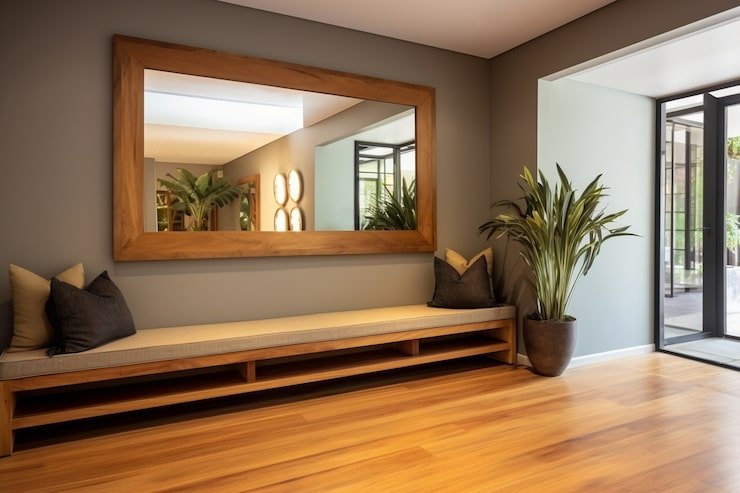
While modern, high-end laminate has improved, older or cheaper laminate is a major value killer.
- Water Damage Risk: Most laminate has a compressed fiberboard core that swells and warps irreversibly when exposed to water, making it a liability in kitchens, entryways, or anywhere spills are common. Buyers are aware of this fragility.
- Unrealistic Look: Cheaper laminate often has a poor print quality and texture that looks obviously “fake” compared to real wood or high-quality Luxury Vinyl Plank (LVP), giving the impression of a budget, temporary fix.
3. Solid Hardwood in Wet Areas
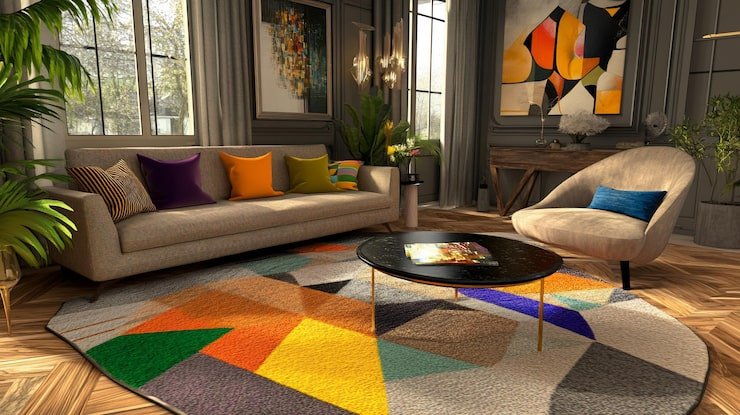
Although hardwood is highly desirable in bedrooms and living spaces, placing it in full bathrooms, laundry rooms, or basements is a major red flag for buyers.
- Water Damage Liability: Even well-sealed hardwood is susceptible to moisture, leading to cupping, warping, mold growth underneath, and potential structural rot over time. Buyers fear the inevitable repair costs associated with wood in perpetually damp environments.
- The Best Alternative: For a wood look in bathrooms, wood-look porcelain tile or 100% waterproof LVP is a far superior, value-adding choice.
II. Polarizing Styles and Outdated Design Fads
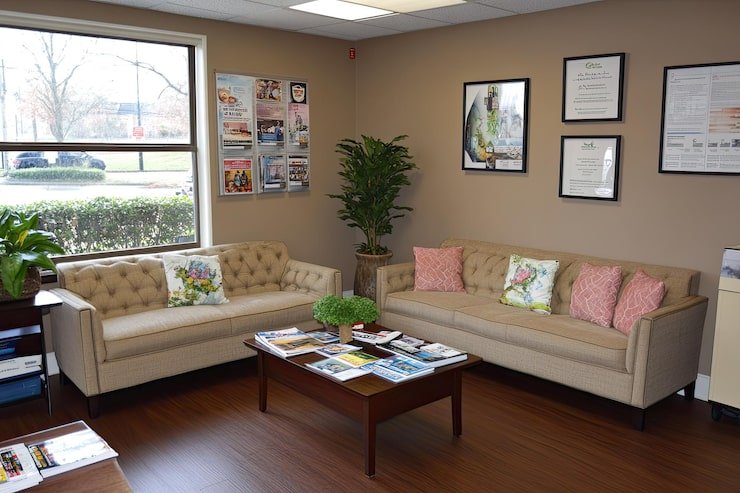
Certain flooring designs were once trendy but are now severely dated. These choices don’t just look old; they create visual “friction” that prevents buyers from seeing themselves in the home.
1. Overly Dark or Overly Cool-Toned Flooring (The “Ashen Gray” Fad)
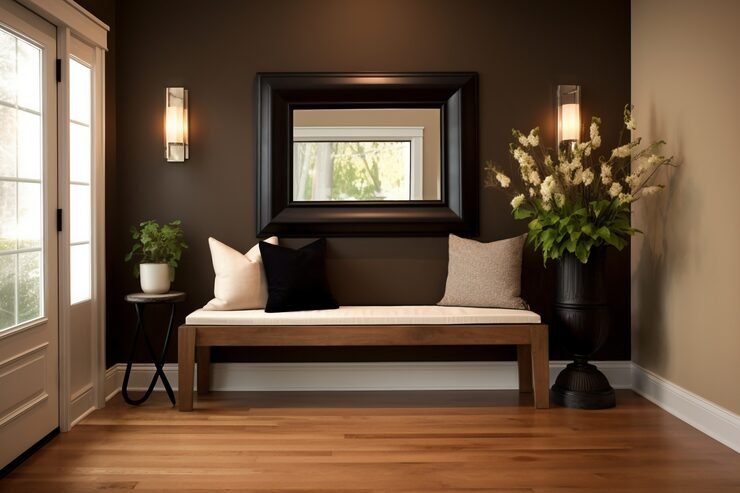
In the late 2010s, very dark espresso browns and cool, ashy gray wood-look floors dominated the market. This trend is rapidly fading, replaced by warmer, lighter tones.
- Cold and Stark: Cool-toned grays can make a home feel cold, institutional, and less inviting. Buyers overwhelmingly prefer the coziness of natural, medium, or white oak tones.
- Illumination Issues: Very dark floors make rooms feel smaller and absorb light, forcing buyers to envision a less bright and cheerful living space.
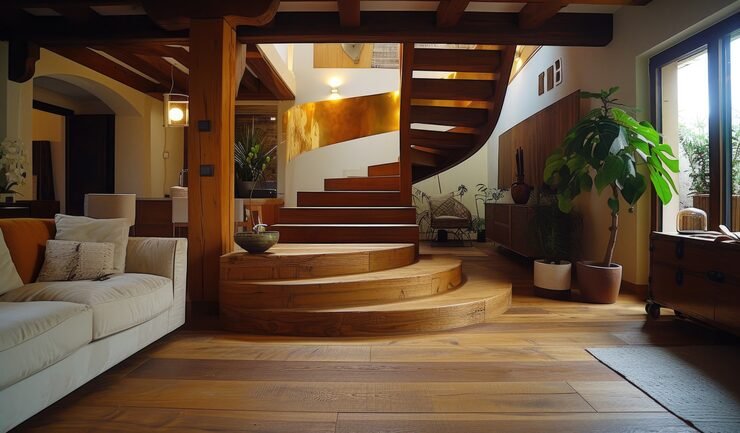
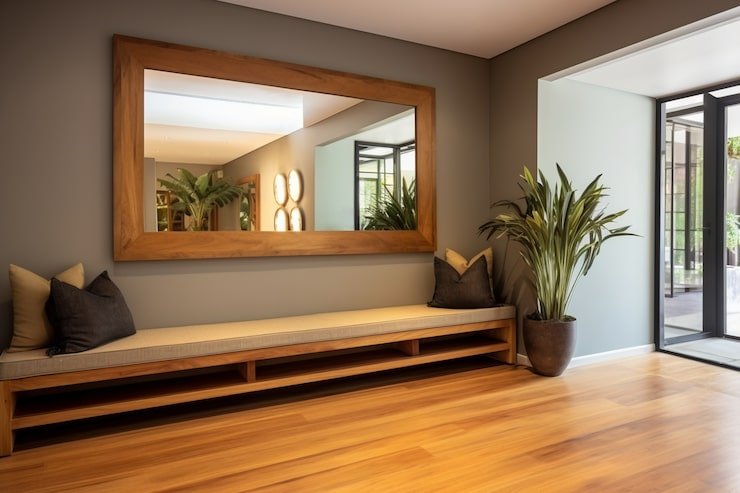
- The Current Standard: Neutral, wide-plank flooring (5 inches and up) in warm, matte-finish tones (like natural oak, honey, or medium brown) is the safest and most value-retaining choice.
2. Narrow Wood Planks (Under 3 Inches)
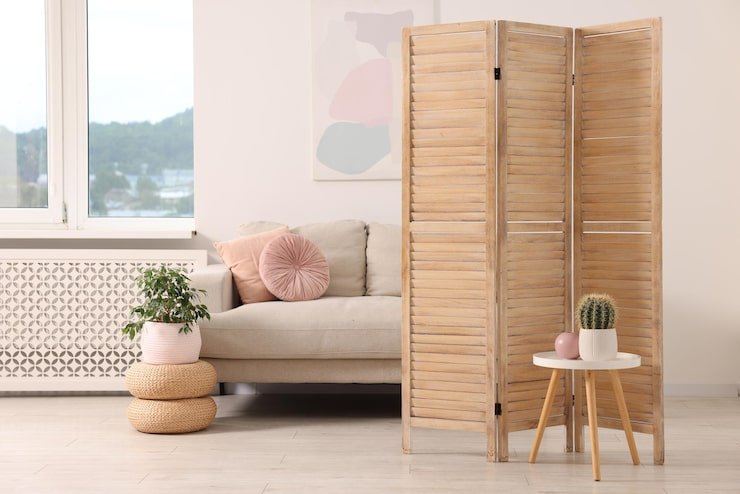
Flooring composed of thin, narrow strips of wood (typical of 1980s and 1990s construction) instantly dates a home.
- Aesthetics: Modern residential design favors wide plank flooring (5 to 8 inches wide). The wider the plank, the fewer seams and lines you see, which creates a more expansive, custom, and contemporary aesthetic.
- Perceived Quality: Narrow strips are now associated with older, mass-market homes, while wide planks suggest a higher-end, custom build.
3. Busy, Colorful, or Geometric Patterns
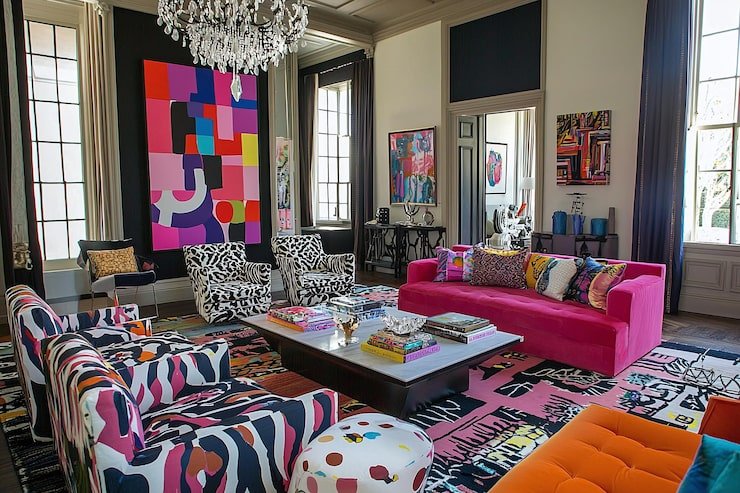
While certain intricate patterned tiles (like encaustic-look porcelain) can be charming in a small powder room, using bold, busy, or brightly colored patterns across large, main floor areas is highly detrimental to the sale.
- Divisive Design: Flooring is a permanent fixture and should serve as a neutral backdrop. A bold pattern is polarizing; it might appeal to 1 in 10 buyers, but the other 9 will see it as something they must pay to remove.
- Visual Noise: Busy patterns create visual clutter, making spaces feel smaller and harder to decorate around. Buyers want a canvas, not a statement piece, when viewing the floor.
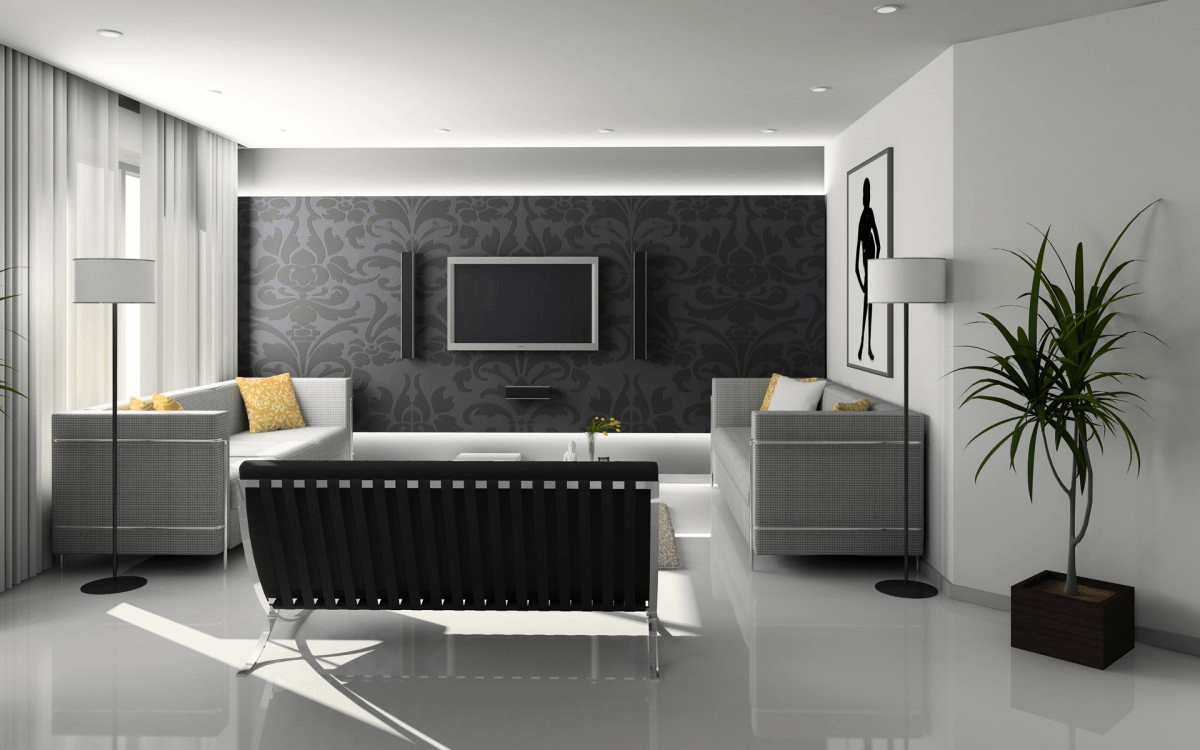
4. Excessive Gloss Finishes
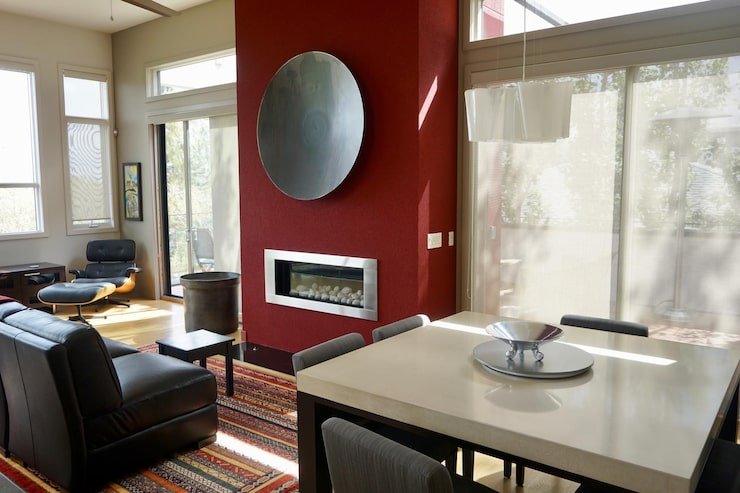
Floors with a very high-gloss, mirror-like finish (whether wood or tile) are often perceived negatively.
- Shows Everything: High-gloss finishes highlight every scratch, scuff, speck of dust, and footprint, demanding constant meticulous cleaning.
- Outdated Look: The modern trend across all hard surfaces is toward low-sheen or matte finishes, which are more forgiving, sophisticated, and create a softer, more custom appearance.
III. Installation and Consistency Errors (The Flow Killers)

The most detrimental mistakes are often related to inconsistent use and poor installation, which destroys the perceived quality of the home’s structure.
1. Choppy and Inconsistent Transitions
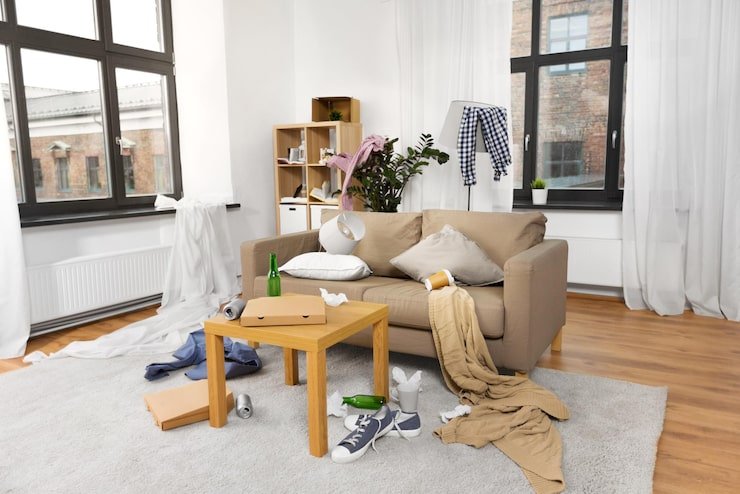
Having too many different types of flooring butting up against each other (e.g., carpet meeting tile meeting two different shades of laminate) makes a house feel disjointed, smaller, and poorly planned.
- Lack of Flow: Buyers value a cohesive, seamless flow throughout the main floor. When the flooring changes frequently, it feels like a series of small, separate rooms rather than a unified open space.
- The Fix: Using one single hard floor material (like LVP or hardwood) consistently across the entire main living level is one of the most cost-effective ways to make a house feel larger and more high-end.
2. Misaligned or Poorly Prepared Subfloor
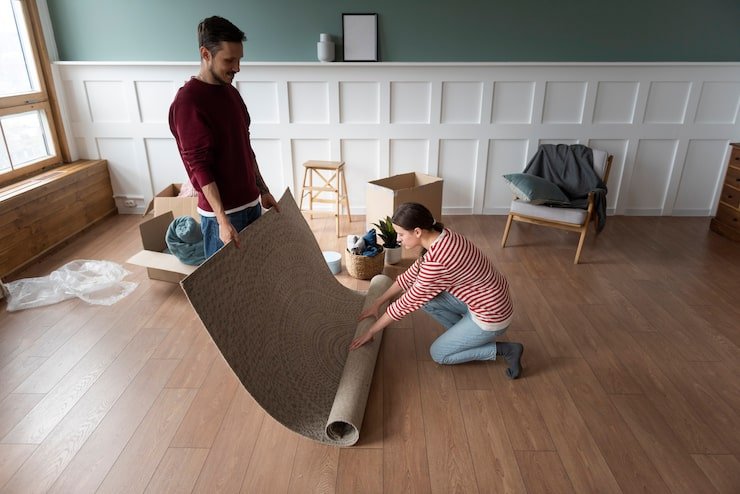
An installation failure, but one that is instantly felt by the buyer. Floors that creak excessively, feel springy, are visibly uneven, or have misaligned grout lines signal deep-seated structural or quality control issues.
- Major Red Flag: These flaws cause immediate distrust. Buyers fear that the poor visible installation is masking an expensive problem with the subfloor or foundation and will demand a significant credit to address the potential unknown costs.
3. Old, Discolored, or Cracked Grout
In tile installations (kitchens, bathrooms, entryways), the grout’s condition is as important as the tile itself. Old, cracked, or severely stained grout (especially white) gives the entire room a look of neglect and poor sanitation, forcing buyers to visualize the arduous task of scrubbing or replacing it.
Conclusion
To ensure your flooring adds value and speeds up the sale of your home, simplicity and quality must be your mantra. Avoid the polarizing colors, dated narrow planks, and high-maintenance materials that raise questions for buyers.
Focus on:
- Hard Surfaces: Prioritize hardwood, engineered wood, LVP, or porcelain tile.
- Neutrality: Choose warm, natural, medium-toned woods or classic white/gray tiles.
- Consistency: Install one type of hard flooring across the largest contiguous area possible to maximize flow and visual space.
By eliminating these common flooring pitfalls, you present a clean, high-quality, and move-in-ready product that appeals to the broadest market, making your home much easier (and more profitable) to sell.