
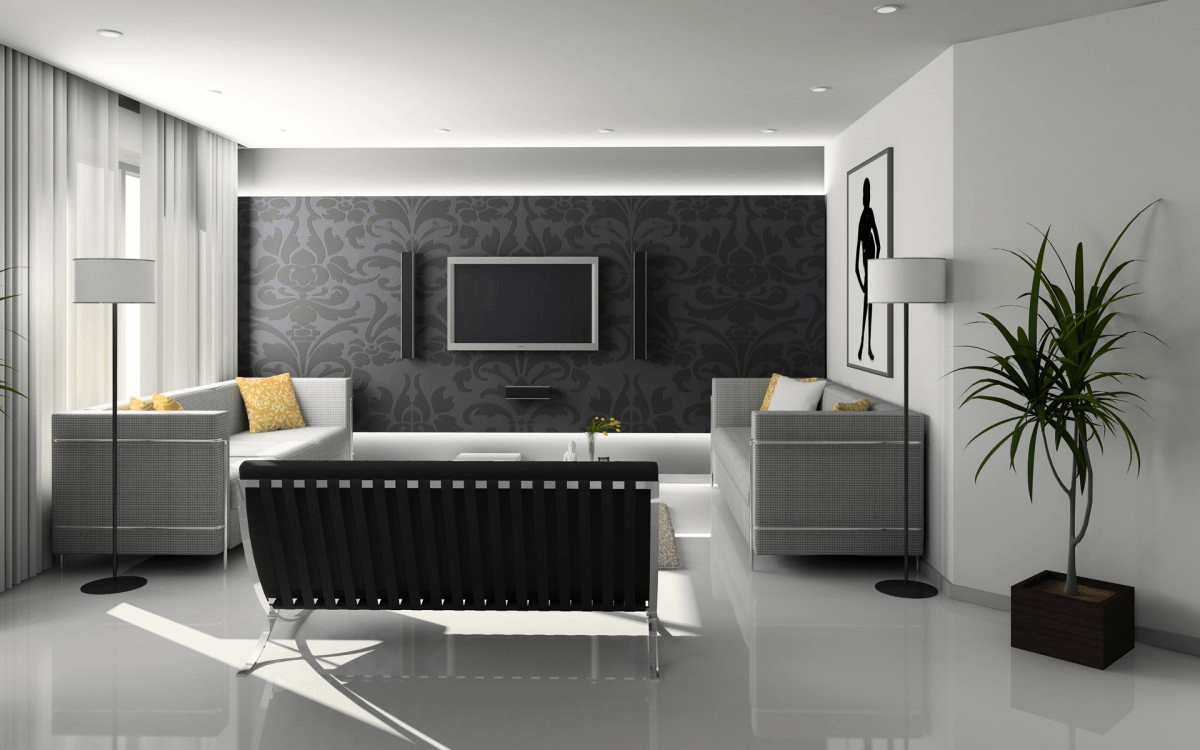
A coffee table may seem like a small detail in your living room, but it’s often the piece that pulls the entire space together. It’s the perfect balance between function and style — a place to hold your morning coffee, display décor, or add a touch of personality to your home.
Styling a coffee table like a pro doesn’t mean crowding it with random décor or copying a catalog photo. It’s about creating balance — a mix of beauty, practicality, and personal touches that reflect your lifestyle.
Whether your aesthetic is modern, minimal, cozy, or eclectic, these ideas will help you master the art of coffee table styling — effortlessly and elegantly.
1. Start with a Clean Slate

Before you start decorating, clear everything off your coffee table. Wipe it down, and look at it as a blank canvas.
Ask yourself what the table is made of and how that material will influence your style.
- Wood brings warmth and texture.
- Glass feels airy and modern.
- Marble adds elegance and luxury.
- Metal introduces an industrial edge.
Understanding your base helps you choose complementary décor pieces. For example, a sleek glass table pairs beautifully with bold, sculptural objects, while a rustic wooden table shines with natural textures like linen, ceramics, or greenery.
2. Use the Rule of Three

When it comes to styling, decorators often follow the rule of three — grouping items in odd numbers looks more natural and visually pleasing than even-numbered arrangements.
You don’t have to stick to exactly three items, but think in clusters of three categories — for example:
- A stack of books
- A decorative object
- A vase or plant
Each item should have a different height, texture, and purpose to create contrast and interest. Varying scales and materials prevent your table from looking flat or overly symmetrical.
3. Add a Tray for Structure
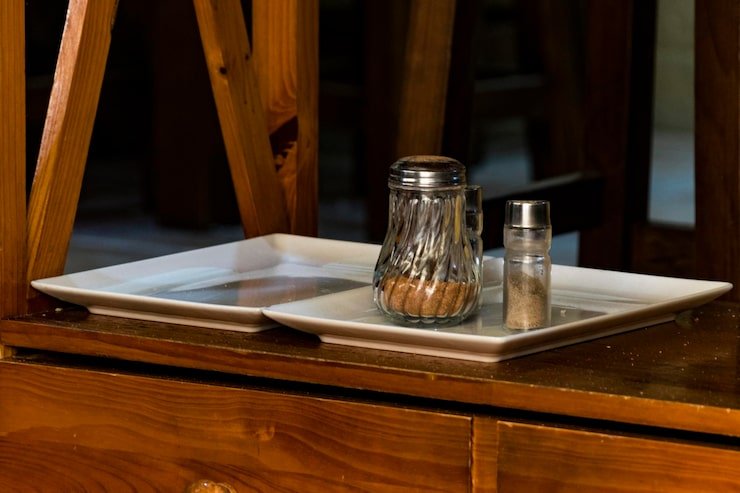
A tray is a designer’s secret weapon for coffee table styling. It creates boundaries, keeps décor organized, and makes everything look intentional.
Choose a tray that complements your table — wood for warmth, metal for glam, or rattan for a relaxed vibe. You can fill it with a few core items:
- A candle or diffuser
- A small plant or flowers
- A stack of coasters or a decorative bowl
The tray acts like a “mini vignette” within your table — a small, styled section that adds order and sophistication without looking cluttered.
4. Layer Books and Magazines
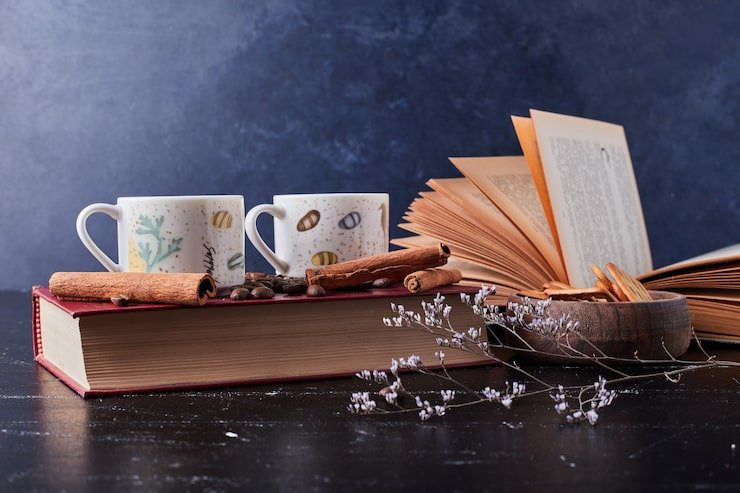
Books are essential to any well-styled coffee table. They add personality, height, and color — and they’re great conversation starters.
Choose a few hardcover books that reflect your interests — design, travel, photography, or fashion titles work especially well. Stack two or three books of different sizes and colors, and top them with a decorative object like a candle, sculpture, or bowl.
If your table is large, create two stacks to balance the layout. Just remember to keep them tidy and intentional — not a pile of random reads.
5. Bring in Greenery or Flowers
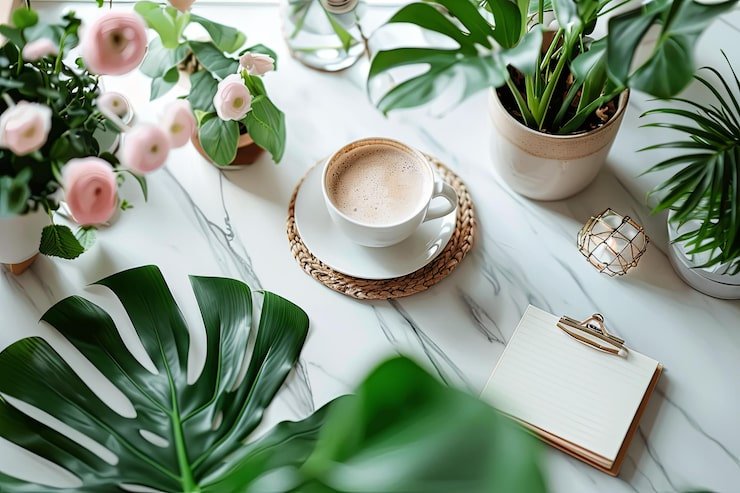
Nothing adds life to a space like plants or fresh blooms. Greenery softens hard surfaces, brings color into neutral spaces, and adds freshness to your décor.
You can use:
- A small vase with seasonal flowers
- A potted plant like a fern or succulent
- Dried pampas grass or eucalyptus for long-lasting texture
If you prefer low maintenance, faux plants can work beautifully too — just make sure they look realistic and are dust-free.6. Mix Heights and Shapes
A flat table filled with objects of the same height can look dull. Designers create visual interest by playing with height and proportion.
For example:
- Combine a tall vase, a medium-sized candle, and a small decorative item.
- Stack books to elevate smaller pieces.
- Use round, square, and organic-shaped items together.
Mixing heights and shapes creates rhythm and flow, drawing the eye across the table naturally.
7. Balance Beauty and Function
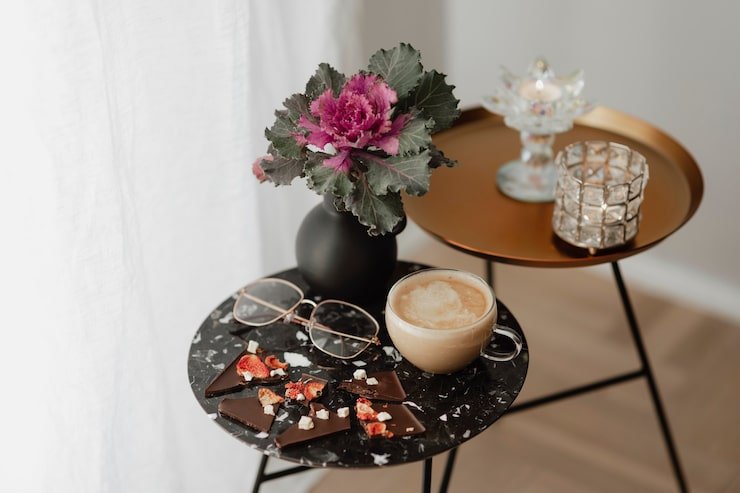
A well-styled coffee table isn’t just beautiful — it’s practical too. Leave enough empty space for daily use.
Your coffee table should still function for drinks, snacks, or a laptop. Instead of filling every inch, aim for about one-third décor and two-thirds free space.
That balance keeps your table looking curated but livable — stylish yet comfortable for everyday use.
8. Add a Scented Element
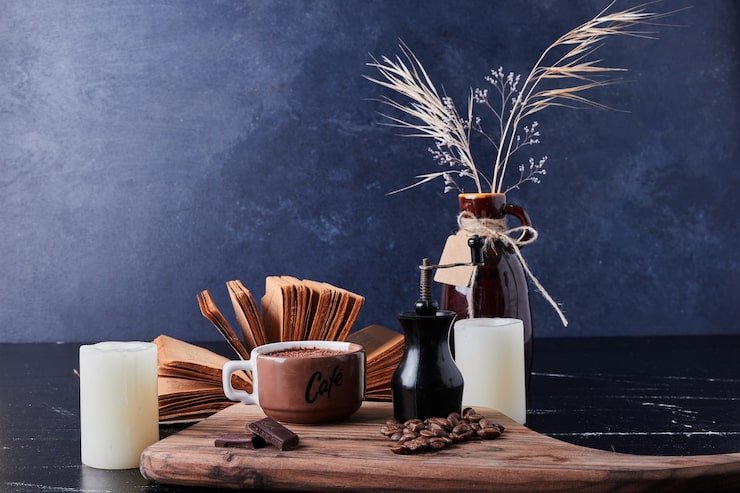
Scents add a sensory layer to your styling. A candle, diffuser, or incense holder not only looks chic but also creates a relaxing atmosphere.
Choose scents that suit the mood of your living space — light florals or citrus for daytime freshness, or woodsy and warm notes like sandalwood and amber for evenings.
Opt for candles in minimalist jars or ceramic holders that match your table’s color scheme for a polished touch.
9. Incorporate Texture
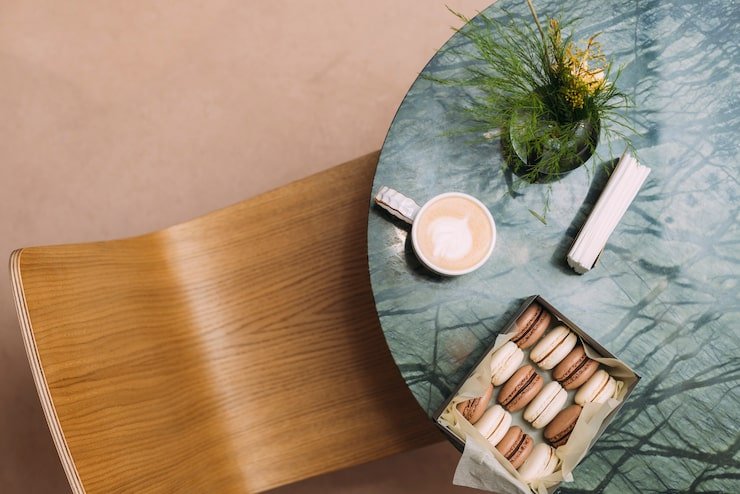
Texture is key to making your coffee table feel layered and cozy. Combine materials to create contrast and depth.
Mix smooth and rough finishes — a glass vase with a woven coaster, a stone tray with metal accents, or soft linen next to polished wood.
Texture prevents your setup from feeling flat and adds warmth, especially if your living room leans modern or minimalist.
10. Use Decorative Bowls or Sculptures
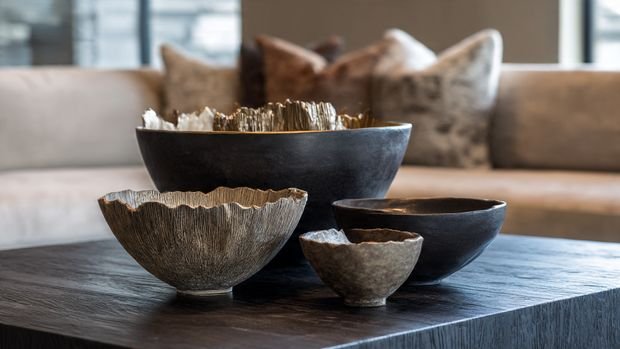
Statement pieces like bowls, orbs, or small sculptures add character and anchor your design.
A ceramic bowl can hold small items like matches, crystals, or keys while adding artistry. A sculptural piece — like a geometric shape or handmade pottery — gives your table a curated, gallery-inspired look.
Just one or two standout objects can make the entire table feel intentional and high-end.
11. Work with Layers
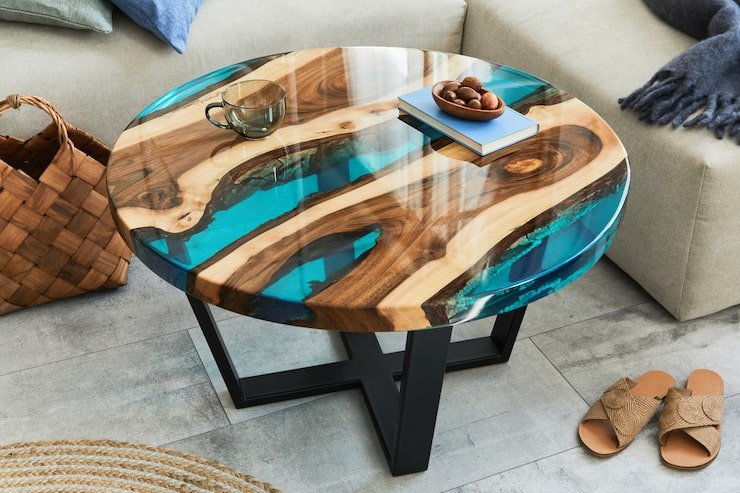
Professional stylists often think in layers — top, middle, and base.
- The base is your table and tray.
- The middle layer includes books or stacked décor.
- The top layer adds height — a vase, candle, or plant.
This structure makes your table look dimensional and cohesive, rather than cluttered or one-dimensional.
12. Play with Color Harmony
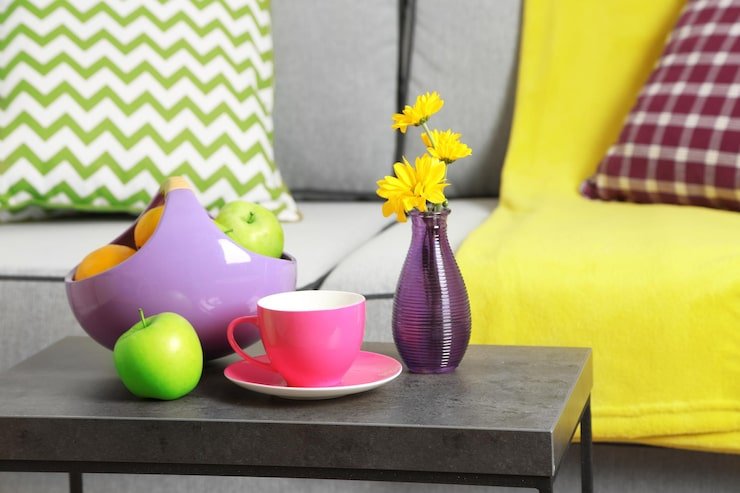
A good coffee table design ties in with your living room’s color palette. Look around your space — what tones are dominant?
If your room has a lot of neutrals, you can use your table for subtle pops of color — maybe a green vase or amber candle. If your room is already colorful, keep your coffee table calm with neutral décor.
Stick to two or three complementary colors for balance. A cohesive palette keeps the overall look stylish and connected.
13. Switch It Up Seasonally
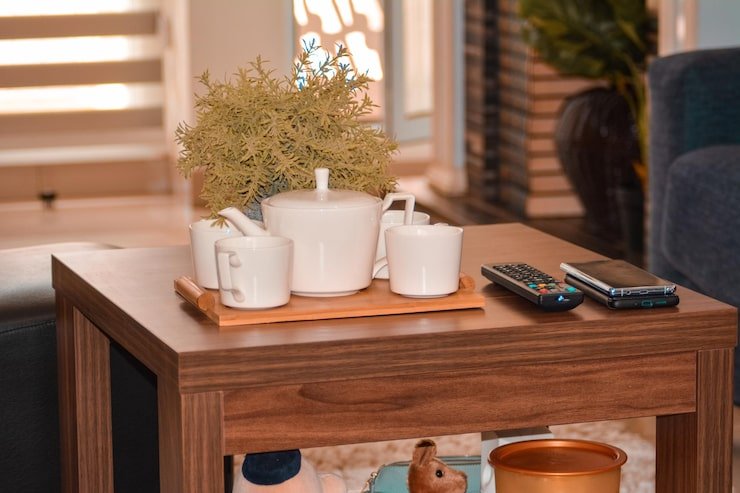
You don’t need to keep the same décor all year round. Refreshing your coffee table seasonally keeps your space feeling new and alive.
- Spring: Fresh flowers, pastel ceramics, or light linen textures.
- Summer: Shells, coastal accents, and woven baskets.
- Fall: Warm candles, amber glass, and dried foliage.
- Winter: Evergreen branches, cozy textures, and metallics.
Seasonal styling doesn’t have to be dramatic — even small changes, like swapping a vase or candle color, make a big difference.
14. Add a Personal Touch
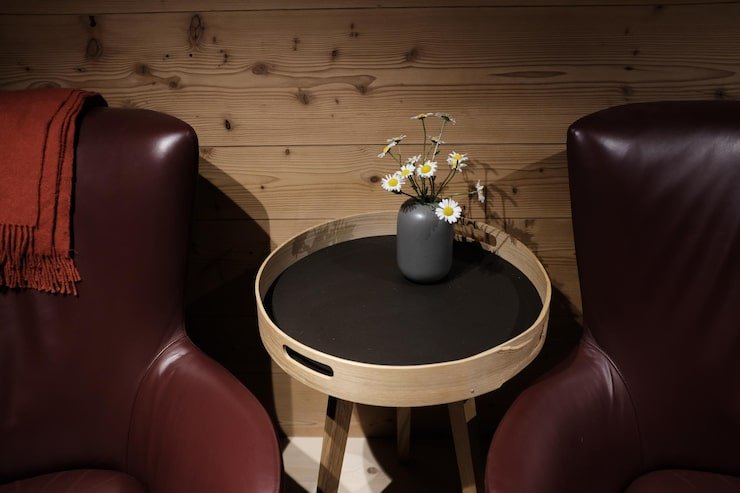
Your coffee table should tell your story. Personal touches make it feel authentic, not staged.
Try including:
- A favorite book or travel souvenir.
- A small framed photo.
- A handmade or vintage object that feels meaningful.
These pieces remind guests — and you — that your home reflects your life and passions.
15. Keep Scale in Mind

The size of your coffee table affects how much you can style. A small table needs fewer items to stay balanced; a large table can handle multiple zones of décor.
For large tables, divide the surface into quadrants and style each section differently — one with books, one with a tray, one with greenery, and one with negative space.
For small tables, choose one statement piece and one or two accents — simple and intentional.
16. Use Lighting Strategically
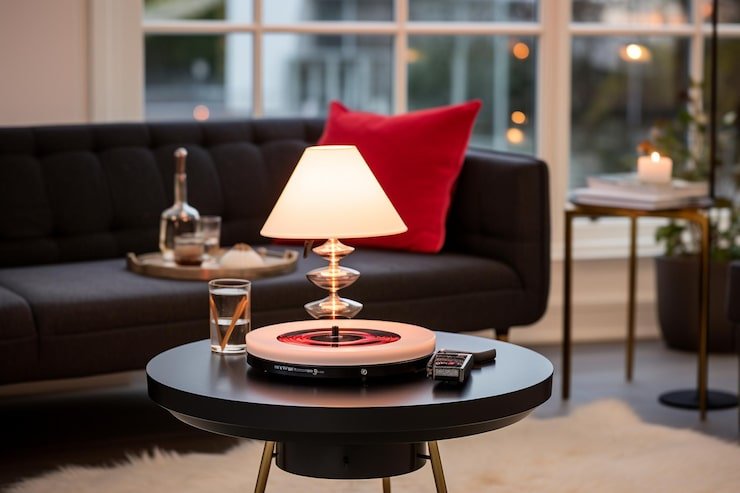
If your coffee table sits under a pendant light or near a window, use lighting to highlight its styling.
Place reflective or metallic accents where light can hit them, creating subtle shimmer and depth. Soft lamp light in the evening enhances warmth and coziness, especially when paired with candles or glass objects.
17. Balance Symmetry and Flow
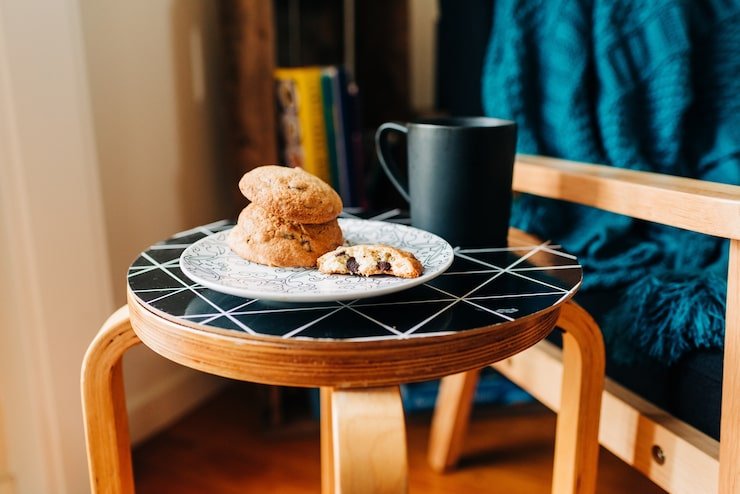
Symmetry brings order, but too much of it can look stiff. Professionals balance symmetry with movement — mixing centered elements with asymmetrical accents.
For instance, a central tray with candles and flowers might be balanced by books stacked slightly off to one side. This mix keeps your setup dynamic and natural.
18. Keep It Fresh and Flexible
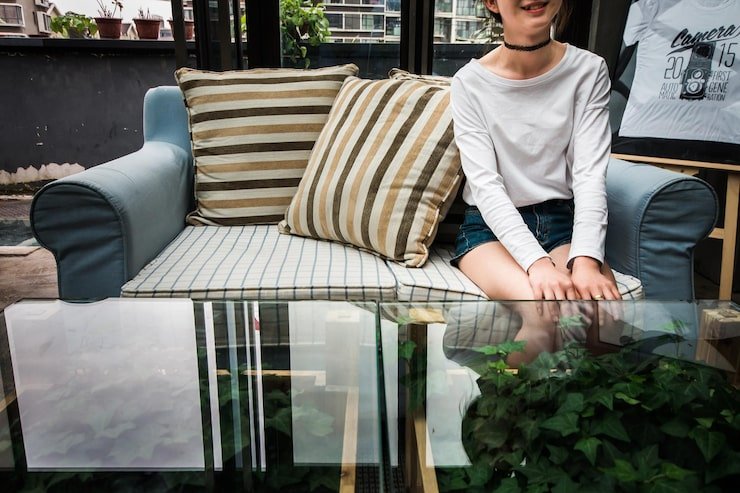
Your coffee table doesn’t have to look perfect all the time — it should evolve with your mood and lifestyle.
Rotate objects every few weeks. Replace books, swap flowers, or trade candles for seasonal décor. This keeps your space feeling current and gives you an easy creative outlet without major changes.
19. Match Your Style, Not Trends
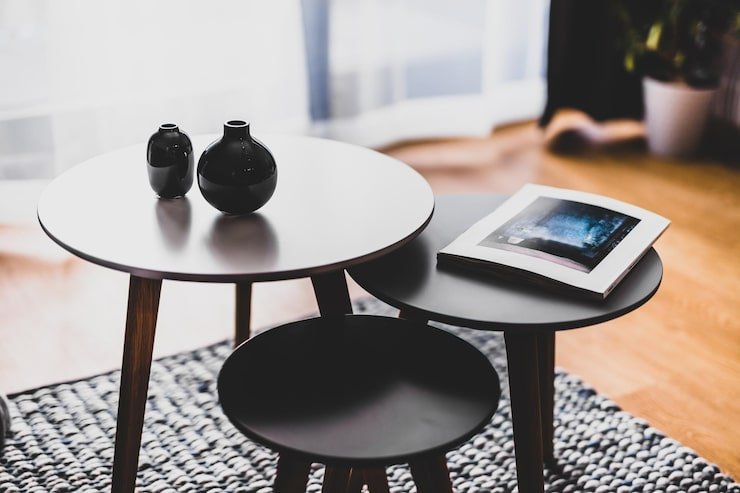
While Pinterest and magazines offer endless inspiration, your coffee table should ultimately reflect your personal taste.
If your style is minimalist, stick to clean lines and neutral tones.
If it’s boho, layer natural textures and eclectic details.
If it’s modern glam, go for metallics, marble, and bold contrasts.
A well-styled table doesn’t follow trends — it enhances your existing décor in a way that feels true to you.
20. Step Back and Edit
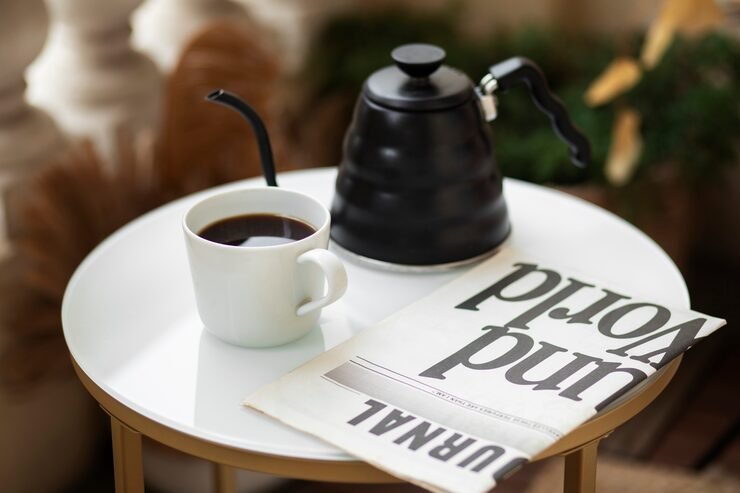
Once you’re done styling, take a step back and look at your table from different angles. Does it feel balanced? Inviting? Cohesive with the rest of the room?
If something feels off, simplify. Remove one or two items — less is often more when it comes to design. A beautifully styled table looks effortless, not overcrowded.
Final Thoughts
Styling a coffee table like a pro isn’t about perfection — it’s about balance, creativity, and personality. The best designs mix textures, heights, and personal touches while leaving enough breathing room for everyday life.
Start small — a tray, a stack of books, a candle, and a touch of greenery. Then adjust until it feels right. Over time, you’ll develop an eye for what works best in your home.
Because at the end of the day, your coffee table isn’t just a design piece — it’s part of how you live, relax, and connect. And when styled thoughtfully, it becomes the heart of your living room — both functional and effortlessly beautiful.