12 Kid Study Corner Ideas for Better Focus and Organization
Creating a dedicated space for learning is one of the most effective ways to boost a child’s academic performance and enthusiasm for schoolwork. A well-designed study corner does more than just hold a computer or a stack of notebooks; it acts as a psychological trigger that tells a child’s brain it is time to focus. When a child has a space that is tailored to their needs, ergonomic requirements, and personal style, they are more likely to take ownership of their tasks. From clever storage solutions to sensory-friendly seating, here are 12 innovative kid study corner ideas designed to maximize focus and organization.
1. Standing Desks
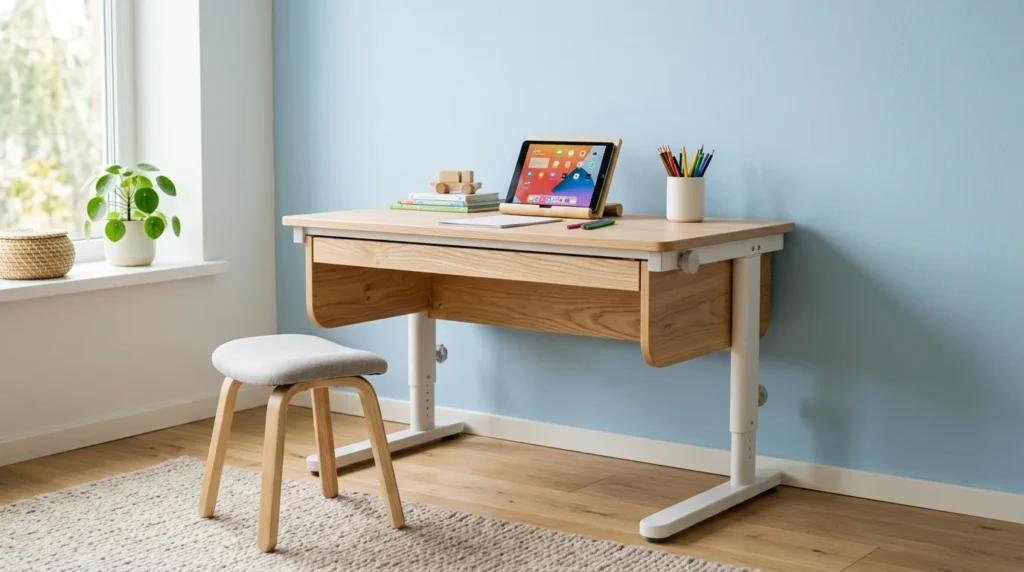
Children are naturally energetic, and forcing them to sit still for hours can often lead to restlessness and a lack of concentration. Standing desks are a fantastic solution that allows kids to shift their weight and stay active while they work. Many models are height-adjustable, meaning the desk can grow alongside your child from elementary school through their teenage years. By promoting better posture and increasing blood flow, standing desks can help reduce the afternoon slump and keep young minds sharp.
2. Pegboard Walls
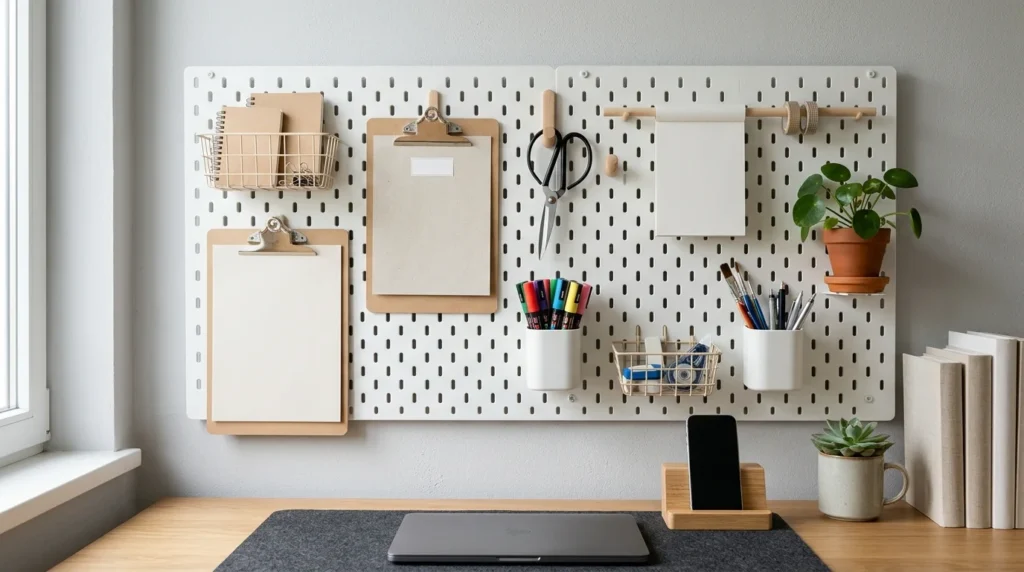
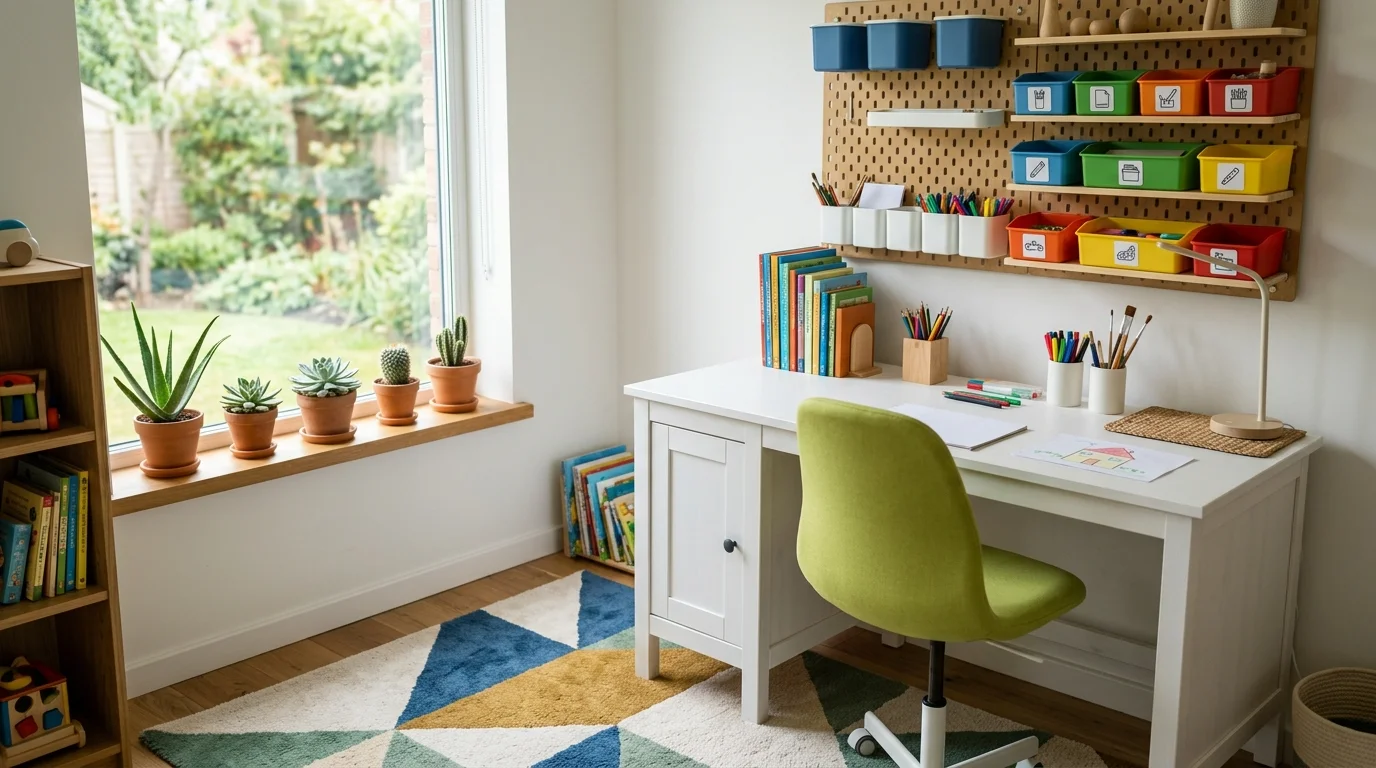
Vertical storage is the secret weapon of small-space organization. A pegboard wall allows for a completely customizable setup where every tool has a specific home. Instead of digging through a cluttered junk drawer, kids can see their scissors, tape, rulers, and headphones right in front of them. This visual accessibility reduces the “search time” that often leads to distractions. Plus, as their needs change—from art supplies in kindergarten to graphing calculators in high school—the pegboard can be rearranged in seconds.
3. Color Coding
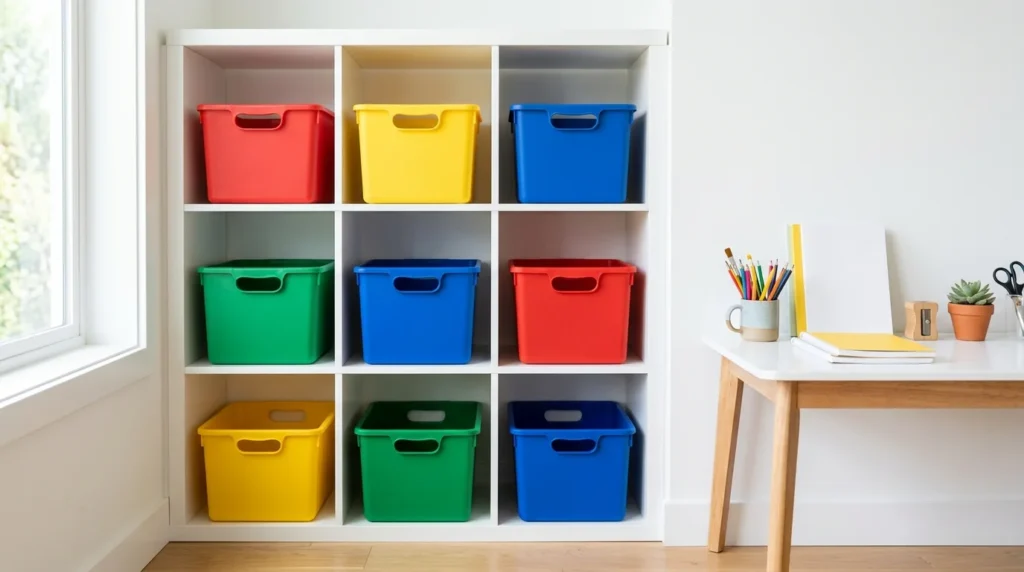
Organization is a skill that needs to be taught, and color coding is the most intuitive way to do it. Assigning a specific color to each subject—such as red for math, blue for science, and yellow for English—helps children quickly identify the materials they need. This system can be applied to folders, notebooks, and even the storage bins where they keep their textbooks. It streamlines the transition between subjects and ensures that nothing gets lost in the shuffle of a busy school week.
4. Reading Nooks
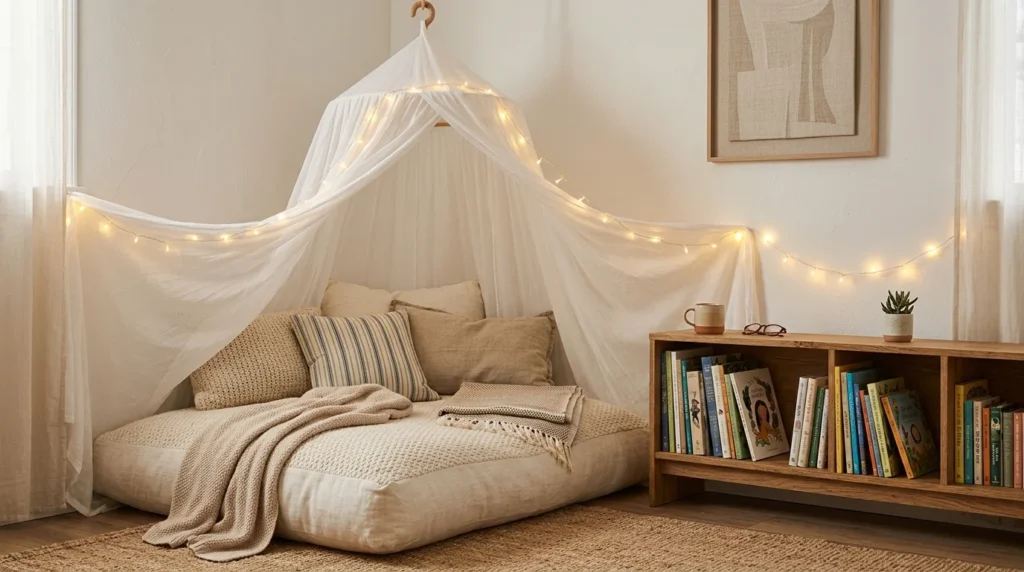
Not all learning happens at a desk. To encourage a love for reading, it is essential to provide a space that feels comfortable and “low-pressure.” A dedicated reading nook, separated from the main desk area, signals to a child that this is a place for quiet reflection and imagination. Use soft textures, plenty of pillows, and adequate lighting to create an inviting atmosphere. When the environment is cozy, children are more likely to pick up a book and get lost in a story for long periods.
5. Under-bed Loft
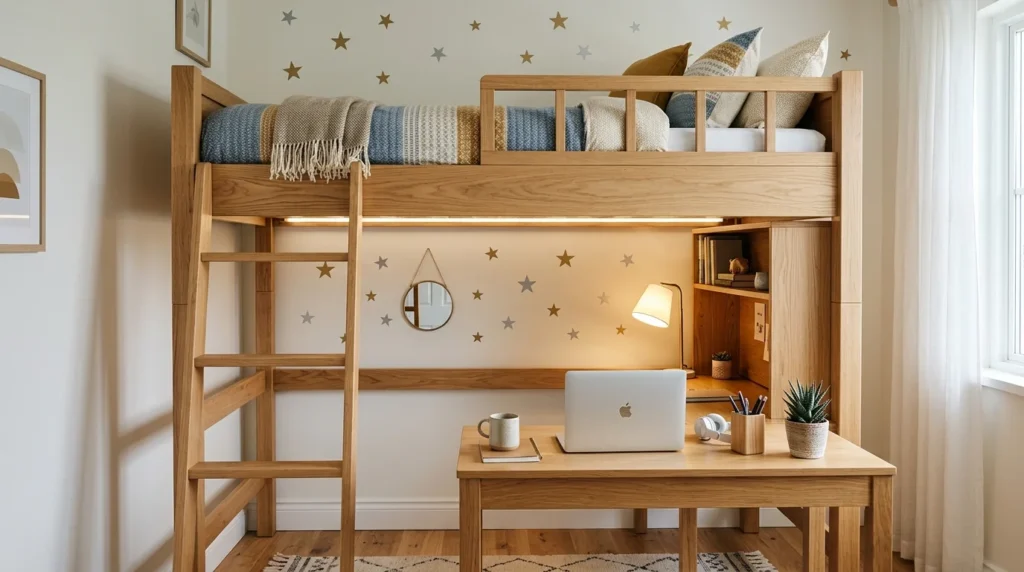
For families dealing with limited square footage, the “loft and study” combo is a game-changer. By elevating the bed, you reclaim several square feet of floor space for a comprehensive workstation. This setup also creates a “cocoon” effect, which can help some children feel more secure and less distracted by the rest of the room. It clearly defines the boundaries between “rest time” (above) and “work time” (below), helping the brain switch modes more effectively.
6. Mobile Carts
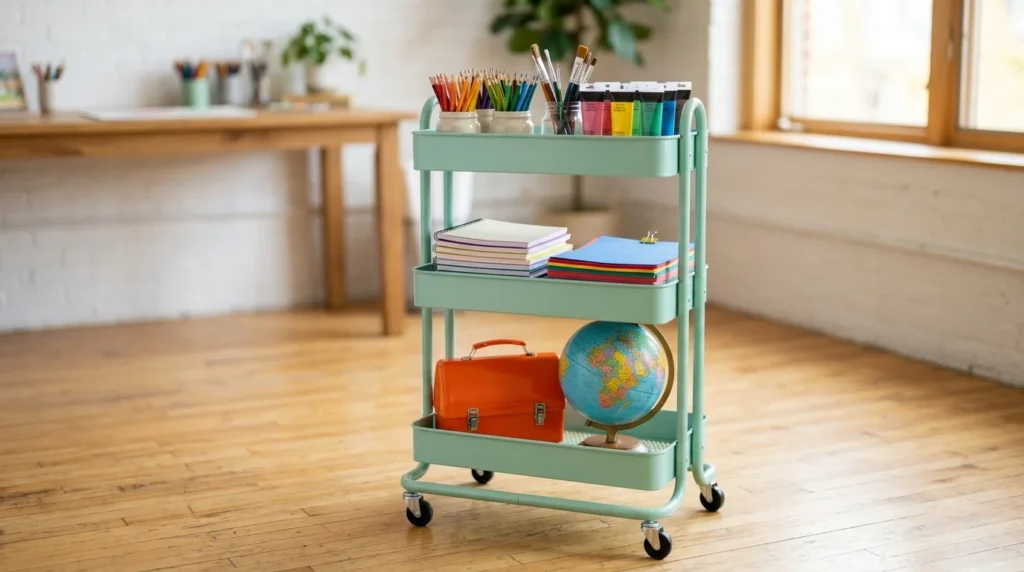
Flexibility is key for a dynamic household. A mobile study cart allows the “study corner” to move wherever it is needed. If a child needs help with homework near the kitchen table or prefers to work in the living room for a change of scenery, they can simply wheel their supplies with them. This prevents “supply scatter,” where pens and papers end up all over the house, and ensures that everything returns to its designated spot at the end of the day.
7. Natural Light
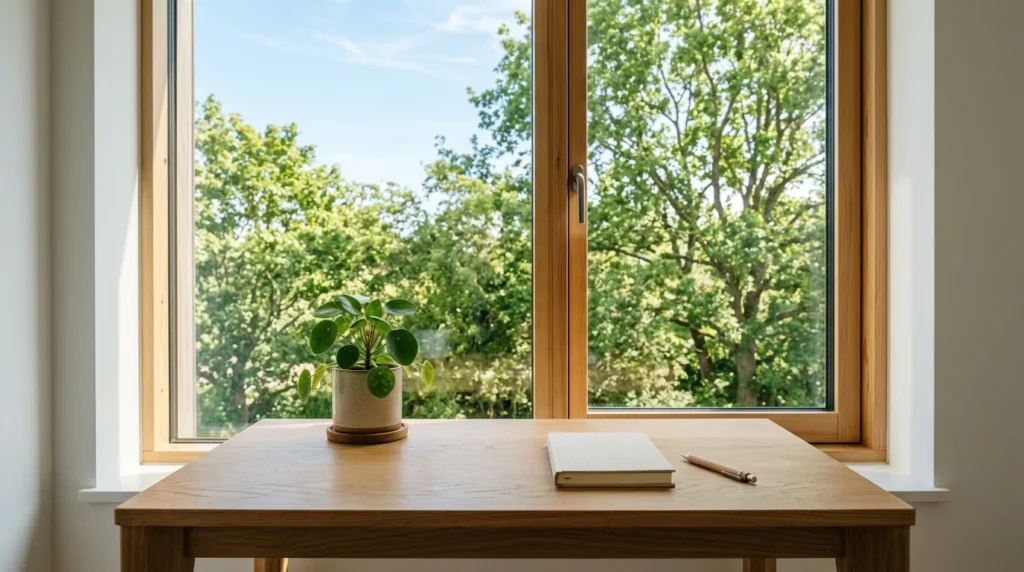
Lighting is one of the most overlooked aspects of study space design. Natural light is far superior to harsh overhead fluorescents; it helps regulate circadian rhythms and reduces eye strain. Positioning a desk near a window provides a “soft focus” view that can give a child’s eyes a break from the screen or page. If natural light is limited, invest in a high-quality desk lamp with adjustable brightness and color temperature to mimic daylight as closely as possible.
8. Minimalist Design
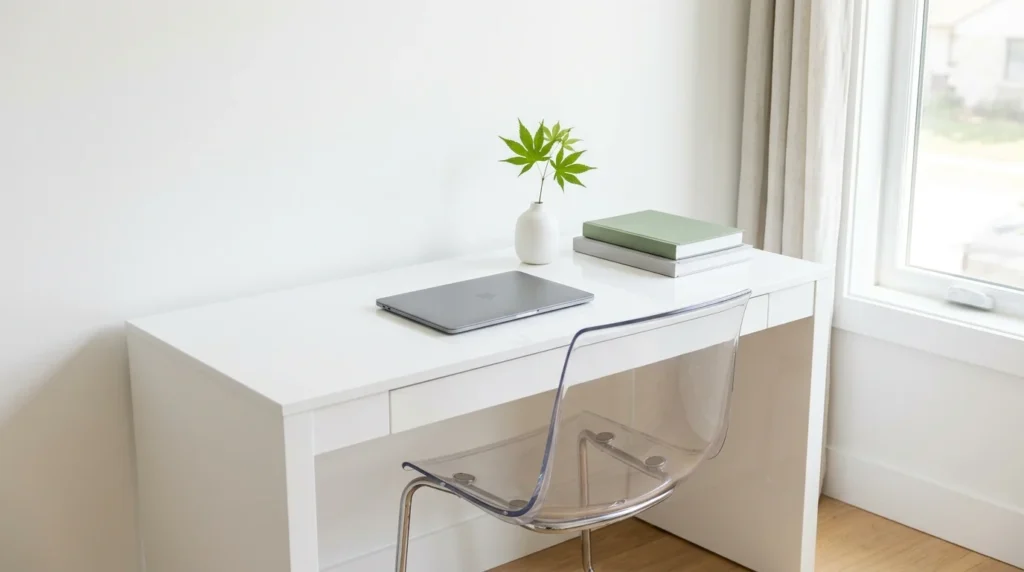
In an age of digital overstimulation, a “less is more” approach can significantly improve focus. A minimalist study corner removes visual clutter that might compete for a child’s attention. By keeping only the essentials on the desk surface, you create a calm environment where the task at hand is the primary focus. This design philosophy also makes it much easier to clean up at the end of the night, providing a fresh start for the next morning.
9. Sensory Seating
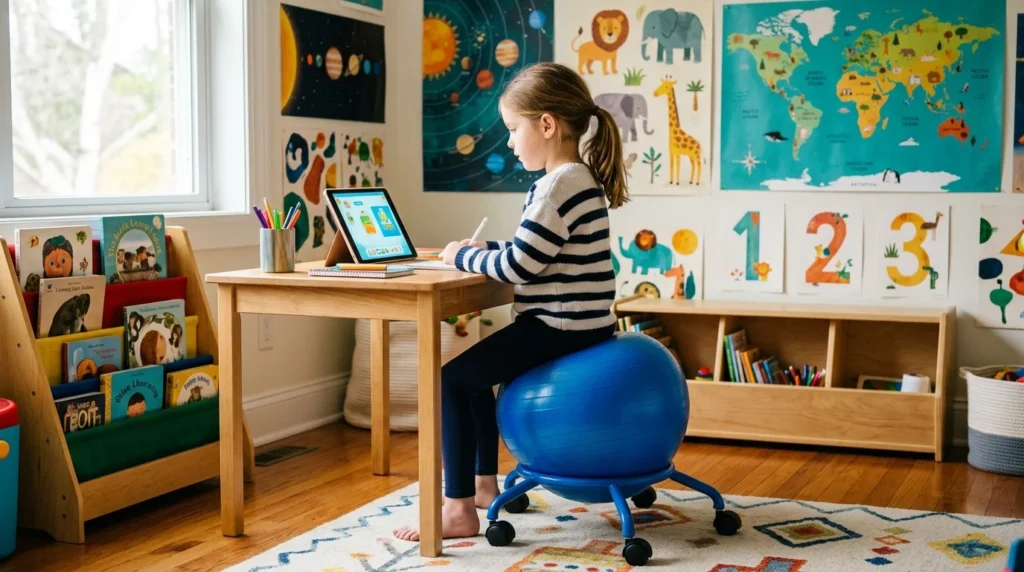
Some children learn better when they are allowed to move. Sensory seating, such as wobble stools, balance balls, or even chairs with “fidget” bands across the legs, allows for subtle movement that helps regulate the nervous system. For kids with high energy or sensory processing needs, this type of seating can provide the proprioceptive input they need to stay grounded and focused on their schoolwork rather than their urge to move.
10. Chalkboard Surfaces
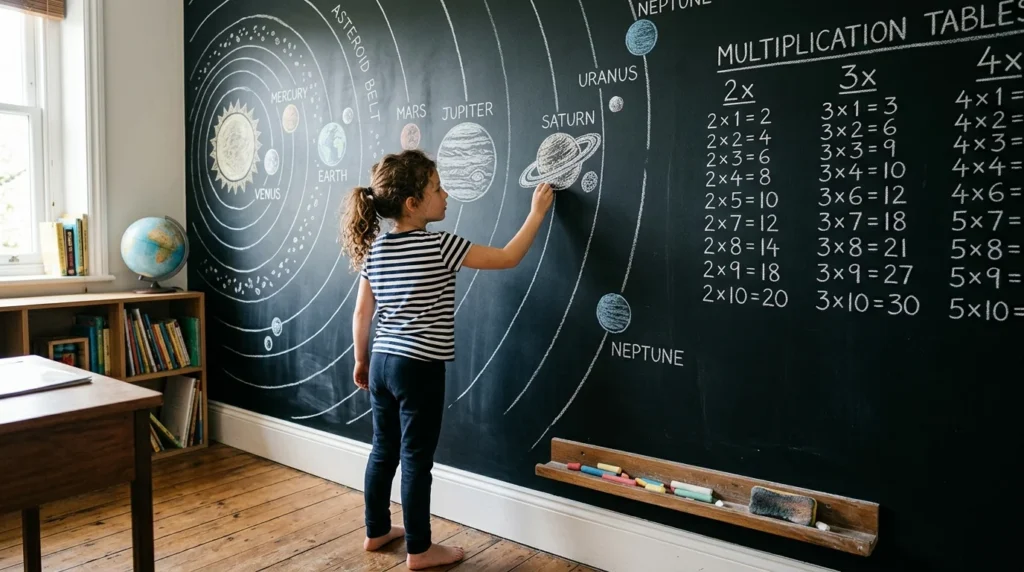
Transforming a wall into a chalkboard (or a dry-erase surface) encourages active learning and brainstorming. It allows kids to move away from their seats and work through problems on a larger scale. This is particularly helpful for visual learners who need to “see” their thoughts. It also serves as a great place for parents to leave encouraging notes or for the family to track important deadlines and exam dates in a way that is impossible to miss.
11. Floating Shelves
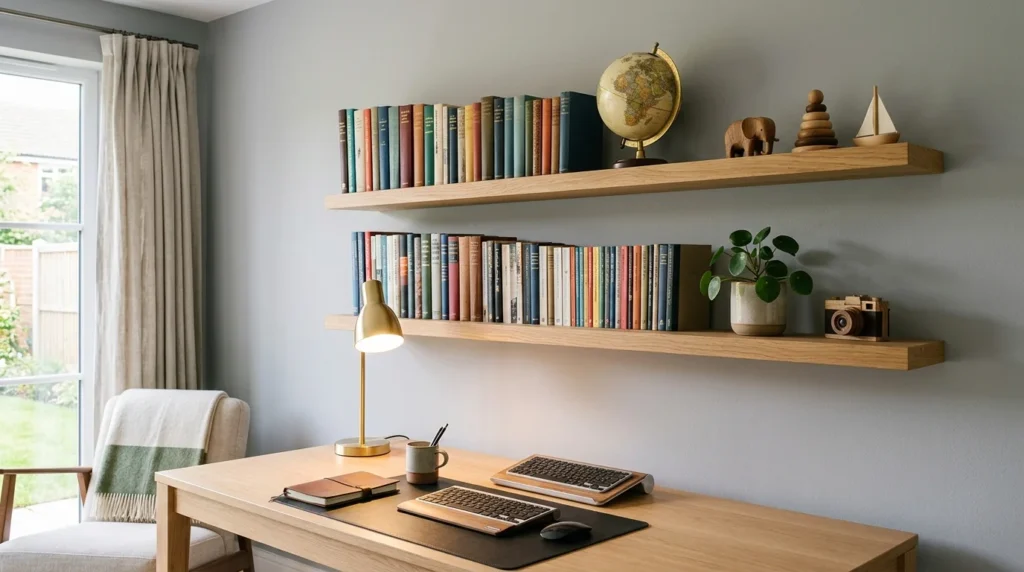
Floating shelves are an elegant way to keep a desk surface clear while keeping resources within arm’s reach. By moving books, globes, and reference materials onto the wall, you maximize the actual workspace available for writing and typing. This helps prevent the “clutter creep” that often happens when a desk becomes a storage unit rather than a work area. Floating shelves also allow you to display motivational items or awards at eye level, providing a constant source of inspiration.
12. Personalized Zones
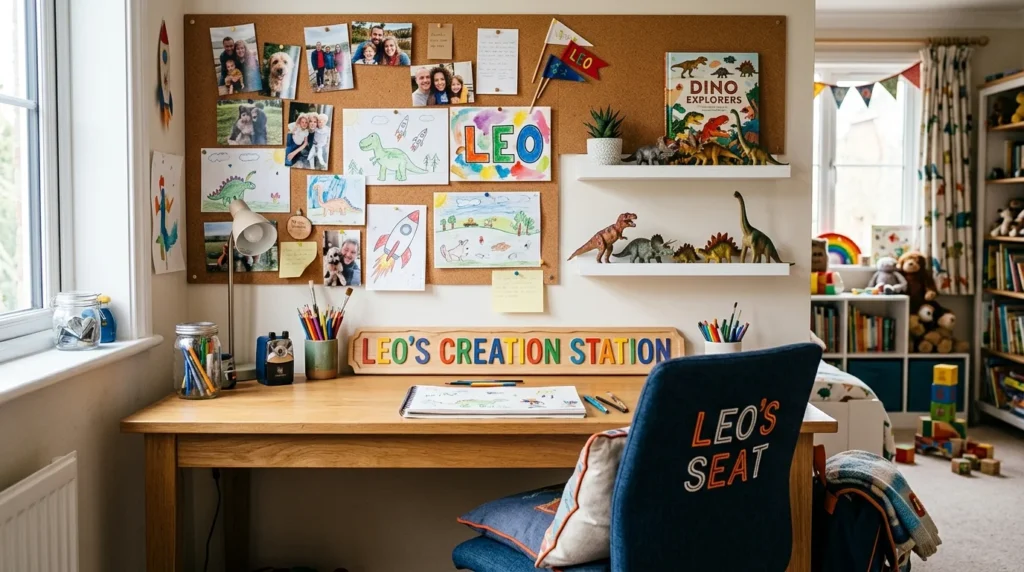
Finally, a study corner should feel like it belongs to the child. When kids are involved in the design process—choosing the colors, picking out the desk accessories, or displaying their own artwork—they develop a sense of pride in their space. This emotional connection makes them more likely to treat the area with respect and spend time there voluntarily. A personalized zone balances the “work” aspect of a study corner with the “identity” of the child, making the space feel less like a chore and more like a sanctuary.