22 Affordable Interior Design Ideas for Every Room
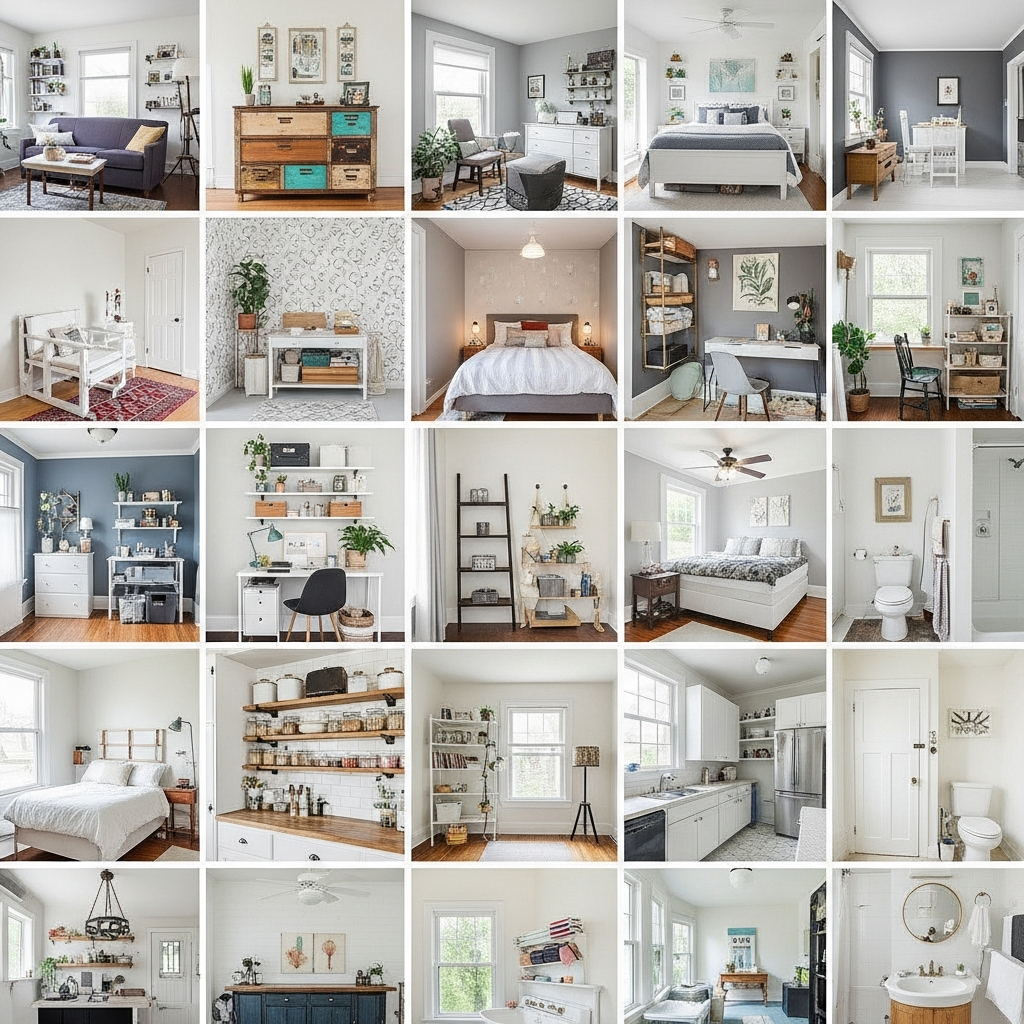
Redesigning your living space does not require a professional budget or a complete overhaul. With strategic planning and a focus on high-impact changes, you can elevate the aesthetic of your home without excessive spending. This guide provides twenty-two practical and affordable interior design ideas designed to refresh every corner of your house, focusing on texture, light, and functional style.
1. Apply a Fresh Coat of Paint
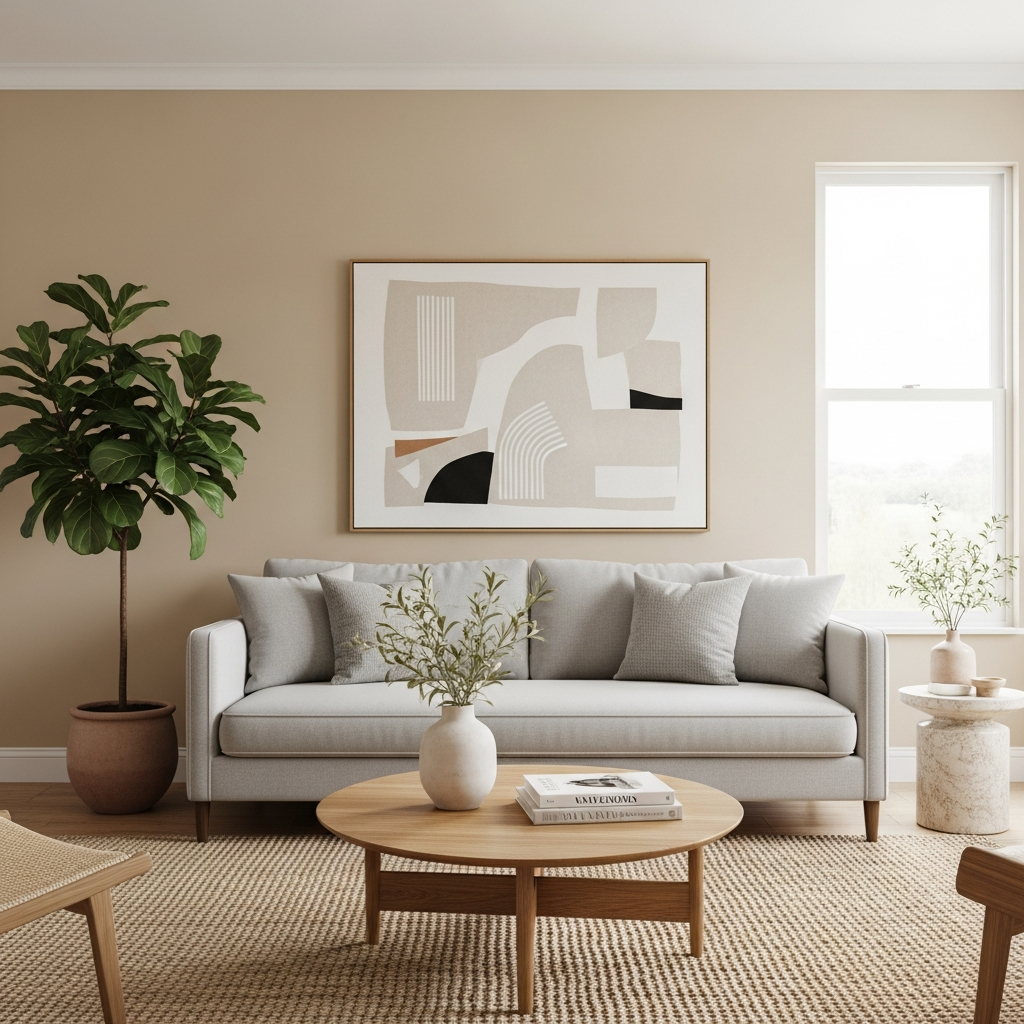
Painting is arguably the most transformative and cost-effective design tool available. A fresh coat of white or light gray can instantly brighten a dark room, while a deep charcoal or navy can add sophisticated drama to a study or bedroom. Focus on high-quality finishes to ensure durability and a professional appearance.
2. Update Cabinet and Drawer Hardware
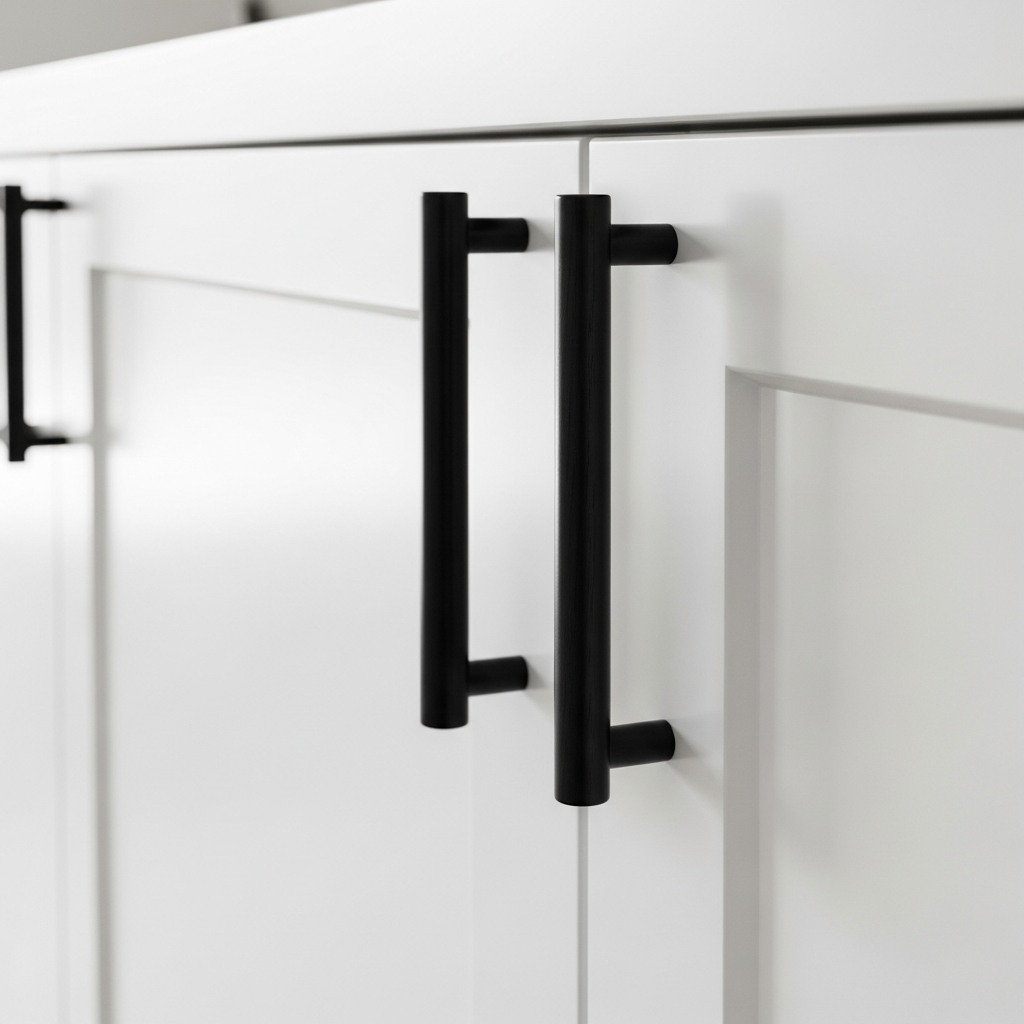
Old, tarnished, or dated hardware can make even high-end cabinetry look tired. By swapping out basic builders-grade knobs for modern brass, matte black, or glass pulls, you can give your kitchen or bathroom an instant facelift. This small detail often provides the highest return on visual investment.
3. Create a Curated Gallery Wall
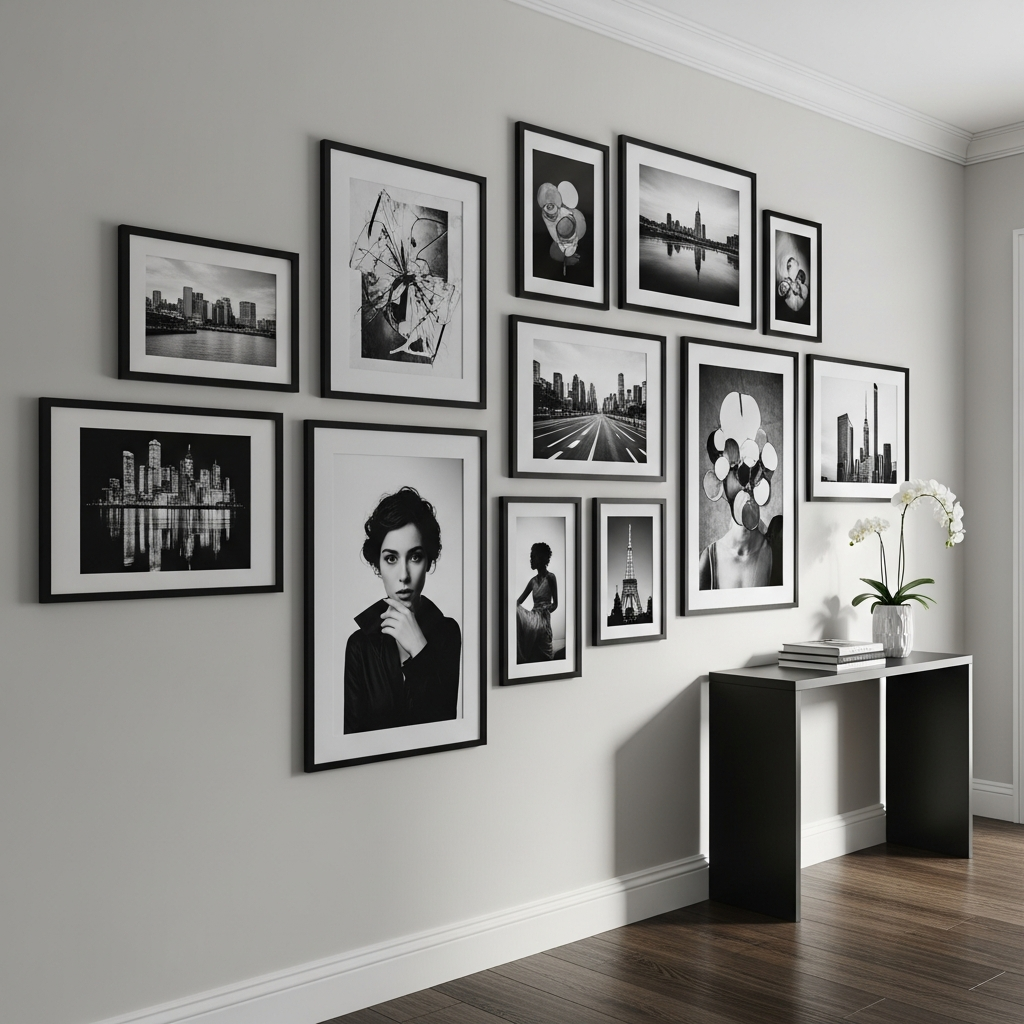
Personalize your space by grouping framed photographs, prints, or sketches. To keep it affordable, use mismatched frames from thrift stores and paint them a uniform color like black or gold. This creates a cohesive look that fills a large wall space for a fraction of the cost of large-scale art.
4. Introduce Indoor Greenery
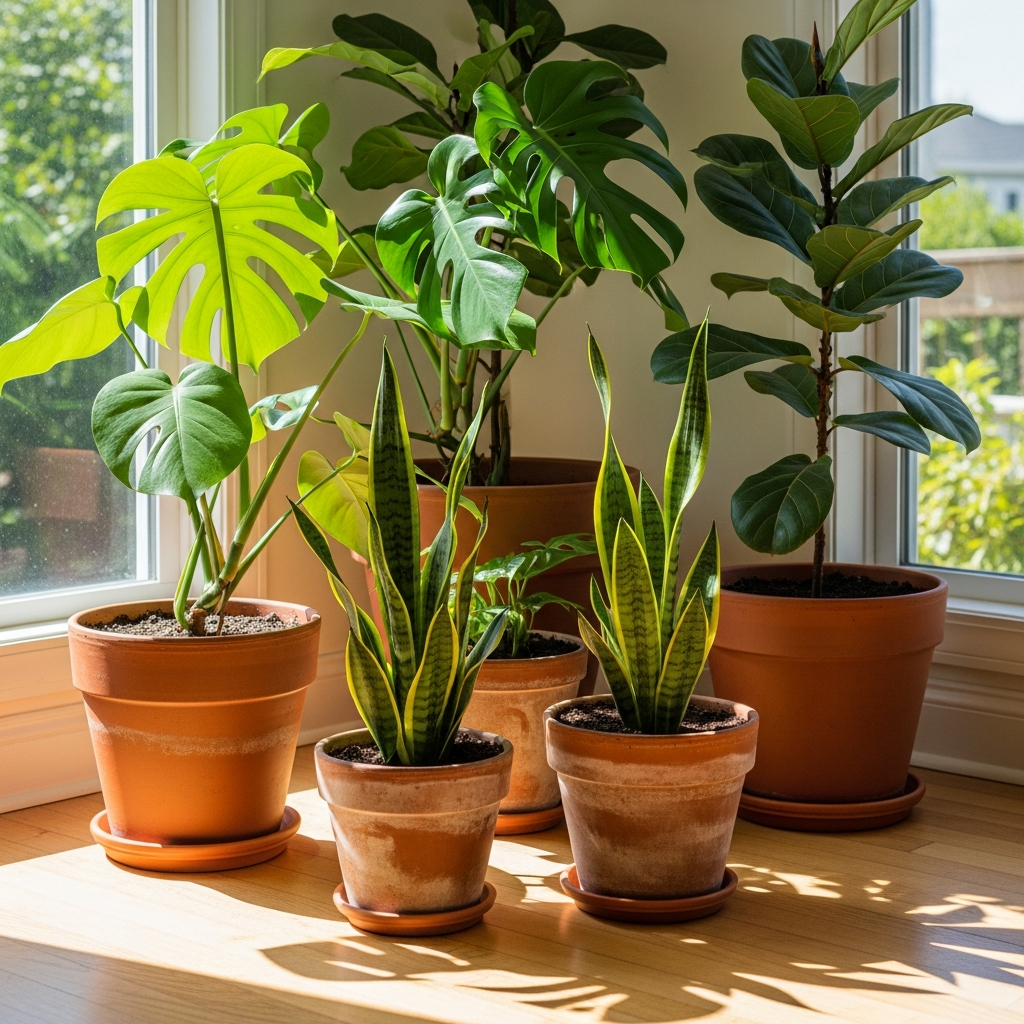
Plants add life, color, and texture to any room. Large floor plants like a Monstera or Fiddle Leaf Fig can fill empty corners, while smaller succulents or pothos are perfect for shelving. Beyond the aesthetic benefits, indoor plants improve air quality and create a calming atmosphere.
5. Layer Area Rugs for Texture
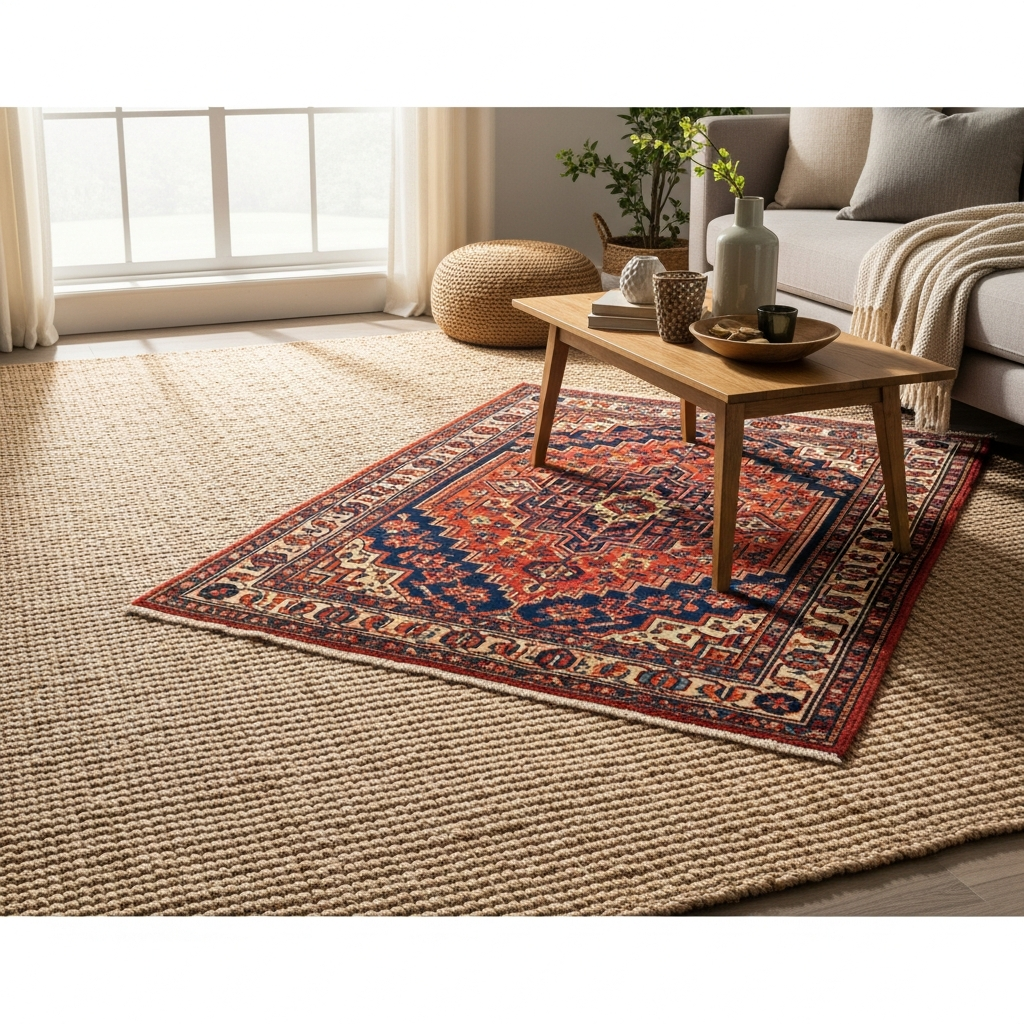
If you have a large room but a small budget, consider layering a smaller, patterned rug over a larger, inexpensive jute or sisal rug. This adds depth and warmth to the space without the high cost of a room-sized designer carpet.
6. Upgrade to Statement Lighting
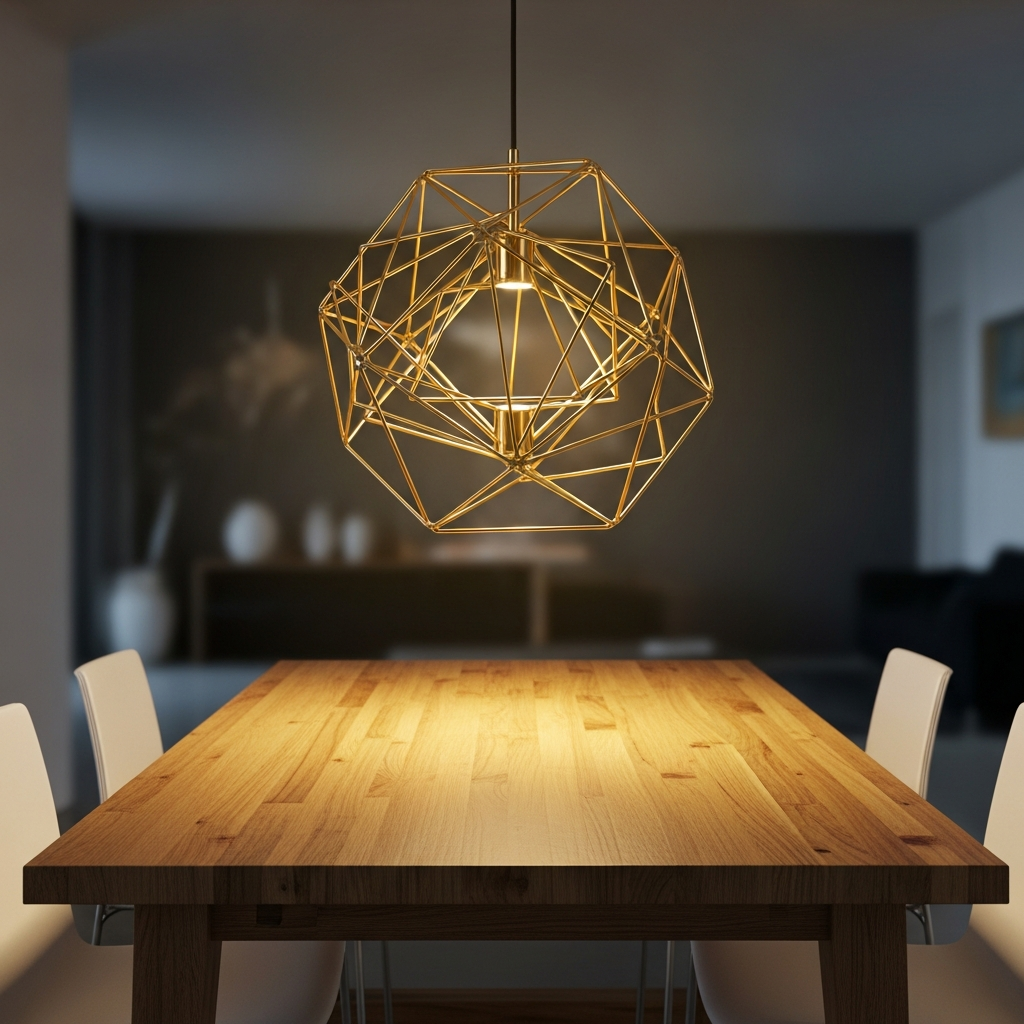
Replacing a generic ceiling fixture with a statement pendant or a modern chandelier can redefine a room’s focal point. Look for mid-century modern designs or industrial-style fixtures that add architectural interest to your dining room or entryway.
7. Rearrange Existing Furniture
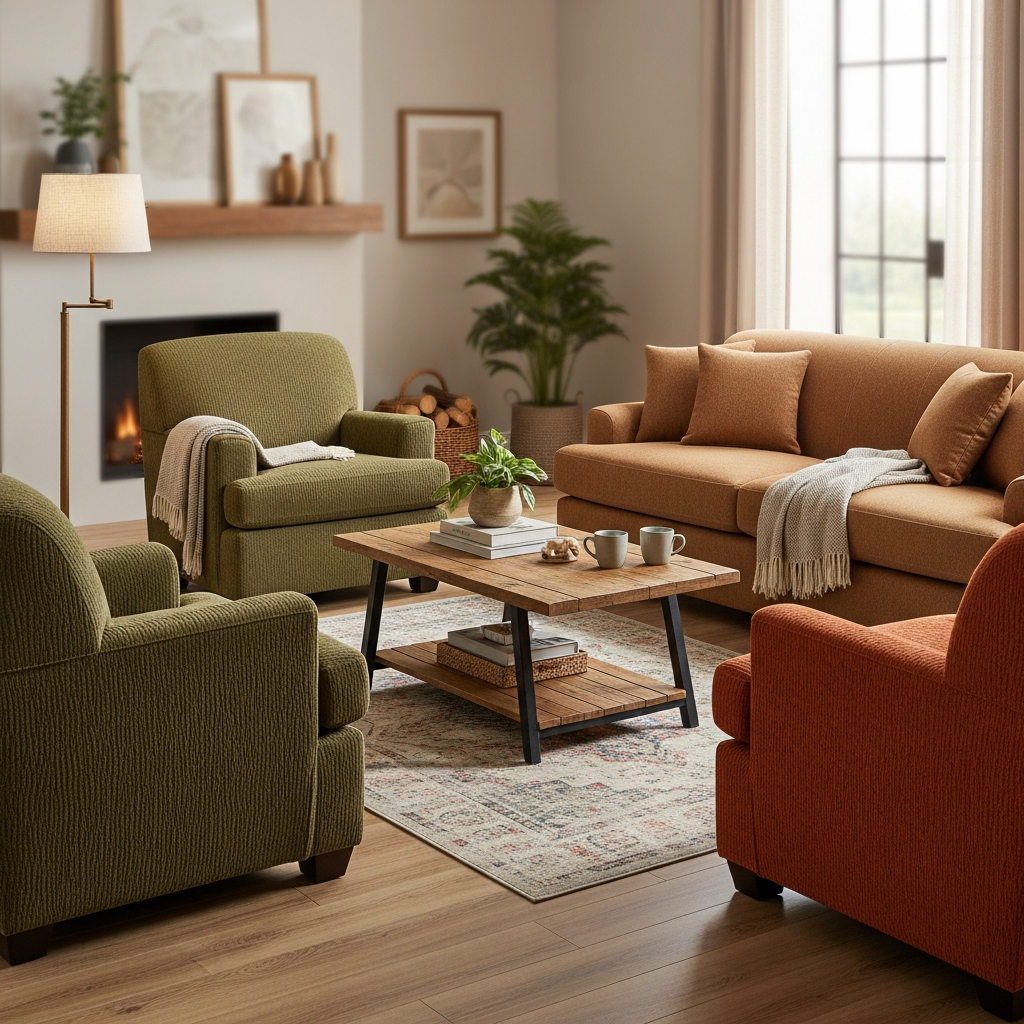
The most affordable design tip is free. Simply rearranging your furniture can improve the flow of a room and make it feel entirely new. Consider pulling furniture away from the walls to create more intimate seating areas and a sense of spaciousness.
8. Utilize Peel and Stick Wallpaper
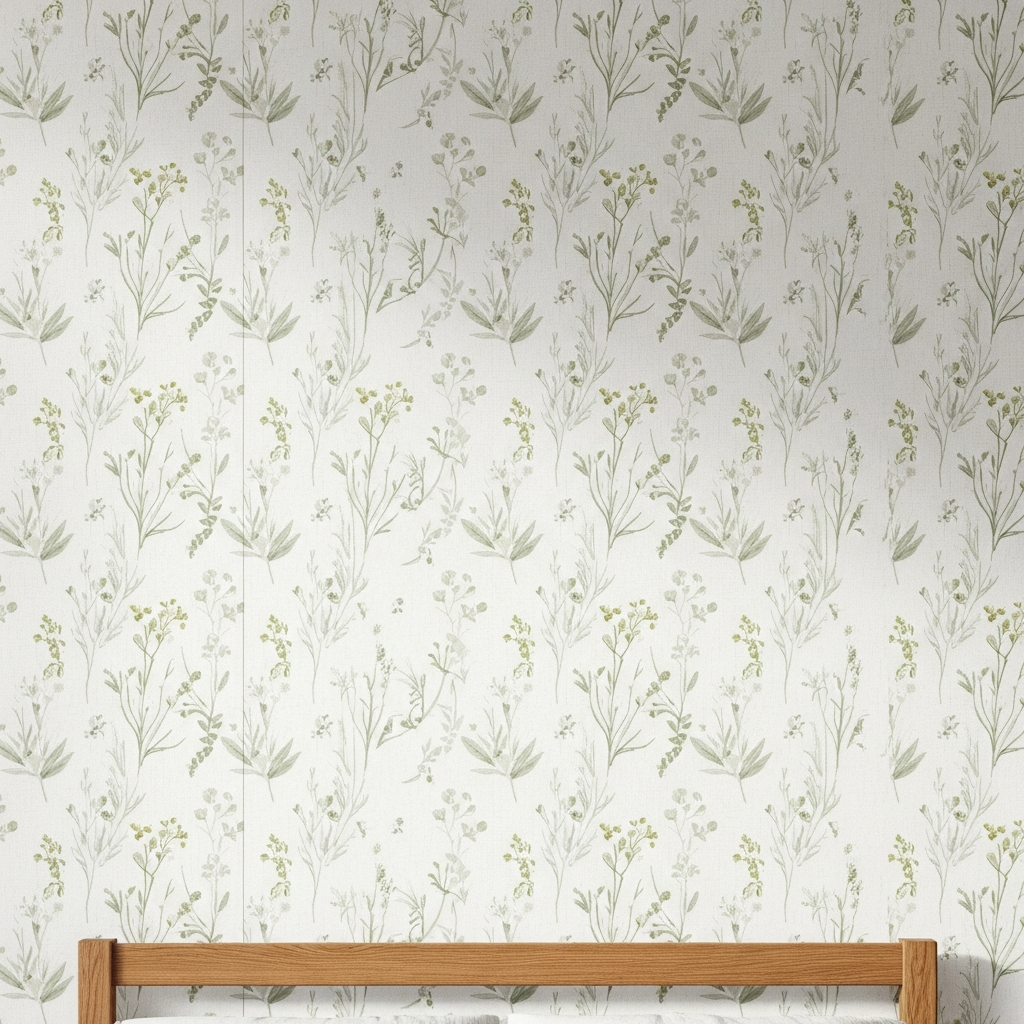
For renters or those who fear commitment, peel-and-stick wallpaper is a game changer. Use it to create an accent wall, line the back of bookshelves, or even update a closet. It adds patterns and texture without the permanence or cost of traditional wallpaper.
9. Position Mirrors to Enhance Light
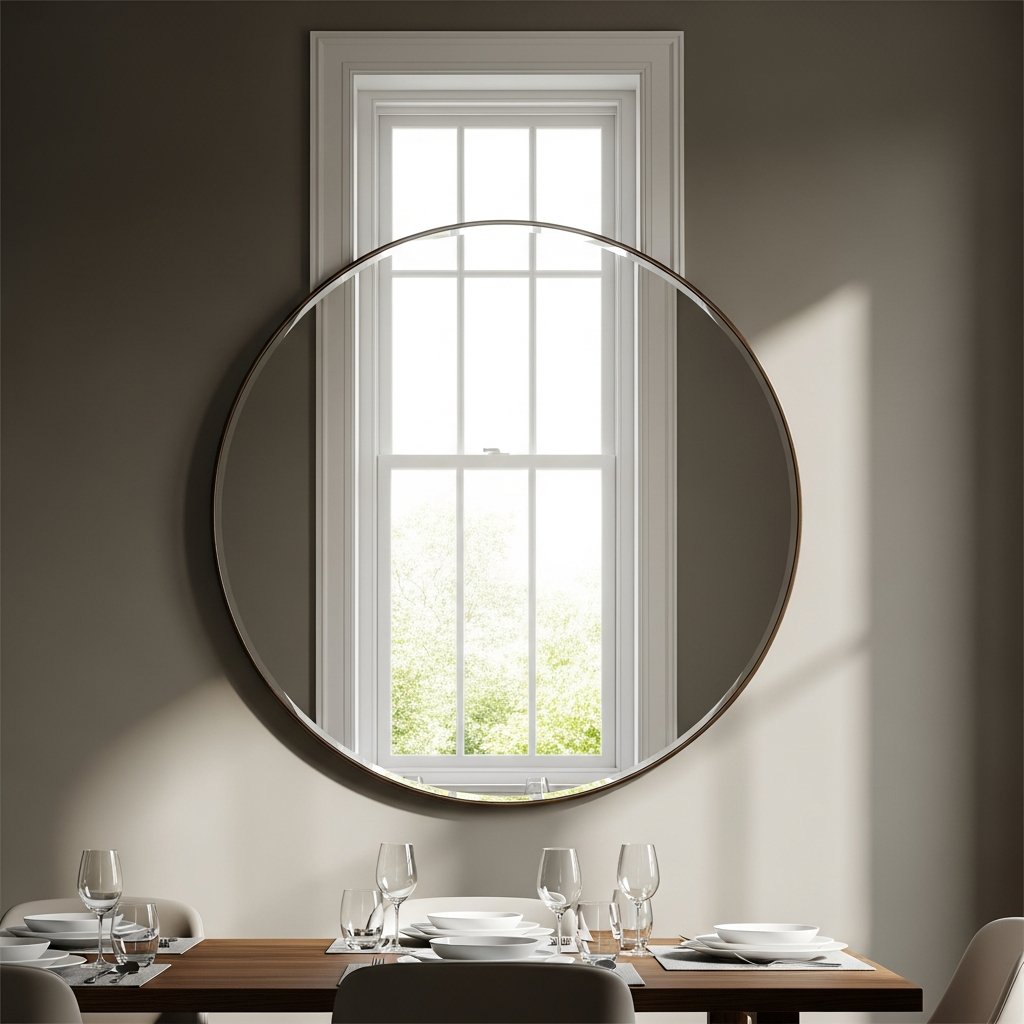
Mirrors are excellent for making small spaces feel larger and darker rooms feel brighter. Placing a large mirror opposite a window reflects natural light throughout the space. It acts as functional art that serves a dual purpose.
10. Refresh Textiles with Seasonal Colors
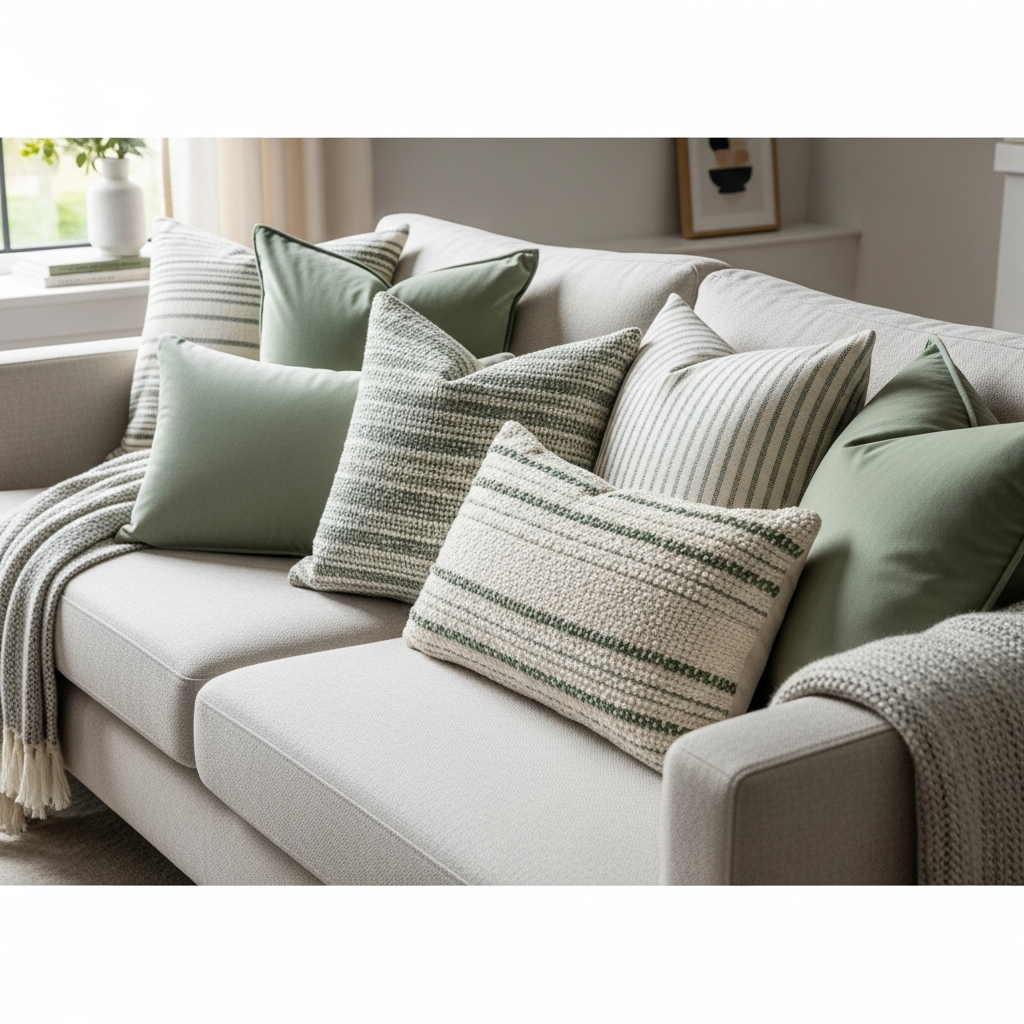
You do not need new furniture to change your color scheme. Swap out heavy velvet pillows for light linen ones in the spring, or add a chunky knit throw in the winter. These textiles introduce new colors and textures that keep the room feeling current.
11. Integrate Thrift Store Discoveries
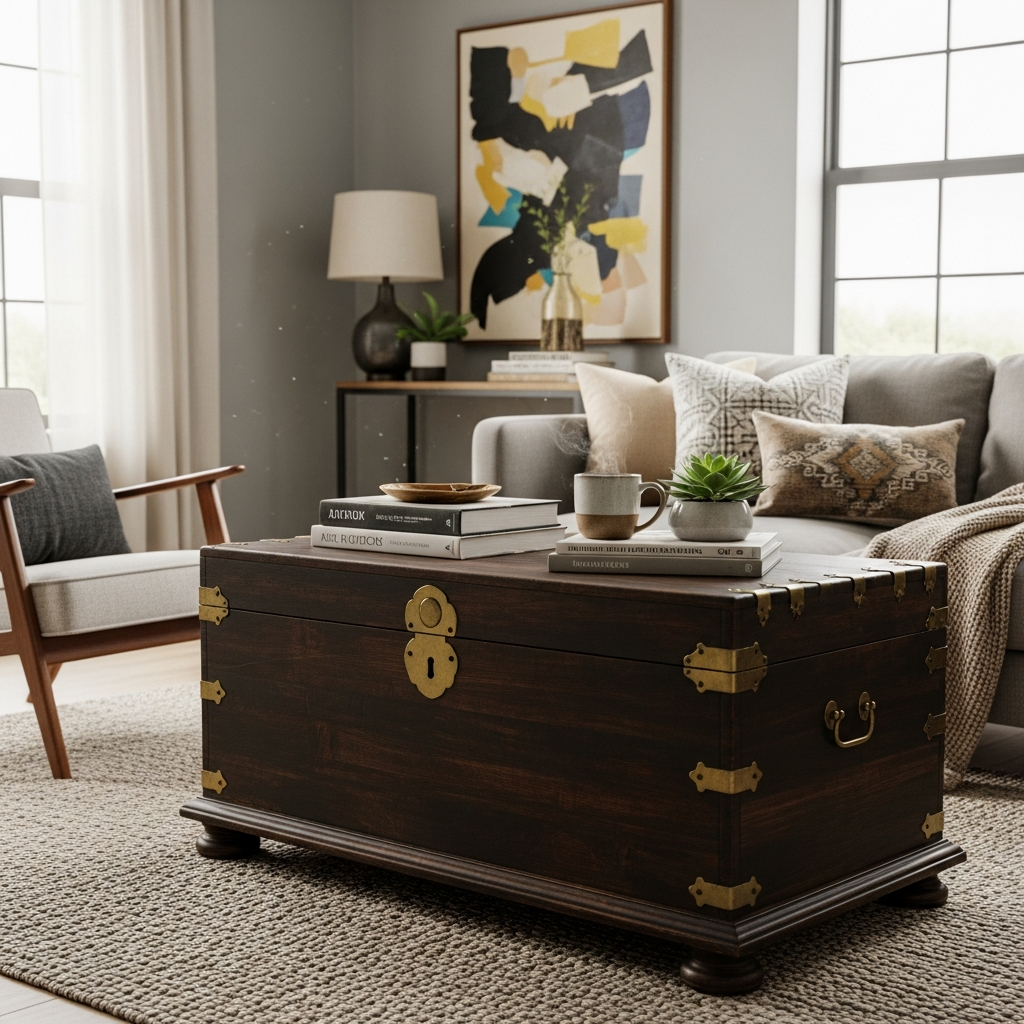
Antique shops and thrift stores are gold mines for unique, high-quality pieces. A vintage wooden trunk can serve as a coffee table, or an old brass lamp can add character to a desk. Mixing old and new items creates a curated, high-end look.
12. Install Open Shelving in Kitchens
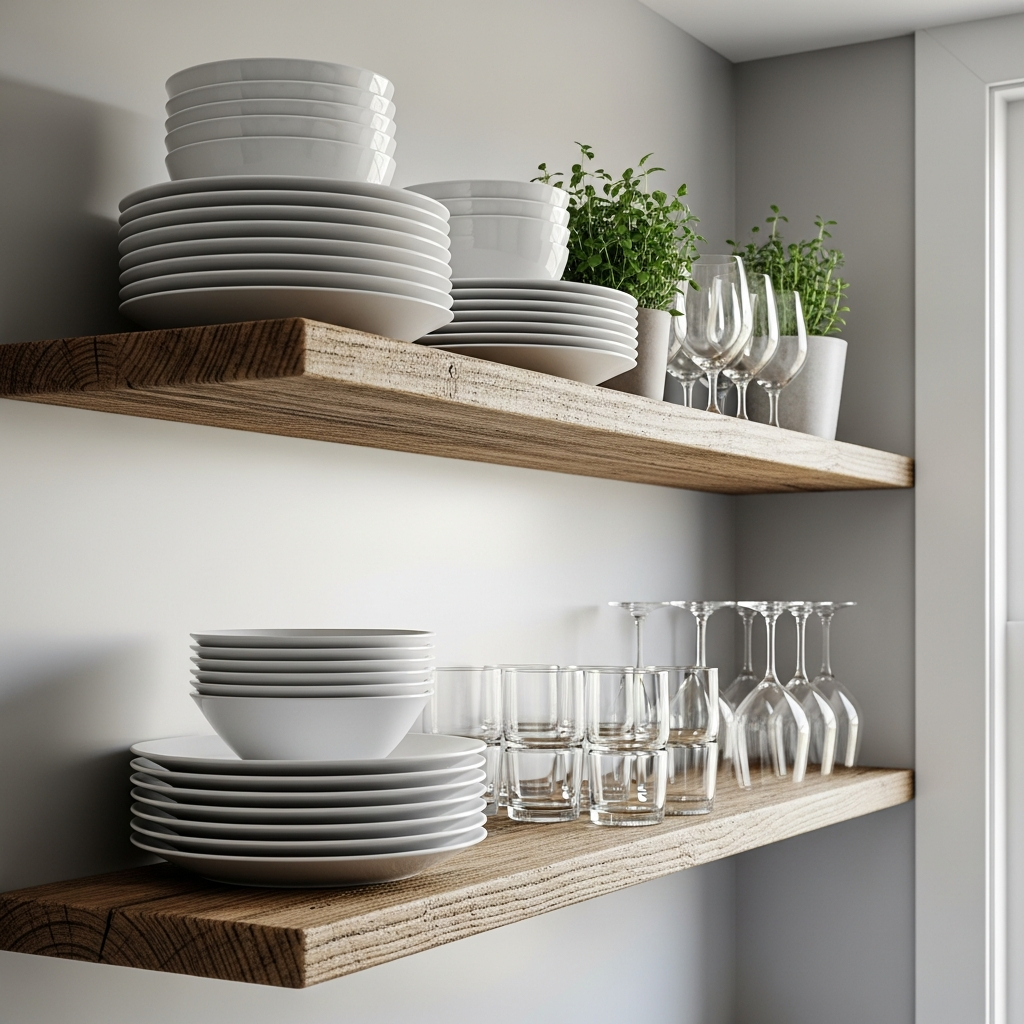
Removing upper cabinet doors or installing floating shelves creates an airy, open feel. Use these shelves to display your most attractive glassware and ceramics. It is a cost-effective way to update a kitchen layout while increasing accessibility.
13. Update Window Treatments
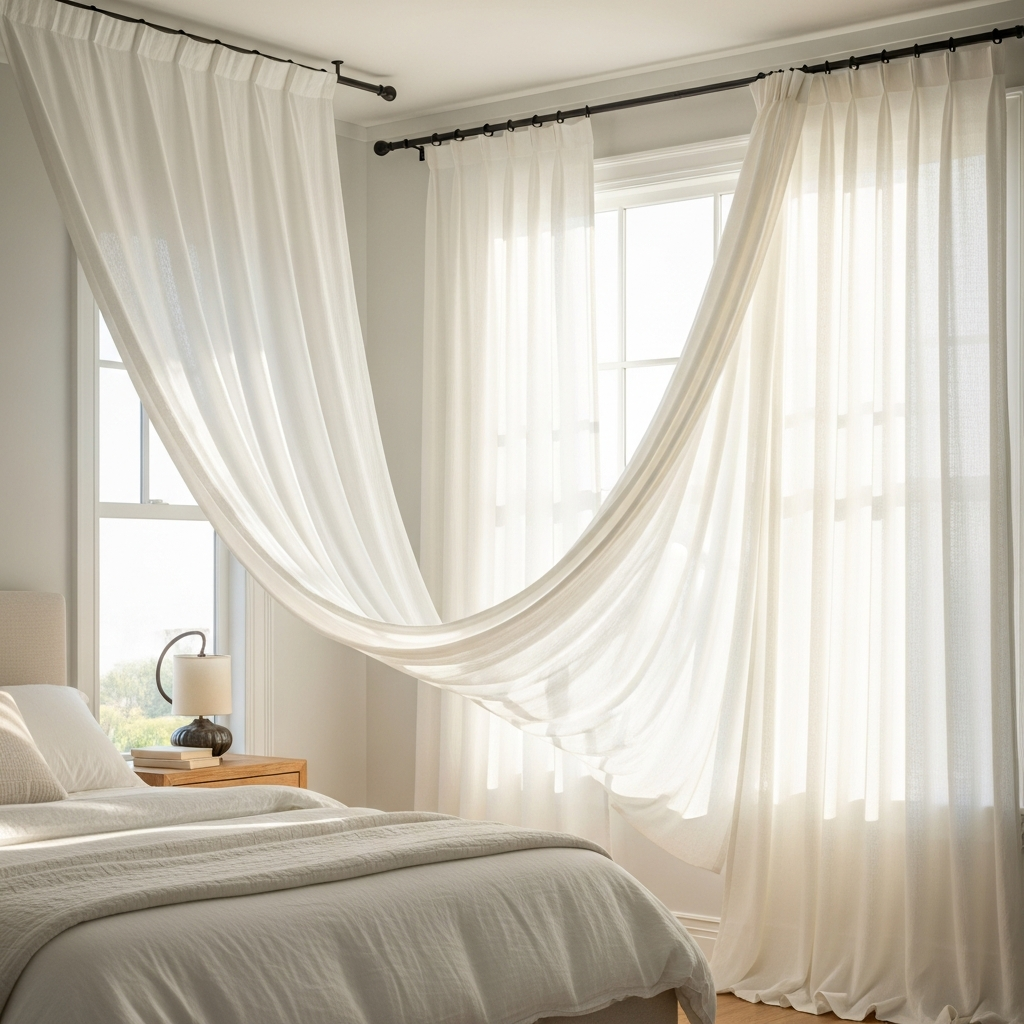
Replace heavy, dated drapes with simple, floor-to-ceiling linen curtains. Hanging the rod higher and wider than the window frame makes the windows appear larger and allows more natural light to enter the room.
14. Add Decorative Molding
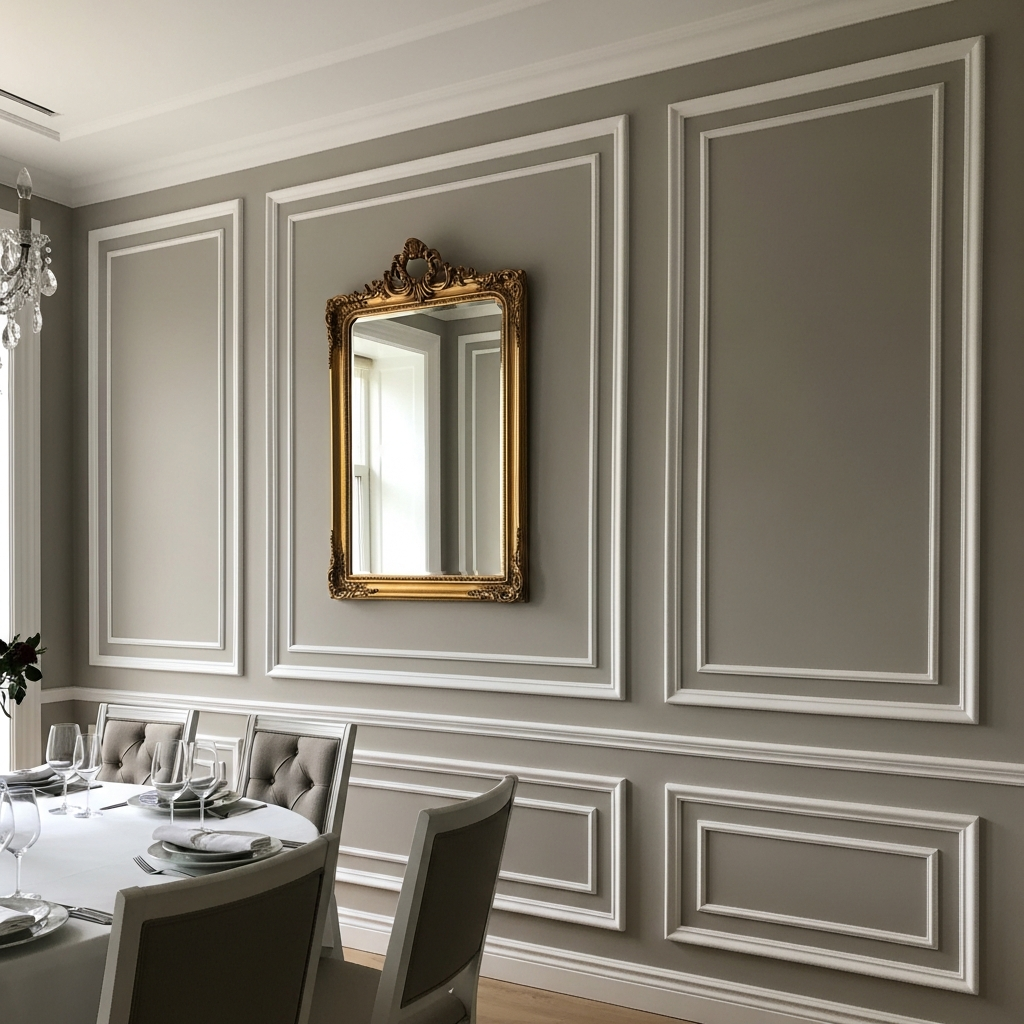
Picture frame molding or chair rails can add architectural character to plain walls. These DIY-friendly projects use inexpensive wood strips to create a sophisticated, traditional look that mimics expensive custom millwork.
15. Organize the Entryway
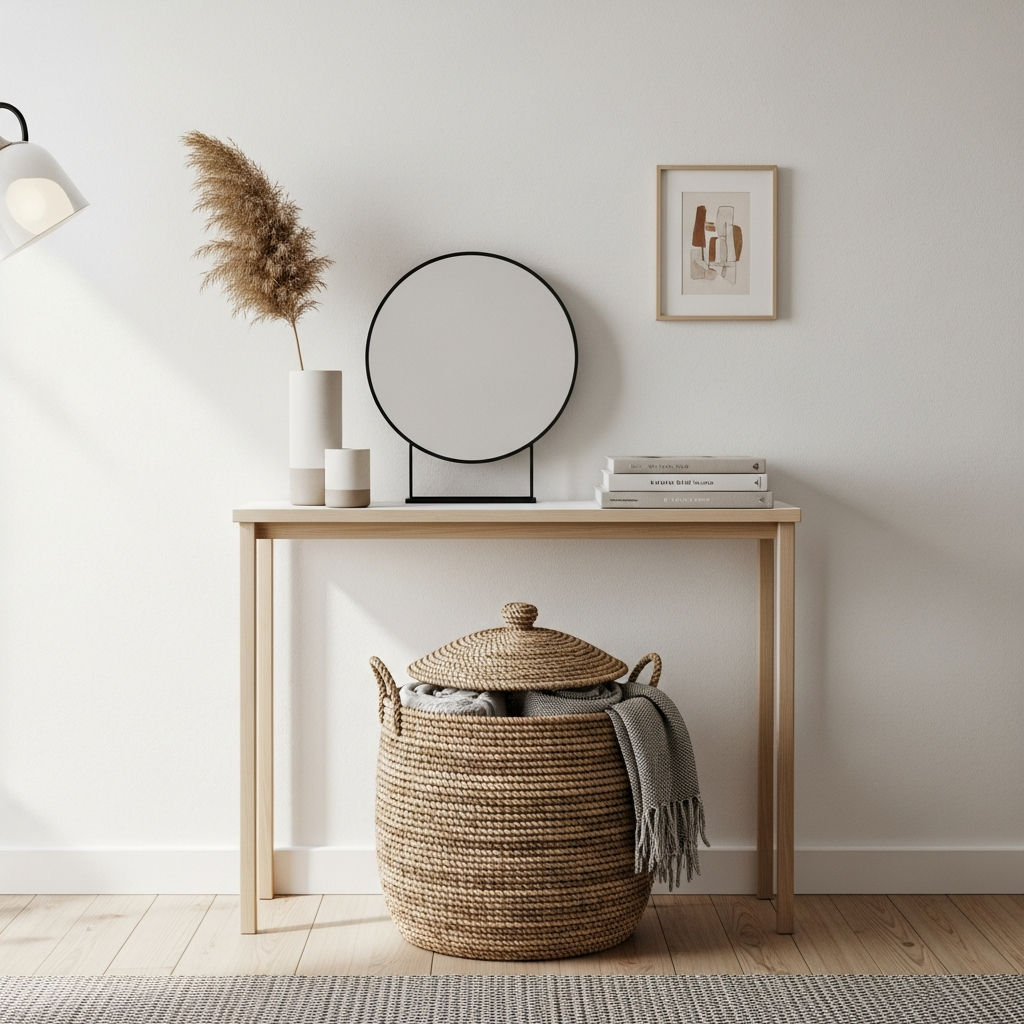
The entryway sets the tone for the entire home. Add a simple console table, a few wall hooks, and a basket for shoes. Keeping this area clutter-free and organized immediately makes the home feel more intentional and designed.
16. Style Bookshelves with Intentionality
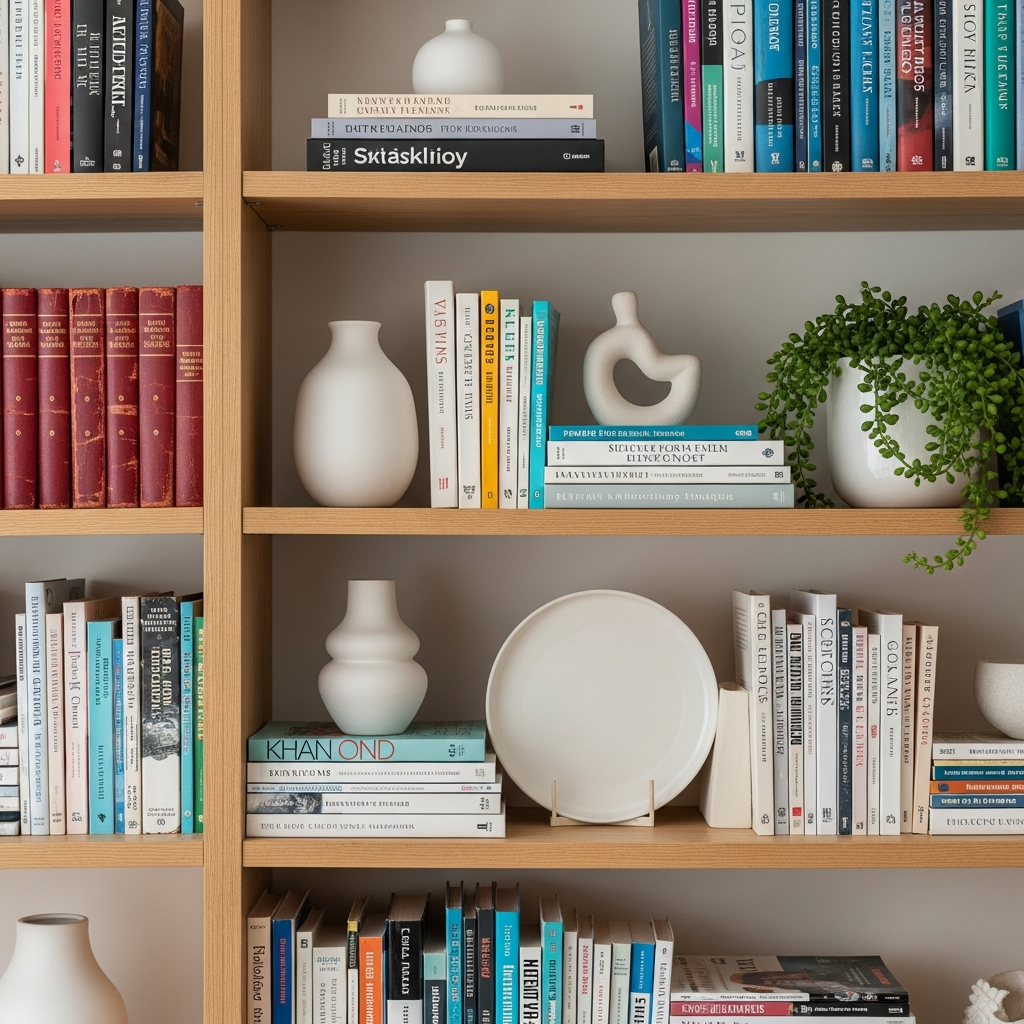
Avoid cluttering bookshelves with only books. Mix in decorative objects, small framed photos, and vases. Arrange some books vertically and others horizontally to create visual rhythm and a professional, styled appearance.
17. Paint Old Furniture
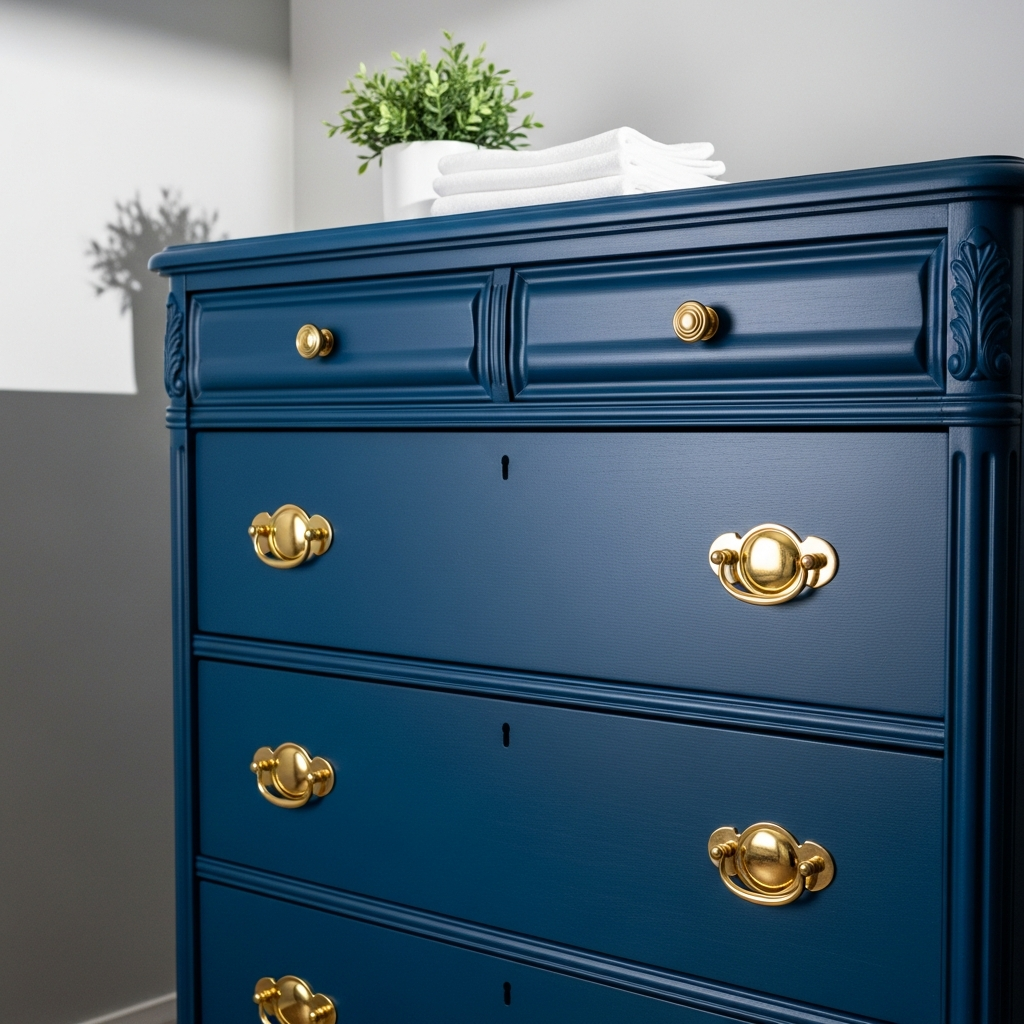
Give a dated dresser or nightstand a second life with chalk paint or a high-gloss finish. Sanding down an old piece and applying a modern color can turn a thrifted item into a high-end statement piece for the price of a quart of paint.
18. Display DIY Wall Art
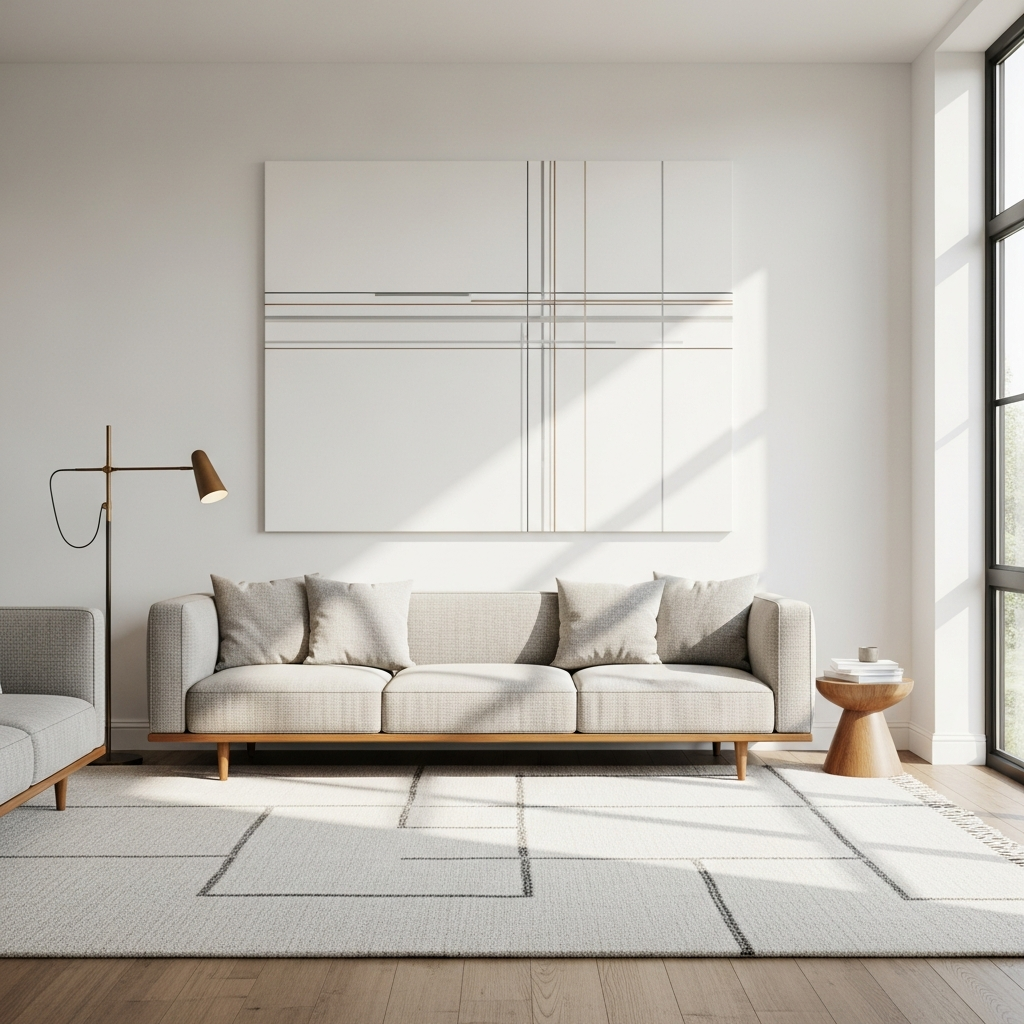
You don’t need to be an artist to create custom art. Frame a piece of interesting fabric, press dried flowers, or use simple geometric shapes on a canvas. Custom art adds a personal touch that mass-produced prints lack.
19. Refresh Floors with Paint or Stencil
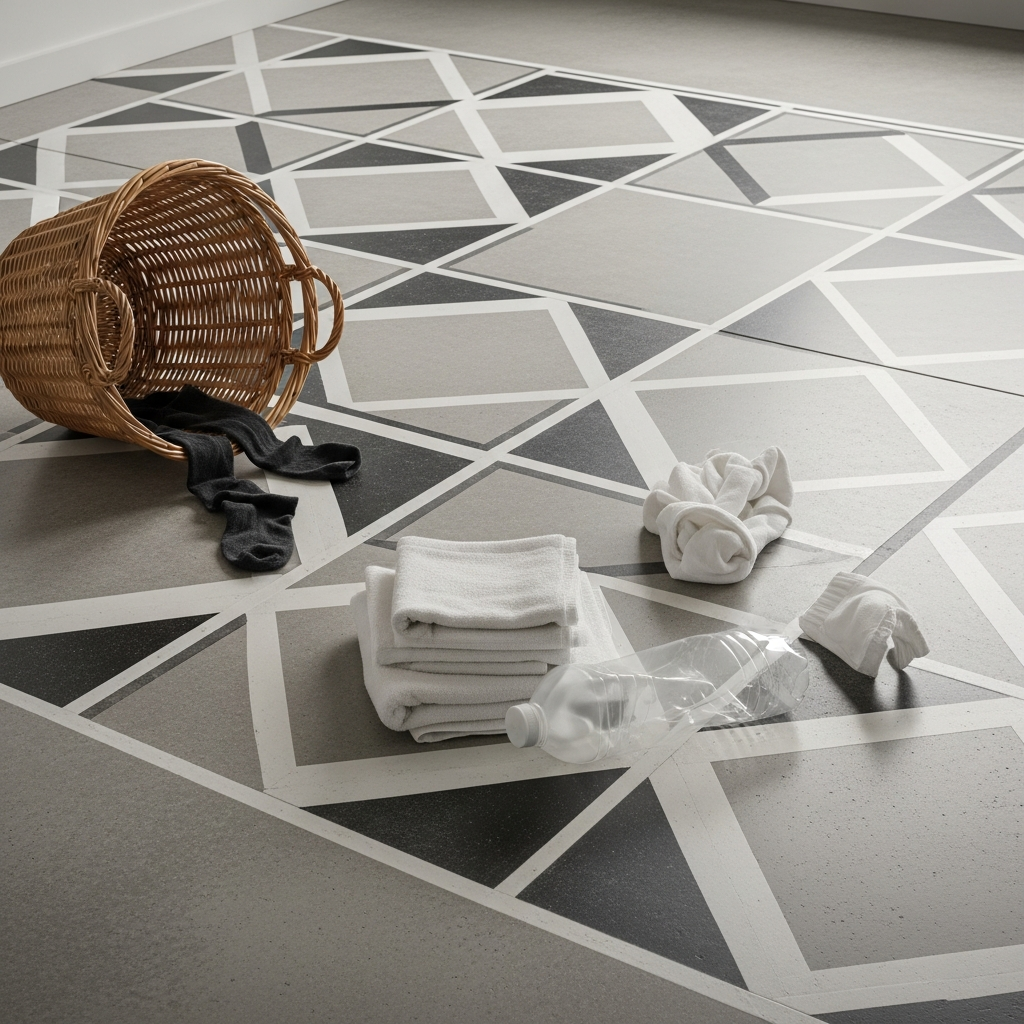
If your floorboards or tiles are worn, consider painting them. Floor-specific paints can revive old wood, and stencils can create a faux-tile look on concrete or linoleum for a fraction of the cost of new flooring.
20. Elevate the Coffee Table Aesthetic
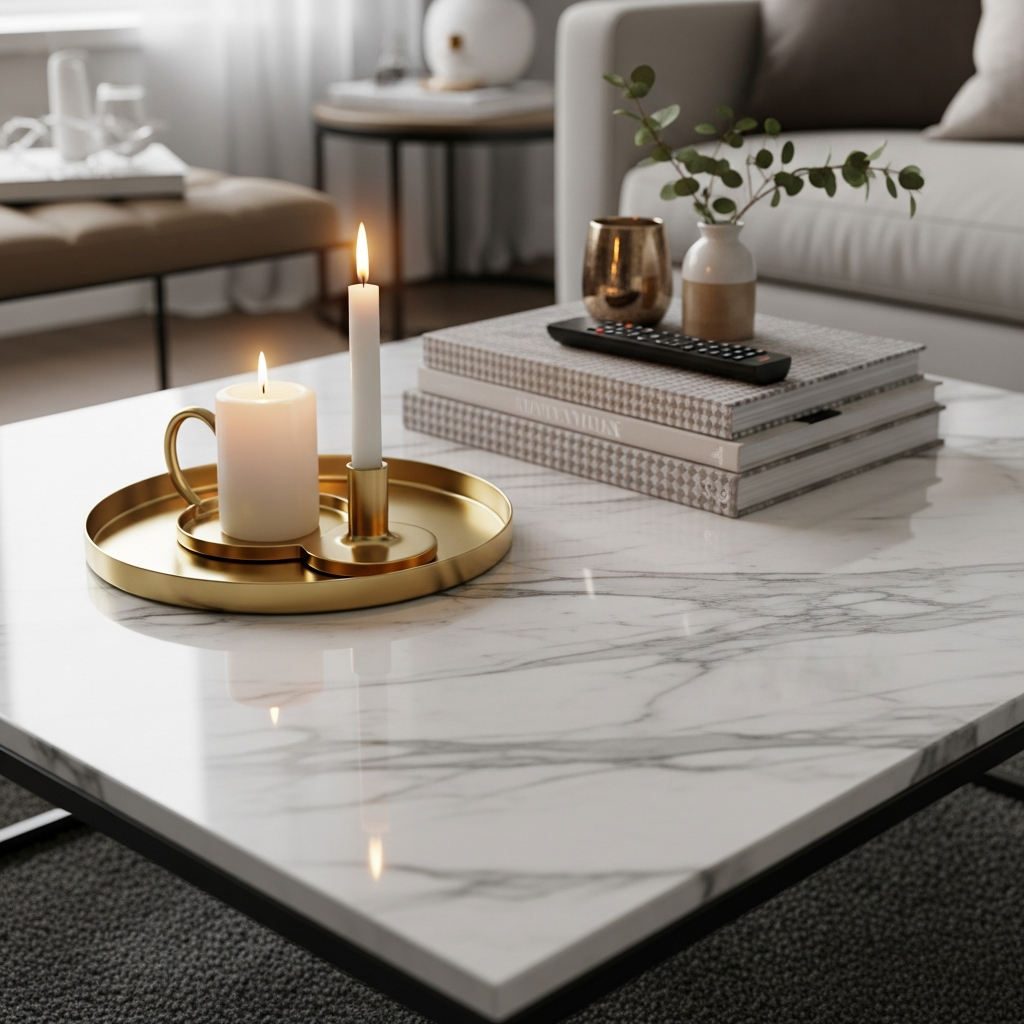
Style your coffee table with a tray to group smaller items like remotes and coasters. Add a stack of books and a small bowl of fruit or a candle. This creates a focal point that looks deliberate and polished.
21. Enhance Ambiance with Scent
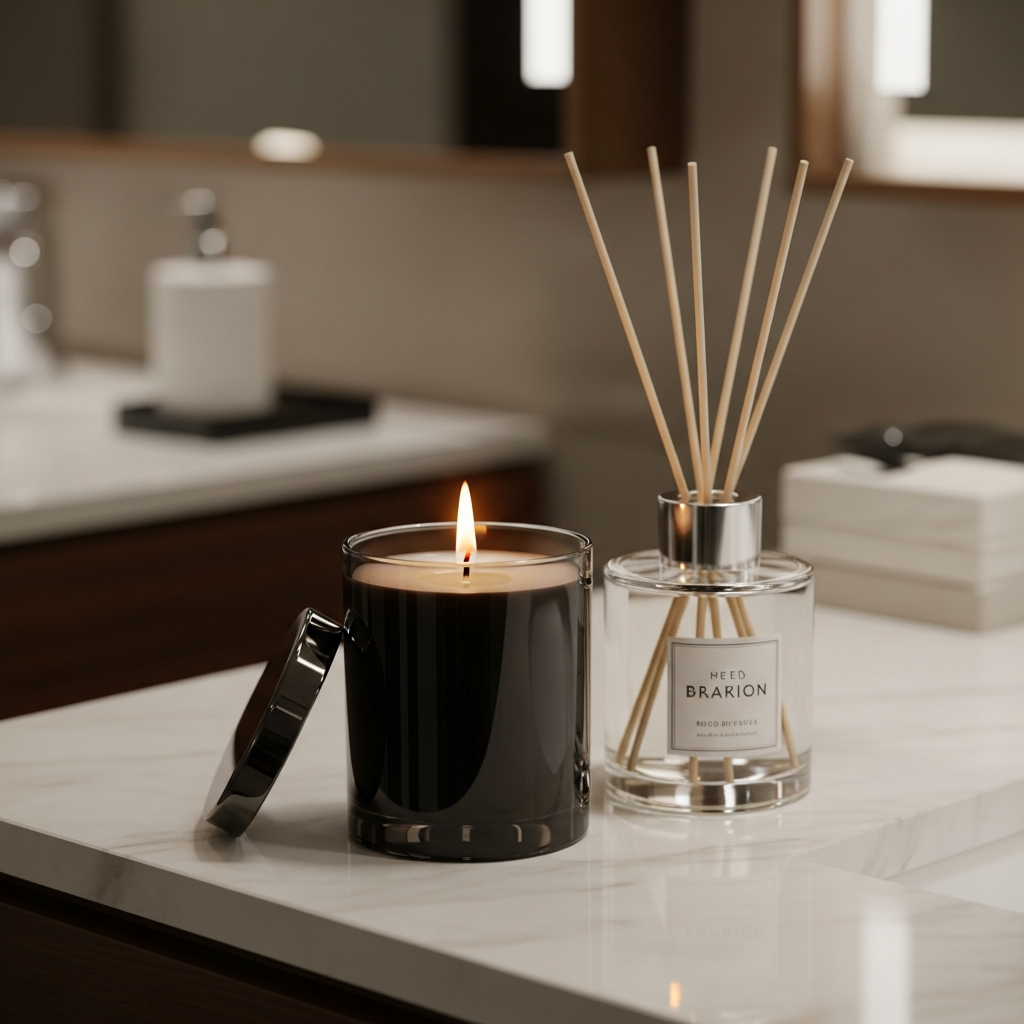
Design is not just visual; it is sensory. Use high-quality candles, essential oil diffusers, or dried lavender to create a signature scent for your home. A pleasant aroma makes a space feel more luxurious and inviting.
22. Optimize Space with Smart Storage
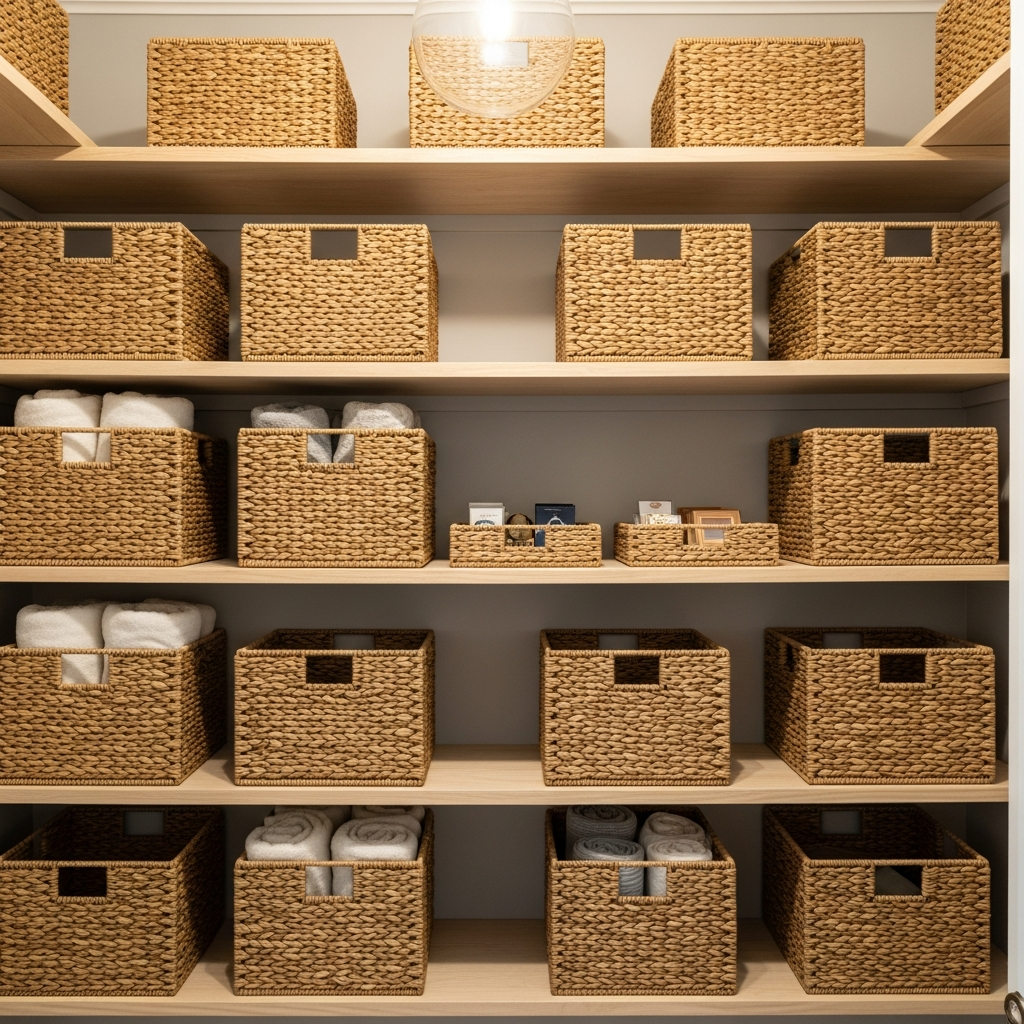
Clutter is the enemy of good design. Use attractive wicker baskets, decorative boxes, and under-bed storage to keep items out of sight. When every item has a designated home, the design of the room can truly shine.
Conclusion
Improving your home’s interior design does not require a significant financial commitment. By focusing on these twenty-two ideas—ranging from simple furniture rearrangement to strategic painting—you can create a professional and curated look that suits your personal style. Consistency in your choices and a focus on organization will ensure that your home remains a stylish and comfortable sanctuary for years to come.