30 Shared Kids Room Design Ideas to Save Space Without Sacrificing Style
Designing a shared bedroom for children presents a unique set of challenges, particularly when square footage is limited. The goal is to create a functional, organized, and aesthetically pleasing environment that respects the individuality of each child while maximizing every available inch. By employing strategic furniture choices, clever storage solutions, and thoughtful layouts, parents can transform a cramped room into a harmonious retreat. This guide explores thirty innovative design ideas that prioritize efficiency without compromising on the modern style your home deserves.
1. Standard Vertical Bunk Beds
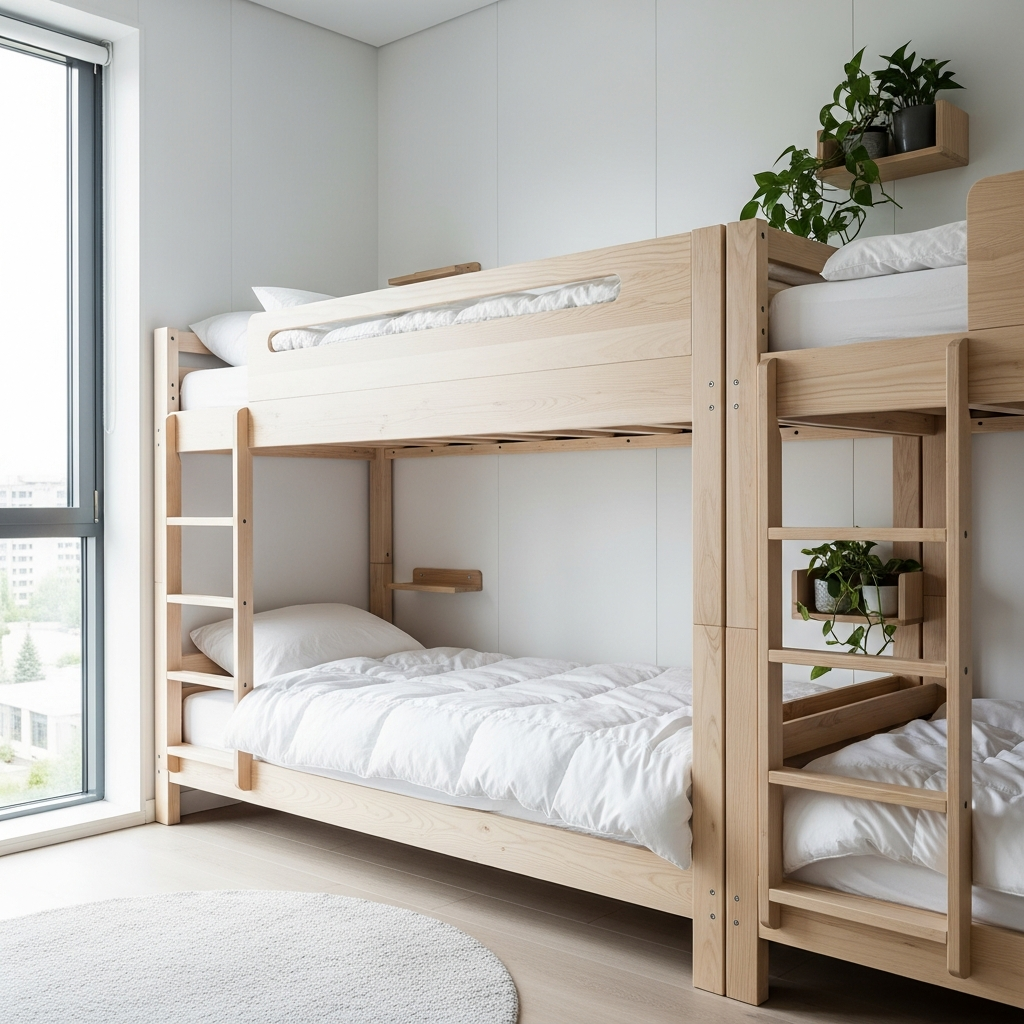
The most classic solution for shared rooms remains the vertical bunk bed. By stacking sleeping quarters, you occupy the footprint of a single bed while accommodating two children. Modern designs offer sleek lines and integrated safety features that fit any decor theme.
2. L-Shaped Corner Bed Layouts
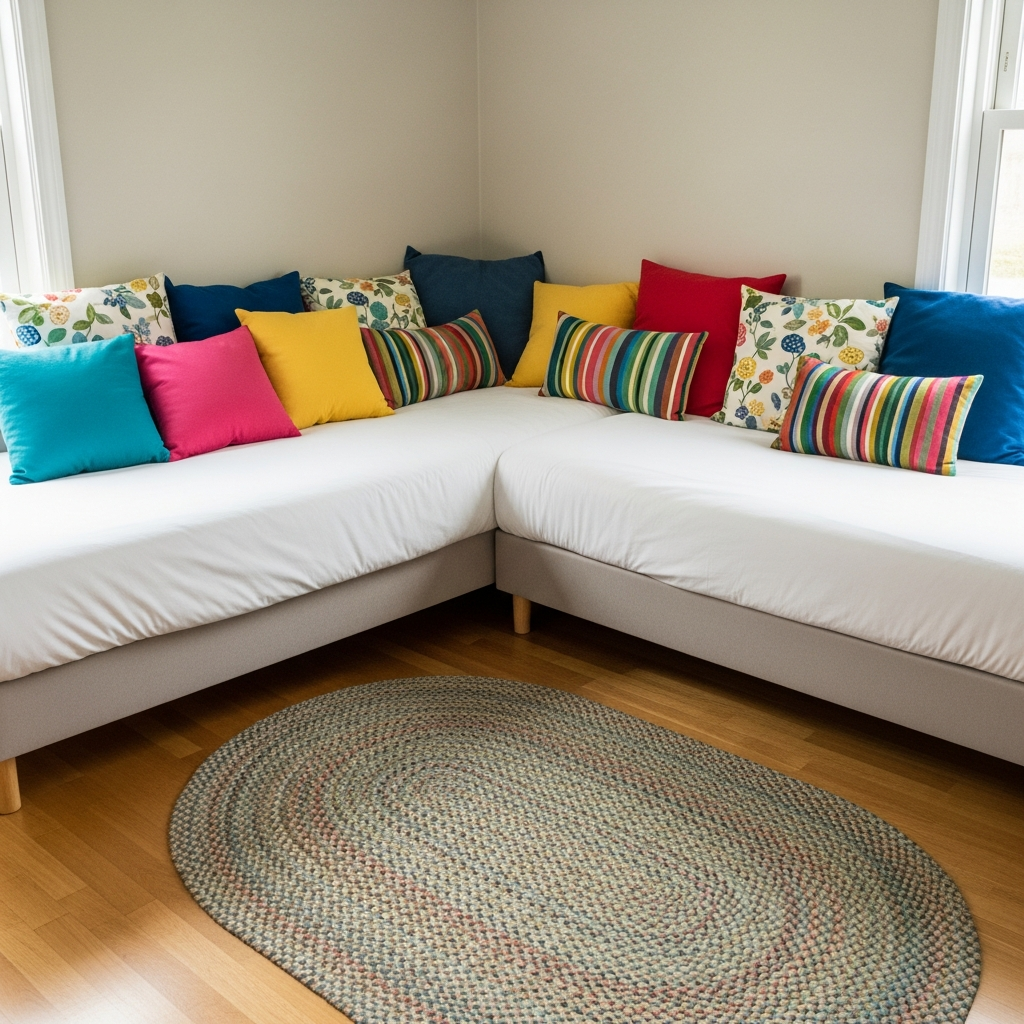
Utilizing the corners of a room can open up the central floor space. Positioning two beds in an L-shape along the walls creates a cozy nook and leaves the middle of the room free for playtime and movement.
3. Integrated Under-Bed Drawers
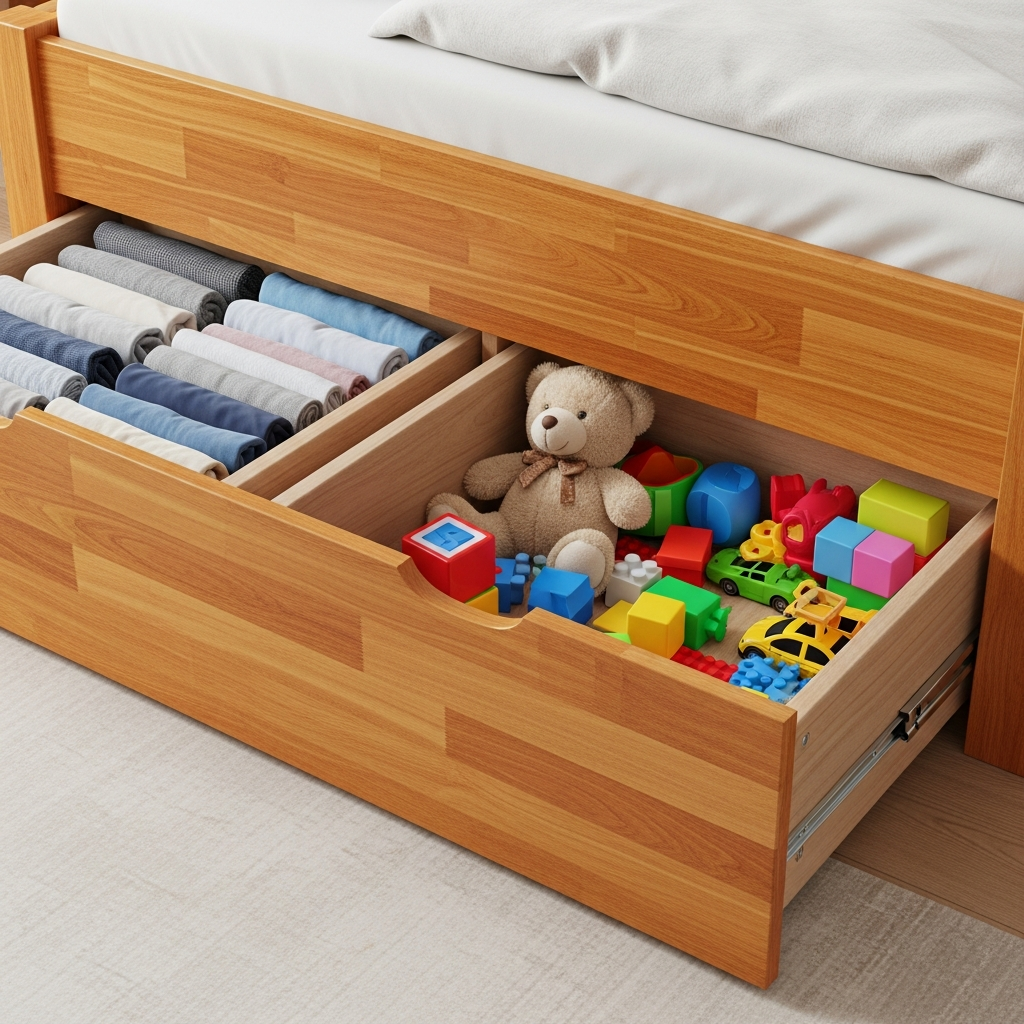
Storage is often the biggest hurdle in a shared space. Beds equipped with built-in drawers underneath eliminate the need for bulky dressers, providing a discrete place for clothing, linens, or toys.
4. Wall-Mounted Folding Desks
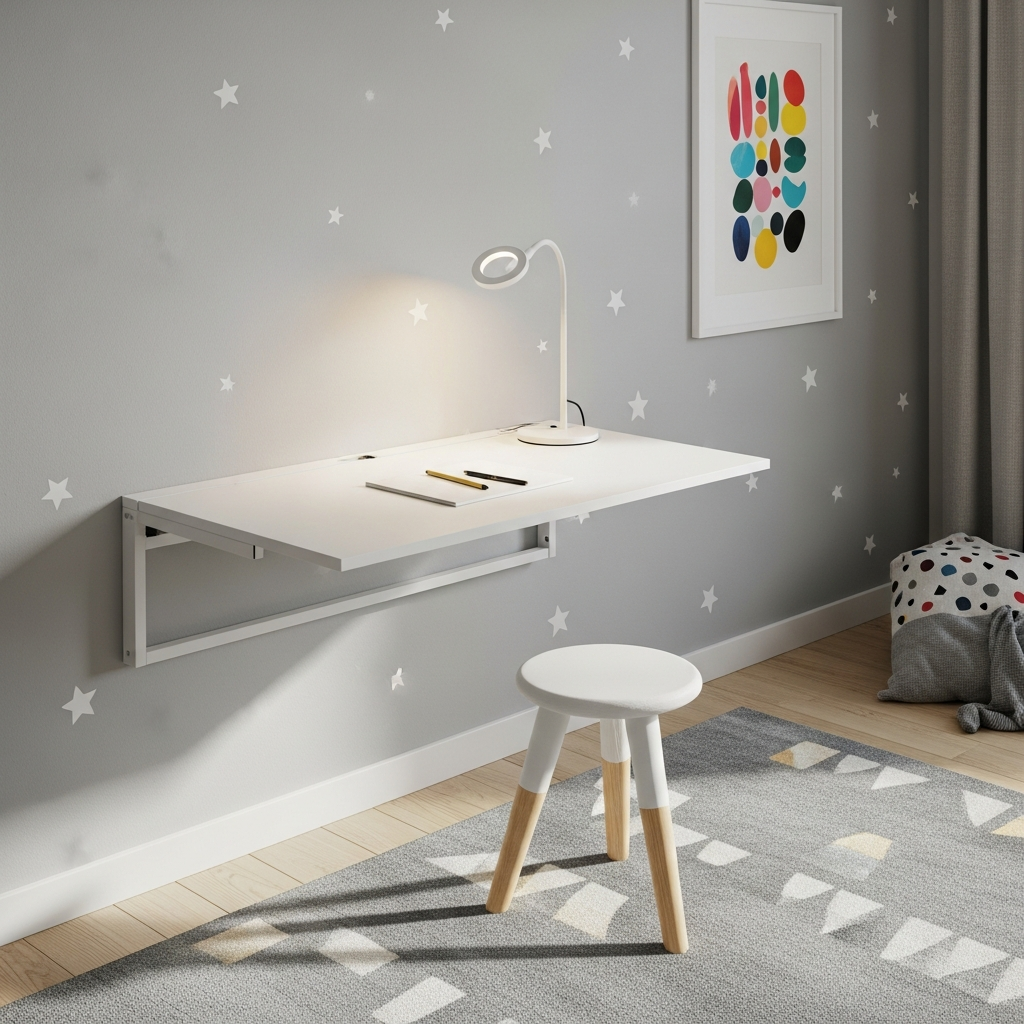
For school-aged children, a workspace is essential. Wall-mounted desks that fold flat when not in use provide a dedicated study area without permanently consuming valuable floor area.
5. Symmetrical Room Dividers
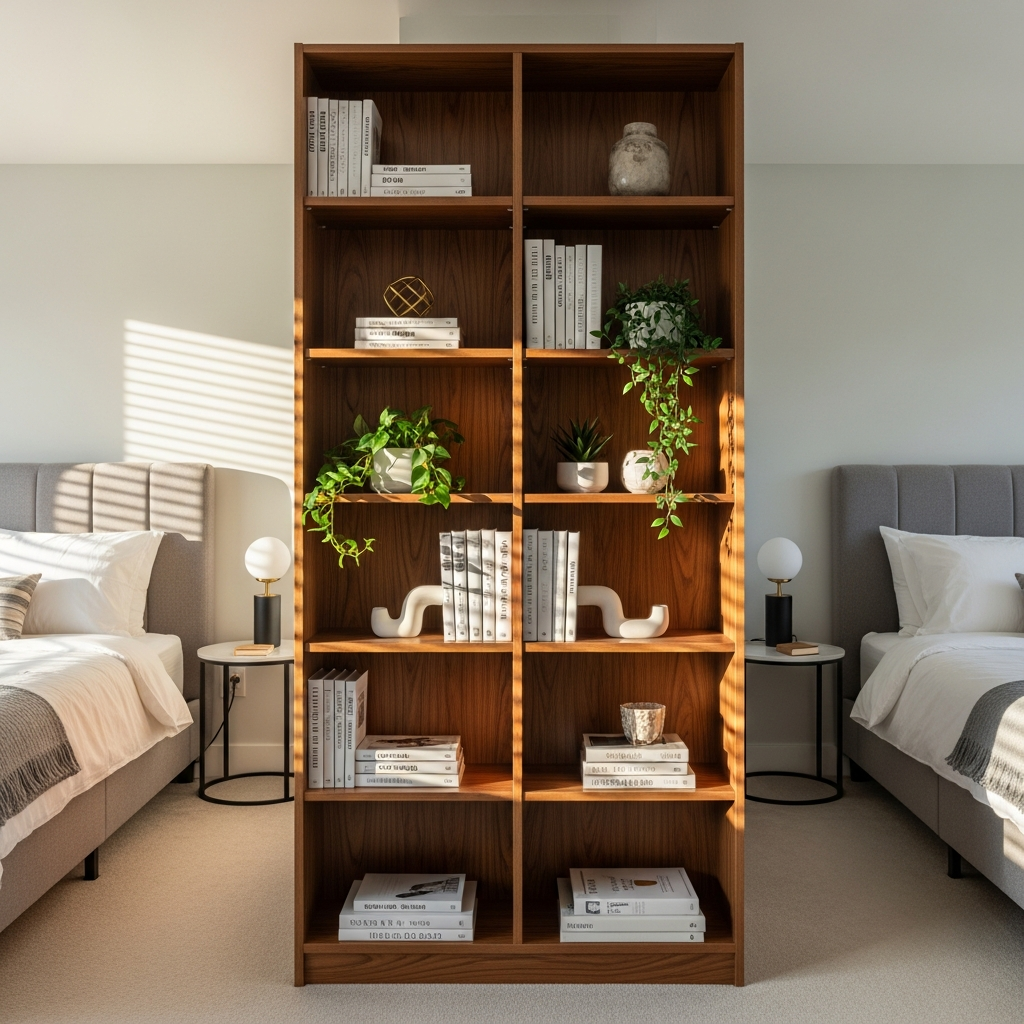
Creating a sense of ownership is vital in a shared room. Using a central bookshelf or a partition to divide the room into two equal halves allows each child to feel they have their own private territory.
6. Color-Coded Personal Zones
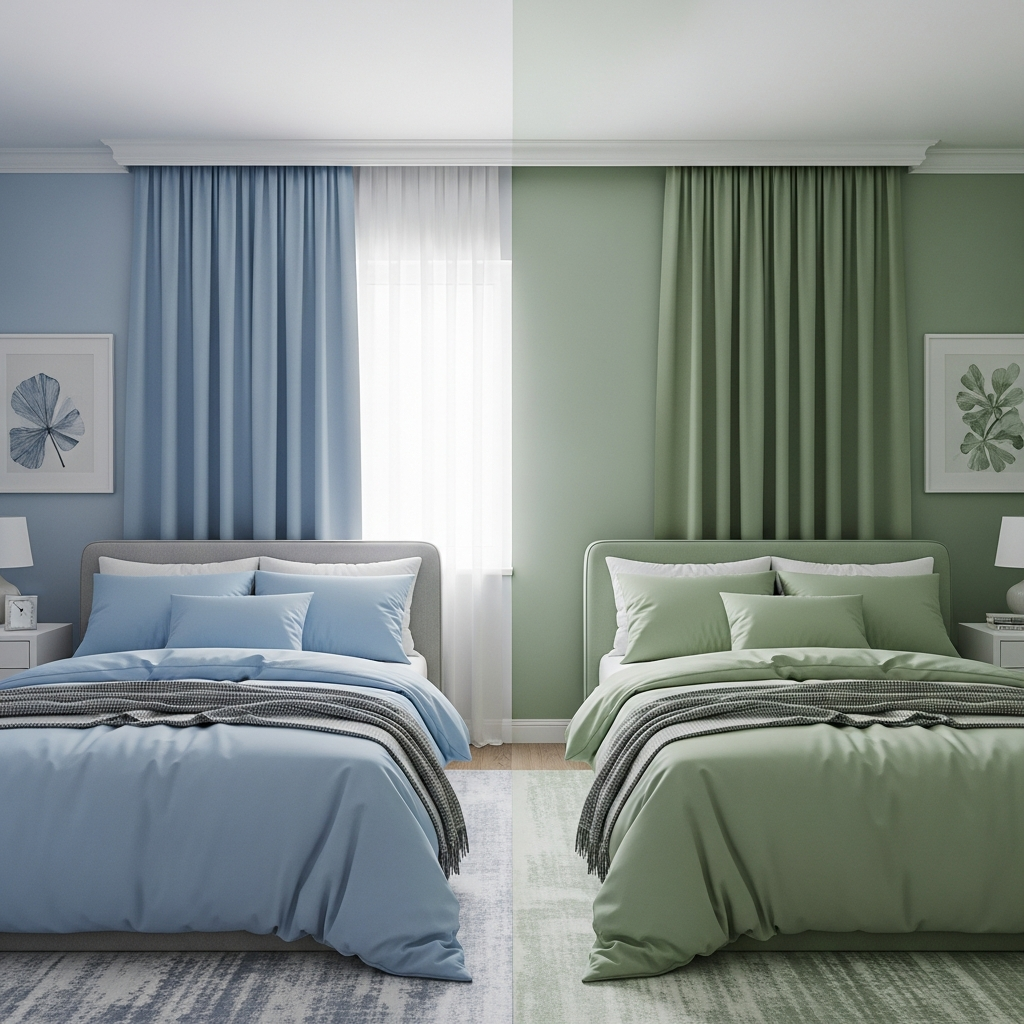
Instead of physical barriers, use color to define individual spaces. Painting different sections of the walls or using specific bedding colors helps children distinguish their personal zones visually.
7. Trundle Beds for Occasional Use
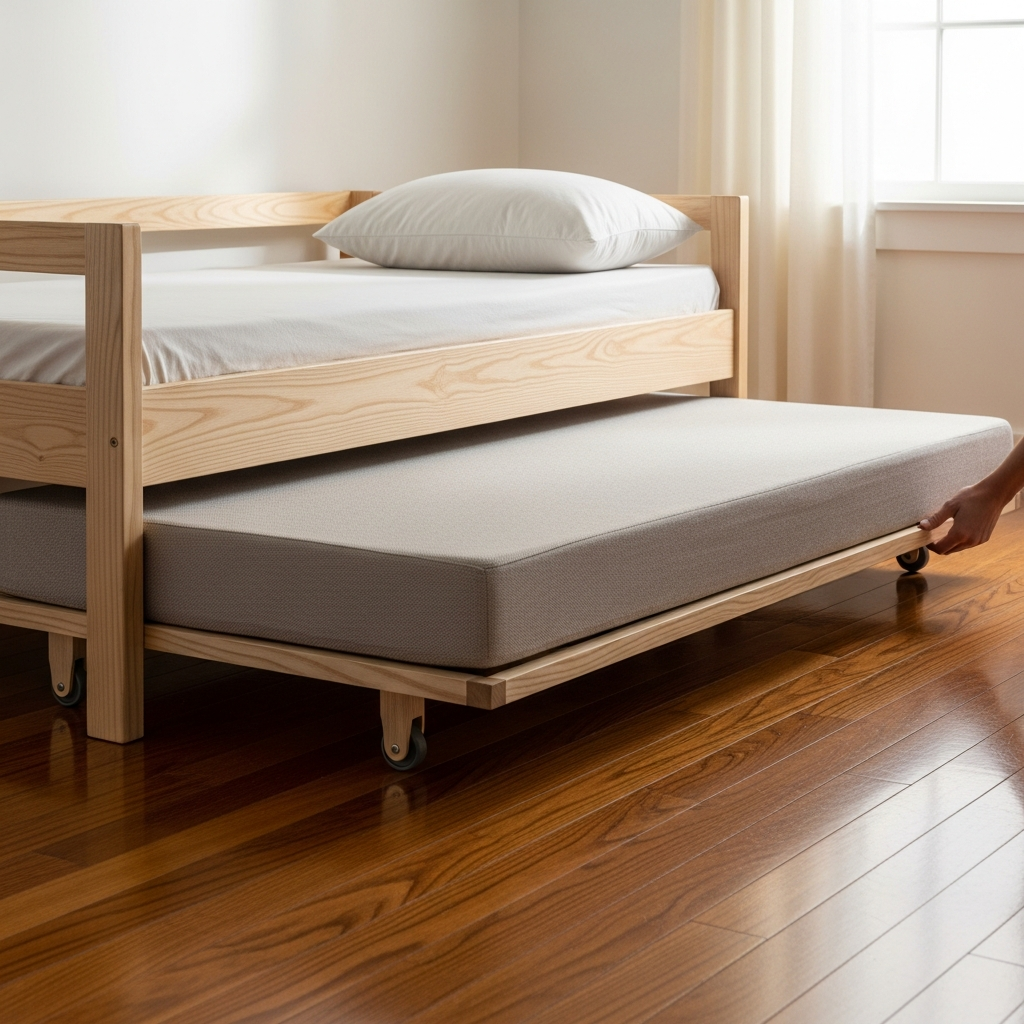
A trundle bed is a secondary mattress tucked away in a drawer beneath a standard bed. This is an excellent space-saver for rooms where a permanent second bed might feel too crowded during the day.
8. Loft Beds with Play Areas Below
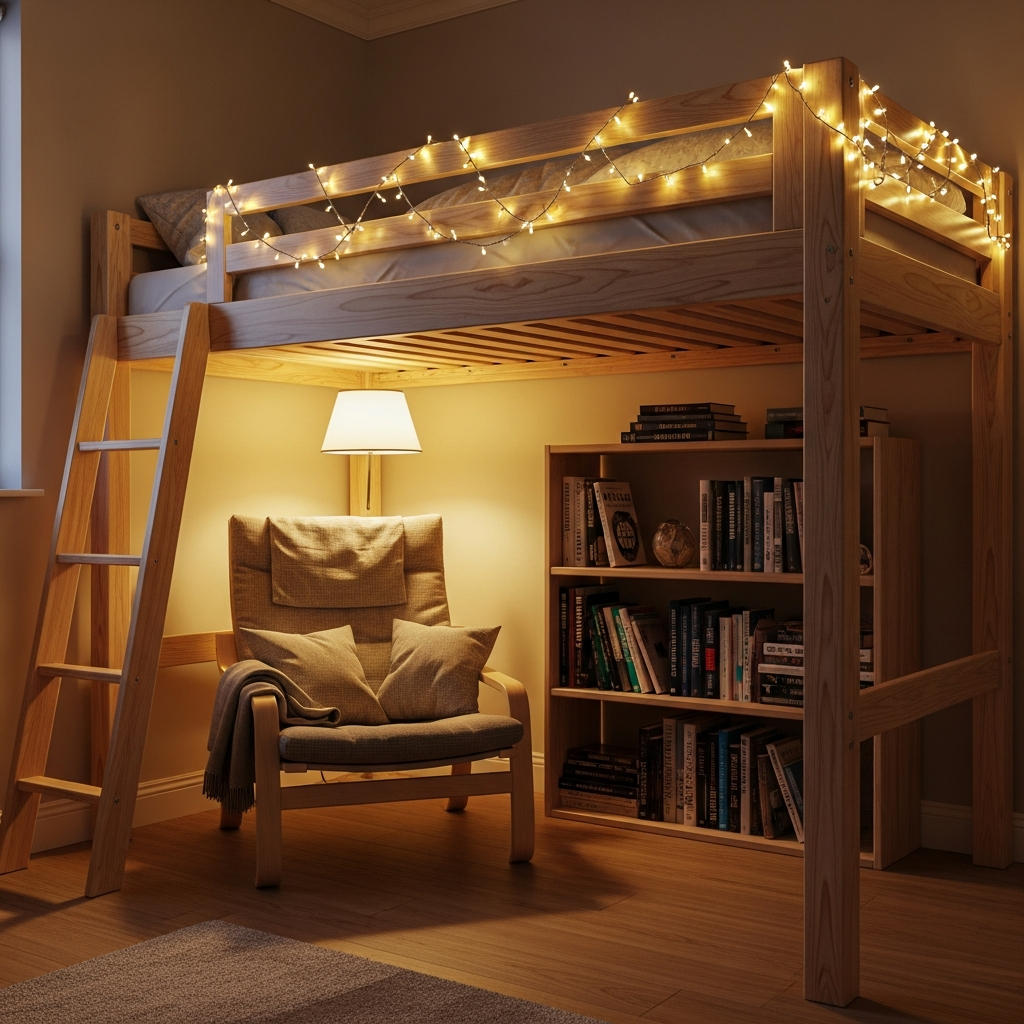
Elevating the bed creates a versatile multi-level environment. The area beneath a loft bed can be transformed into a reading nook, a playhouse, or a storage zone, effectively doubling the usable space.
9. Built-in Floor-to-Ceiling Shelving
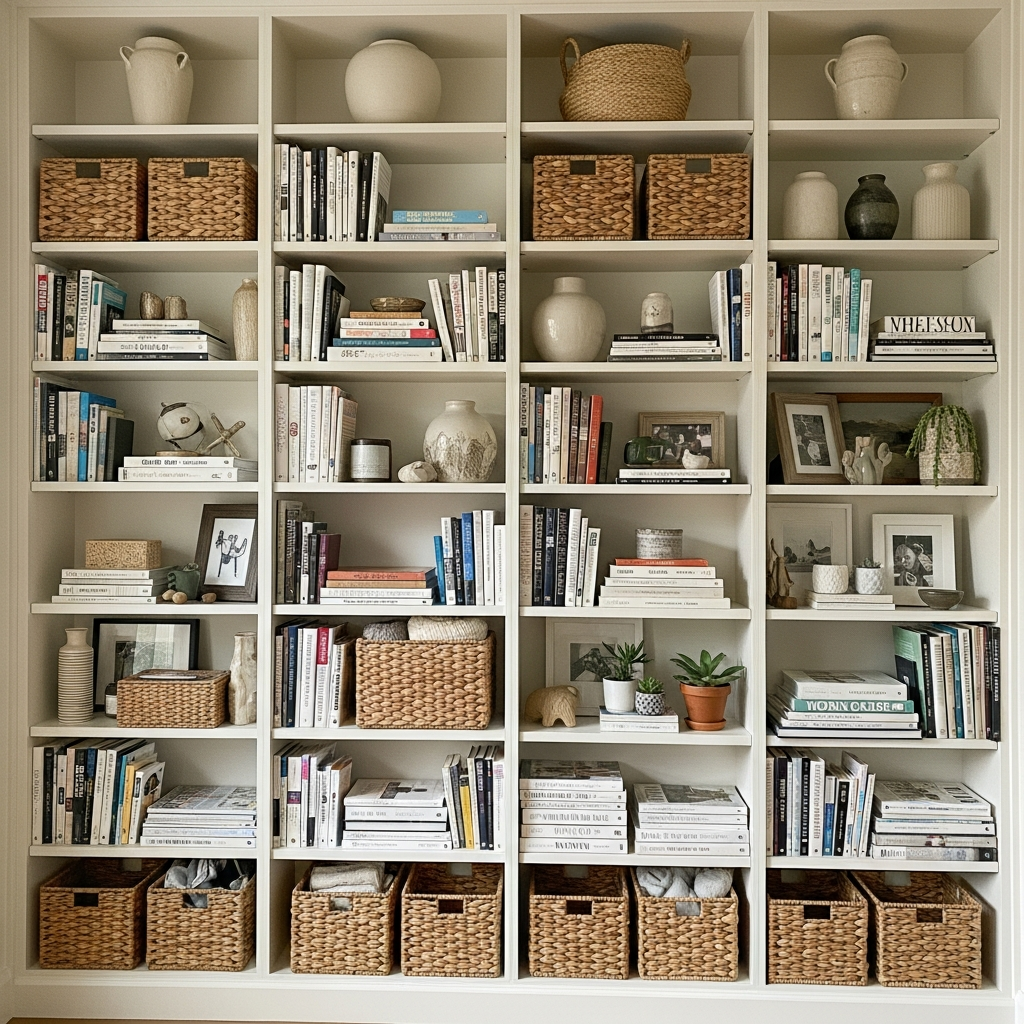
Vertical space is often underutilized. Installing floor-to-ceiling shelves provides immense storage capacity for books and toys while drawing the eye upward to make the room feel taller.
10. Sliding Closet Doors
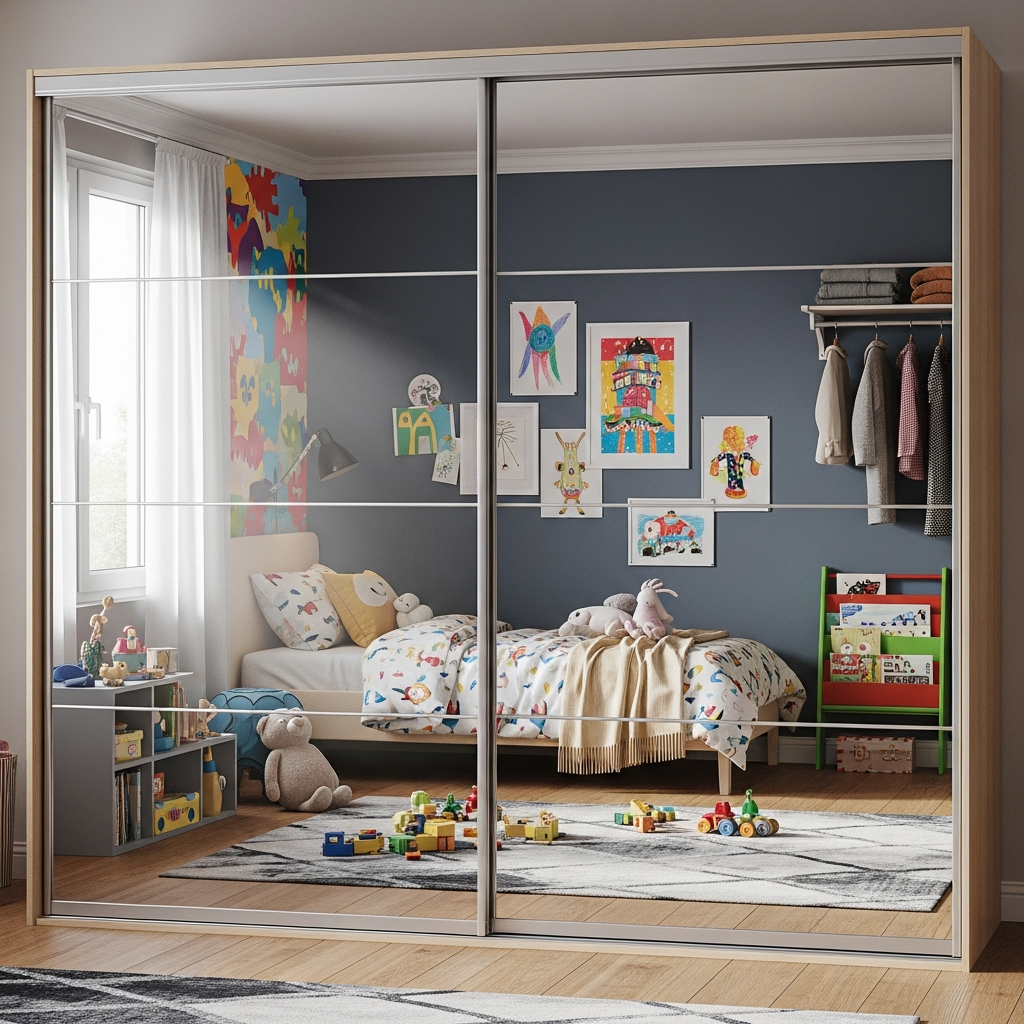
Traditional swinging closet doors require clearance to open. Replacing them with sliding doors or curtains saves space and allows for furniture to be placed closer to the closet area.
11. Multipurpose Storage Headboards
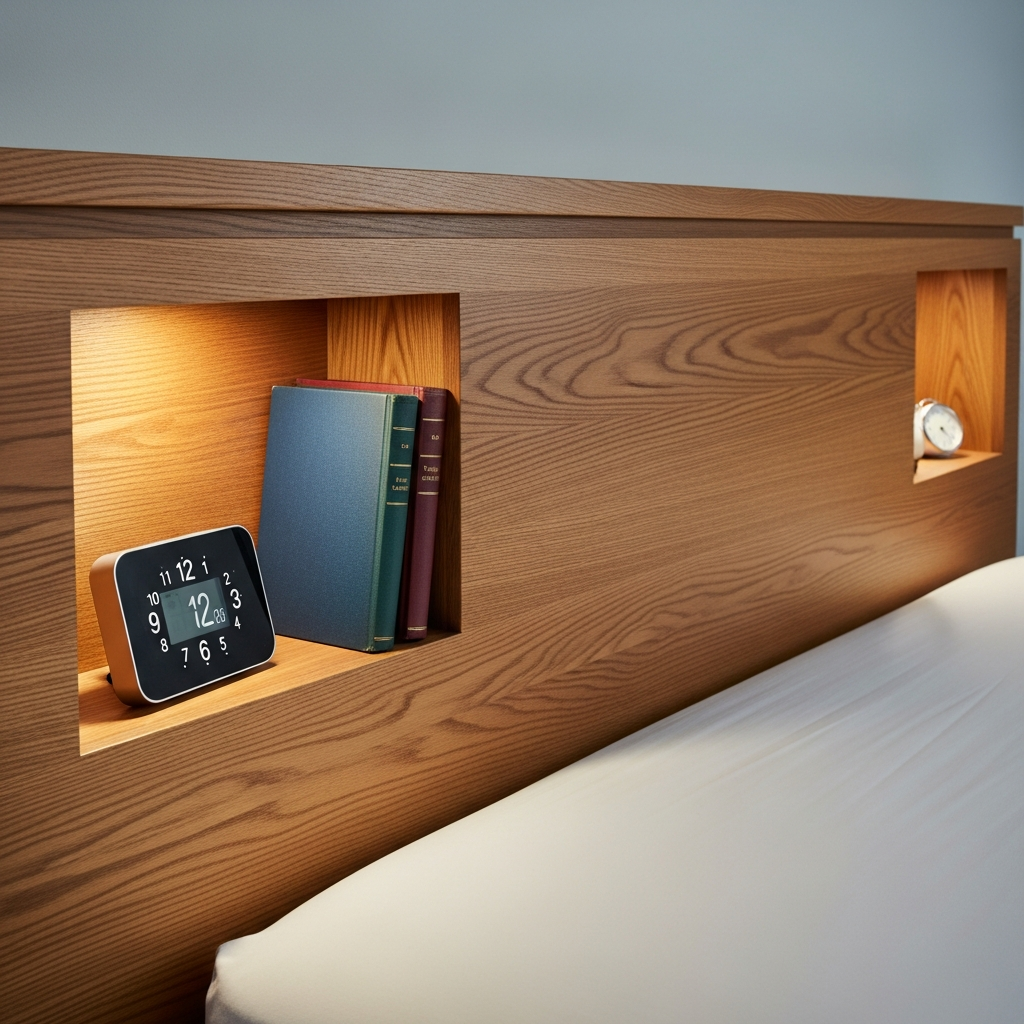
Headboards with integrated shelving or cubbies provide a place for alarm clocks, nightlights, and books, removing the need for separate bedside tables for each child.
12. Strategic Mirror Placement
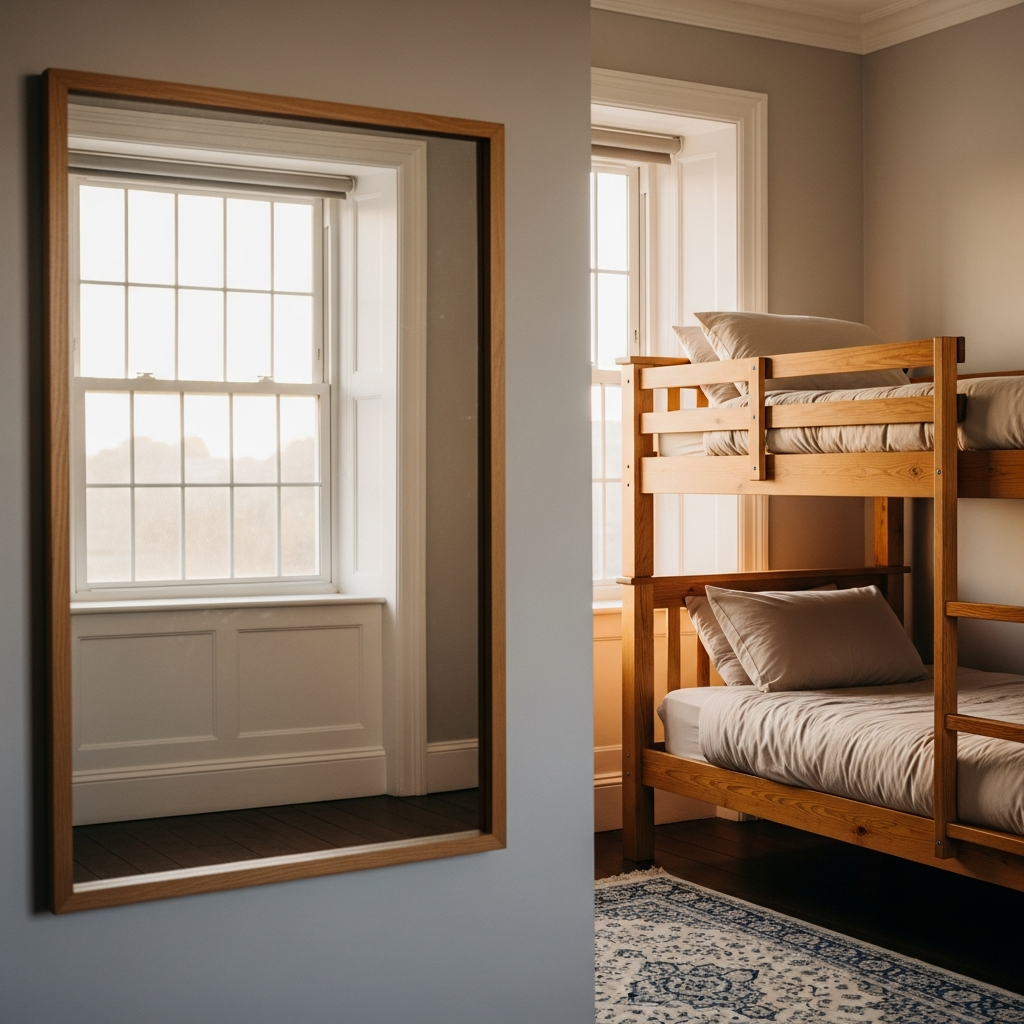
Mirrors are a classic designer trick to make small rooms feel larger. A large wall mirror or mirrored wardrobe doors reflect light and create the illusion of expanded depth.
13. Vertical Pegboard Organization
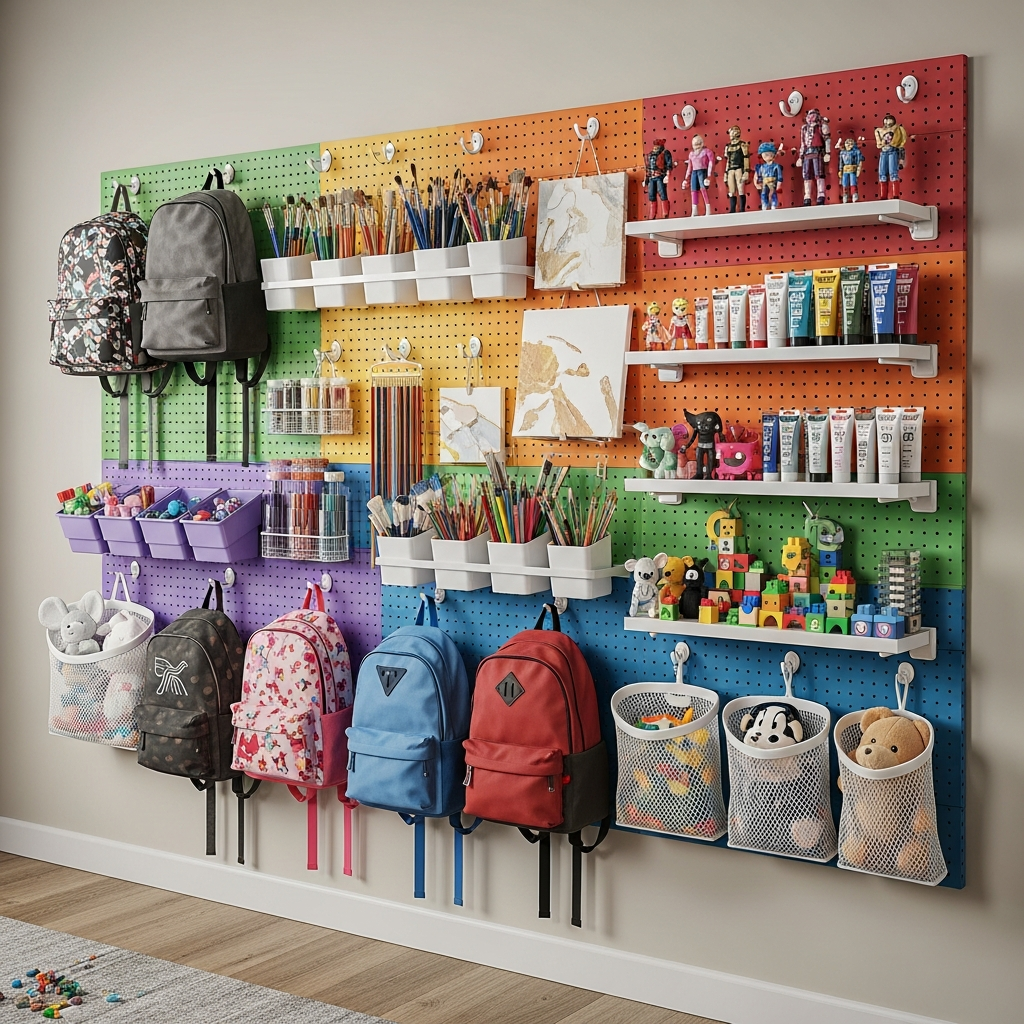
Pegboards offer a customizable way to store art supplies, headphones, and bags. By keeping these items on the wall, you keep the floor clear of clutter and create a visual art piece.
14. Floating Shelves for Nightstands
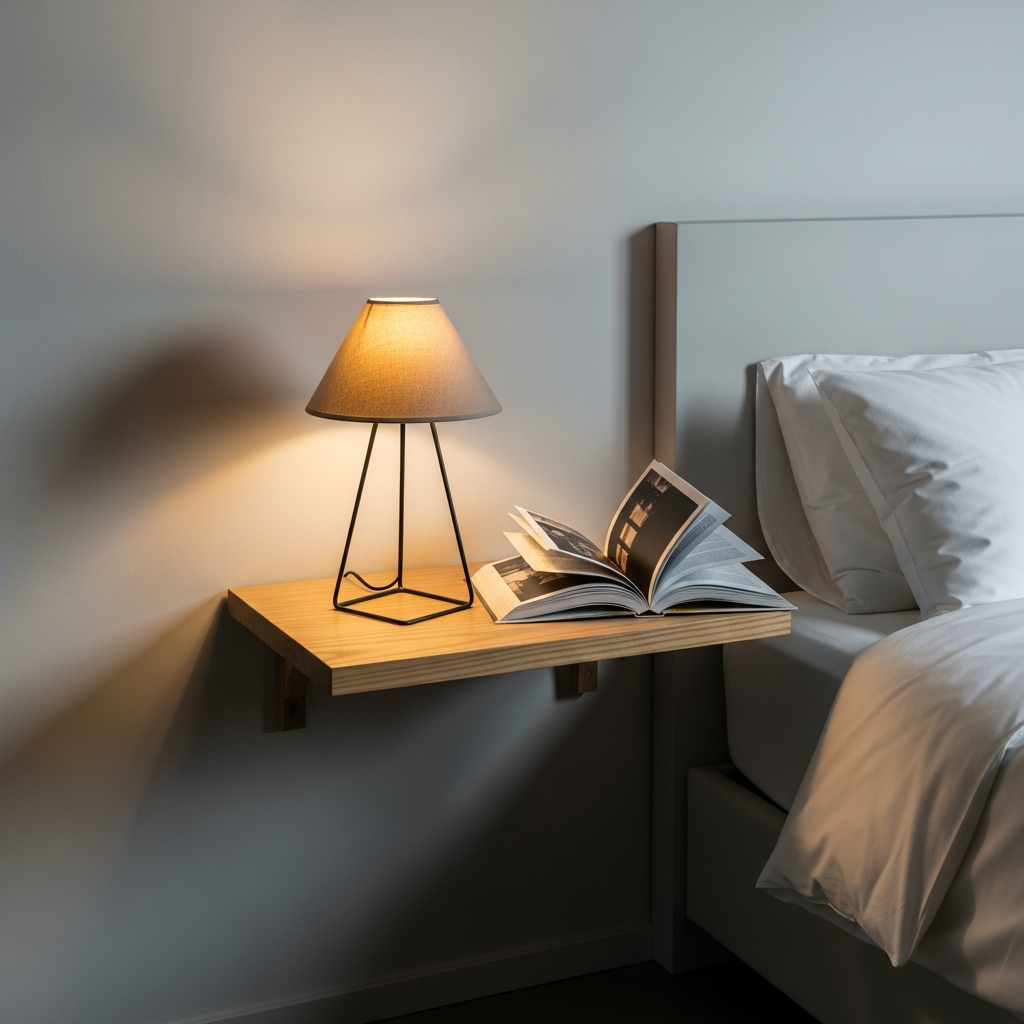
If a full nightstand won’t fit, a simple floating shelf mounted next to the bed offers just enough space for essentials like a glass of water or a favorite book.
15. Murphy Beds for Daytime Freedom
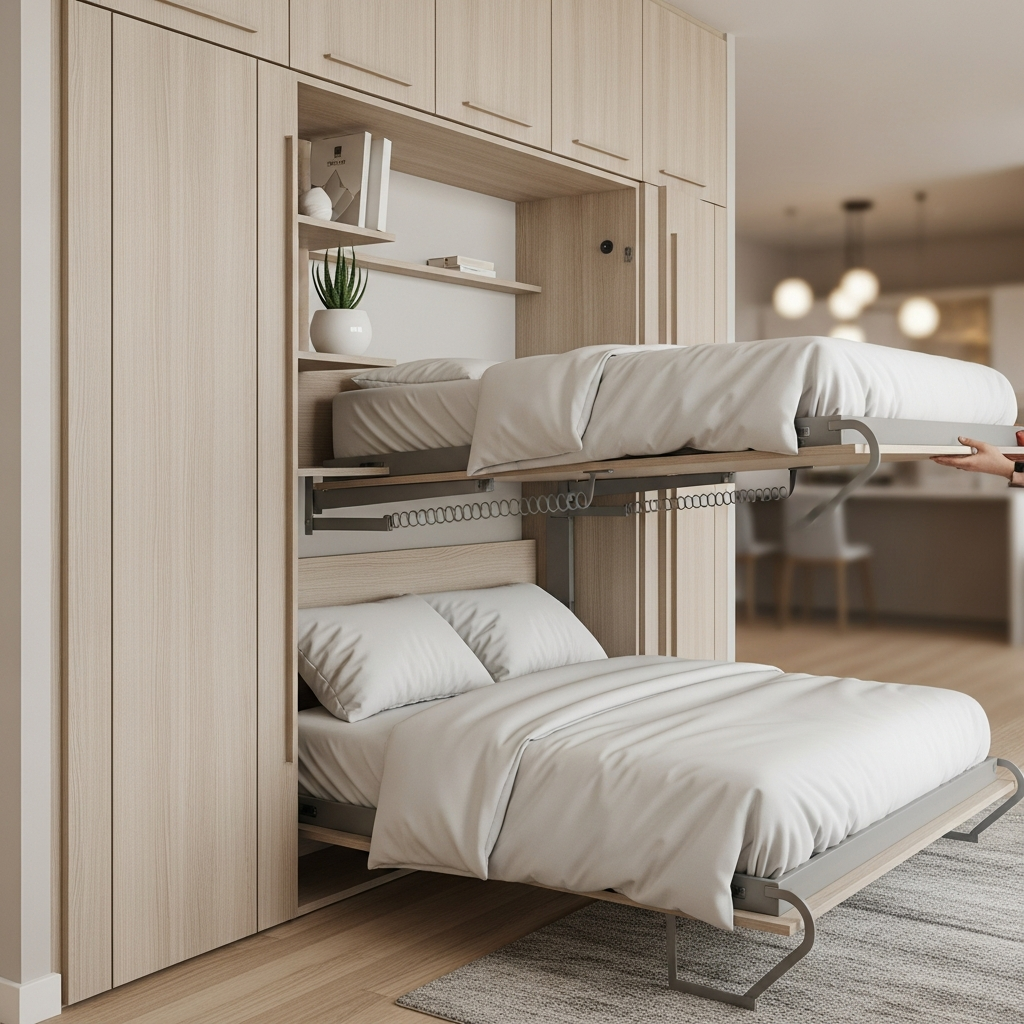
Murphy beds fold into the wall when not in use, completely freeing up the floor for daytime activities. This is the ultimate space-saving solution for very small shared rooms.
16. Nesting Furniture Sets
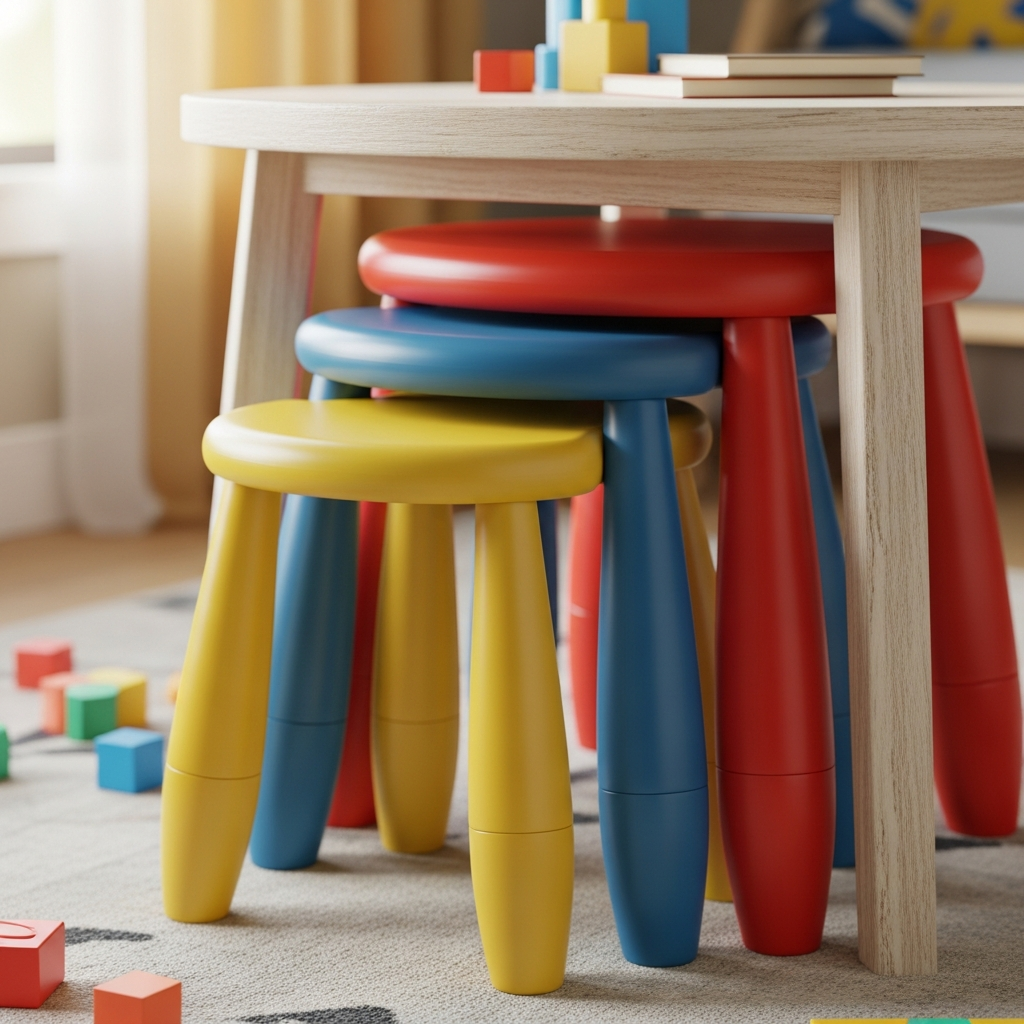
Nesting tables or chairs can be tucked away when they are not required. This flexibility is perfect for shared rooms where children might need extra surface area for projects only occasionally.
17. Minimalist Neutral Color Palettes
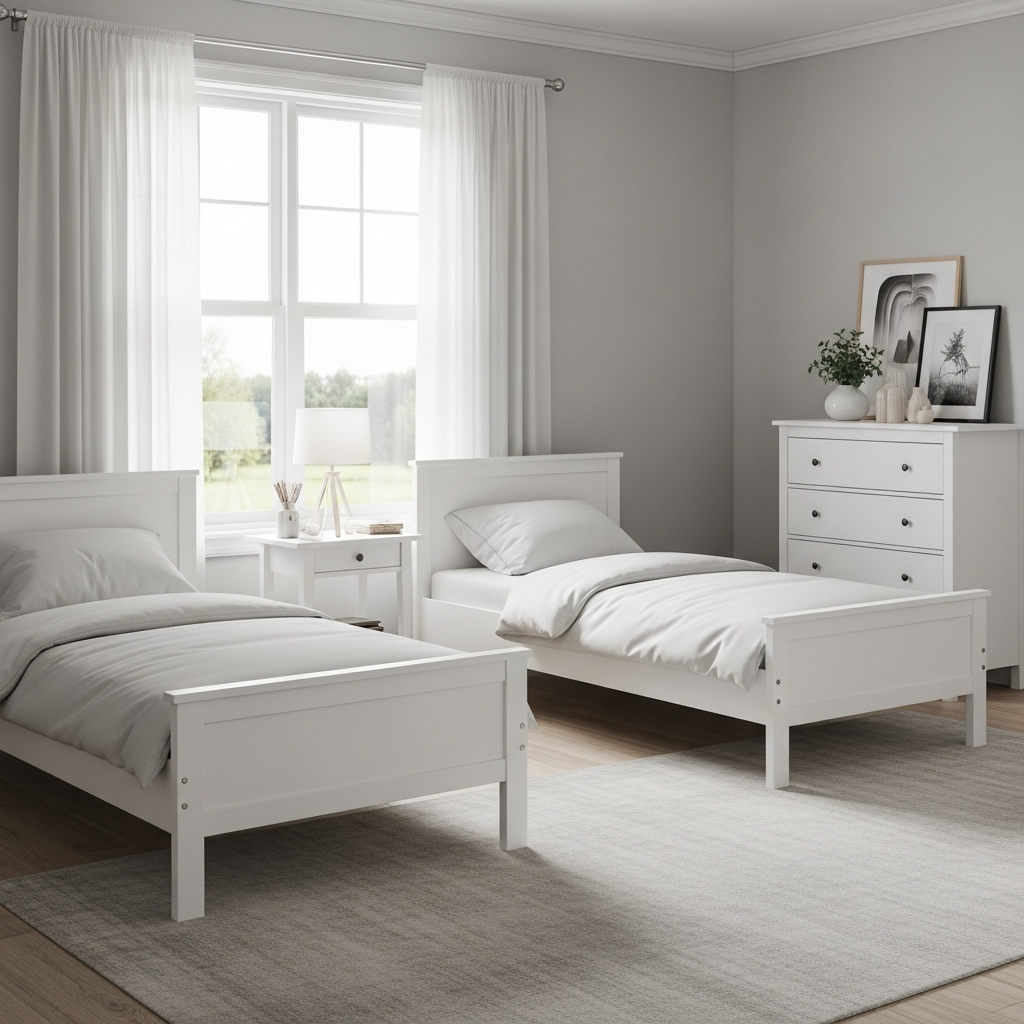
Using light, neutral colors like whites, soft greys, and beiges can make a small room feel airy and open. Consistency in color helps the space feel organized rather than chaotic.
18. Ladder-Style Storage Racks
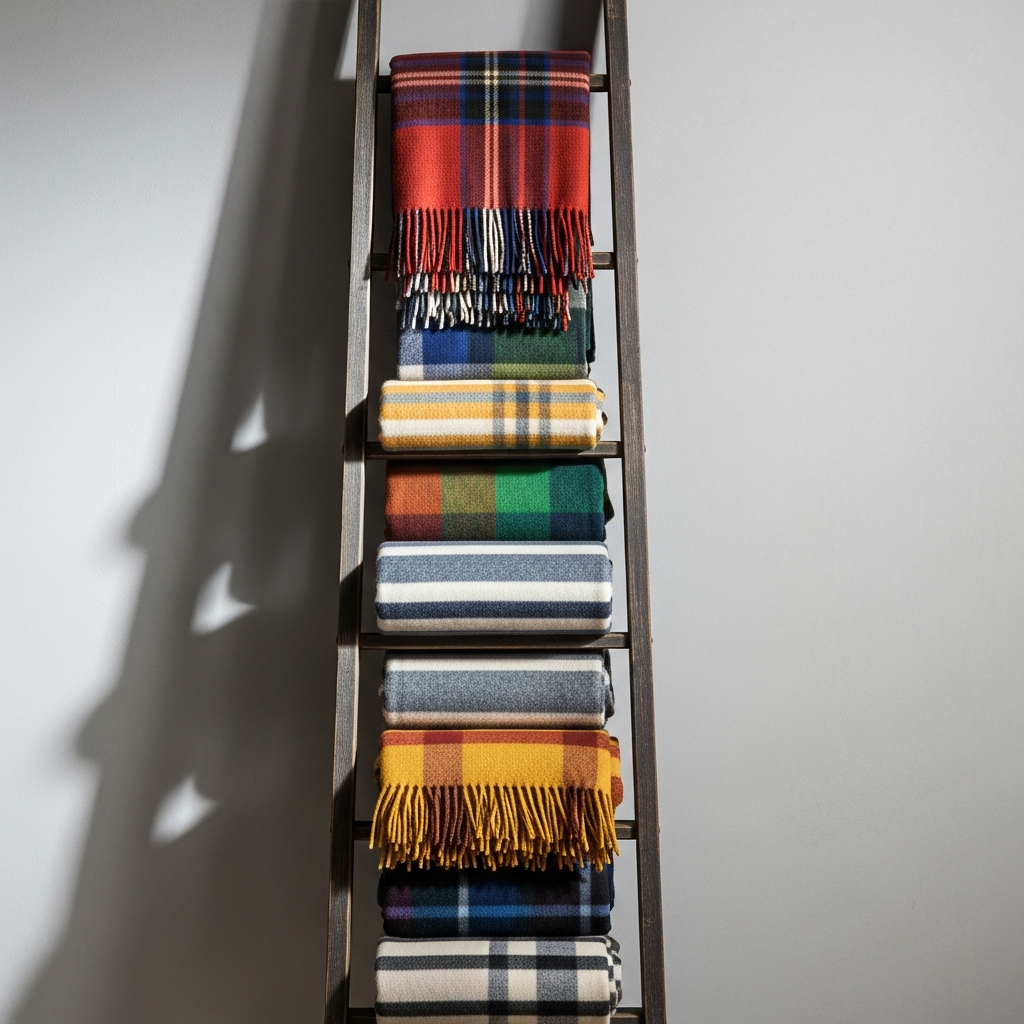
Leaning ladder shelves provide a slim profile for storage. They are ideal for holding blankets or displaying decorative items without the heavy footprint of a traditional cabinet.
19. Transparent Acrylic Furniture
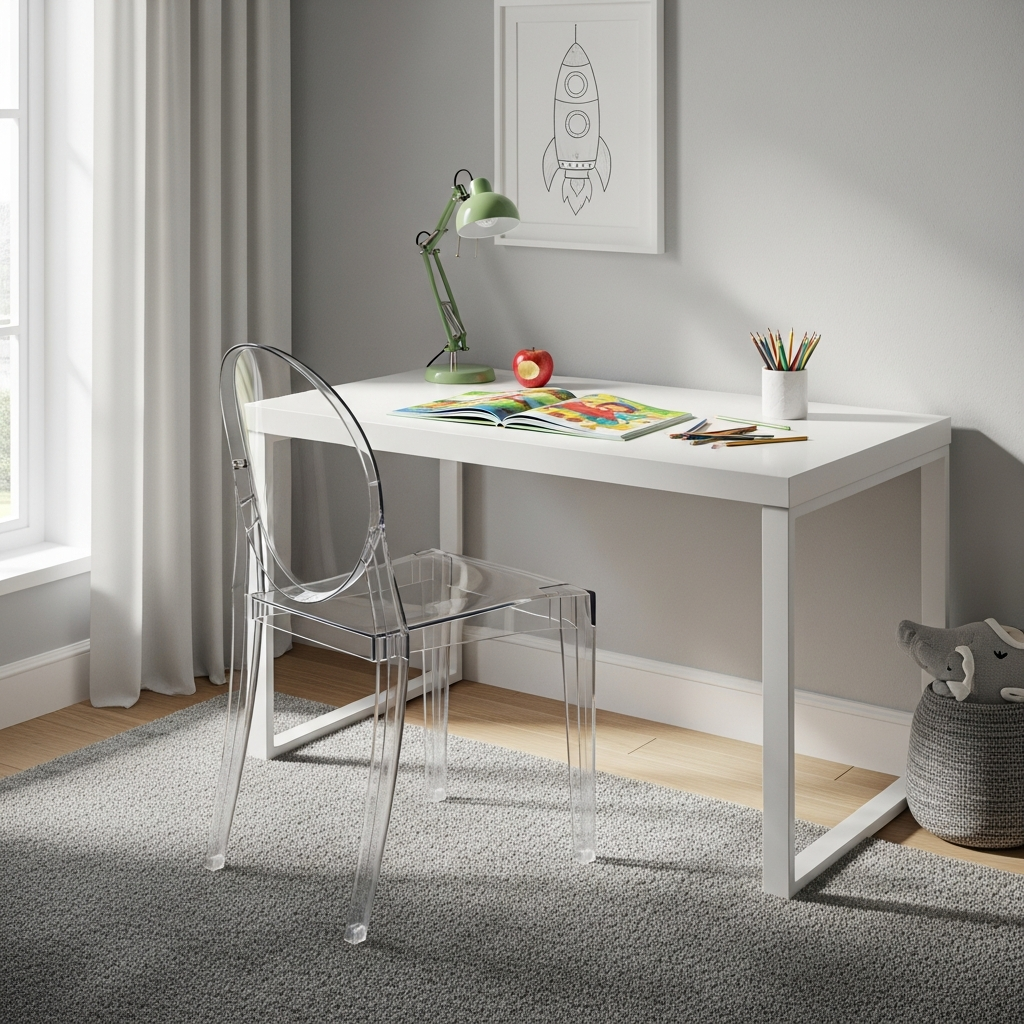
Acrylic or ‘ghost’ chairs and desks provide functionality without adding visual weight. Because they are see-through, the room remains visually uncluttered.
20. Corner-Specific Shelving Units
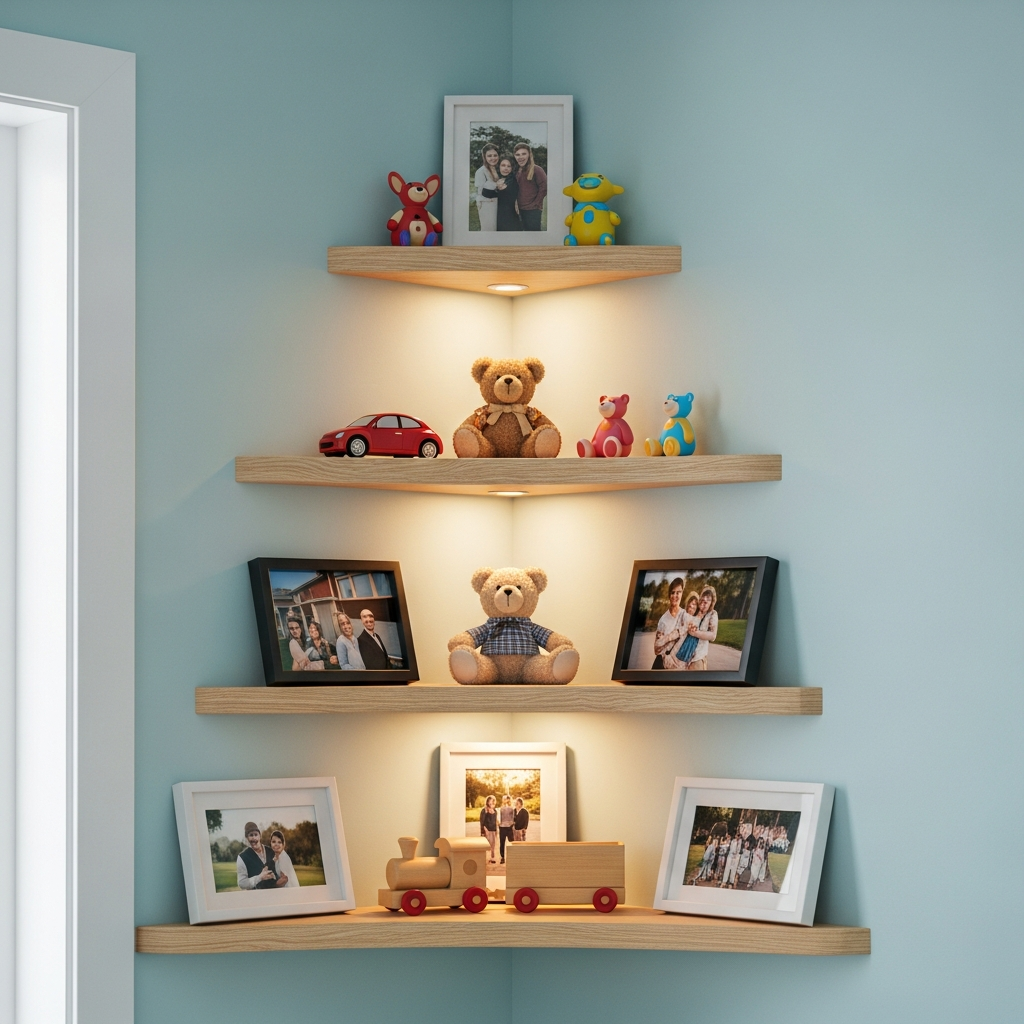
Custom corner shelves turn awkward angles into productive storage zones. They are perfect for displaying trophies, photos, or small toys that otherwise take up desk space.
21. Ceiling-Mounted Hanging Storage
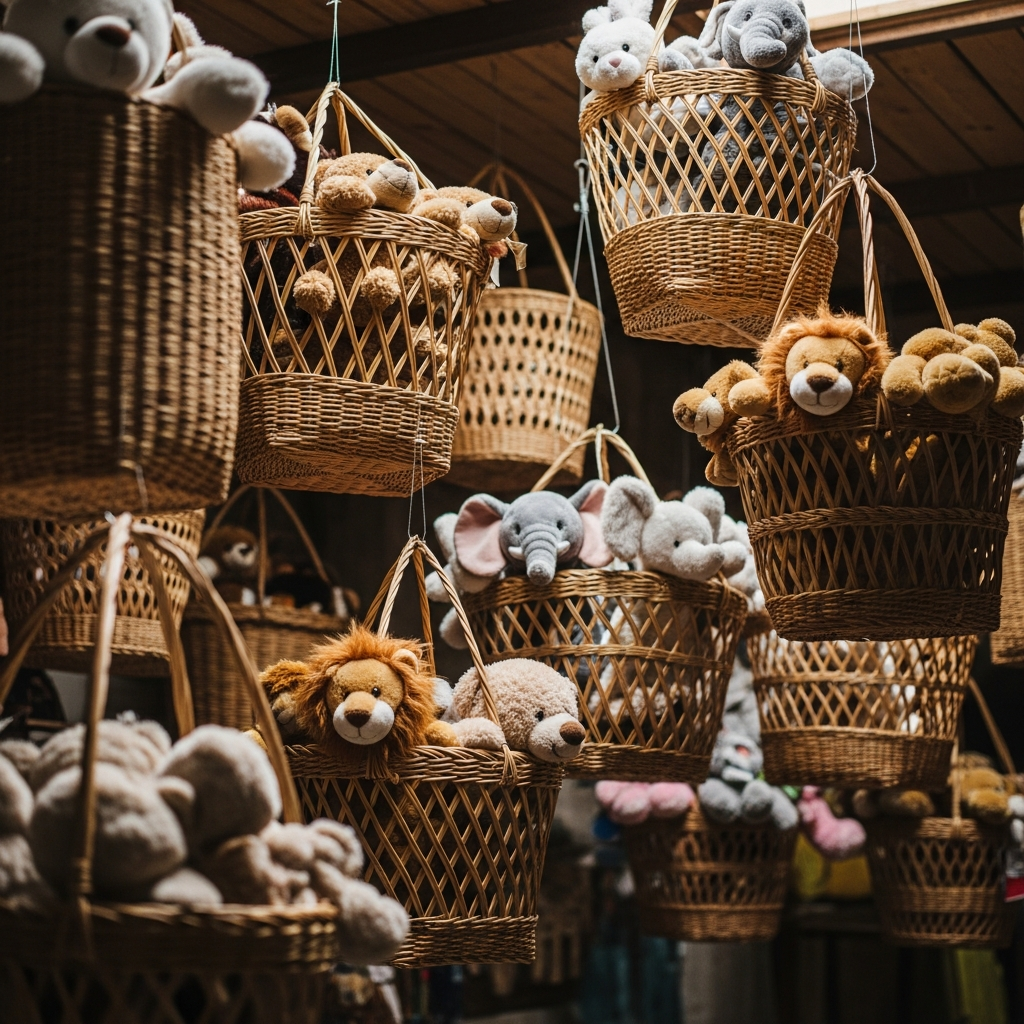
Hanging baskets or nets from the ceiling can house stuffed animals and light toys. This utilizes the highest points of the room, keeping the floor and beds clear.
22. Integrated Study Nooks
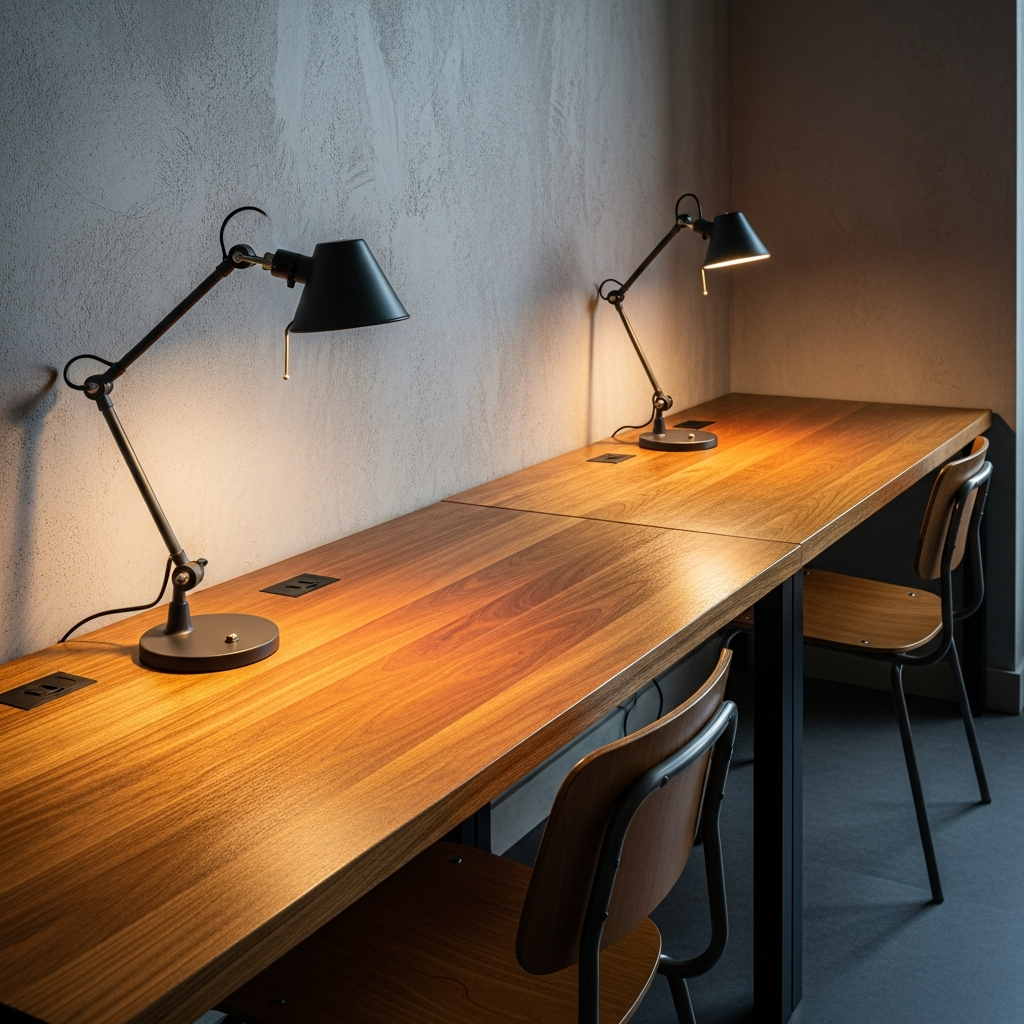
Finding space for two desks can be hard. An integrated long desk that spans a single wall can provide a streamlined study area for both children side-by-side.
23. Ottomans with Internal Storage
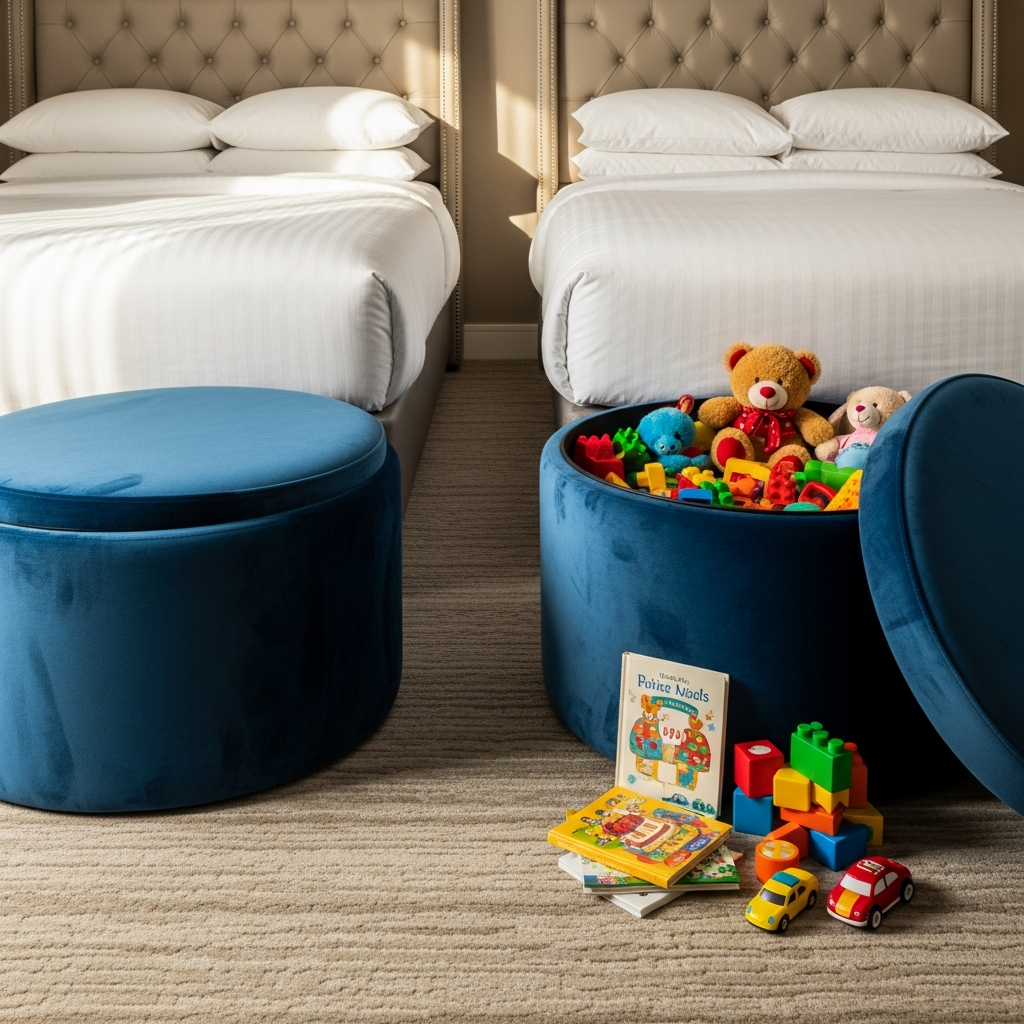
Swap out standard chairs for storage ottomans. They provide seating for reading or gaming while offering a hidden compartment for board games or sports gear.
24. Wall-to-Wall Low Cabinetry
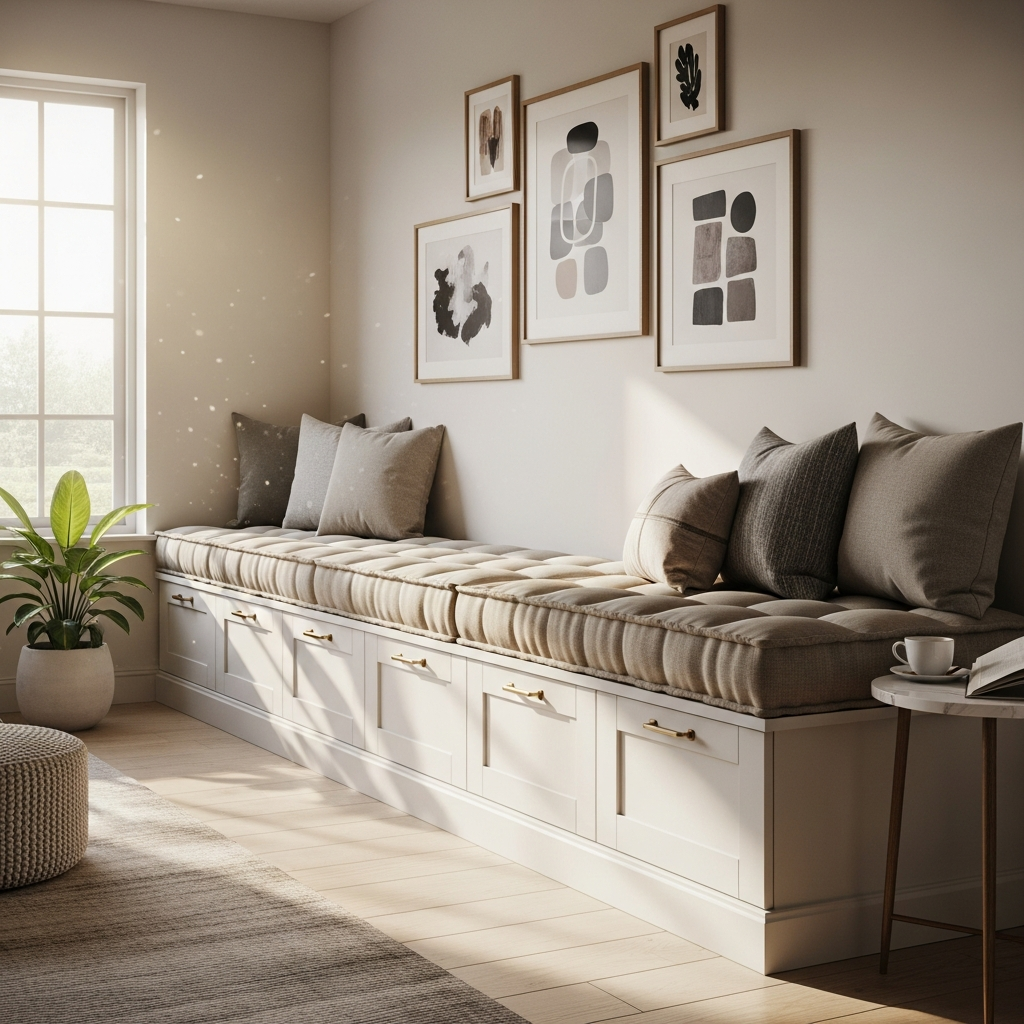
Low-profile cabinets along an entire wall offer a massive amount of storage while doubling as a bench or a display surface for larger play sets like dollhouses or train tracks.
25. Shared Central Nightstand
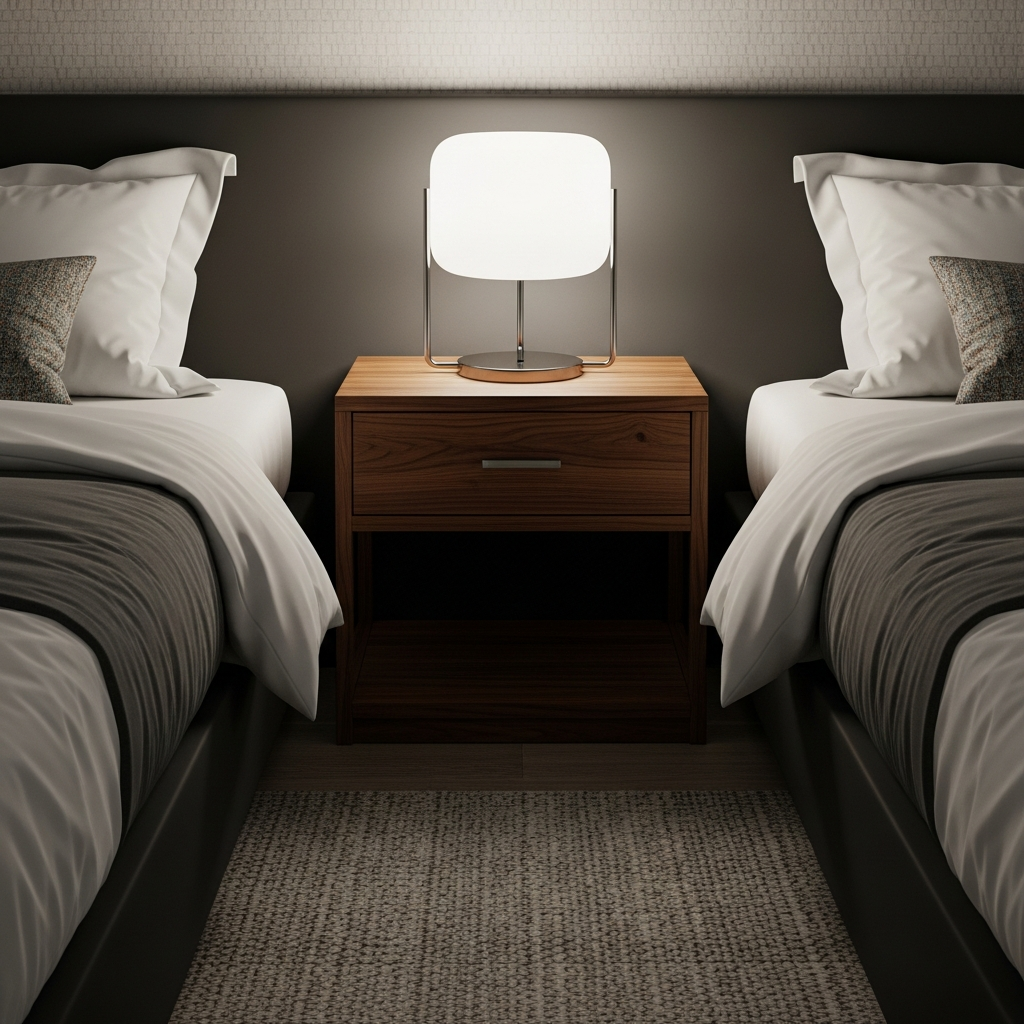
Placing one shared nightstand between two beds instead of two separate units saves space and creates a symmetrical, balanced look in the room’s layout.
26. Statement Lighting to Define Areas
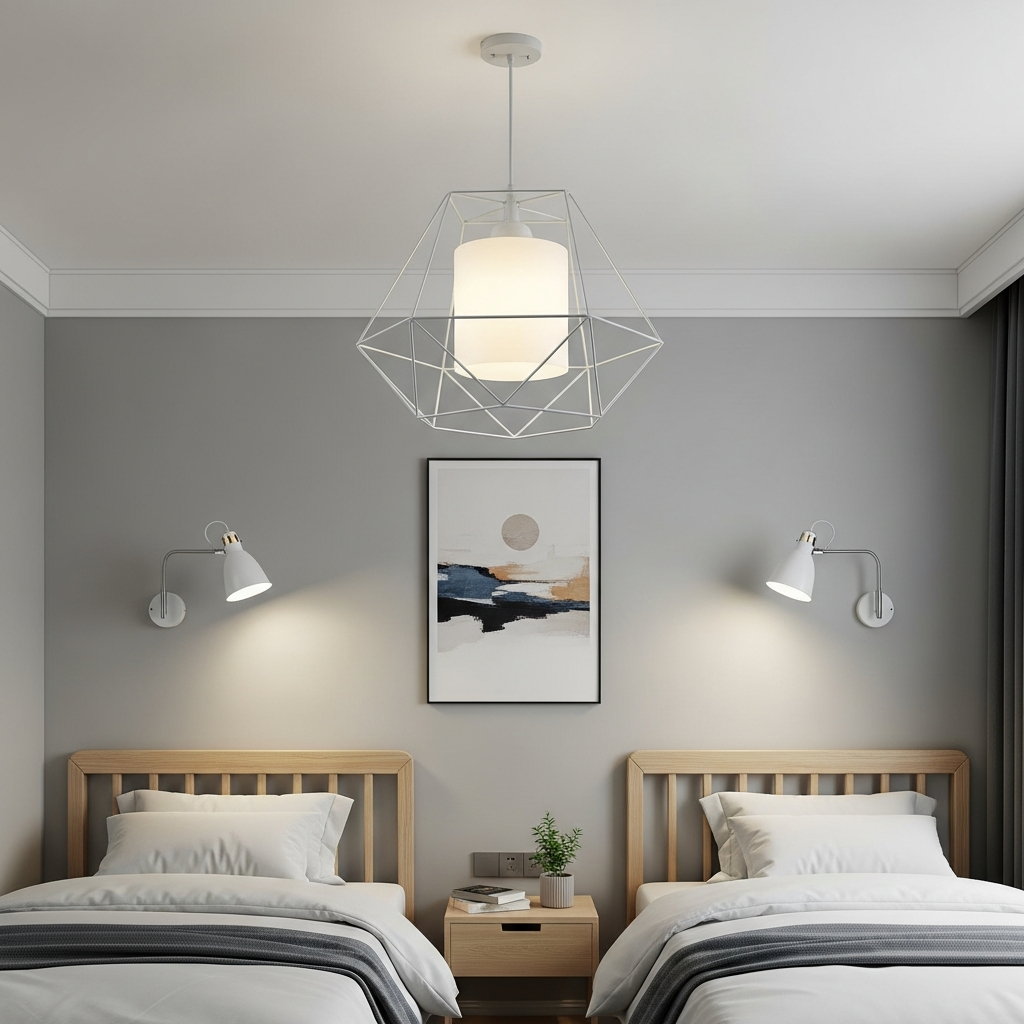
Different light fixtures can help define zones. Using a pendant light over a play area and individual sconces over beds helps visually separate the room’s functions.
27. Curtain Room Dividers
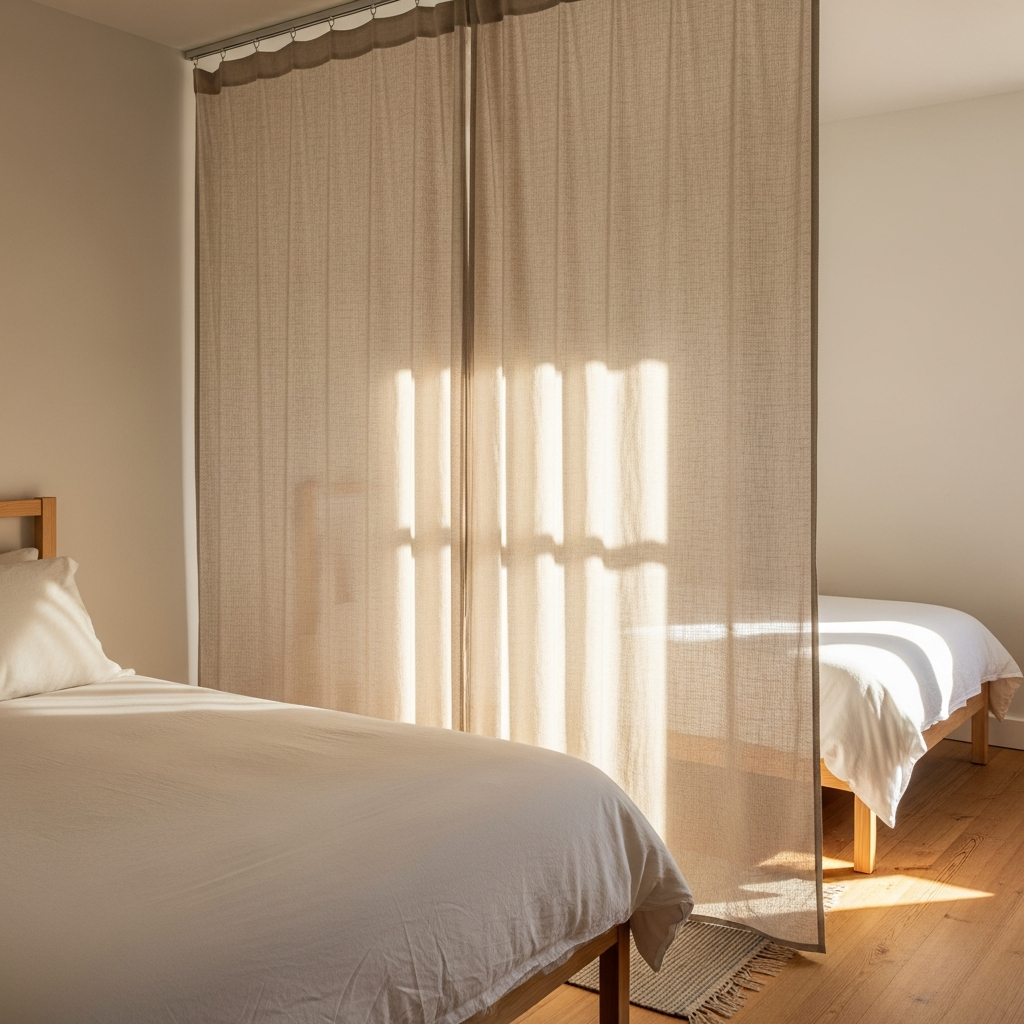
For a flexible and soft division, ceiling-mounted curtain tracks allow children to pull a fabric screen across the room for instant privacy and then pull it back to open the space.
28. Under-Window Built-in Benches
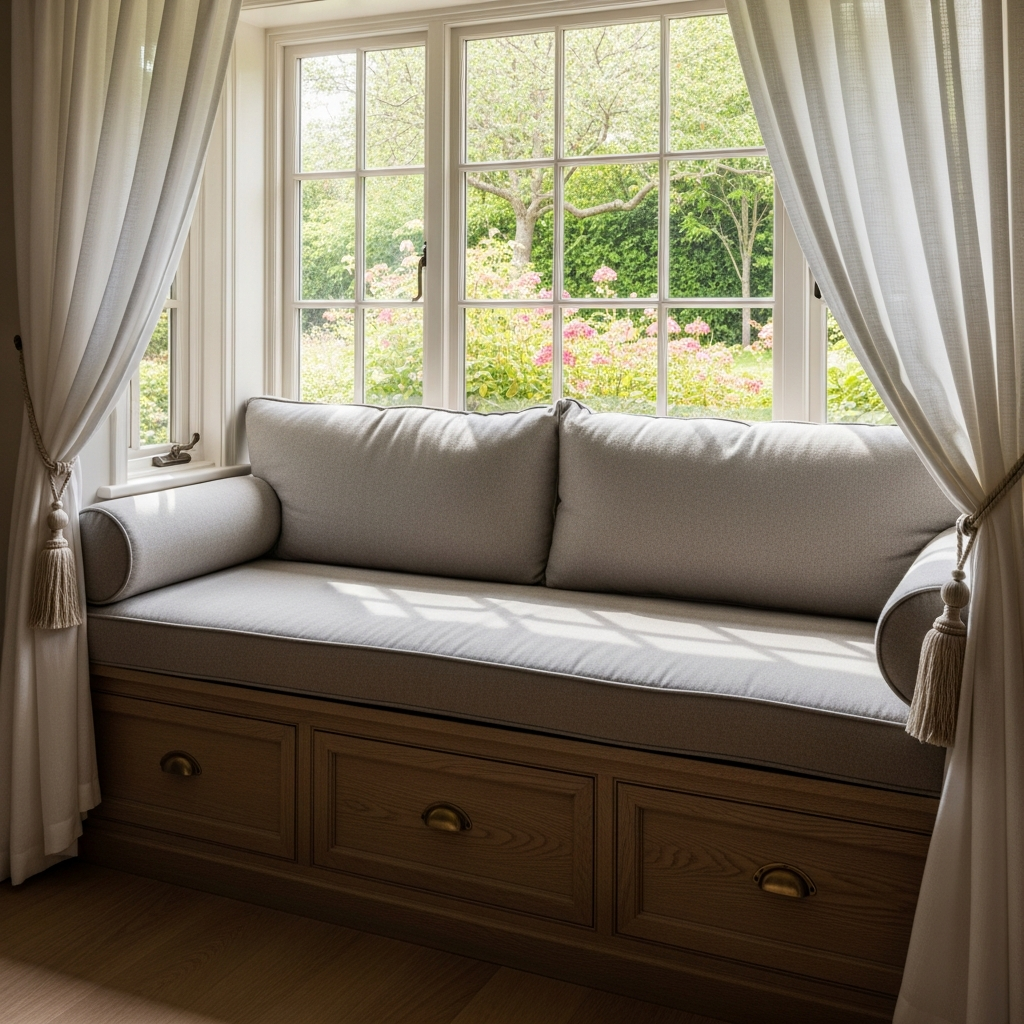
The space under a window is often wasted. A built-in bench with drawers provides a sunny reading spot and additional storage for seasonal clothing.
29. Uniform Bedding for Visual Cohesion
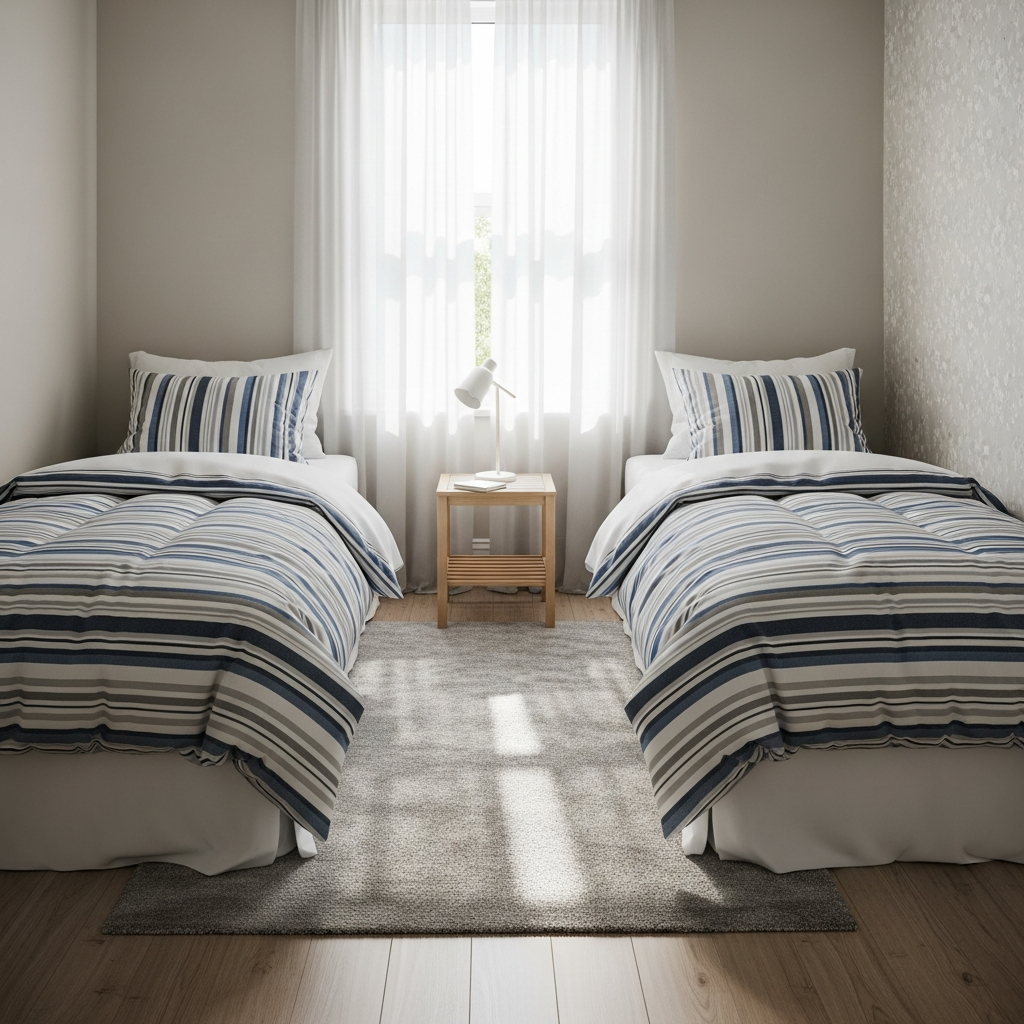
Using identical bedding or a very tight color scheme prevents the room from looking busy. A cohesive look makes even a small, shared space feel more organized and spacious.
30. Wall-Mounted Magazine Racks
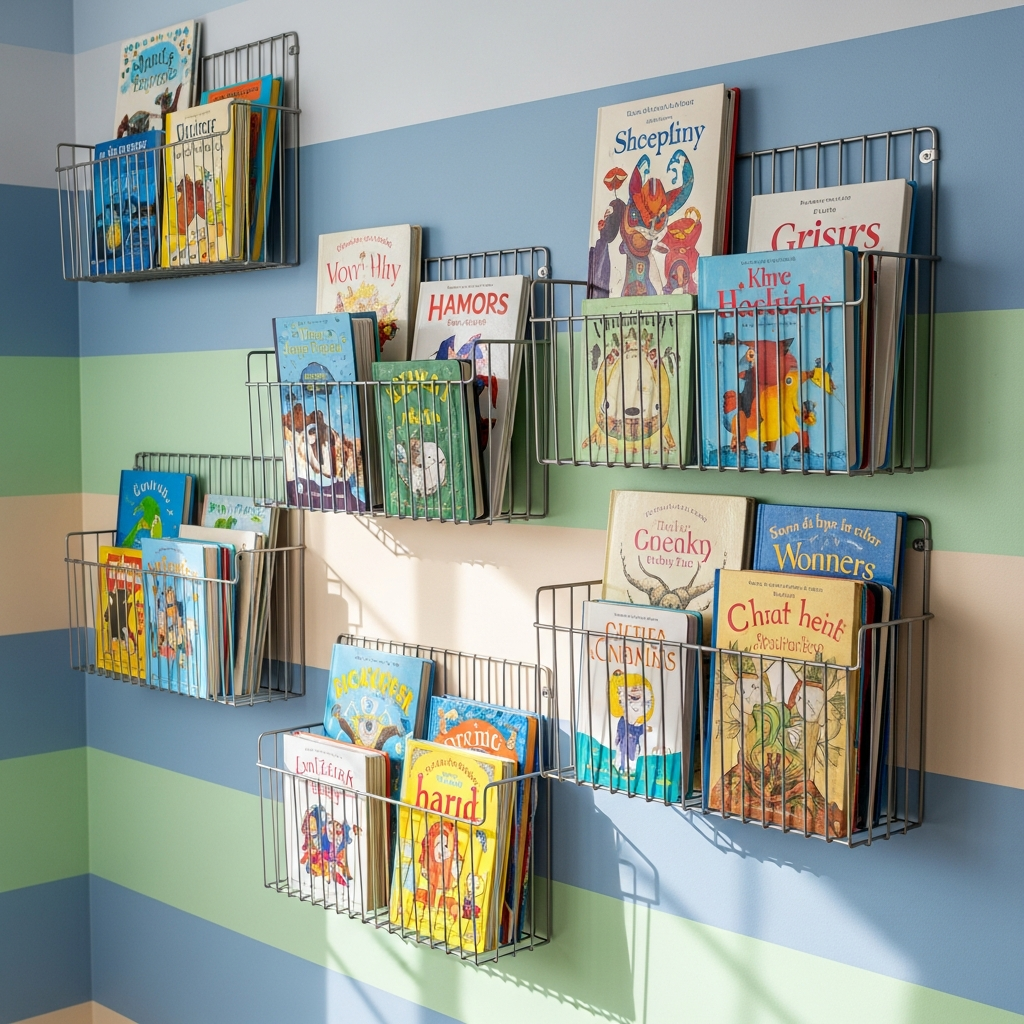
Slim wall-mounted racks for books and magazines keep reading materials accessible but off the nightstands and floor, maintaining a sleek profile.
Conclusion
Maximizing a shared kids room is an exercise in creativity and strategic planning. By looking upward for storage, utilizing corners, and selecting multi-functional furniture, you can create a room that is as spacious as it is stylish. The key is to balance the shared elements with personalized touches, ensuring that every child feels a sense of belonging in their shared sanctuary. With these thirty ideas, you are well on your way to designing a space that fosters harmony, organization, and inspiration.