9 Serene Japandi Bedroom Designs That Balance Minimalism and Warmth
9 Serene Japandi Bedroom Designs That Balance Minimalism and Warmth
In the realm of interior design, few styles offer the profound sense of tranquility and balance quite like Japandi. This exquisite fusion of Japanese minimalism and Scandinavian warmth creates spaces that are not only aesthetically pleasing but also deeply calming and functional. For the bedroom, the principles of Japandi translate into a sanctuary designed for ultimate relaxation and rejuvenation. It’s about stripping away the superfluous to reveal the beauty in simplicity, while ensuring comfort and an inviting atmosphere are never compromised.
Imagine a space where clean lines meet organic textures, where muted palettes are enlivened by natural light, and where every object serves a purpose, contributing to an overall sense of peace. This guide will explore nine distinct Japandi bedroom designs, each offering a unique interpretation of this harmonious style, inspiring you to cultivate your own serene retreat.
The Essence of Japandi Style
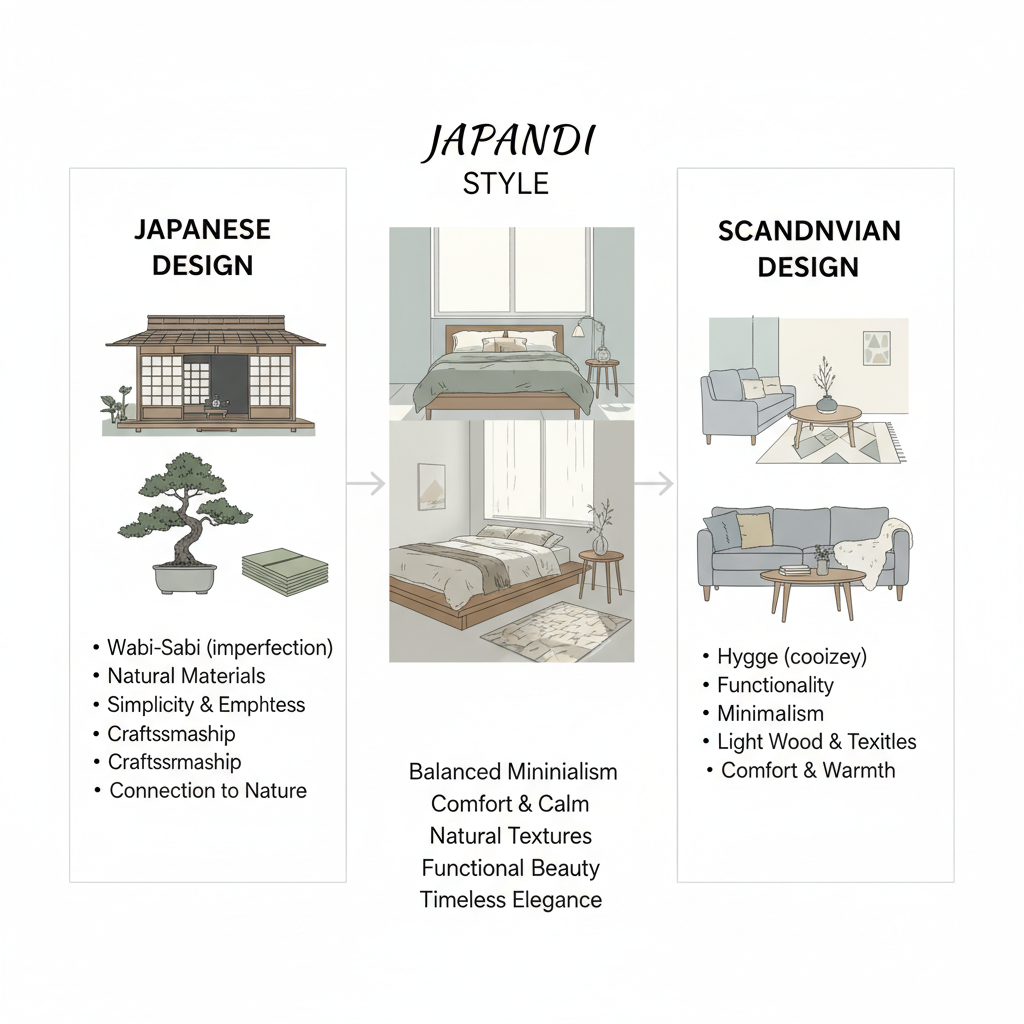
Japandi is more than just a decor trend; it’s a philosophy that marries two distinct yet complementary design traditions. From Japanese aesthetics, it draws the principles of wabi-sabi—finding beauty in imperfection—and a deep reverence for nature, craftsmanship, and functional minimalism. From Scandinavian design, it embraces hygge—the concept of coziness and well-being—along with light-filled spaces, natural materials, and practical elegance.
The result is a style characterized by a clean, uncluttered look, a focus on natural materials, a muted color palette, and an emphasis on functionality and comfort. It’s about creating a space that feels grounded, authentic, and utterly peaceful, making it ideal for the private haven of a bedroom.
Japandi Design Principles for the Bedroom
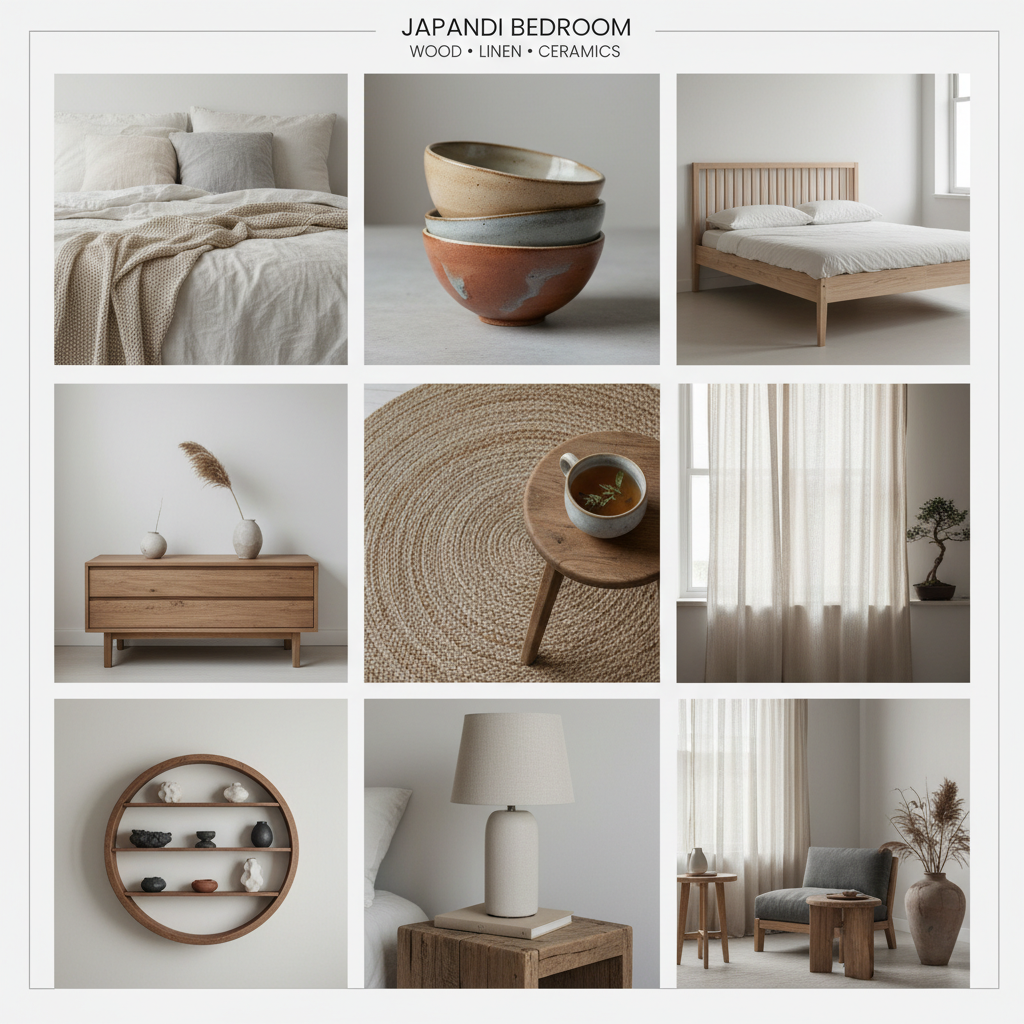
Before diving into specific designs, understanding the core tenets of Japandi is crucial. These principles guide every choice, from furniture selection to the smallest decorative accent:
- Minimalism and Decluttering Keep the space uncluttered. Every item should be intentional, functional, or deeply cherished.
- Natural Materials Prioritize wood (light oak, birch, ash, dark walnut), bamboo, rattan, linen, cotton, wool, ceramic, and stone.
- Muted Color Palettes Think warm neutrals—creams, beiges, soft grays, terracotta, sage green, and charcoal—often with subtle pops of natural color.
- Clean Lines and Low-Profile Furniture Furniture often features simple, elegant forms and sits lower to the ground, fostering a sense of calm and openness.
- Emphasis on Light Maximize natural light. Use sheer curtains or none at all. Complement with warm, ambient artificial lighting.
- Texture and Tactility Introduce visual interest through varying textures—rough ceramics, smooth wood, soft linens, chunky knits.
- Connection to Nature Incorporate plants, natural light, and views of the outdoors where possible.
- Craftsmanship and Quality Invest in well-made pieces that will last, reflecting an appreciation for artistry and durability.
1. The Zen Retreat
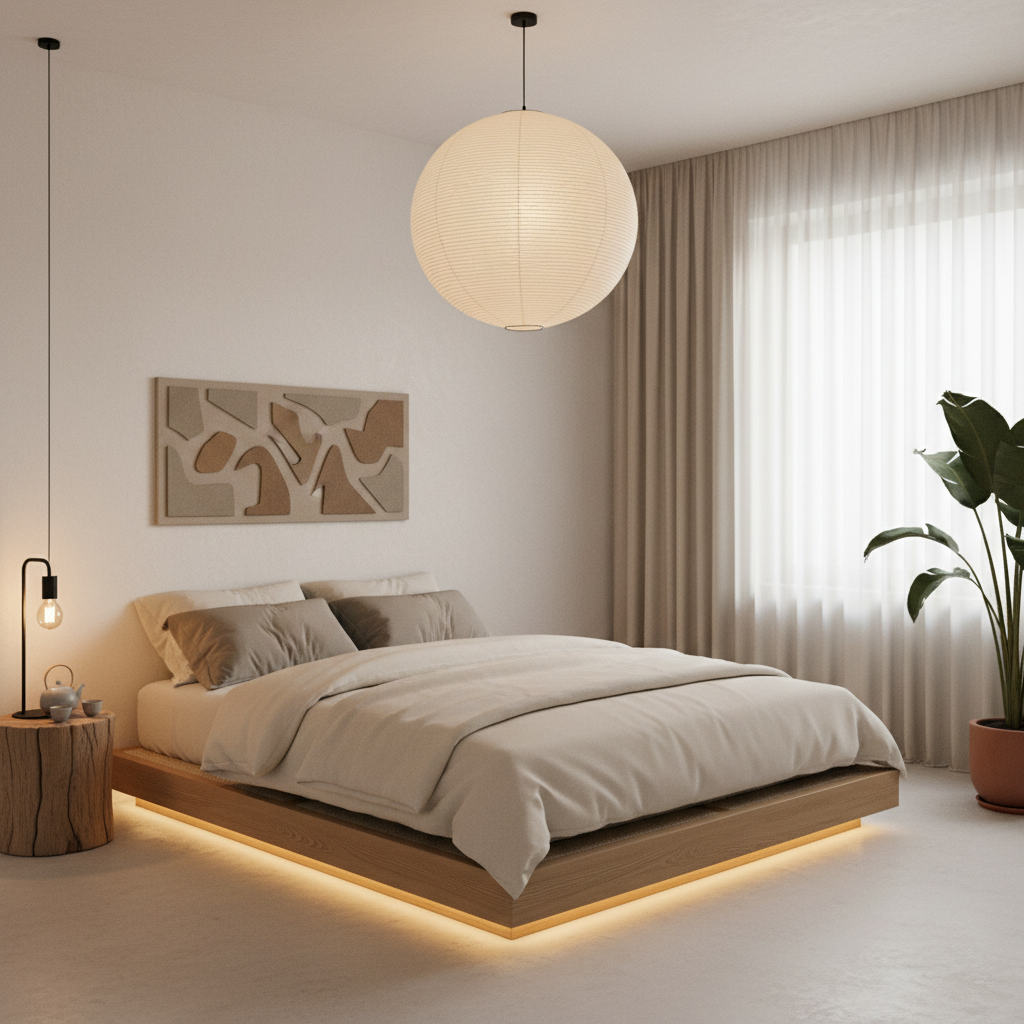
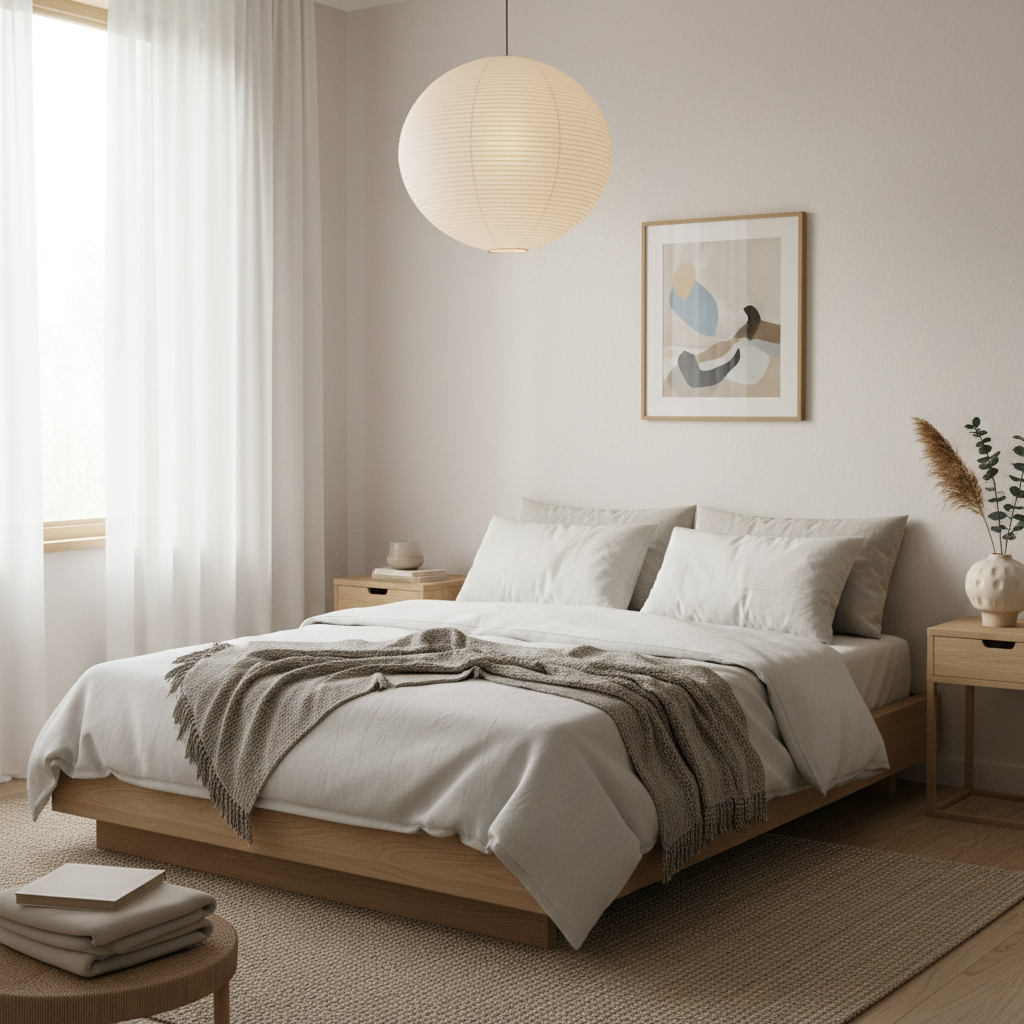
This design embodies the purest form of Japandi serenity, focusing on creating a meditative and utterly calm environment. The color palette is exceptionally subtle, relying on shades of soft white, warm off-white, and very light beige, creating a tranquil backdrop. Materials are chosen for their quiet elegance—think bleached ash wood for a low-slung platform bed and nightstands, complemented by crisp, unbleached linen bedding. A single, large ceramic vase with a few delicate dried branches might serve as the only decor, embracing the wabi-sabi philosophy of finding beauty in imperfection.
Furniture silhouettes are strictly minimalist—clean lines, no ornate details, and always low to the ground to enhance the feeling of spaciousness and groundedness. Storage is seamlessly integrated, often hidden, to maintain an uncluttered visual plane. Lighting is soft and diffused, perhaps from a paper lantern pendant or subtle wall sconces that cast a gentle glow. The overall mood is one of profound peace, inviting deep rest and quiet contemplation, a true sanctuary from the outside world. Every element is carefully considered to minimize distraction and maximize calm.
2. Minimalist Earth Tones
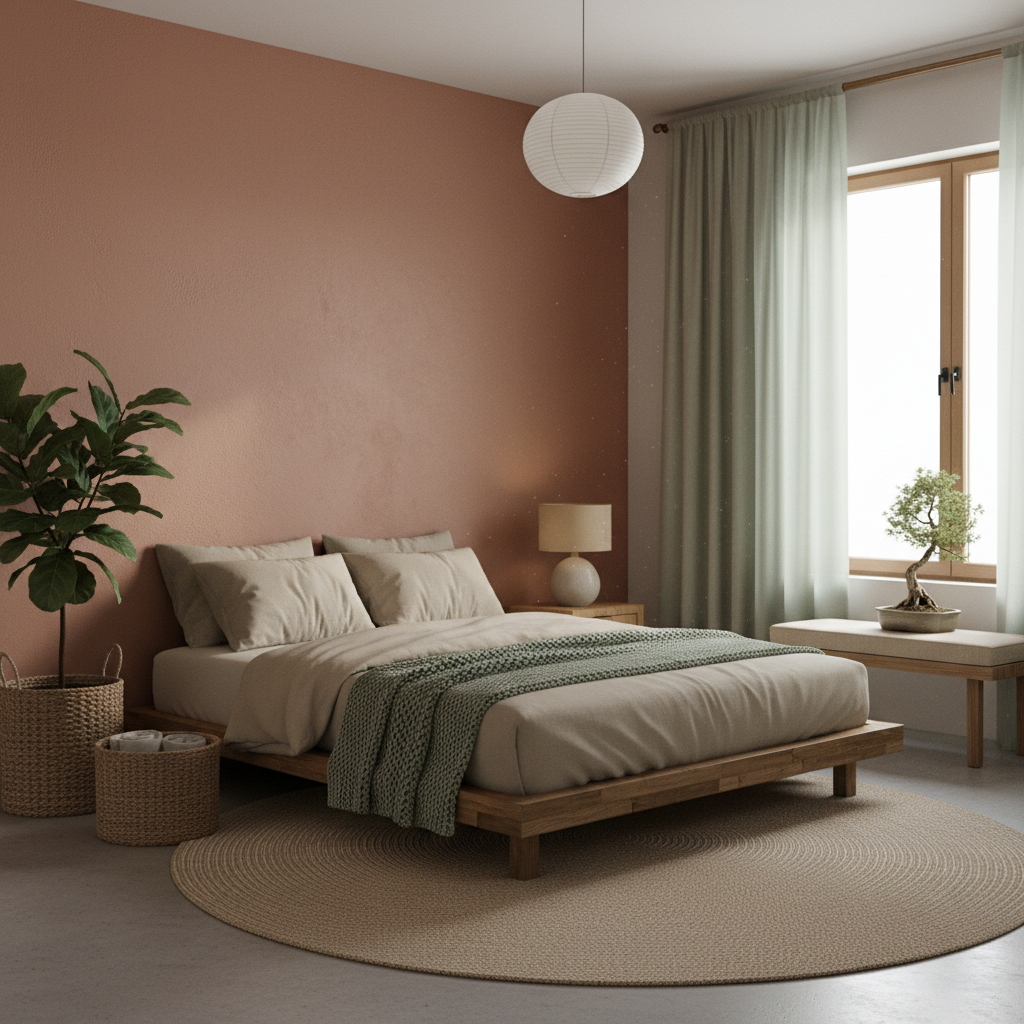
Bringing warmth and grounding to the minimalist aesthetic, this Japandi design embraces a rich palette of earth tones. Imagine walls in a soft, muted terracotta or a warm sandy beige, complemented by accents of deep sage green or charcoal gray. The foundation is often a light, natural oak wood for flooring and furniture, providing a sense of stability and connection to nature. Bedding might feature a mix of linen in beige and a soft, muted green, layered for subtle texture and comfort.
Materials are tactile and inviting—brushed cotton throws, rough-hewn ceramic lamps, and perhaps a small, hand-woven rug made from jute or wool. Furniture shapes remain clean and uncluttered, but with a slightly softer edge—perhaps a bed frame with rounded corners or a low bench with a woven seat. A few carefully chosen pieces of pottery or a single, sculptural houseplant add organic interest without overwhelming the space. The atmosphere is one of inviting warmth and understated elegance, a cozy yet refined space that feels deeply connected to the natural world.
3. Wabi-Sabi Wood and Stone
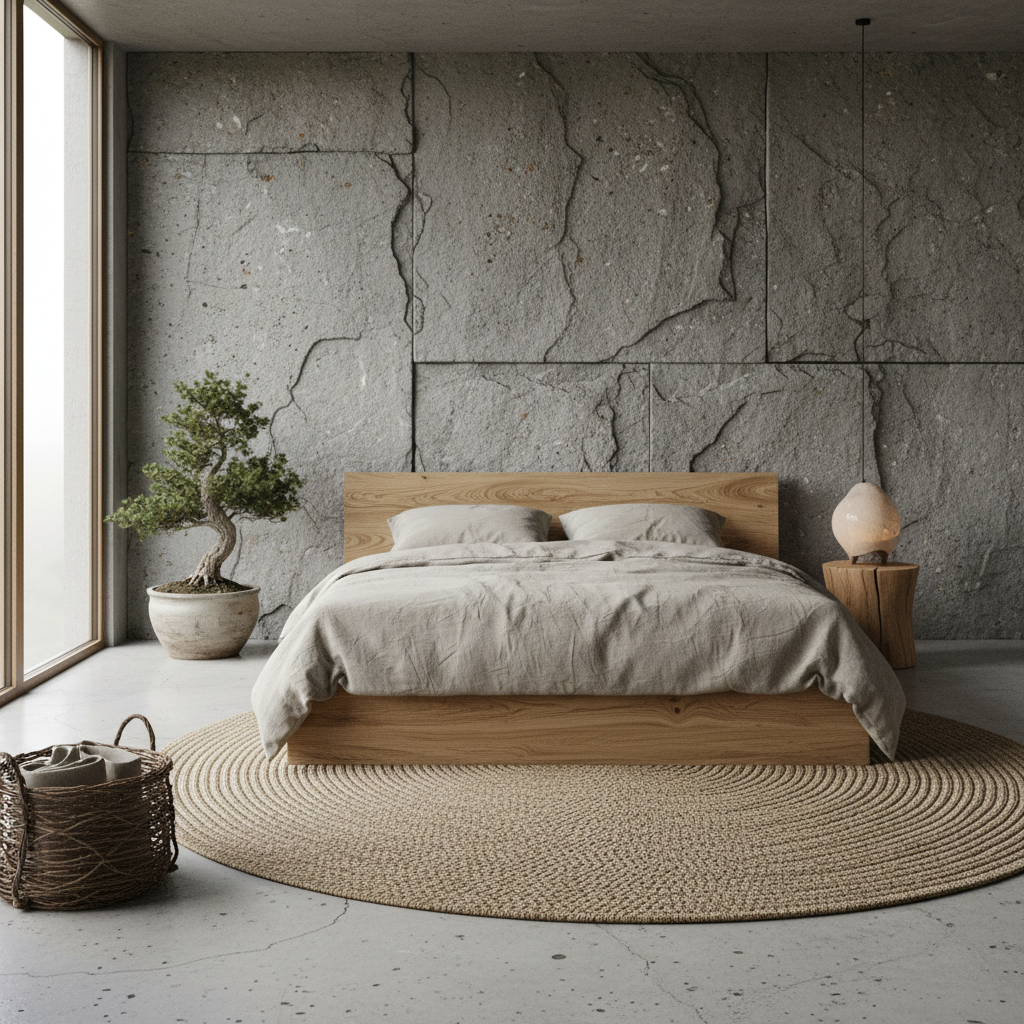
This design celebrates the beauty of imperfection and the authenticity of raw materials, deeply rooted in the wabi-sabi philosophy. The color palette leans into natural, unrefined shades—think muted grays of concrete, deep browns of aged wood, and off-whites of natural plaster. The star materials are undoubtedly wood and stone. Exposed concrete walls or a feature wall with subtle stone texture provide a rugged backdrop, softened by rich, dark wood furniture—perhaps a solid walnut platform bed or a reclaimed wood dresser. The wood might show its natural grain, knots, or slight imperfections, adding character.
Textures are paramount here—rough linen bedding, a chunky wool throw, and ceramic pieces with an unglazed, matte finish. Furniture shapes are simple and robust, emphasizing the material itself. Lighting is warm and atmospheric, with fixtures made from natural materials like terracotta or dark metal, casting soft shadows. The overall mood is one of grounded authenticity and quiet strength, a space that feels timeless and deeply connected to the earth. It’s about appreciating the raw beauty of natural elements and allowing them to tell their story.
4. Soft Nordic Harmony
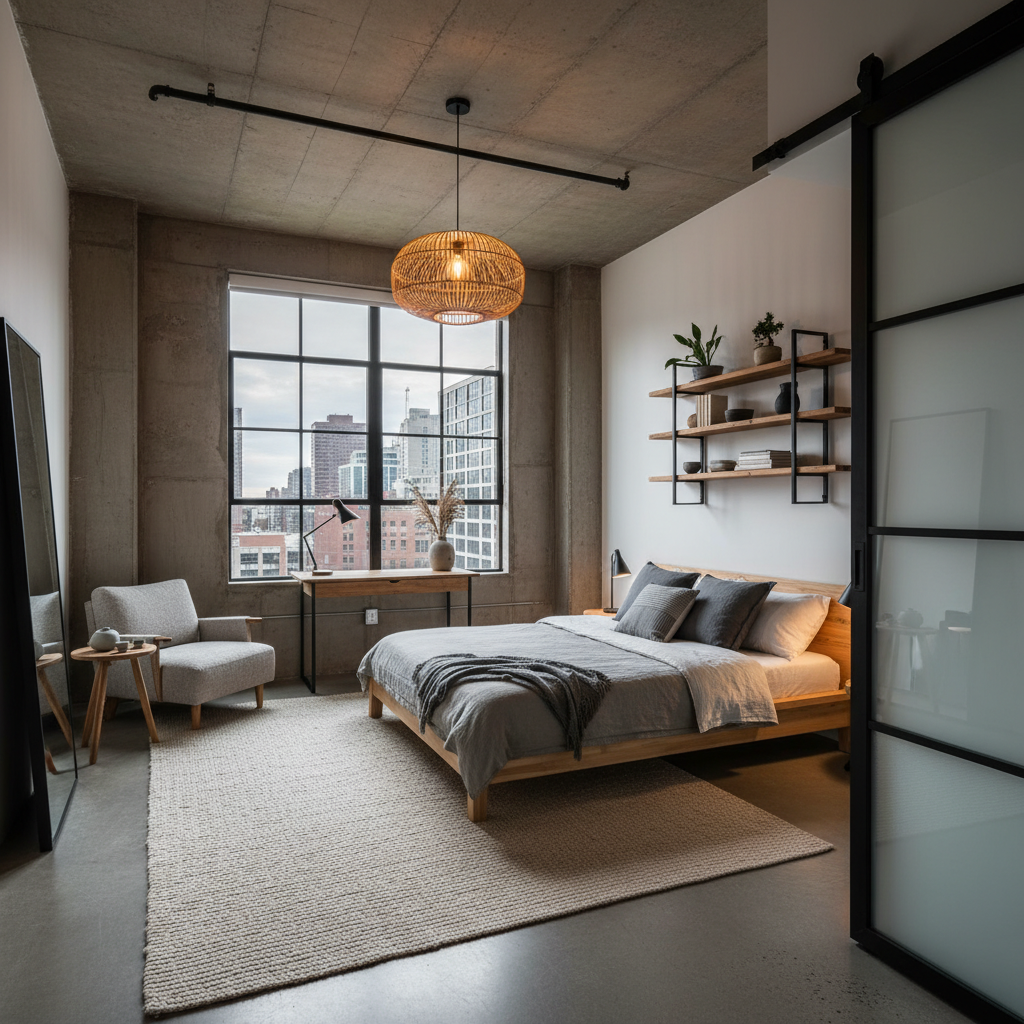
Bridging the gap between the clean lines of Japan and the cozy comfort of Scandinavia, this design emphasizes lightness, functionality, and inviting textures. The color palette is brighter than some Japandi iterations, featuring crisp whites, light grays, and soft, muted pastels like dusty rose or pale blue, used sparingly. Light-colored woods such as birch or light oak are prominent, used for flooring, bed frames, and minimalist shelving. These woods contribute to the airy and open feel of the room.
Materials are chosen for their softness and warmth—think plush wool rugs, knitted throws, and layered linen bedding in light tones. Furniture silhouettes are simple, functional, and often feature gentle curves, adding to the Nordic sense of comfort. A sleek, wall-mounted shelf might hold a few beloved books and a small, vibrant green plant. Natural light is maximized, often with sheer white curtains that allow sunlight to flood the room. The atmosphere is one of gentle warmth and understated joy, a space that feels both refreshing and incredibly welcoming, perfect for unwinding after a long day.
5. Subtle Contrast and Texture
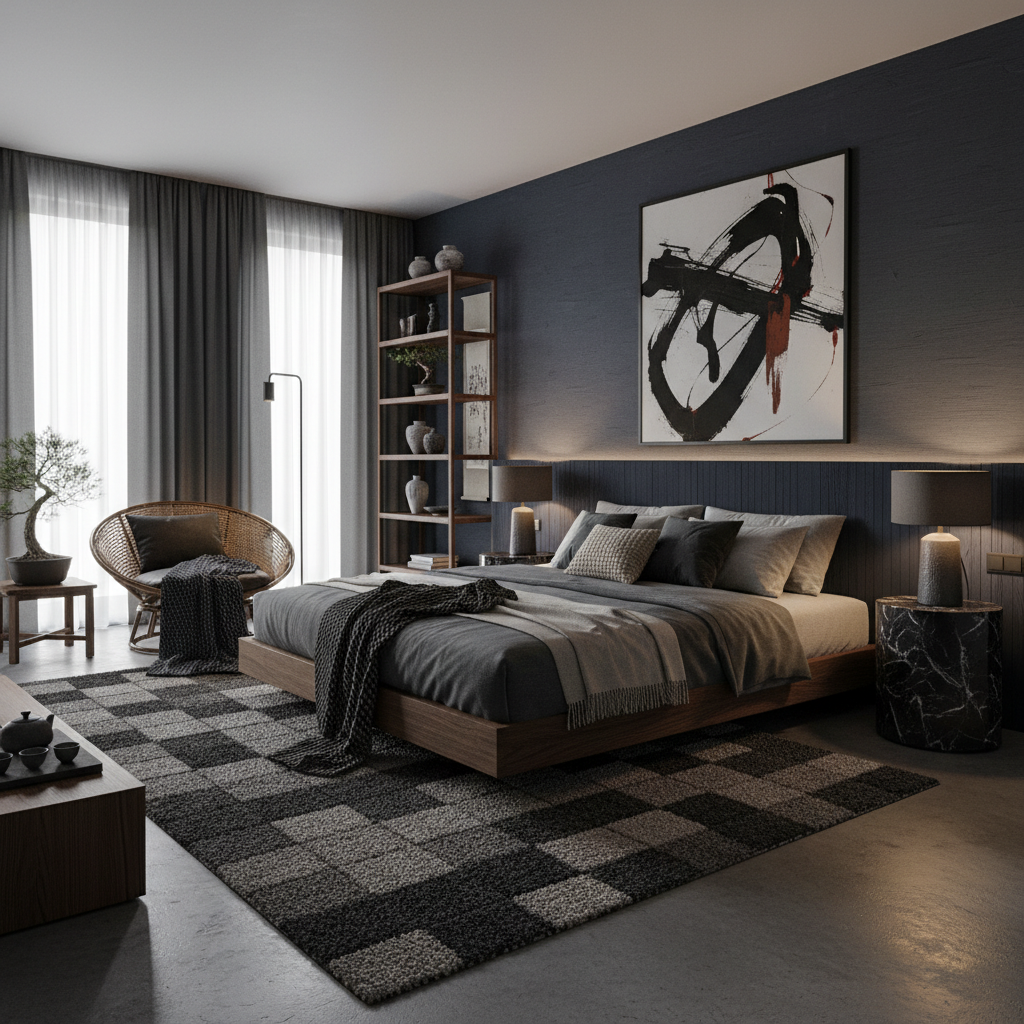
This design introduces a touch more drama through subtle contrasts, while still maintaining the Japandi principles of balance and serenity. The primary color palette remains muted, with warm grays, off-whites, and natural wood tones, but it’s punctuated by strategic use of darker shades like charcoal, deep olive, or even a soft black. This creates visual depth and interest. For instance, a light oak floor and walls might be contrasted with a sleek, low-profile bed frame in dark stained wood or a charcoal gray linen duvet cover.
Textures play a crucial role in softening these contrasts. Imagine a smooth concrete-effect wall softened by a large, shaggy wool rug. A minimalist side table might feature a polished black ceramic lamp, while the bedding incorporates layers of soft, washed linen and a luxurious velvet throw in a deep, muted tone. Furniture shapes are still clean, but might feature slightly bolder lines or a more sculptural quality in accent pieces. The overall mood is sophisticated and thoughtfully composed, a space that feels both intriguing and incredibly peaceful, demonstrating how contrast can enhance rather than disrupt tranquility.
6. Light-Filled Sanctuary
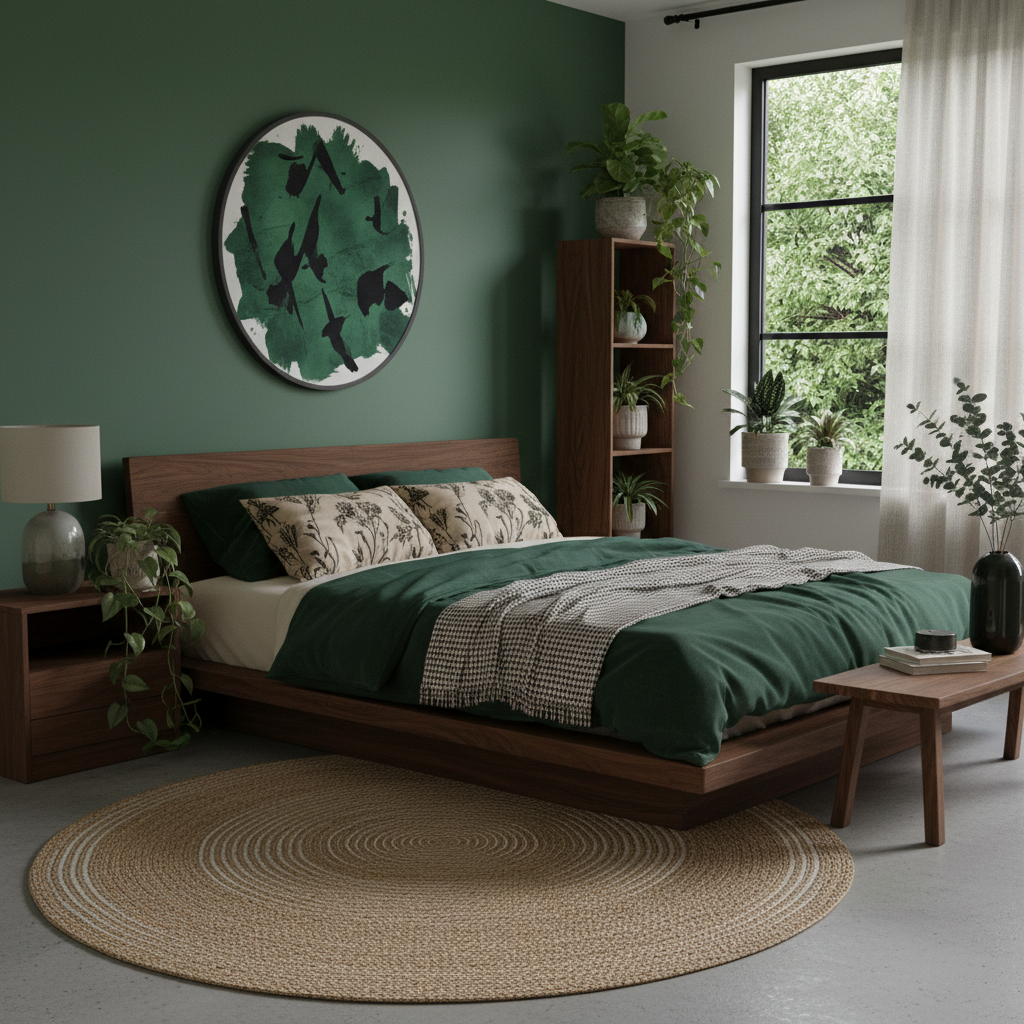
Emphasizing openness and the transformative power of natural light, this Japandi design creates an ethereal and profoundly peaceful sanctuary. The color palette is exceptionally pale—think pristine whites, barely-there grays, and the softest creams, all designed to reflect and amplify light. Walls are kept clean and unadorned, allowing the natural illumination to be the primary decorative element. Large windows are either left bare or dressed with the sheerest of linen or cotton curtains, allowing sunlight to flood the space throughout the day.
Materials are light and airy, chosen for their reflective qualities and subtle textures. Light blonde wood for a low platform bed, white ceramic decorative objects, and soft, almost translucent fabrics for bedding are key. Furniture silhouettes are utterly minimalist, almost disappearing into the light-filled space, with clean lines and a sense of weightlessness. A single, elegant floor lamp with a paper shade might provide ambient light after sunset. The overall mood is one of serene spaciousness and profound calm, a room that feels like a breath of fresh air and a true escape from the complexities of the world.
7. Organic Modern Elegance
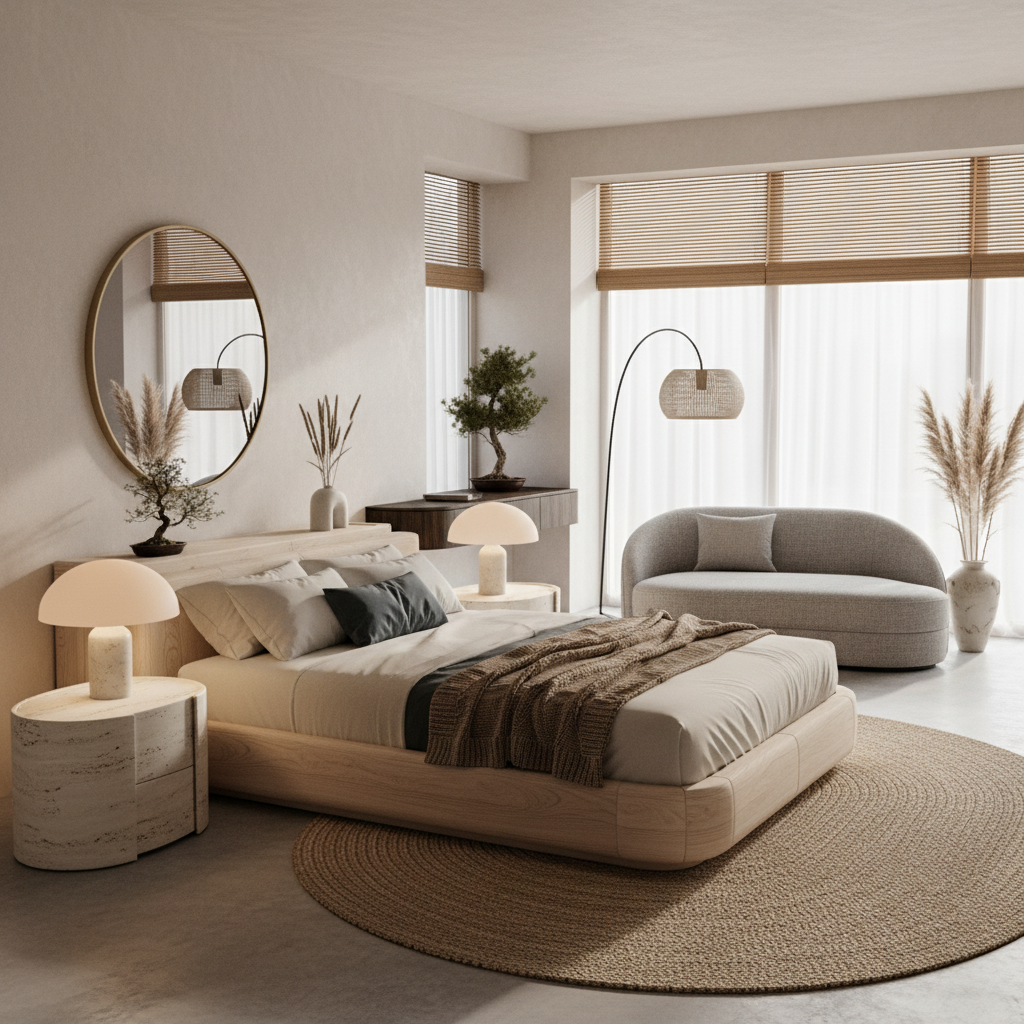
This design elevates Japandi with a touch of refined elegance, incorporating organic shapes and sophisticated natural materials. The color palette is a harmonious blend of warm neutrals—creamy whites, soft taupes, and muted browns—with subtle accents of deep forest green or a warm, smoky blue. Instead of strictly straight lines, furniture often features gentle curves and sculptural forms, adding a contemporary softness. Imagine a low-profile bed with a softly curved headboard in a light, natural wood, or a bedside table with an undulating base.
Materials are luxurious yet understated—polished travertine for a small side table, sumptuous linen bedding, and perhaps a subtly textured wallpaper made from natural fibers. Rich, dark wood accents might be used sparingly to ground the space. Lighting fixtures are often artistic and sculptural, made from natural materials like ceramic or paper, casting intriguing patterns of light and shadow. The overall mood is one of sophisticated tranquility, a bedroom that feels both cutting-edge and timeless, offering a sense of calm luxury through thoughtful design and exquisite craftsmanship.
8. Urban Japandi Loft
Tailored for contemporary urban living, this Japandi design masterfully blends minimalist warmth with subtle industrial touches, perfect for a loft or city apartment. The color palette embraces a slightly cooler range of neutrals—concrete grays, charcoal, and black—softened by warm off-whites and natural wood tones. Exposed concrete walls or polished concrete floors might serve as a raw, industrial backdrop, which is then softened by the introduction of Japandi elements.
Key materials include raw concrete, black metal accents, and rich, dark woods like walnut or ebony. The contrast between the coldness of concrete and the warmth of wood and textiles is central. A low-slung bed with a dark wood frame, sleek black metal lighting fixtures, and minimalist shelving are characteristic. Softness is introduced through abundant natural textiles—chunky knit throws, linen bedding, and perhaps a large, natural fiber rug. Indoor plants, especially those with strong architectural forms, add vital organic life. The mood is one of sophisticated urban calm, a bedroom that feels modern and edgy yet deeply serene and inviting, a true oasis in the heart of the city.
9. Tranquil Forest Inspired
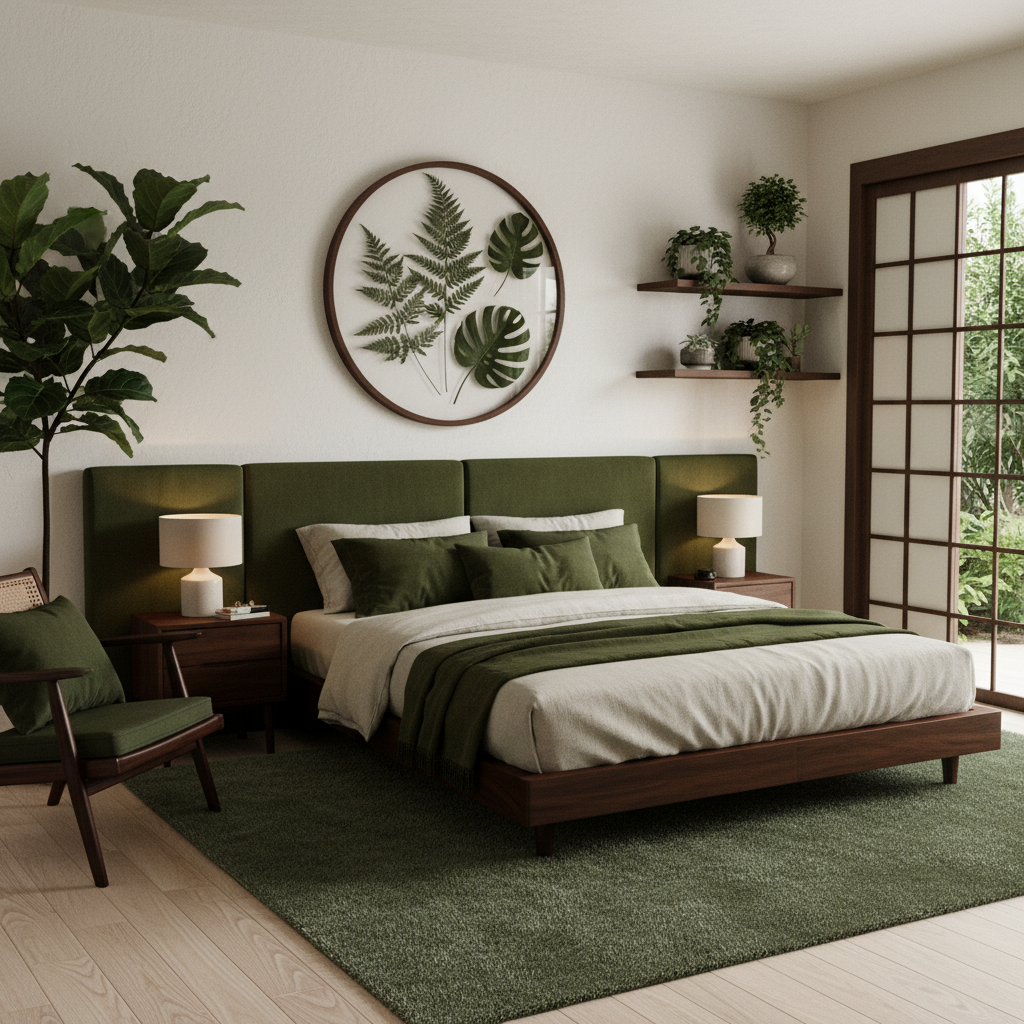
Drawing inspiration directly from the serene beauty of a Japanese forest, this Japandi design brings a profound sense of natural calm into the bedroom. The color palette is grounded in deep, earthy greens—from mossy sage to rich forest green—complemented by warm browns, charcoal, and natural wood tones. Walls might feature a soft green hue or a subtle textured wallpaper reminiscent of natural foliage, creating an immersive, tranquil atmosphere.
Materials are deeply organic and textural. Rich, dark woods like walnut or dark oak are prominent for furniture, echoing the strength of tree trunks. Linen bedding in muted greens or natural beige, chunky wool throws, and ceramic pieces with organic, earthy glazes are essential. Botanical elements are subtly incorporated through carefully chosen plants—a tall, elegant snake plant or a delicate bonsai—or minimalist art depicting natural forms. Lighting is soft and ambient, perhaps from fixtures made of dark wood or ceramic that cast a warm glow. The overall mood is one of profound tranquility and connection to nature, a bedroom that feels like a peaceful retreat deep within a quiet, verdant woodland.
Crafting Your Own Japandi Bedroom
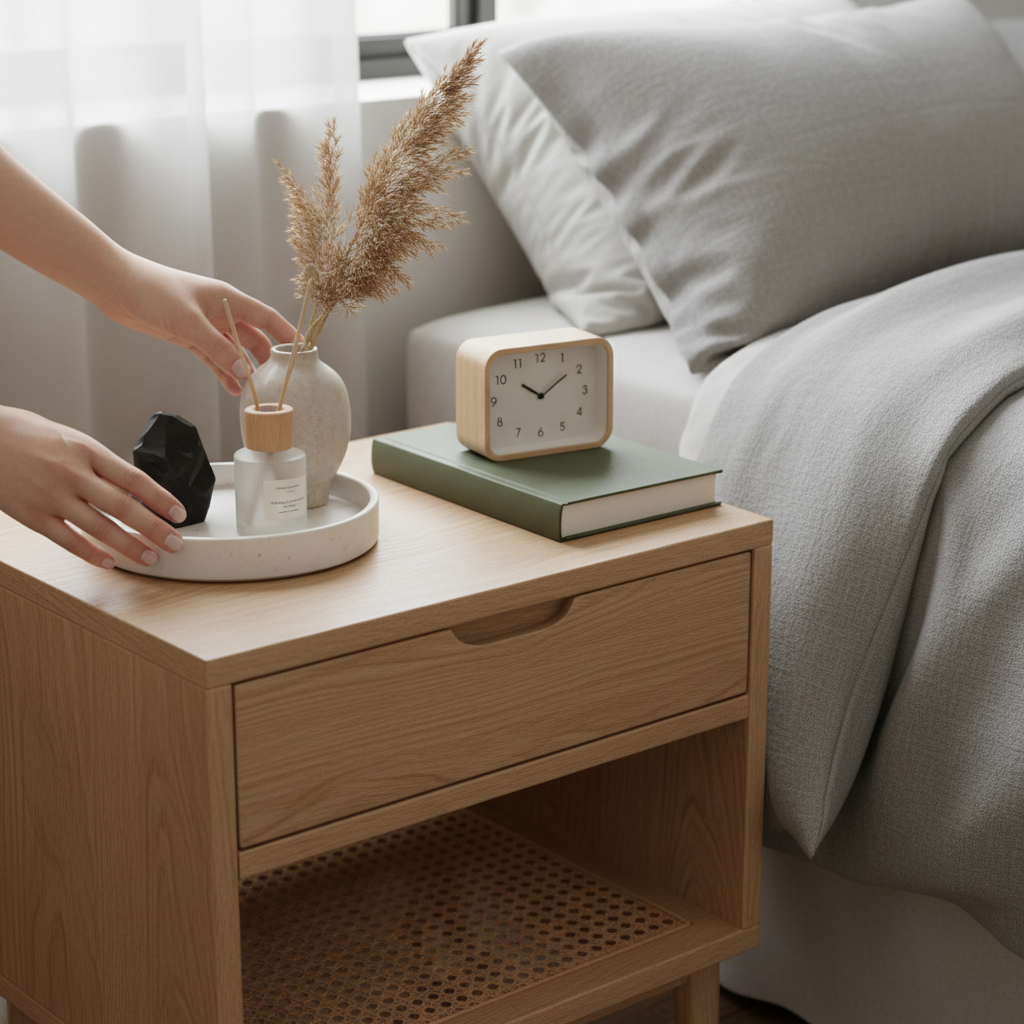
Creating your Japandi bedroom is a journey of thoughtful curation and mindful design. Start by decluttering mercilessly; less truly is more in this aesthetic. Invest in high-quality, natural materials for your bedding, furniture, and any decorative elements. Focus on a muted color palette, allowing textures and natural light to add depth and interest. Remember the importance of low-profile furniture to enhance the sense of space and calm.
Embrace the beauty of simplicity and the imperfect. A handcrafted ceramic bowl, a perfectly aged wooden stool, or a subtly textured wall all contribute to the authentic Japandi feel. Finally, introduce greenery thoughtfully; a few well-placed plants can instantly elevate the connection to nature and purify the air. Your Japandi bedroom should be a personal sanctuary, a space where every element contributes to a sense of peace, balance, and quiet beauty.
Conclusion
The Japandi style offers a timeless approach to bedroom design, promising not just a beautiful space, but a haven for true rest and rejuvenation. By blending the profound minimalism of Japanese aesthetics with the cozy warmth of Scandinavian design, you can create a bedroom that is both functional and deeply spiritual. Whether you’re drawn to the stark simplicity of a Zen retreat or the organic elegance of a forest-inspired sanctuary, the principles of Japandi empower you to design a space that truly nurtures your well-being. Embrace the calm, celebrate the natural, and transform your bedroom into the serene oasis you deserve.