

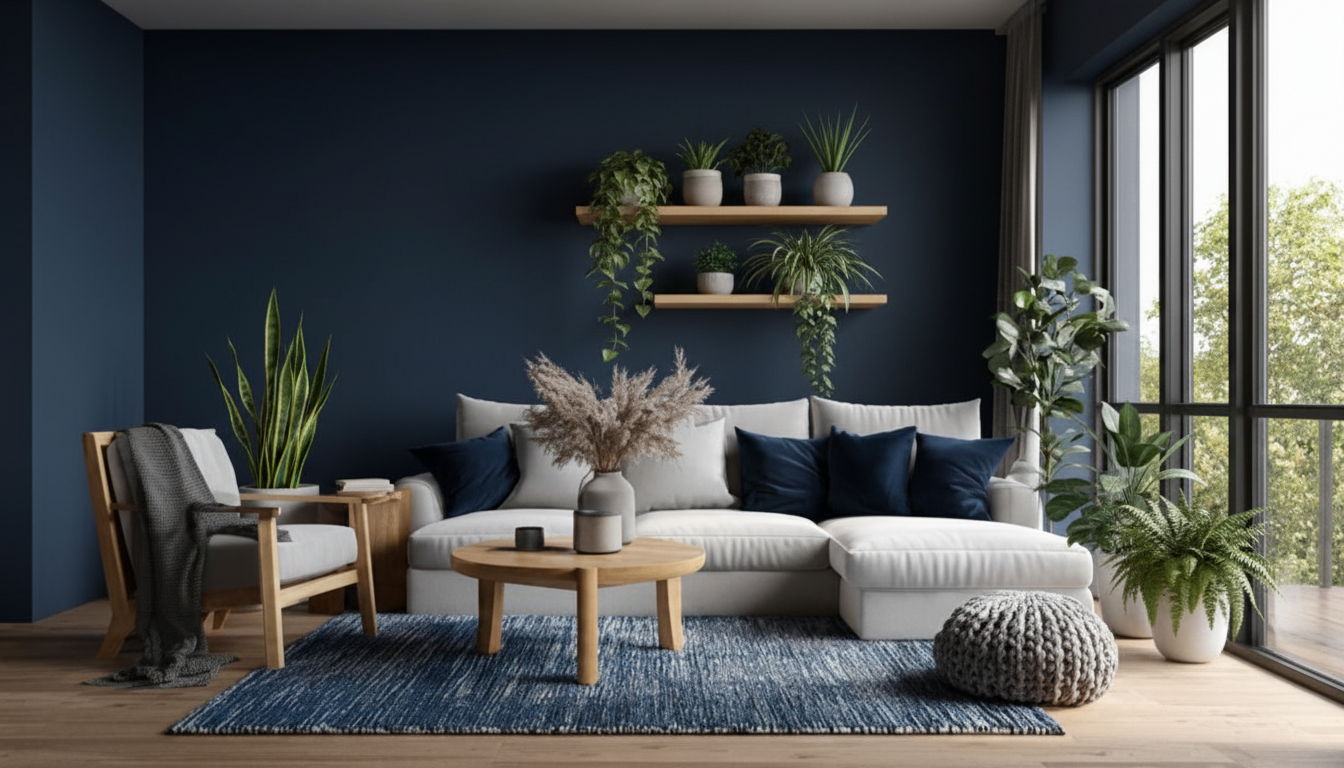
Creating an eco-friendly home doesn’t have to be expensive. With smart choices, mindful habits, and sustainable design strategies, you can transform your living space into a greener, healthier environment — all while staying within budget. Sustainable design isn’t just about energy-efficient appliances or high-end eco-materials. It’s about reducing waste, choosing long-lasting items, repurposing what you own, and making environmentally conscious decisions that benefit both your home and the planet.
Whether you’re renovating or simply refreshing your space, these budget-friendly sustainable design tips will help you create a greener home without sacrificing style or comfort.
1. Choose Energy-Efficient Lighting
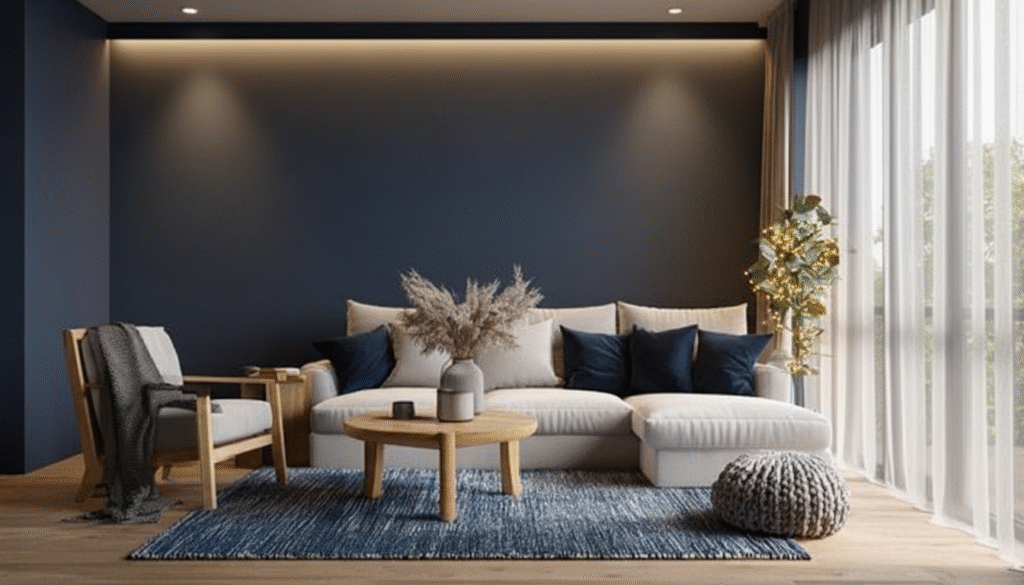
Swapping traditional bulbs for LED lighting is one of the easiest and most affordable sustainable upgrades.
Benefits of LED bulbs:
- Use up to 80% less energy
- Last much longer than standard bulbs
- Reduce electricity bills
- Produce less heat
Even changing a few bulbs can significantly reduce energy use.
2. Repurpose Old Furniture Instead of Buying New
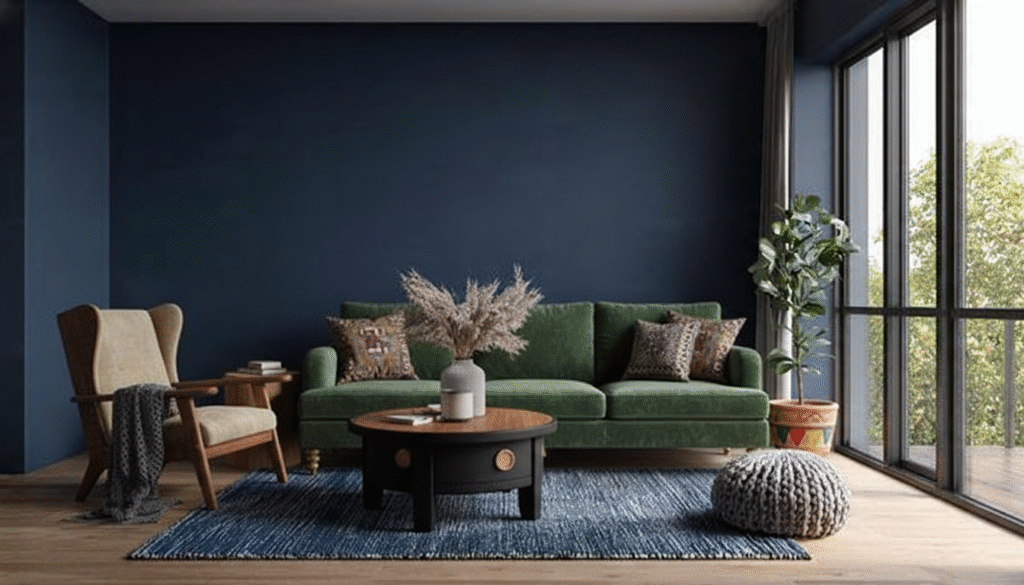
Instead of replacing old furniture, give it a new life through creative repurposing.
Ideas:
- Repaint wooden tables or chairs
- Add new fabric to outdated cushions
- Convert old dressers into bathroom vanities
- Use vintage crates as stylish storage
Repurposing reduces waste and adds character to your home.
3. Buy Secondhand or Thrifted Decor
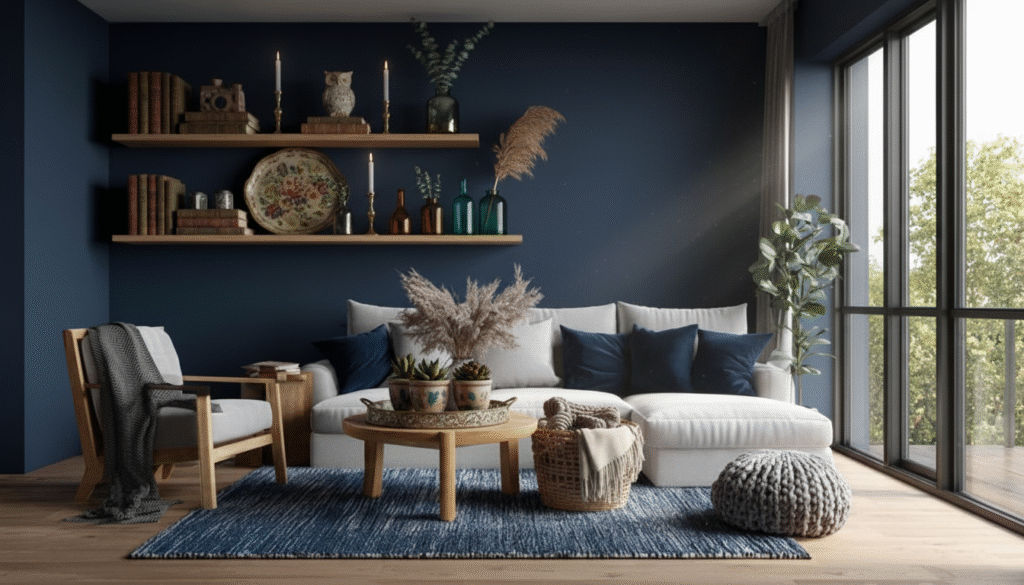
Pre-loved items are often cheaper and more environmentally friendly than new ones.
Look for:
- Antique furniture
- Pre-owned rugs
- Secondhand artwork
- Vintage kitchenware
Thrifted pieces add personality and reduce demand for new products.
4. Use Natural, Low-Cost Materials
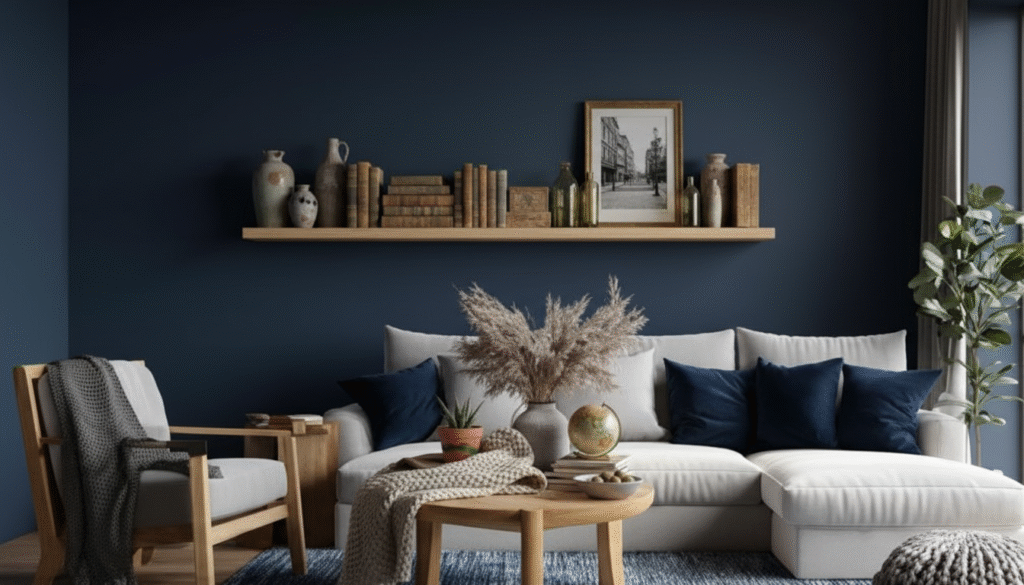
Sustainable design embraces natural textures and eco-friendly materials.
Affordable options include:
- Bamboo decor
- Jute rugs
- Cotton or linen textiles
- Wooden accents
- Clay or ceramic decor
These materials are durable, biodegradable, and timeless.
5. Improve Indoor Air Quality With Plants
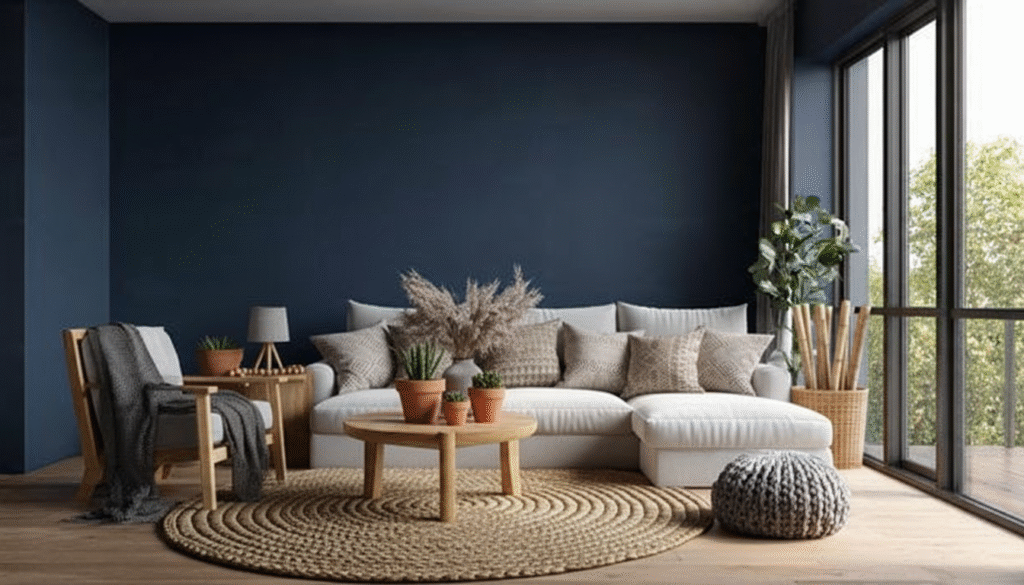
Plants are an inexpensive way to improve indoor air quality and bring natural beauty into your home.
Easy-care plants include:
- Snake plant
- Pothos
- Spider plant
- Peace lily
- Aloe vera
They help reduce toxins and create a calming atmosphere.
6. Choose Reusable Instead of Disposable Items
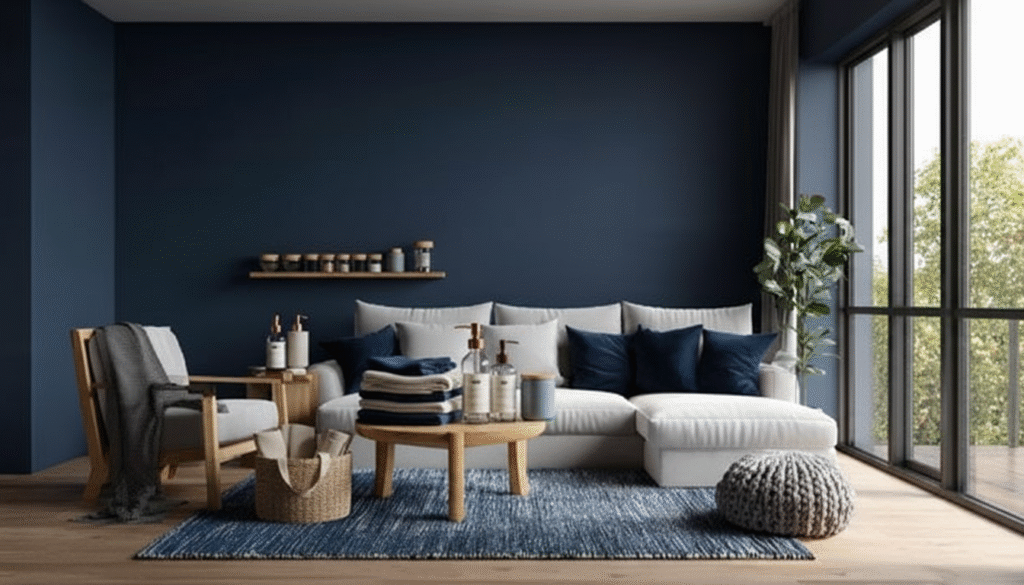
Small swaps lead to big changes over time.
Replace disposable items with:
- Reusable grocery bags
- Cotton towels
- Glass food containers
- Metal or bamboo straws
- Washable mop pads
These eco-friendly choices reduce waste and save money long-term.
7. Apply Eco-Friendly Paint
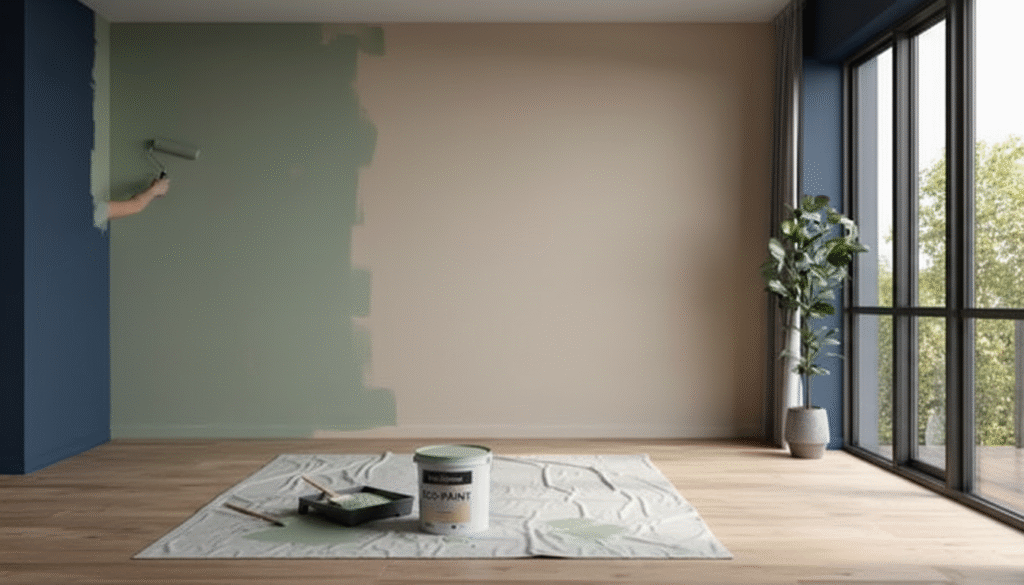
Low-VOC or VOC-free paints are healthier for your home environment.
Benefits:
- Reduce indoor toxins
- Improve air quality
- Create a safer home for children and pets
Eco-friendly paints come in a variety of beautiful, modern colors.
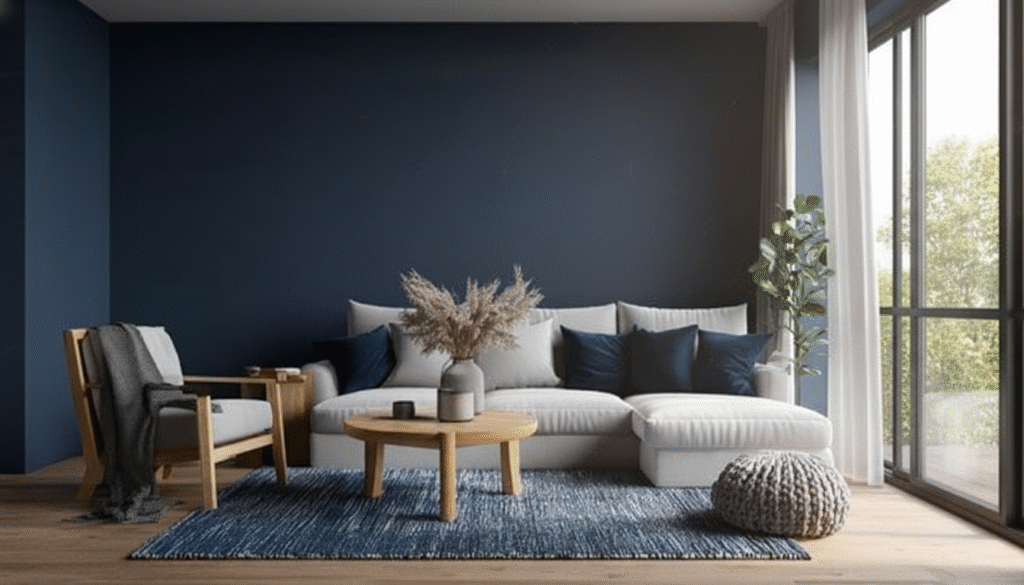
8. Maximize Natural Light
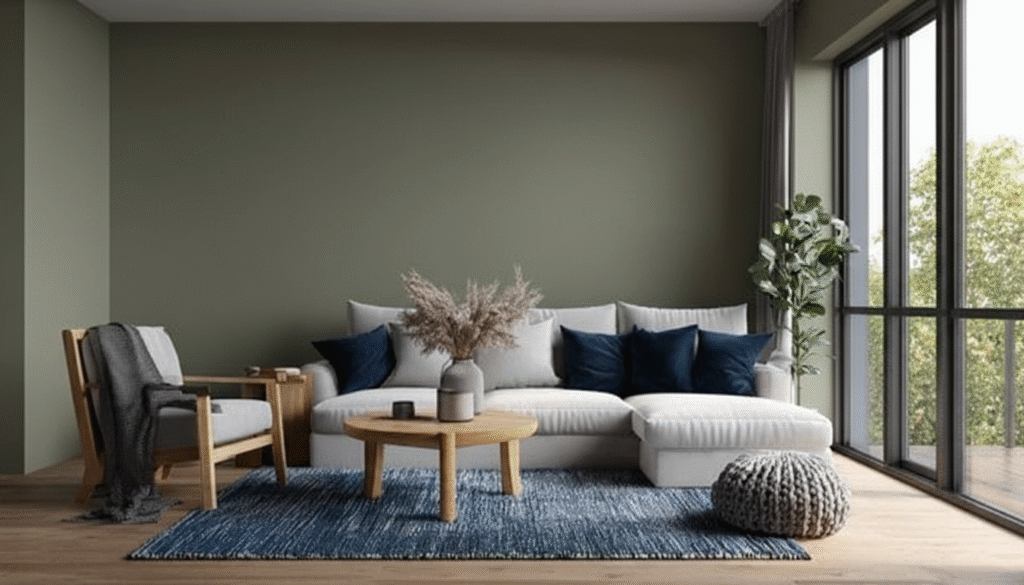
Using natural light reduces electricity use and makes your home feel brighter and more spacious.
Tips:
- Use light curtains
- Place mirrors opposite windows
- Choose light wall colors
- Rearrange furniture to avoid blocking windows
Harnessing sunlight is free and sustainable.
9. Install Water-Saving Fixtures
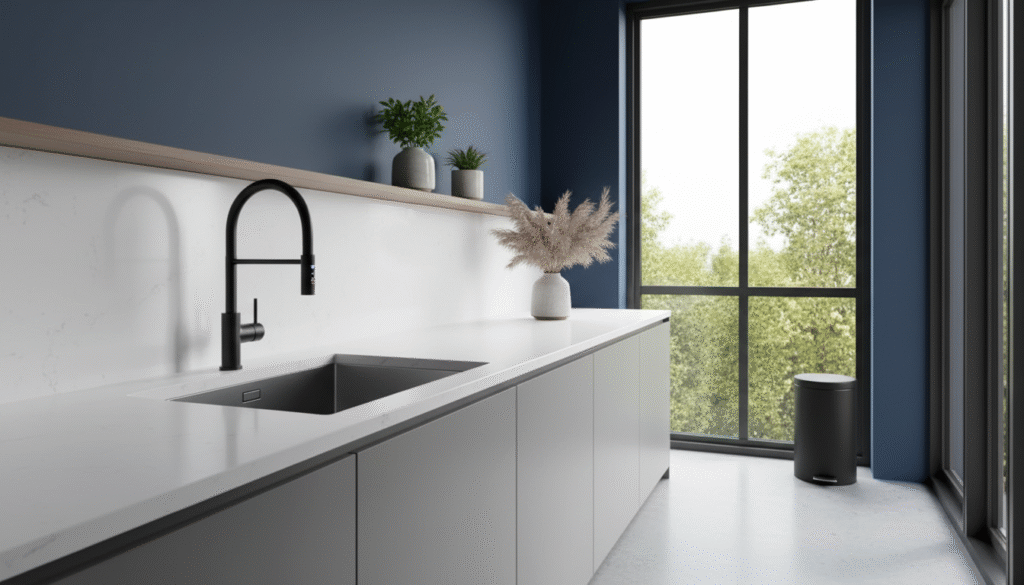
Eco-friendly fixtures reduce water consumption without compromising comfort.
Budget-friendly upgrades include:
- Low-flow showerheads
- Faucet aerators
- Dual-flush toilets
These small changes can significantly lower water bills.
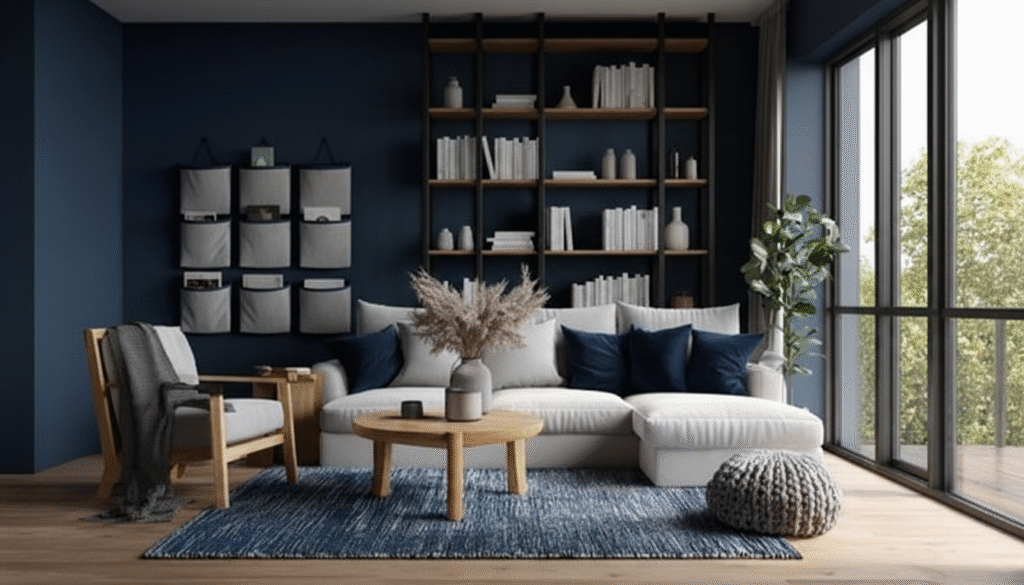
10. Make Use of Vertical Space
Vertical design helps you stay organized without buying more furniture.
Ideas:
- Wall-mounted shelves
- Hanging plants
- Pegboards
- Vertical garden walls
Smart vertical storage reduces clutter and encourages mindful purchasing.
11. Choose Long-Lasting, Quality Items
Instead of buying cheap items that need constant replacement, invest in durable, eco-friendly alternatives when possible.
Look for:
- Solid wood furniture
- Stainless steel kitchenware
- High-quality linens
- Long-lasting LED fixtures
Quality lasting items save money and reduce waste.
12. Create a Composting System
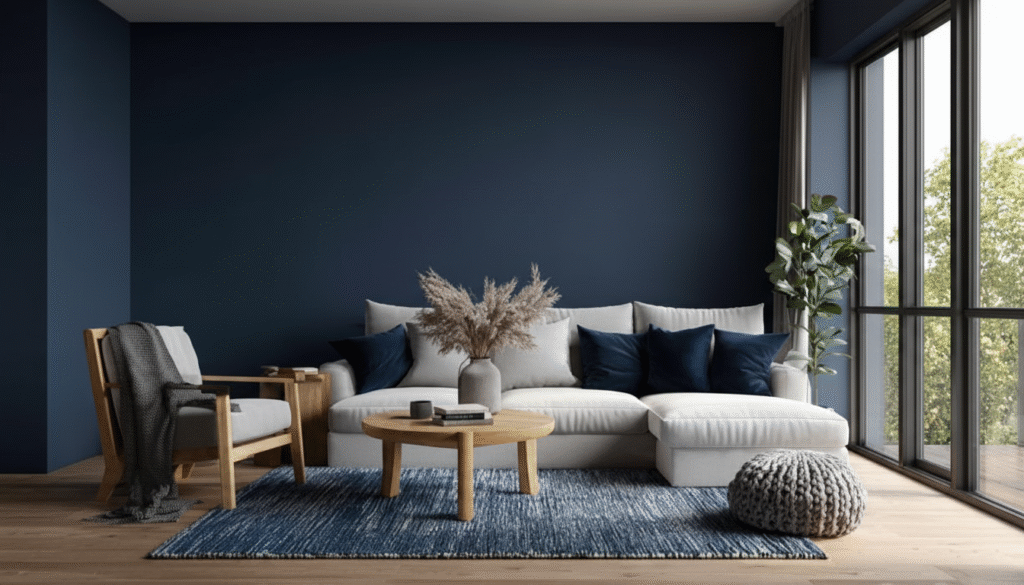
Composting helps reduce food waste and enriches soil for plants.
Easy composting options:
- Countertop compost bins
- Backyard compost piles
- Worm compost systems
It’s inexpensive and great for the environment.
13. Upcycle Glass Jars & Containers
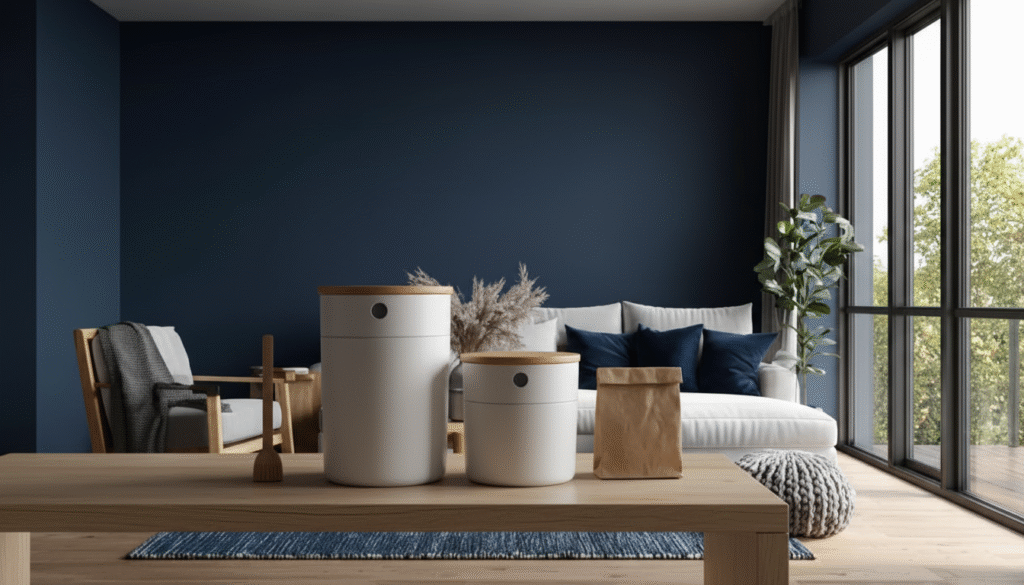
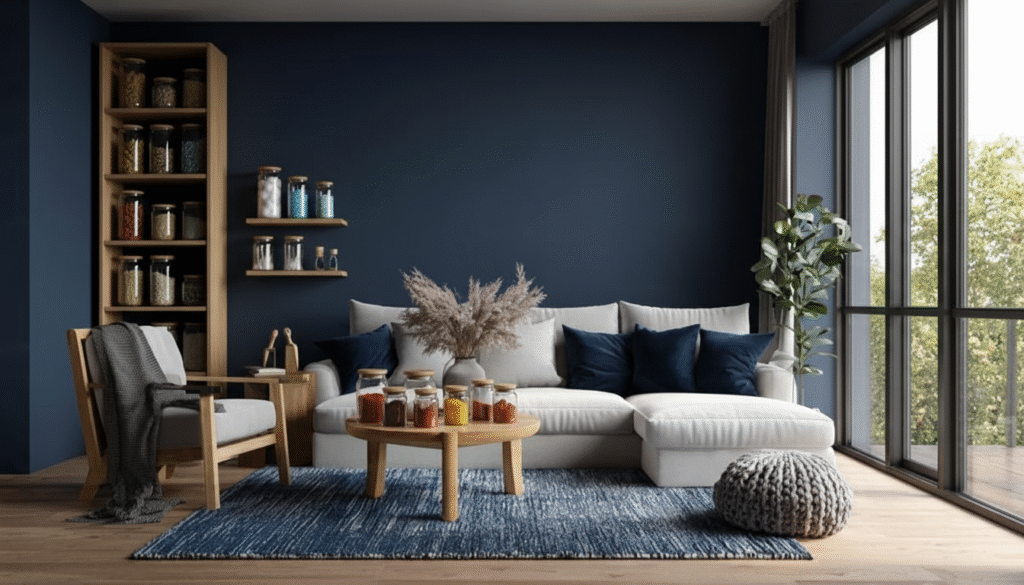
Instead of buying storage jars, use glass jars from sauces, jams, or condiments.
Ways to use them:
- Pantry storage
- Craft supplies
- Bathroom cotton pads
- Office organization
Upcycling saves money and adds charming rustic style.
14. Use Sustainable Cleaning Products
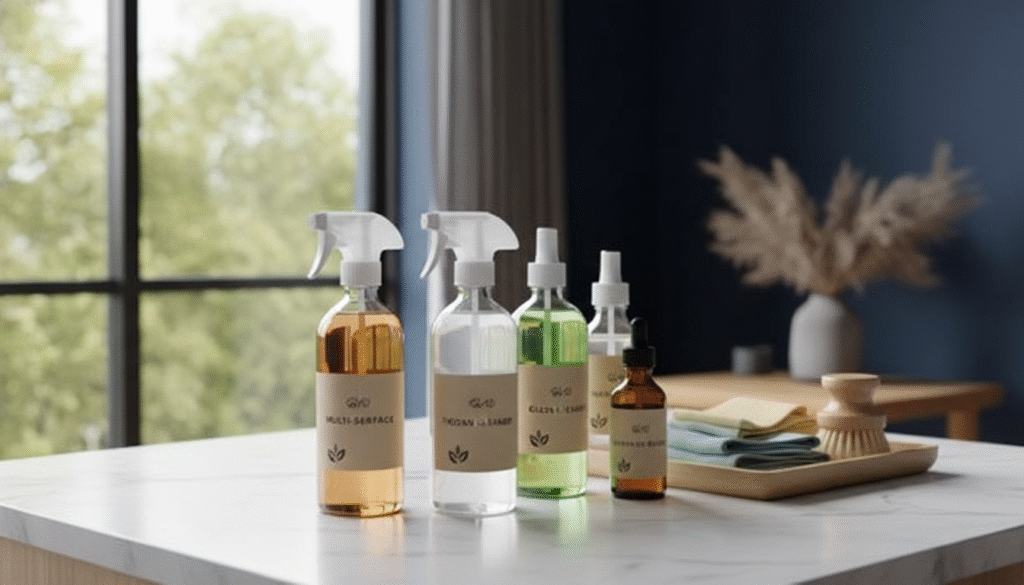
Chemical cleaners harm the environment and your indoor air.
Affordable, natural cleaners include:
- Vinegar
- Baking soda
- Lemon
- Castile soap
DIY cleaning solutions are effective and budget-friendly.
15. Incorporate Eco-Friendly Textiles
Switch your synthetic fabrics to natural ones whenever possible.
Best sustainable textiles:
- Organic cotton
- Linen
- Bamboo fabric
- Wool
- Hemp
These materials feel luxurious while being environmentally conscious.
16. Reduce Energy Waste With Smart Habits
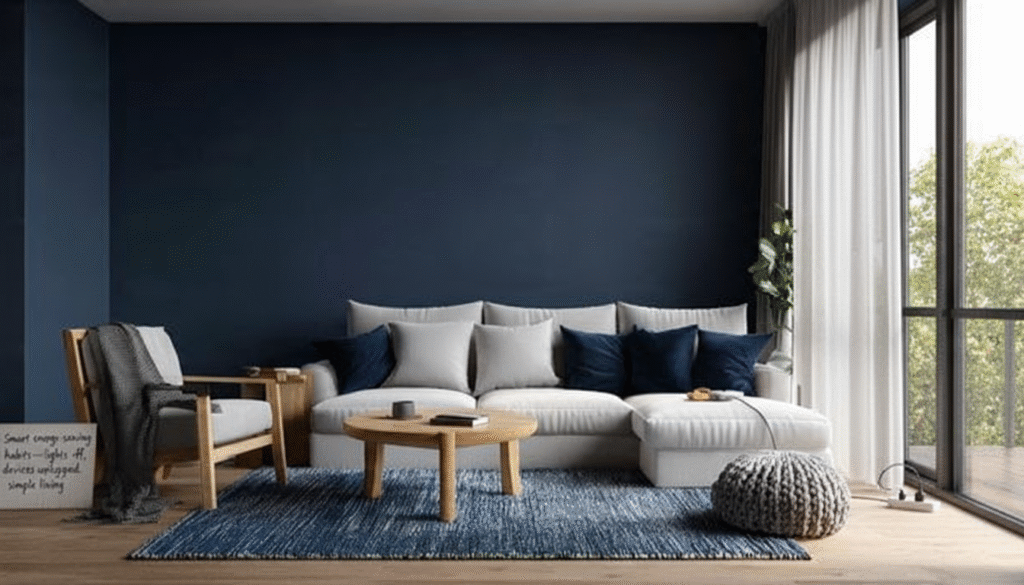
Simple habits can drastically improve your home’s sustainability.
Try:
- Turning off lights when not needed
- Unplugging electronics
- Air-drying clothes
- Using fans instead of AC
- Closing curtains in summer to block heat
These small changes add up over time.
17. Use Recycled or Sustainable Flooring
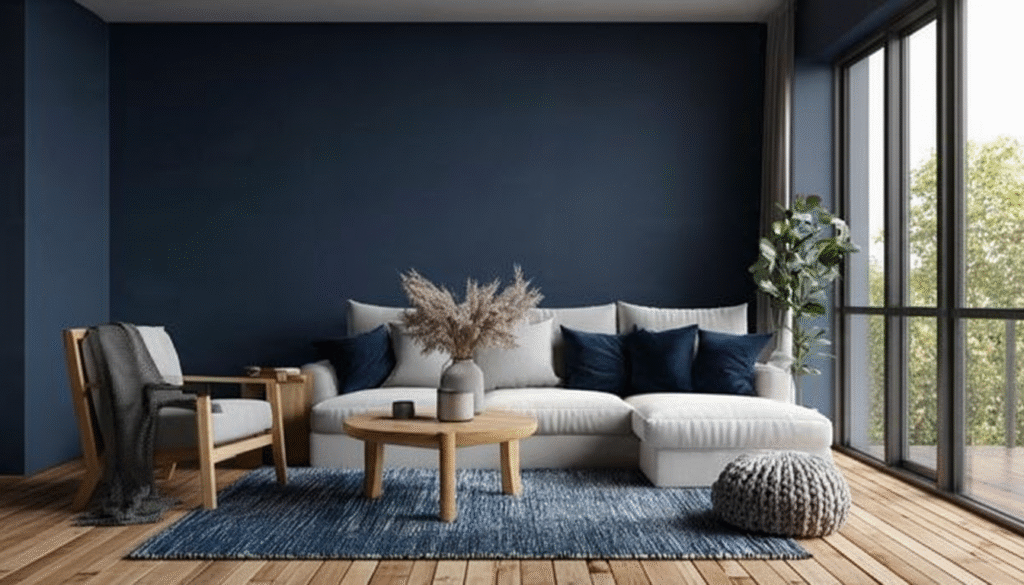
If you’re renovating, choose eco-friendly flooring options.
Budget options:
- Bamboo flooring
- Cork flooring
- Recycled wood
- Linoleum (eco-friendly alternative to vinyl)
These materials are sustainable and stylish.
18. Refresh Old Decor Instead of Replacing It
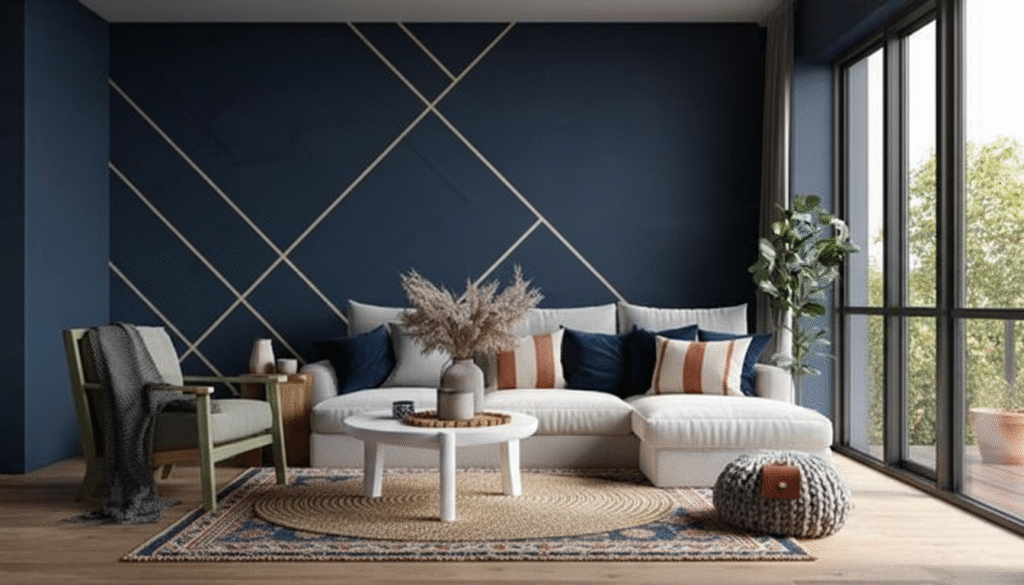
Give decor items a second chance.
Ideas:
- Paint old vases
- Frame leftover fabric as wall art
- Turn old books into decorative displays
- Refinish old photo frames
Refreshing decor is budget-friendly and reduces waste.
19. Swap Curtains for Eco-Friendly Alternatives
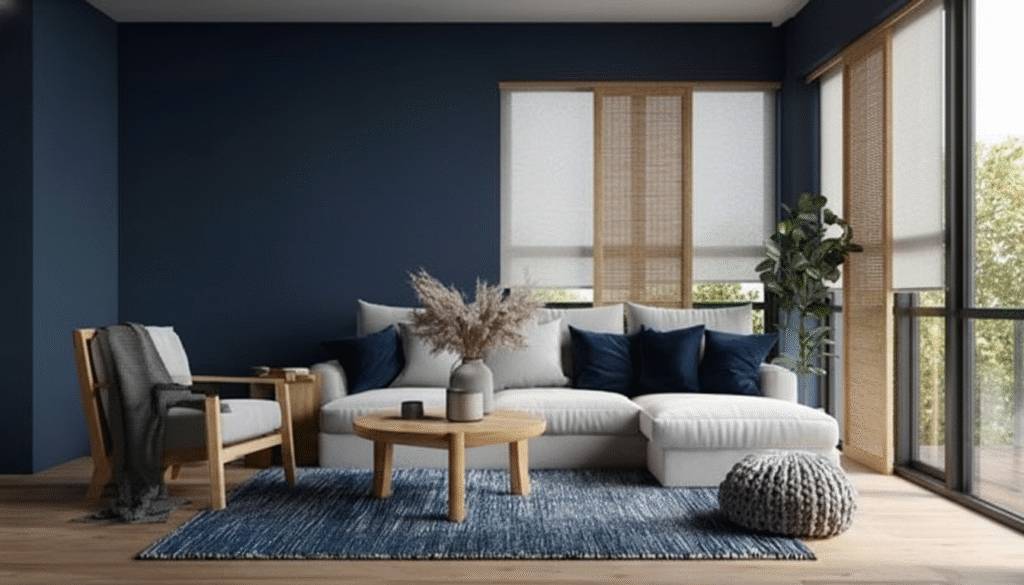
Upgrade your curtains to natural fabrics.
Good options:
- Linen curtains
- Cotton drapes
- Bamboo blinds
These allow better airflow and reduce environmental impact.
20. Support Eco-Friendly Brands When You Can
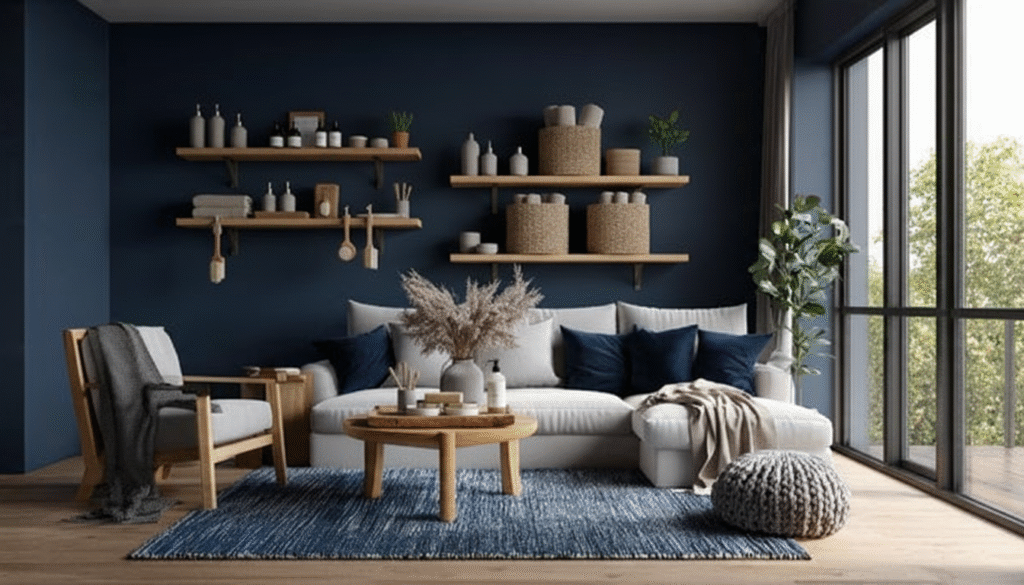
If buying new items, choose brands that focus on sustainability.
Look for:
- Ethically sourced materials
- Eco-friendly packaging
- Low-carbon manufacturing
- Long-lasting, timeless designs
Supporting green brands encourages responsible production.
Conclusion
Creating a greener home doesn’t require major renovations or expensive materials. By choosing sustainable, budget-friendly design ideas — like repurposing furniture, using natural materials, improving natural light, reducing waste, and adopting eco-smart habits — you can transform your home into an environmentally conscious, stylish, and healthy space.
Sustainability is about progress, not perfection. Every small step you take contributes to a greener lifestyle and a healthier planet. Start with a few of these budget-friendly tips, and your home will feel fresher, cleaner, and more eco-friendly in no time.