Smart Home Design Tips to Make Small Spaces Look Spacious
Small homes can be cozy, beautiful, and highly functional — when designed thoughtfully. The key to making a small space look spacious isn’t about adding more room, but using smart design choices that maximize light, layout, storage, and visual openness. With the right techniques, even the tiniest areas can feel airy, stylish, and comfortable.
Whether you live in a studio apartment, a small family home, or a compact rental, these smart home design tips will help you make the most of every inch while creating a sense of abundant space.
1. Use Light Colors to Open Up the Space
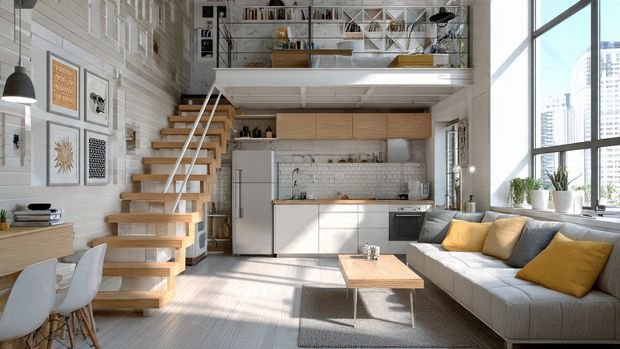
Light and neutral colors reflect natural light, making a room feel brighter and larger.
Best color choices:
- White
- Light beige
- Soft grey
- Cream
- Pastel blue
- Pale green
Walls, ceilings, and large furniture pieces in lighter shades create an airy feeling and reduce visual heaviness.
2. Choose Multi-Functional Furniture
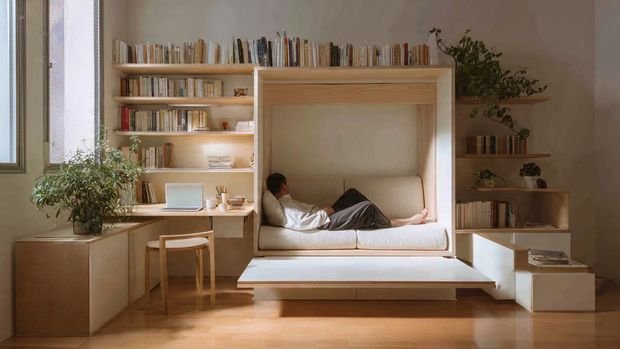
In a small home, every piece of furniture should serve more than one purpose.
Great multifunctional options:
- Sofa beds
- Storage ottomans
- Coffee tables with drawers
- Folding desks
- Beds with storage underneath
- Extendable dining tables
These items save space while adding extra functionality.
3. Add Mirrors to Create the Illusion of Space
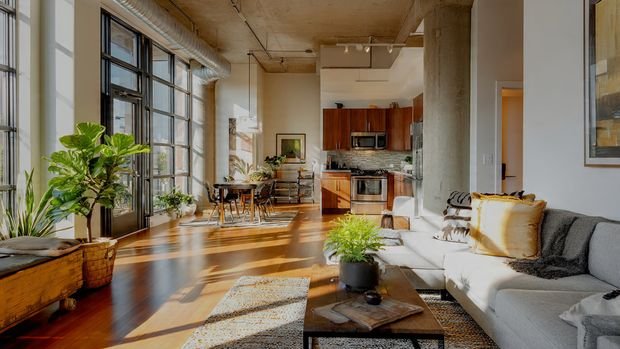
Mirrors are one of the most effective design tricks for small spaces. They reflect both light and views, instantly making rooms feel larger.
Smart mirror ideas:
- Place a large mirror behind the sofa
- Install mirrors opposite windows
- Use mirrored closet doors
- Choose decorative mirror wall panels
Mirrors visually double the size of a room.
4. Maximize Natural Light
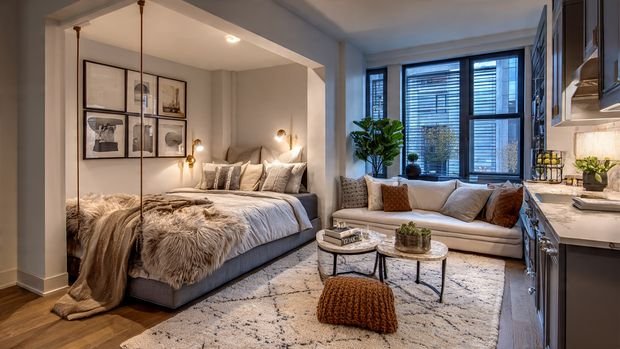
Natural light is the most powerful way to make your space feel open.
Tips for maximizing daylight:
- Keep window treatments minimal
- Use sheer or light-colored curtains
- Avoid blocking windows with large furniture
- Clean windows regularly for brighter light
When spaces feel bright, they automatically feel bigger.
5. Declutter and Choose Minimalist Layouts
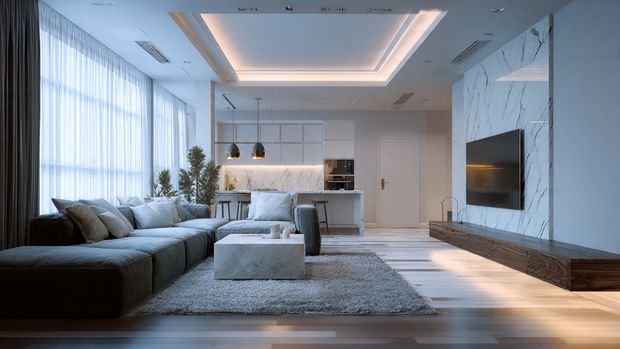
Clutter is the number one enemy of small homes. The cleaner and more organized a space looks, the larger it feels.
Decluttering tricks:
- Reduce unnecessary items
- Store daily essentials in baskets
- Keep surfaces like counters and tables clear
- Use vertical storage solutions
Minimalism doesn’t mean empty — it means intentional.
6. Use Vertical Space Wisely
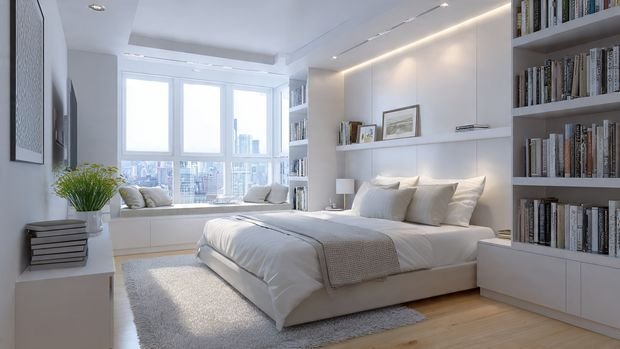
When floor space is limited, go upward.
Ideas for vertical design:
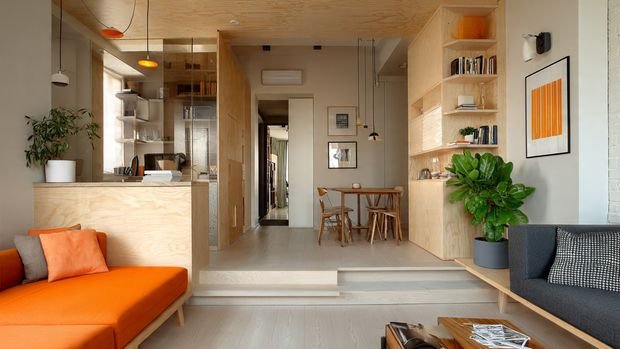
- Floor-to-ceiling shelves
- Vertical cabinets
- Tall bookcases
- Hanging planters
- Wall-mounted lights instead of floor lamps
Using height draws the eye upward, creating the illusion of spaciousness.
7. Keep Furniture Low-Profile
Low-height furniture, such as platform beds or low sofas, gives the feeling of higher ceilings and more open volume.
Benefits of low-profile furniture:
- Reduces visual overcrowding
- Opens up wall space
- Enhances airiness
Pair with tall mirrors or vertical artwork for a balanced look.
8. Choose Legged Furniture Instead of Solid Bases
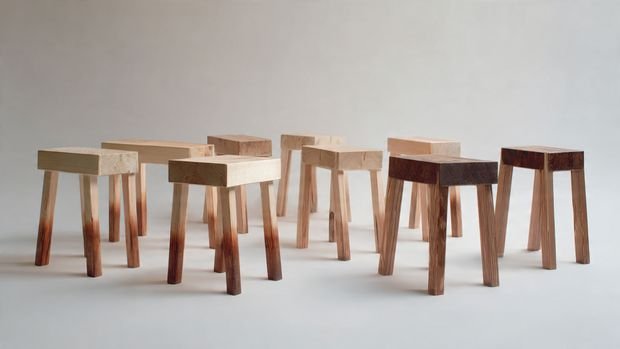
Furniture with exposed legs allows light to flow underneath, giving the illusion of more floor area.
Best examples:
- Legged chairs
- Legged sofas
- Legged coffee tables
This style prevents a “heavy” or cramped look.
9. Stick to a Cohesive Color Palette
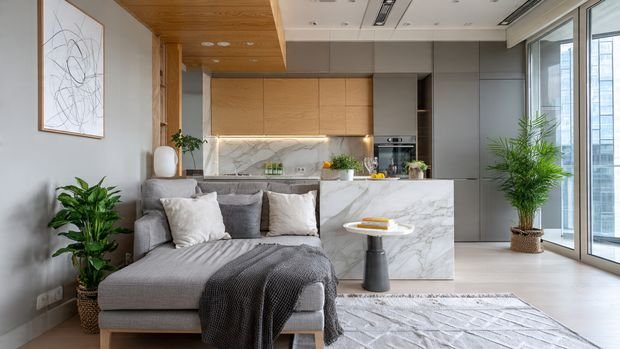
Color consistency creates harmony and visually expands your space.
Tips:
- Use 2–3 main colors
- Avoid too many bold contrasts
- Choose similar shades for furniture and walls
A cohesive palette prevents visual clutter.
10. Use Glass or Acrylic Furniture
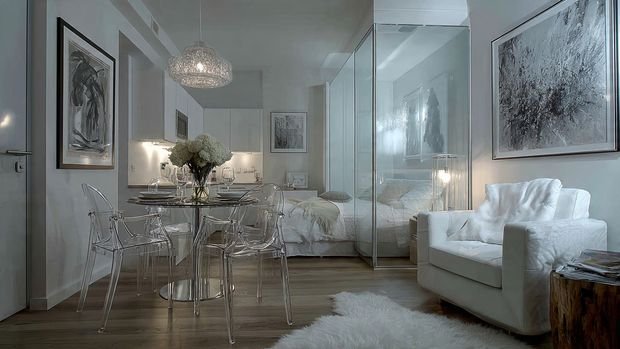
Transparent materials take up space physically but not visually.
Great transparent options:
- Glass coffee tables
- Acrylic chairs
- Glass dining tables
These pieces open up your room while still being functional.
11. Choose Sliding Doors Instead of Swing Doors
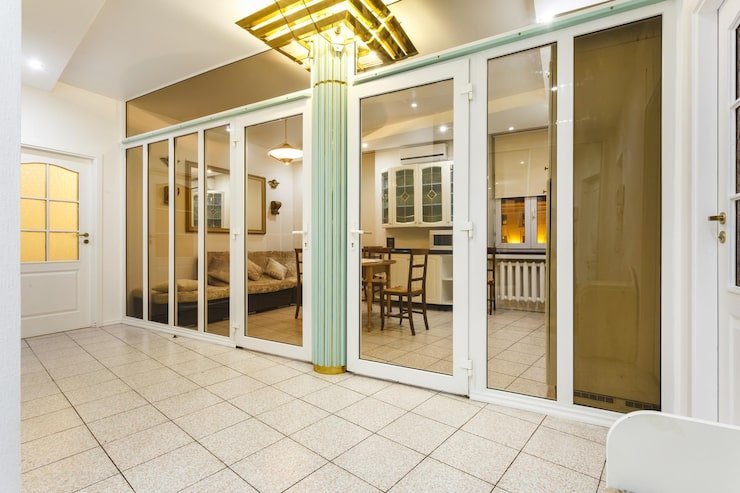
Swinging doors require clearance, which can waste space.
Sliding options:
- Pocket doors
- Barn doors
- Sliding wardrobes
These free up valuable floor area and improve flow.
12. Add Large Rugs (Not Small Ones)
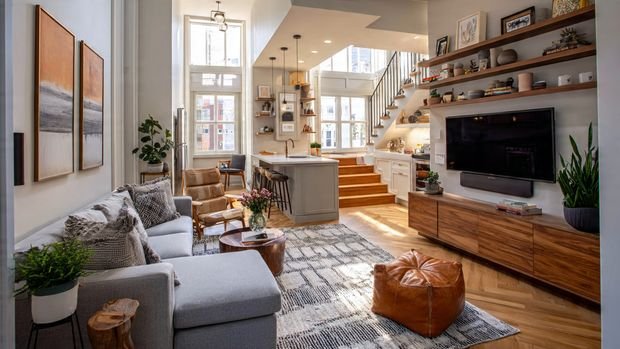
Contrary to what many believe, small rugs make rooms look smaller. Large rugs visually stretch the space.
Choose rugs that:
- Cover most of the floor
- Extend under furniture
- Are in light or neutral shades
This creates a unified and spacious appearance.
13. Create Zones Within Your Space
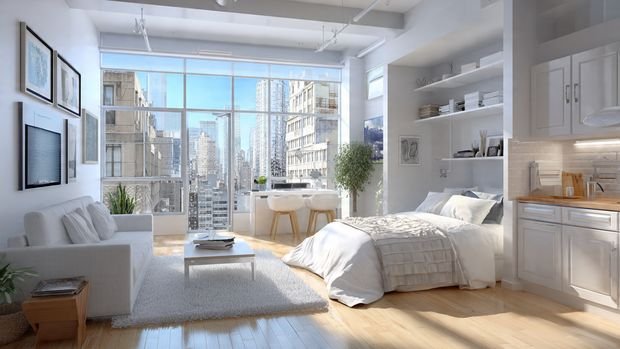
Even in a small home, dividing spaces into functional zones helps with organization and visual clarity.
Ideas:
- Use rugs to separate areas
- Position furniture to define spaces
- Add open shelving as subtle dividers
Clear zoning makes the home feel structured and larger.
14. Use Floating Shelves to Free Floor Space
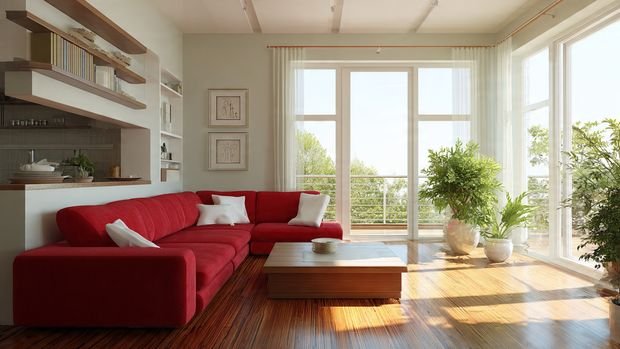
Wall-mounted storage keeps floors clear and enhances openness.
Floating storage works great for:
- Books
- Plants
- Décor
- Bathroom items
- Kitchen tools
Floating designs are light-looking and modern.
15. Choose Light Curtains or No Curtains at All
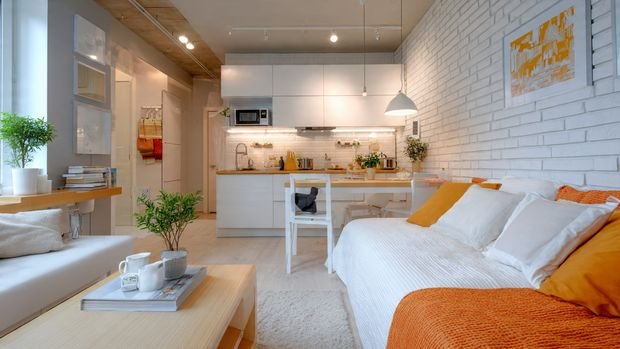
Heavy curtains block light and make windows appear smaller.
Alternatives:
- Sheer curtains
- Roller blinds
- Roman shades
- No curtains (if privacy allows)
More light = more space.
16. Keep Decor Simple but Stylish
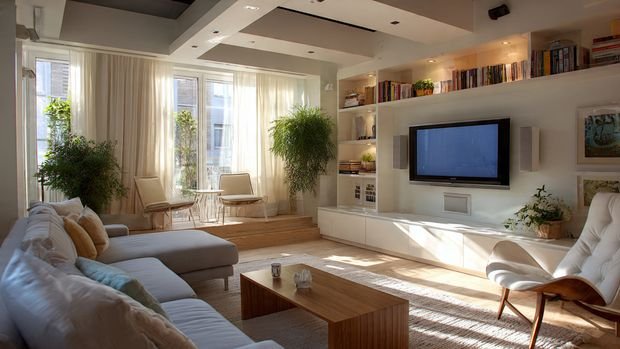
Too many decorations overwhelm small spaces. Instead, choose a few statement pieces.
Ideas:
- One large artwork instead of many small frames
- A few big plants instead of several tiny ones
- One decorative vase instead of multiple accessories
Let each decor piece stand out without cluttering the room.
17. Use Smart Storage Solutions
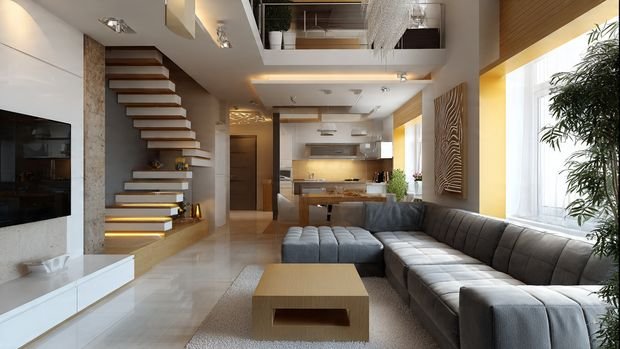
Hidden storage helps maintain a clean and spacious look.
Examples:
- Under-bed drawers
- Storage benches
- Bedside tables with compartments
- Wall-mounted cabinets
- Over-the-door organizers
A clutter-free home always looks bigger.
18. Make Furniture Work Double-Duty
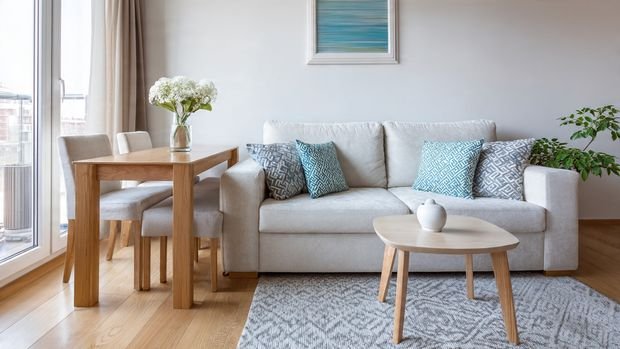
In small spaces, versatility is essential.
Examples:
- A dining table that becomes a workspace
- A stool that works as a side table
- A sofa that converts into a bed
- A console table that becomes a desk
One item, multiple functions = more space saved.
19. Keep Walkways Clear
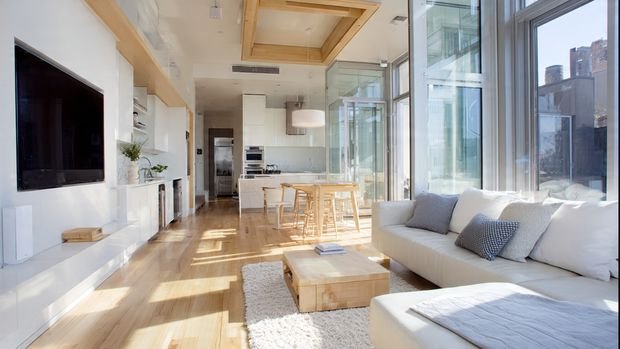
Avoid placing furniture in the pathways where people walk.
Clear walkways:
- Improve flow
- Make your home look bigger
- Reduce visual blockage
Even a small change in furniture placement can create more openness.
20. Use Smart Lighting to Open Up Dark Corners
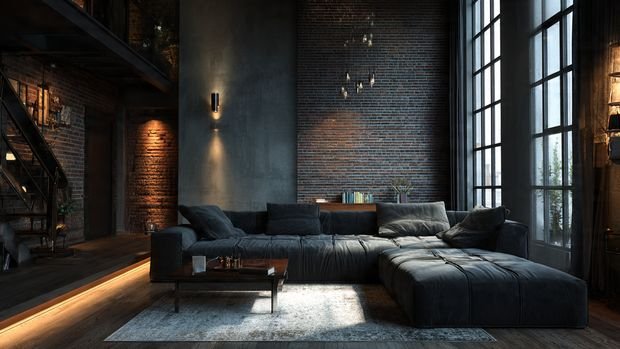
Lighting can dramatically expand the feel of a room.
Try:
- Wall sconces
- LED strips
- Recessed ceiling lighting
- Floor lamps that shine upward
More light reduces shadows, making everything feel uplifted.
Conclusion
Small spaces don’t have to feel cramped. With the right design choices — like light colors, multifunctional furniture, mirrors, vertical storage, minimalism, and smart lighting — even the tiniest rooms can feel open, modern, and spacious. The secret is to keep things simple, bright, and organized while using design elements that visually expand the space.
Whether you’re redecorating a studio apartment or optimizing a small room, these smart home design tips will help you create a stylish, comfortable, and spacious environment you’ll love living in.