Modern Libraries and Offices: Smart Design Tips
In today’s fast-paced world, the spaces where we work and learn matter more than ever. Whether you’re designing a sleek home office or a quiet library nook, the goal is the same — to create an environment that inspires focus, creativity, and comfort.
Modern libraries and offices are no longer sterile, cluttered rooms filled with mismatched furniture and harsh lighting. Instead, they’re smart, functional, and thoughtfully designed to support productivity and well-being.
If you’re looking to design a modern workspace or library that feels fresh, inviting, and efficient, these smart design tips will help you create the perfect balance between style and function.
1. Embrace Open and Airy Layouts
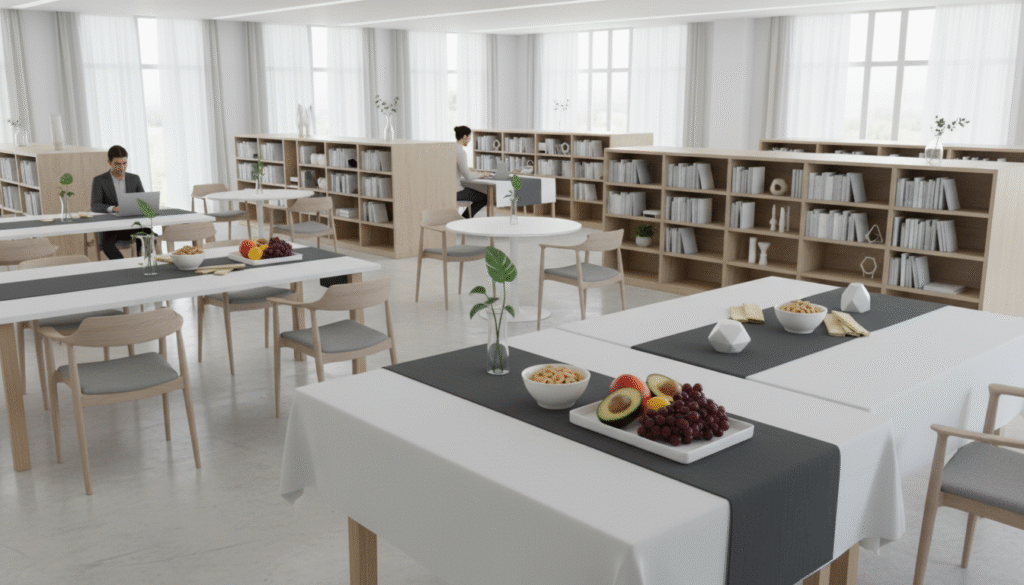
Modern design thrives on openness. Instead of packing your space with heavy furniture or bulky shelving, focus on creating a layout that feels light and breathable.
In a library or office, open layouts help improve flow, reduce distractions, and encourage collaboration or relaxation, depending on your goals.
Try this:
- Use open shelving instead of closed cabinets.
- Leave space between furniture to allow movement and natural light to circulate.
- Keep walls light-colored to enhance brightness and airiness.
The result is a space that feels calm, organized, and conducive to concentration.
2. Choose the Right Lighting
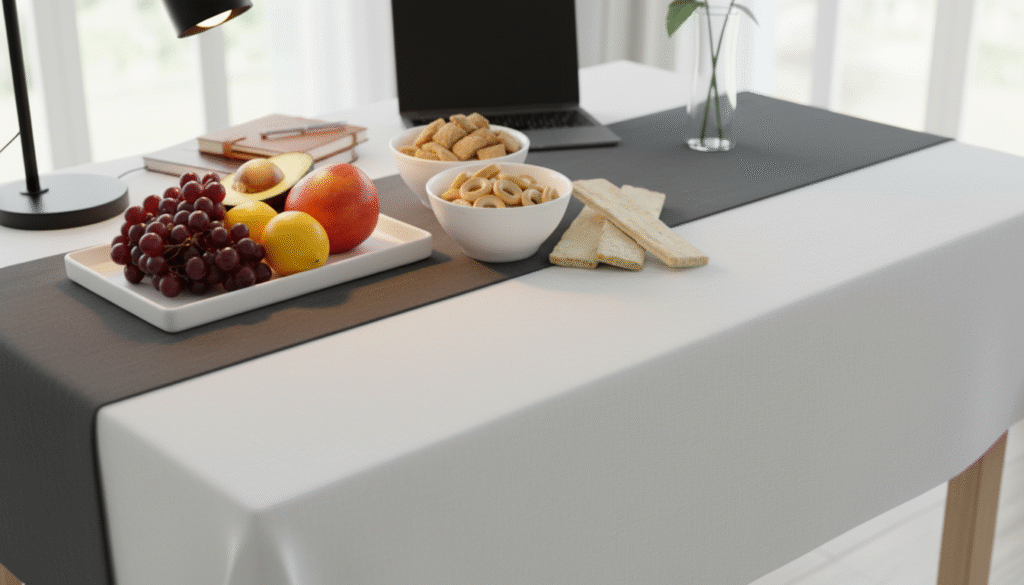
Lighting can make or break your design — especially in offices and libraries. The key is to balance natural and artificial light for maximum comfort and productivity.
Natural light is ideal for workspaces. It boosts mood, reduces eye strain, and enhances focus. Position desks or reading tables near windows whenever possible.
For artificial lighting, use layers:
- Ambient lighting: ceiling fixtures or recessed lights for general brightness.
- Task lighting: desk lamps or wall-mounted lights for reading or computer work.
- Accent lighting: subtle LED strips or shelf lights to highlight books or décor.
Warm white bulbs (around 3000K) create a cozy, inviting tone, while neutral white (around 4000K) is better for focus-driven spaces.
3. Prioritize Ergonomic Furniture
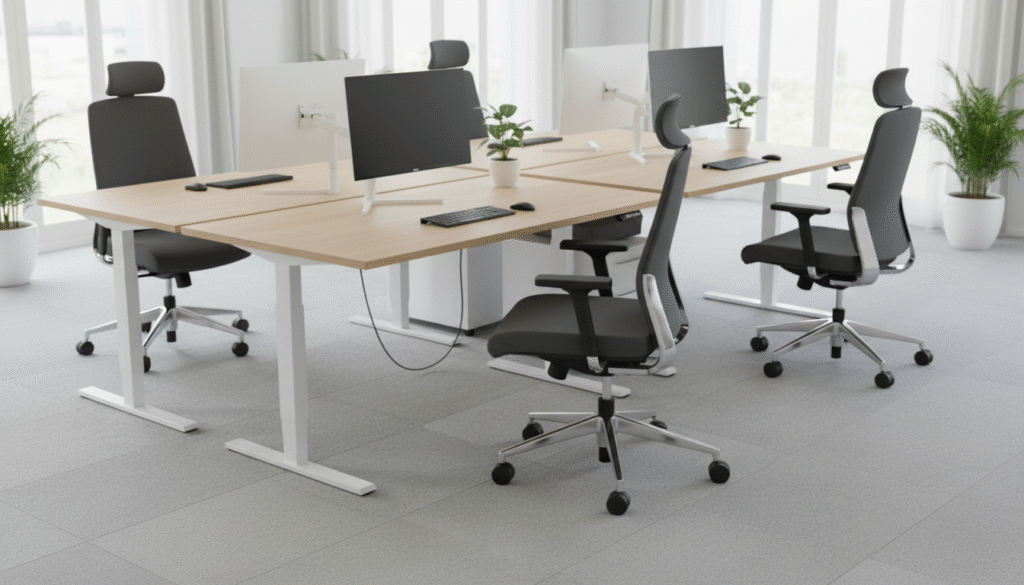
Comfort is key when it comes to modern workspace design. You’ll spend hours in your office or library, so invest in ergonomic furniture that supports posture and prevents fatigue.
For offices, choose:
- Adjustable chairs with lumbar support.
- Desks at the correct height (or standing desks for flexibility).
- Footrests or monitor stands for added comfort.
For libraries, prioritize soft seating — armchairs, reading lounges, or benches with cushions. Mixing ergonomic functionality with style ensures you stay comfortable while maintaining an elegant look.
4. Go Minimal, Not Empty
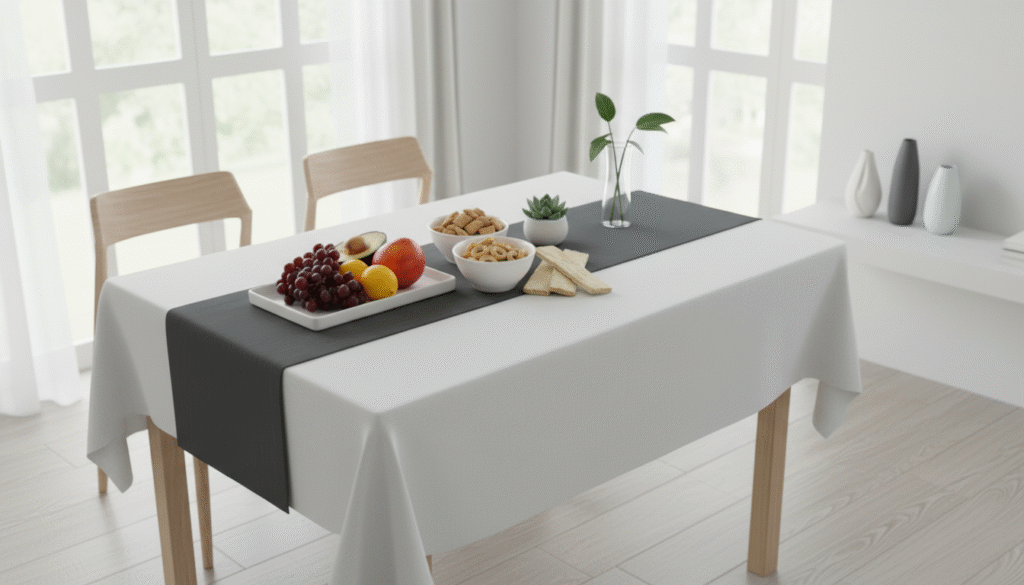
Modern design loves minimalism, but minimal doesn’t mean bare. The goal is intentional simplicity — having only what you need, but making it beautiful.
Keep surfaces clean and organized. Use sleek furniture with clean lines, hidden storage, and a restrained color palette. Choose pieces that serve multiple purposes — like a desk with drawers or a bookcase that doubles as a display.
Less visual clutter helps clear the mind, allowing creativity and focus to flourish.
5. Integrate Smart Technology
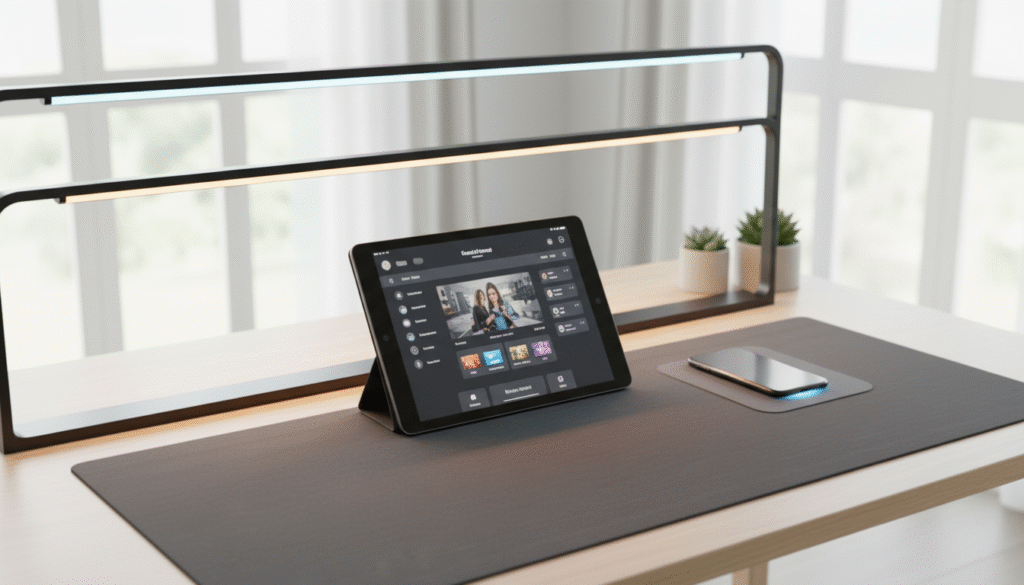
Modern libraries and offices thrive on convenience — and smart technology makes it possible. Integrate tools and systems that simplify your daily tasks while maintaining a clean aesthetic.
Consider adding:
- Wireless charging pads or built-in USB ports in desks.
- Smart lighting systems that adjust brightness or color temperature automatically.
- Cable management solutions to keep wires out of sight.
- Digital thermostats or air purifiers to enhance comfort.
Smart tech makes your space more efficient while preserving its sleek, modern design.
6. Play with Color Psychology
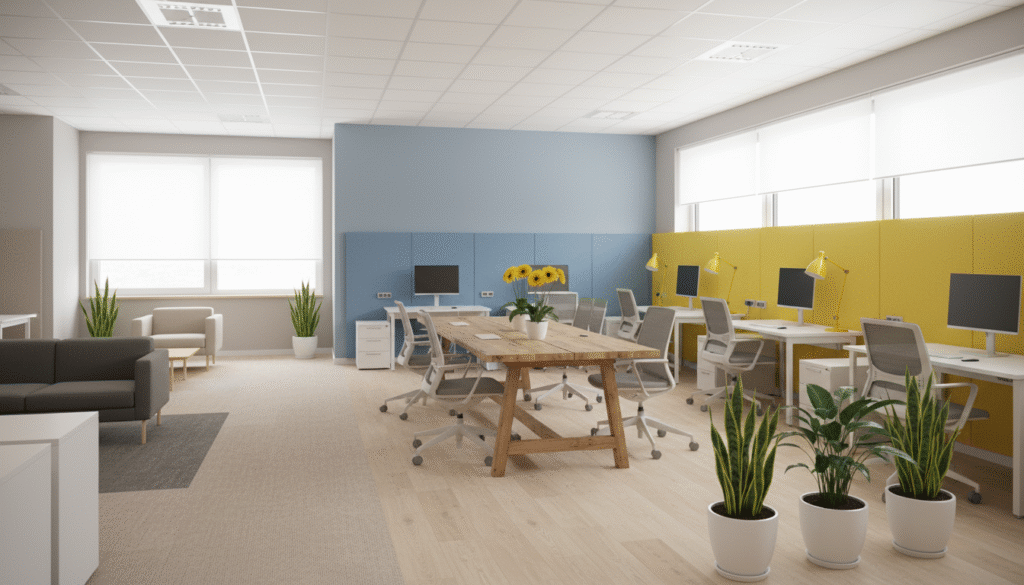
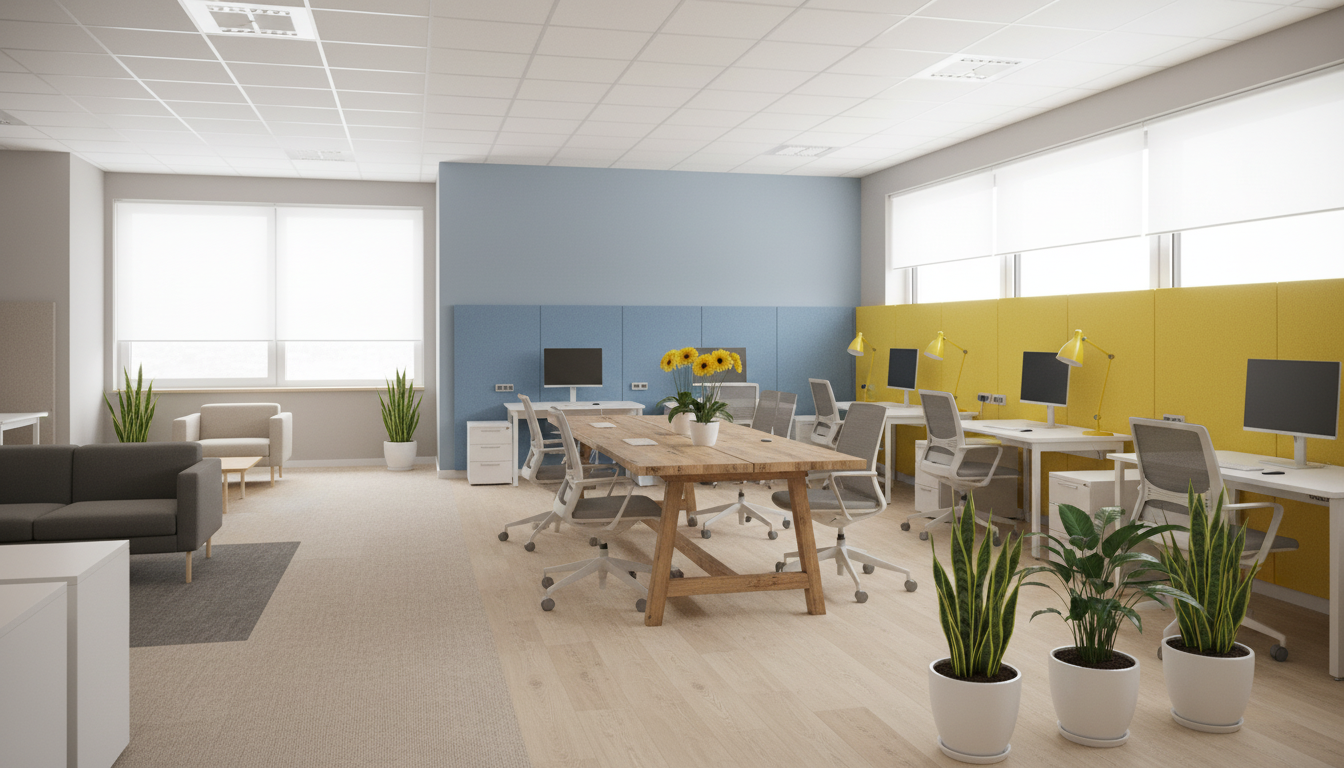
Color influences how we feel and perform — making it a crucial design element. Modern offices and libraries often use color psychology to enhance focus, creativity, or relaxation.
- Neutrals (white, beige, gray): Promote calm and clarity.
- Blue tones: Boost concentration and creativity — ideal for offices.
- Green: Reduces stress and feels refreshing — perfect for libraries.
- Warm accents (terracotta, mustard, blush): Add coziness and energy without distraction.
Keep the base palette neutral and add pops of color through artwork, accessories, or accent walls.
7. Include Greenery for Balance
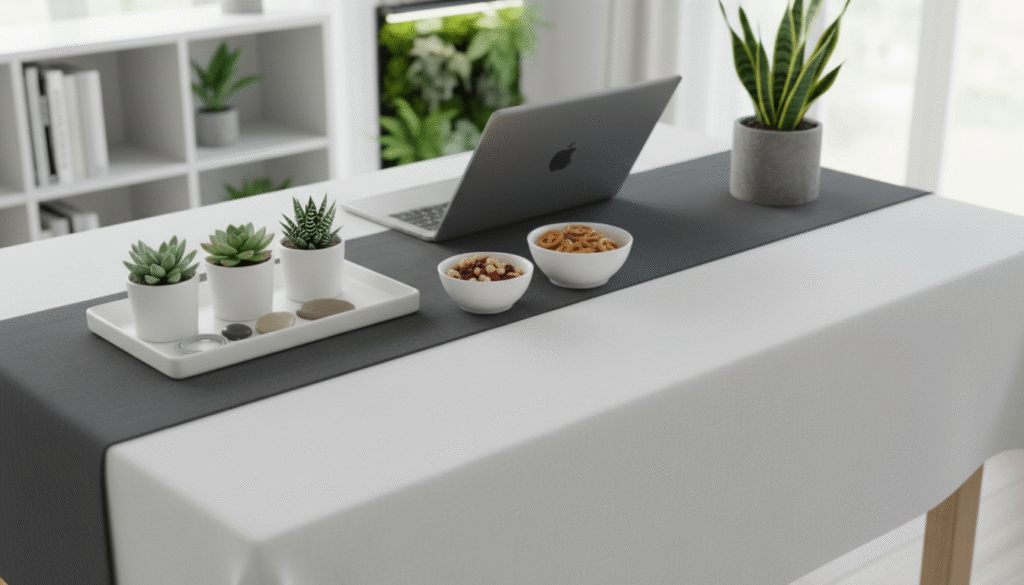
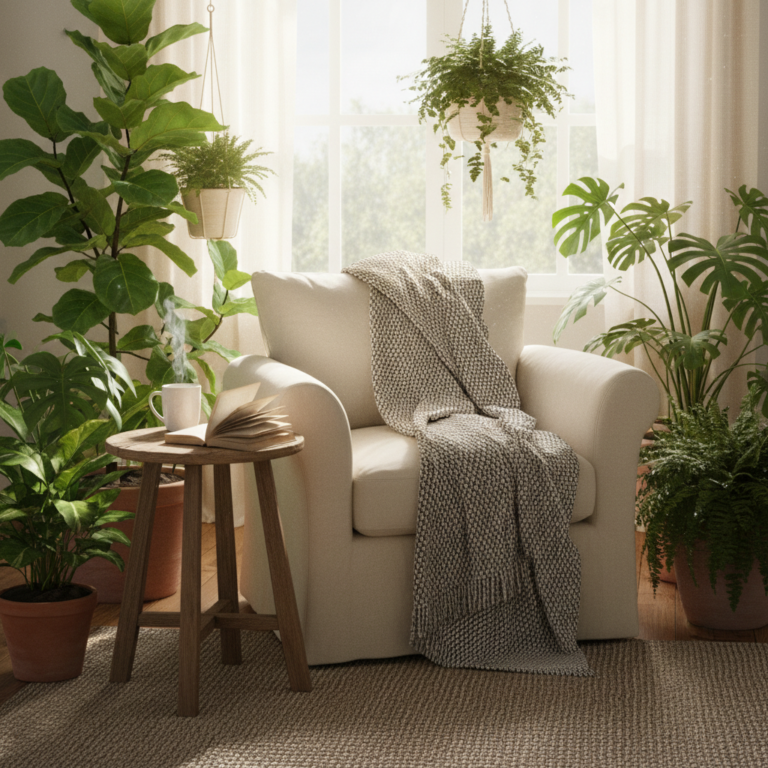
Nature has a powerful calming effect — and incorporating greenery into your workspace can instantly make it feel alive and serene.
Plants improve air quality, reduce stress, and add texture to modern interiors.
Easy-care options include:
- Snake plants
- ZZ plants
- Pothos
- Peace lilies
- Fiddle-leaf figs (for large spaces)
Use planters that complement your aesthetic — minimalist ceramics for modern styles or woven baskets for warmth. Even one or two plants can make a noticeable difference.
8. Use Multipurpose Furniture
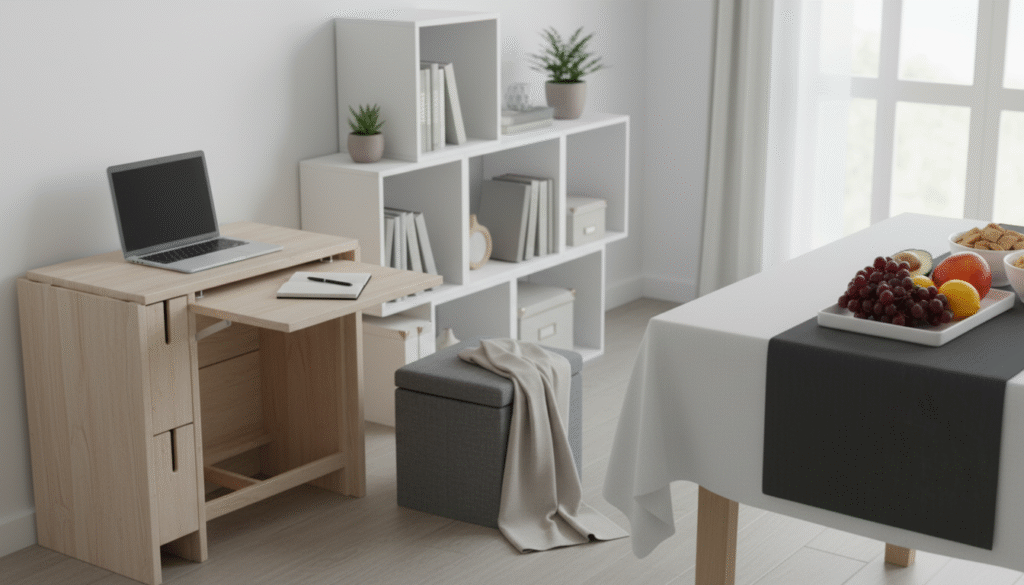
In both libraries and offices, space efficiency matters. Choose furniture that serves multiple purposes to maximize functionality without clutter.
For example:
- A bookshelf that doubles as a room divider.
- A fold-out desk or wall-mounted workstation.
- Ottomans with hidden storage.
- Convertible tables that expand for group work or meetings.
These smart furniture choices keep your space flexible — ideal for both solo work and collaborative settings.
9. Incorporate Texture and Materials
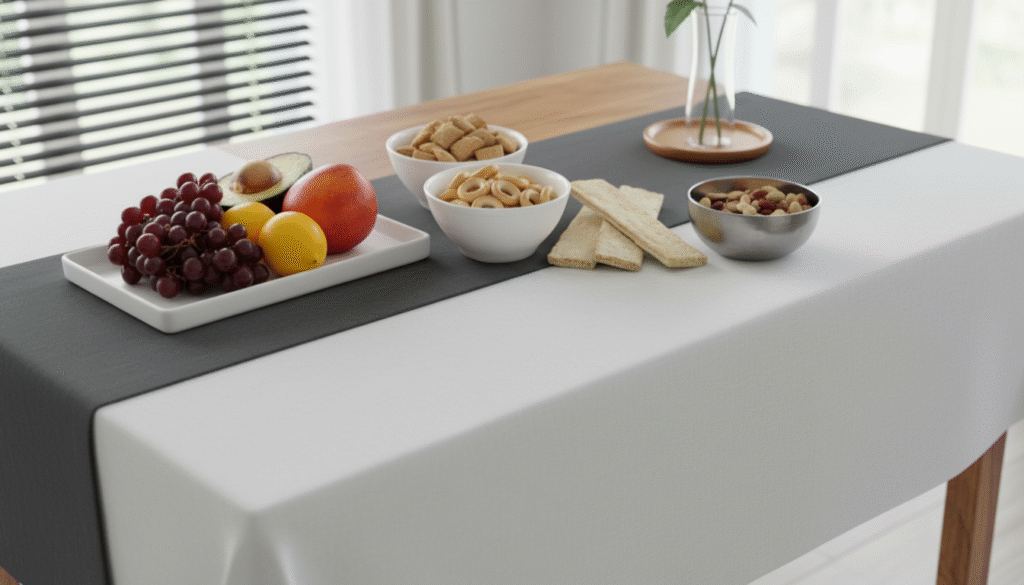
Modern doesn’t have to mean sterile. Adding texture and mixing materials brings warmth and depth to your design.
Combine:
- Wood and metal for a balanced, industrial feel.
- Glass and stone for a sophisticated, polished look.
- Linen, leather, or felt for softness.
Even small details — like a wool rug under your desk or a woven chair cushion — can make a space feel cozier while maintaining a modern edge.
10. Add Personal Touches
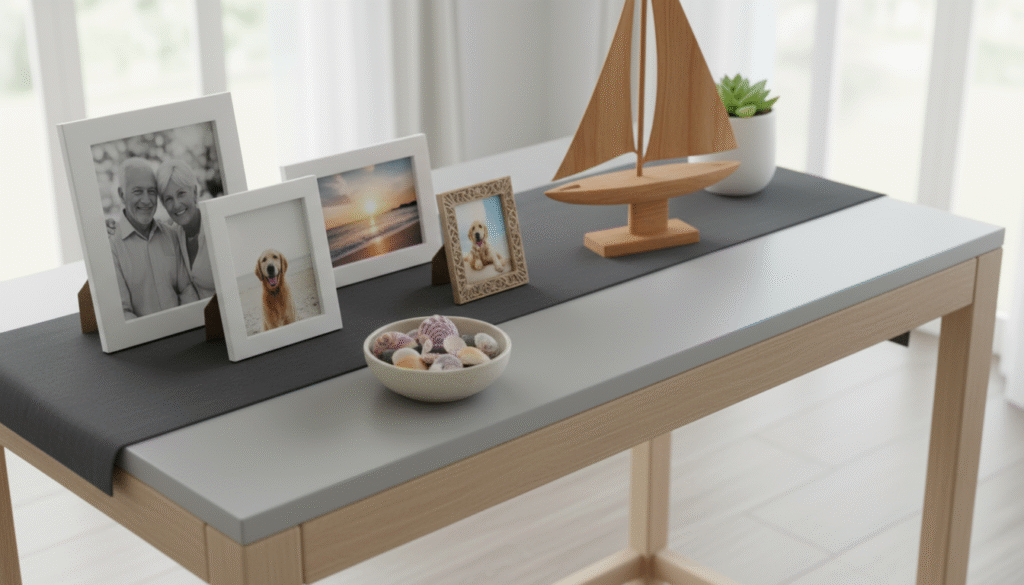
Your workspace or reading area should reflect your personality. A modern design doesn’t mean impersonal — it means intentional.
Display a few meaningful objects that inspire you:
- Art prints, framed quotes, or travel photos.
- Sculptural décor pieces that match your aesthetic.
- A collection of books or magazines that reflect your interests.
The key is to keep it curated — personal but uncluttered. Every item should have a purpose or story.
11. Design for Flexibility

Modern offices and libraries are dynamic spaces that evolve with your needs. Designing for flexibility ensures your space stays relevant and adaptable.
Use modular furniture that can be rearranged easily. Add movable partitions or curtains to create privacy when needed. If you’re designing a library, make sure seating and tables can shift between individual study and group sessions.
This adaptability keeps the space functional for years to come.
12. Create Cozy Reading or Focus Zones
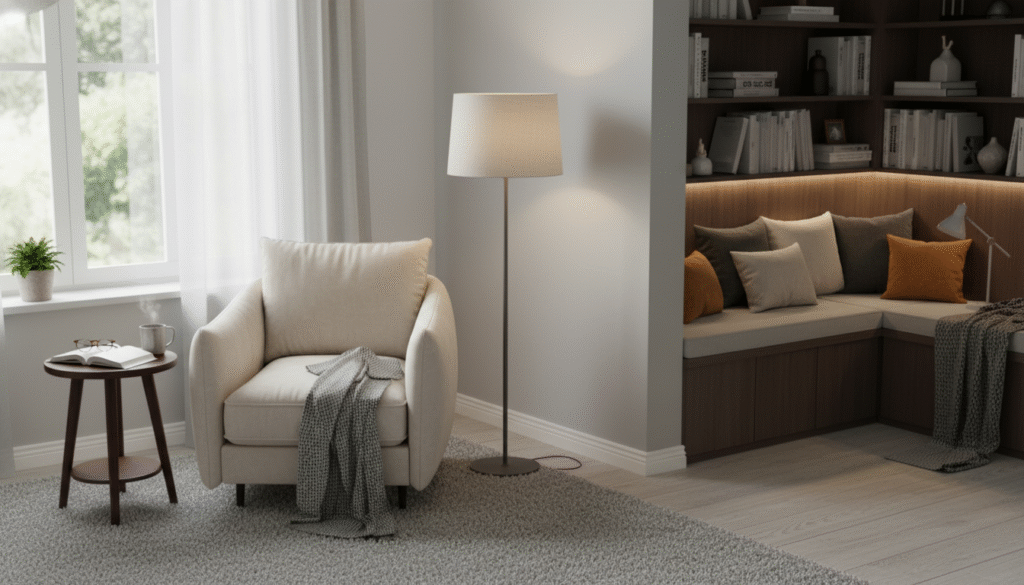
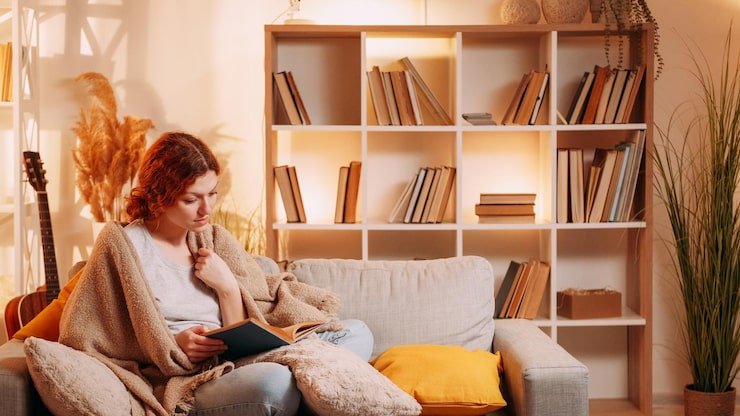
Even in professional spaces, everyone needs a corner for quiet focus or relaxation. Create cozy zones within your library or office using soft seating, warm lighting, and sound-absorbing materials.
For libraries, this might mean plush chairs near windows. In offices, it could be a small lounge area with bean bags or a sofa where you can brainstorm away from your desk.
Zoning adds variety to your space, preventing monotony and helping you stay refreshed.
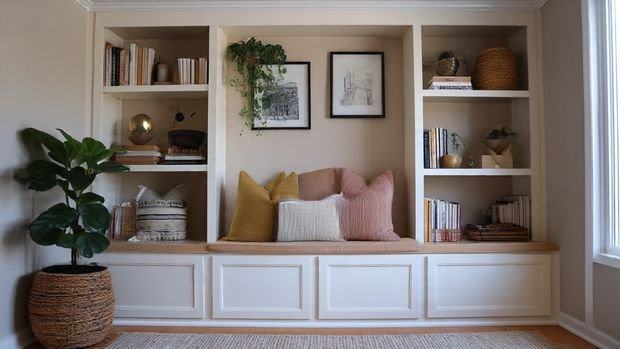
13. Use Built-In Storage for a Clean Look
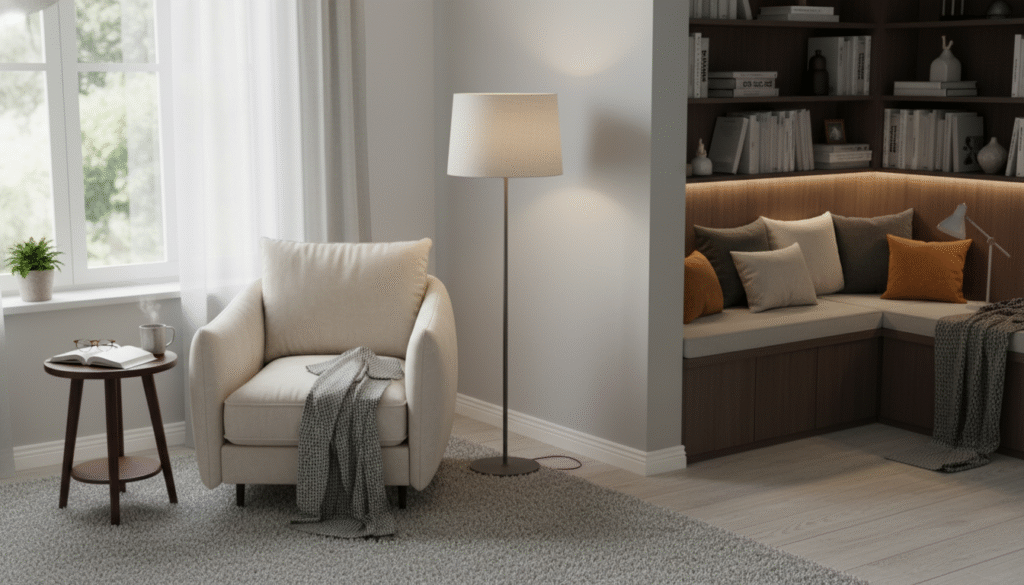
Clutter is the enemy of modern design. Built-in storage helps maintain a polished, streamlined aesthetic while keeping everything you need within reach.
Opt for custom shelving, hidden drawers, and wall-mounted units to store supplies, files, or books.
For a cohesive look, match your storage finishes to your furniture — white or wood tones keep things modern and timeless.
14. Add Acoustic Elements
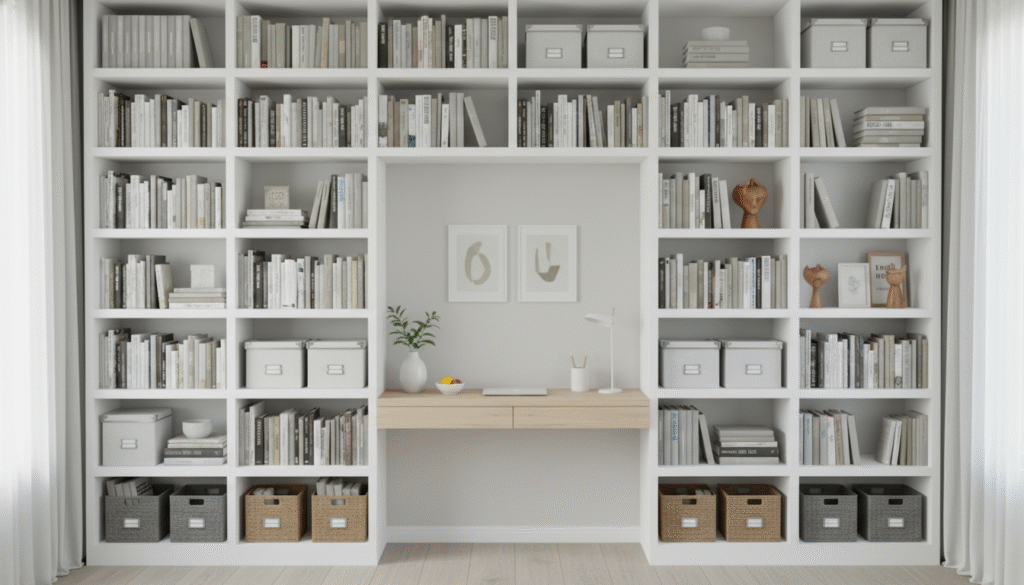
Noise control is essential for focus — especially in shared offices or libraries. Use materials that absorb sound and create a calm atmosphere.
Ideas include:
- Acoustic panels disguised as wall art.
- Thick area rugs to reduce echo.
- Fabric curtains or upholstered chairs for added softness.
Good acoustics enhance concentration and make your space feel tranquil, even when others are around.
15. Highlight Architectural Details
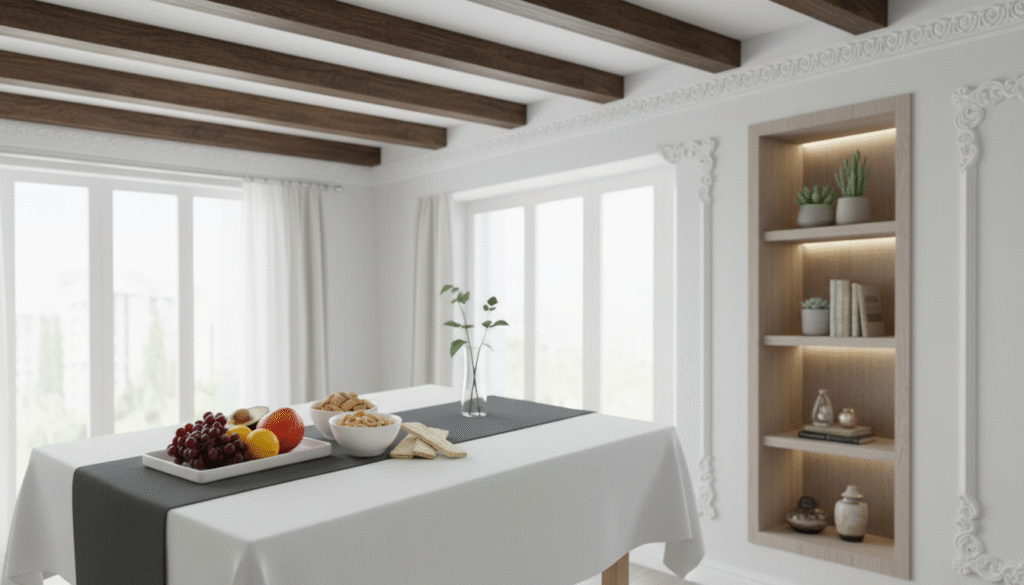
If your space has natural architectural beauty — large windows, exposed beams, or high ceilings — use them to your advantage.
Highlight these features with strategic lighting and simple décor. Modern design values clean lines and open structures, so avoid covering them with heavy curtains or excessive ornamentation.
Let the architecture breathe and become part of the aesthetic story.
16. Use Art as a Design Element
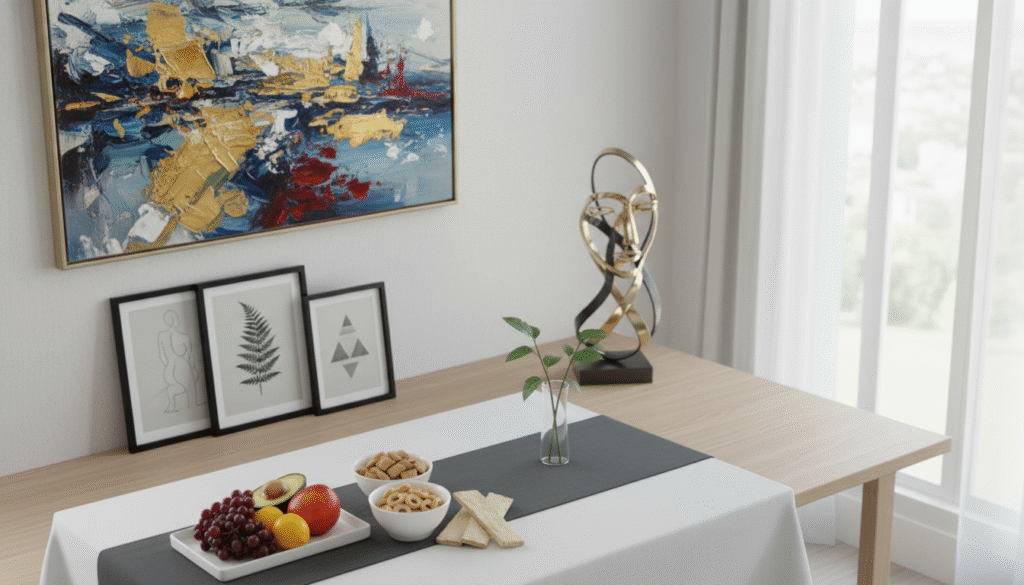
Art isn’t just decoration — it’s an energy source. Well-chosen pieces can set the tone for creativity, calm, or inspiration in your office or library.
Try:
- Large abstract pieces for a bold, modern vibe.
- Black-and-white photography for sophistication.
- Geometric art for structure and focus.
If you prefer minimalism, choose one large statement piece rather than several small ones. The simplicity keeps the space balanced and uncluttered.
17. Incorporate a Neutral Base with Bold Accents
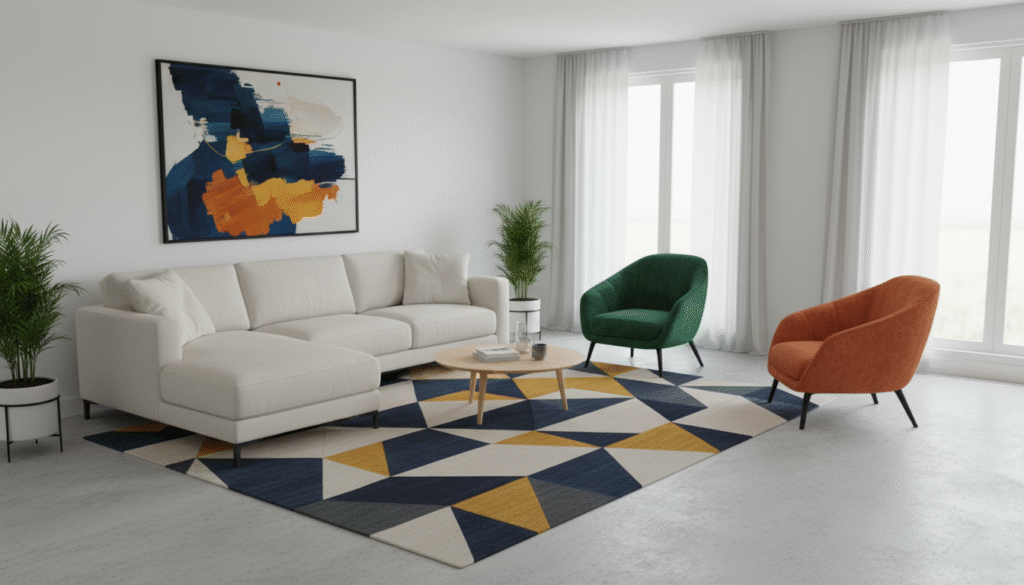
Start with a clean, neutral foundation — white walls, wood furniture, or concrete flooring — and then add bold elements strategically.
A bright chair, colorful rug, or patterned wall art can energize the space without overwhelming it. The contrast between minimalism and creativity is what gives modern design its timeless appeal.
18. Make Use of Vertical Space
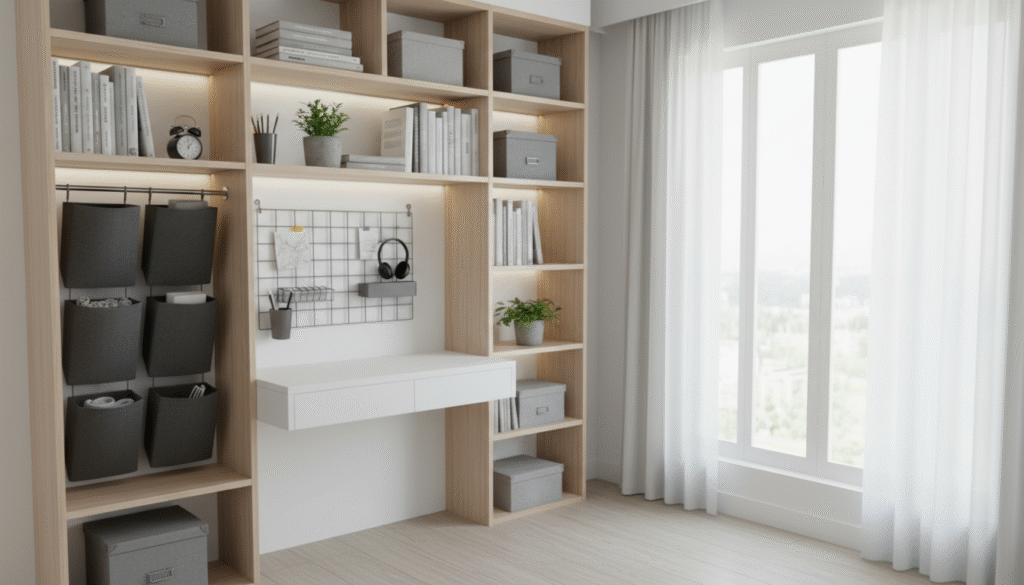
If floor space is limited, go vertical. Use your walls for shelving, pegboards, or mounted organizers. This keeps your workspace tidy and maximizes efficiency.
In a library, vertical shelving systems help display books attractively while saving space. In an office, wall grids or pinboards can organize notes, ideas, or schedules without taking up desk space.
19. Keep a Sense of Flow
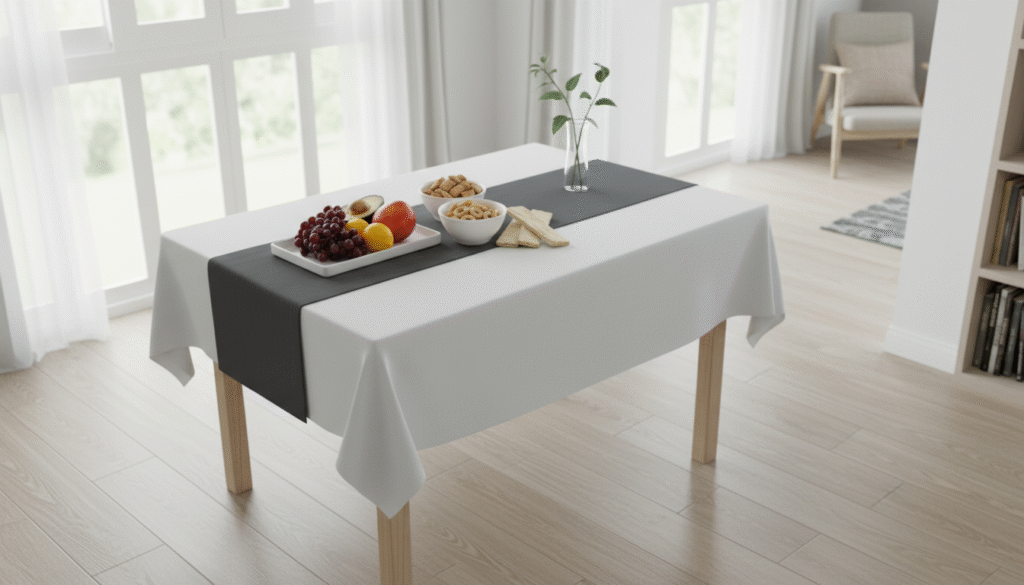
Every modern space should have a sense of flow — a natural progression from one area to another. Avoid overfilling your library or office with too many partitions or mismatched furniture styles.
Keep pathways open, color schemes consistent, and lighting cohesive. The goal is harmony — a space that feels unified and easy to navigate.
20. Balance Beauty and Function
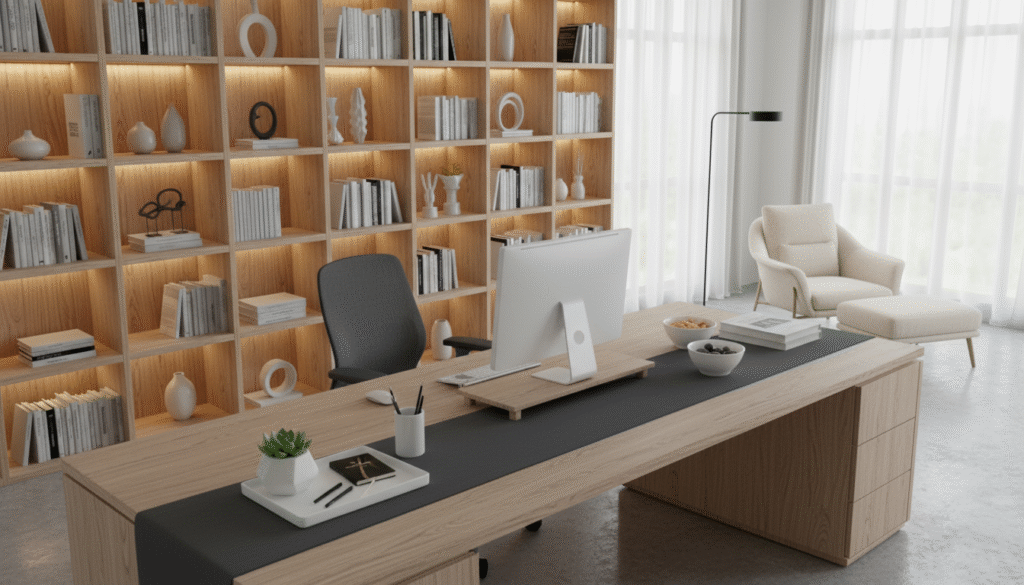
Above all, remember that modern design is about harmony — form and function in perfect balance. A beautiful space should also be practical, comfortable, and built for real living and working.
Choose pieces that look good but serve a purpose. Keep things clean but never cold. Blend sleek materials with soft textures, and technology with a touch of nature.
That’s the essence of modern design — spaces that make you feel good while helping you do your best work.
Final Thoughts
Designing a modern library or office doesn’t have to be complicated. With the right balance of comfort, organization, and smart design, you can create a space that’s both functional and inspiring.
Start with a simple palette, invest in quality furniture, and let natural light and greenery bring the room to life. Focus on flexibility, texture, and intentional details that make the space uniquely yours.
Whether it’s a quiet corner for reading or a full home office setup, these smart design tips will help you create a modern environment where creativity and productivity thrive — beautifully and effortlessly.