How to Decorate Small Spaces Without Clutter
Decorating a small space can feel like a puzzle — you want your home to look stylish, cozy, and functional, but without feeling cramped or messy. The good news? Small spaces don’t have to mean small style. With smart design choices and creative thinking, you can make even the tiniest room feel open, airy, and beautifully put together.
Whether you live in a studio apartment, a compact house, or just have a few cozy rooms, it’s all about balancing simplicity with personality. Here’s how to decorate your small space thoughtfully — creating a home that feels spacious, organized, and completely clutter-free.
1. Start by Decluttering with Intention
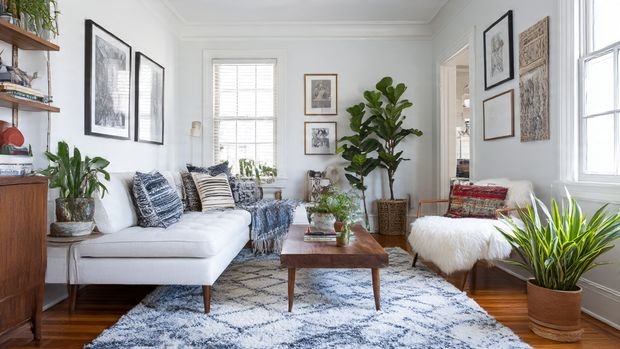
Before you think about decorating, start with a clean slate. Small spaces can quickly look crowded if you hold onto too many items, so the first step is to declutter intentionally.
Go through your belongings and ask yourself:
- Do I use this regularly?
- Does it make me happy or serve a purpose?
- Could I live without it?
Keep what you love and use, and donate or sell what you don’t. The less visual “noise” in your space, the more room there is for design to shine.
Once you’ve decluttered, aim to adopt a minimalist mindset — everything in your home should either serve a function or add beauty. This approach helps prevent clutter from creeping back in.
2. Choose a Light and Airy Color Palette
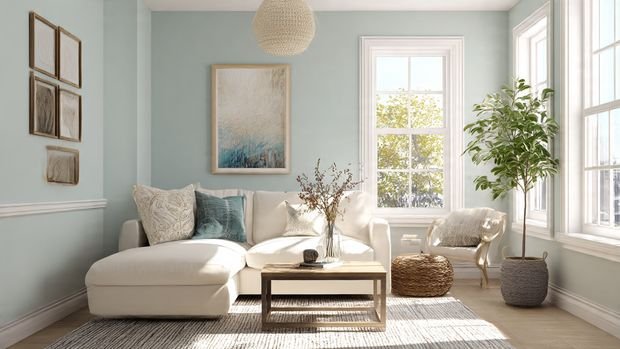
Color has a powerful impact on how big or small a space feels. Lighter tones make rooms appear larger, brighter, and more open, while dark shades can make them feel enclosed.
Stick to soft, neutral colors like white, cream, beige, or light gray for your walls and main furniture pieces. These shades reflect light beautifully, creating an illusion of space.
That doesn’t mean you have to skip color entirely — just use it strategically. Try adding pops of color through:
- Throw pillows or blankets
- Small decorative items
- A single accent wall in a pastel or muted tone
Using one continuous color palette throughout your home also helps tie rooms together, making everything feel cohesive and uncluttered.
3. Opt for Multi-Functional Furniture
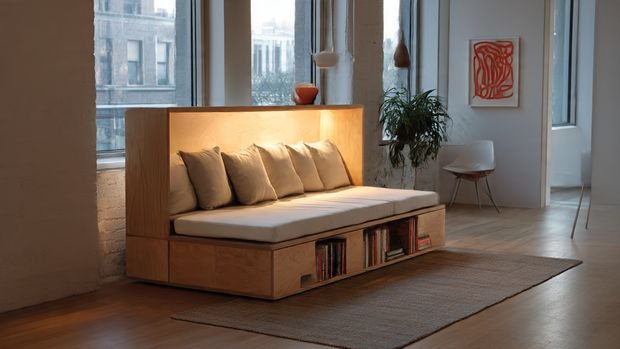
When space is limited, every piece of furniture needs to earn its place. Choose multi-functional pieces that do double duty — stylish and smart.
Some great examples include:
- A sofa bed or daybed for guests
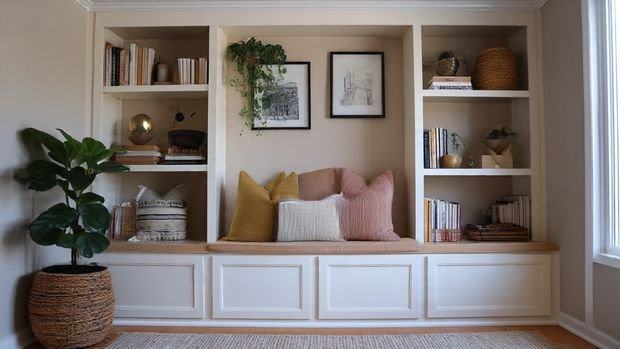
- Ottomans or benches with hidden storage
- A coffee table with drawers or lift-top storage
- Nesting tables that can be tucked away
- A foldable dining table or wall-mounted desk
These pieces keep your home flexible and organized, giving you storage and function without adding visual bulk.
4. Maximize Vertical Space
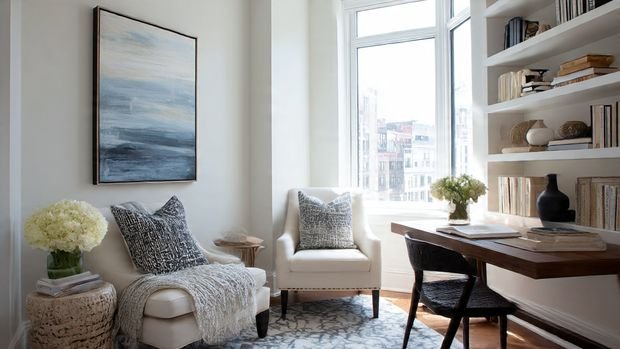
When floor space is limited, think upward. Vertical decorating draws the eye higher and gives you more room to work with.
Ideas to make the most of your walls:
- Install floating shelves for books, décor, or plants.
- Use tall cabinets or bookcases to take advantage of ceiling height.
- Hang hooks or pegboards for coats, bags, or kitchen tools.
- Add wall-mounted lighting instead of bulky lamps.
Even a small room can feel taller and more spacious when you make smart use of vertical storage and design.
5. Use Mirrors to Create Light and Depth
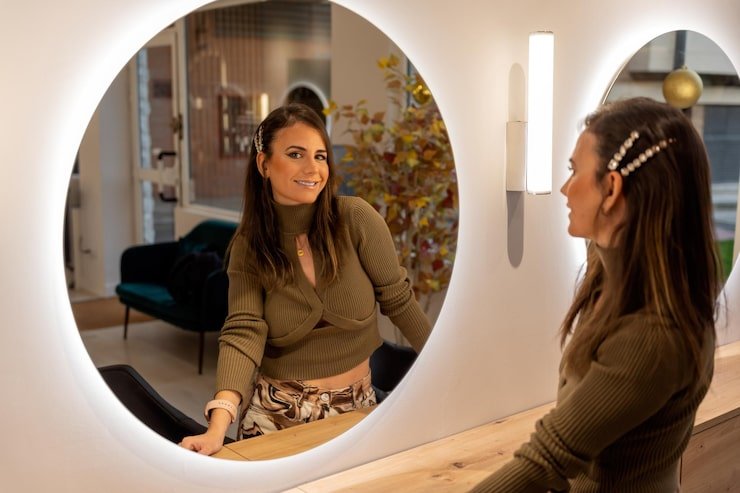
Mirrors are one of the simplest ways to make a small room look bigger. They reflect light, create depth, and make spaces feel more open.
You can:
- Place a large mirror opposite a window to double the natural light.
- Use mirrored furniture or décor to subtly bounce light around the room.
- Hang a decorative mirror as a focal point instead of art.
Just be mindful of placement — mirrors work best when reflecting something attractive, like a window, plant, or soft lighting.
6. Keep Surfaces Clean and Clear
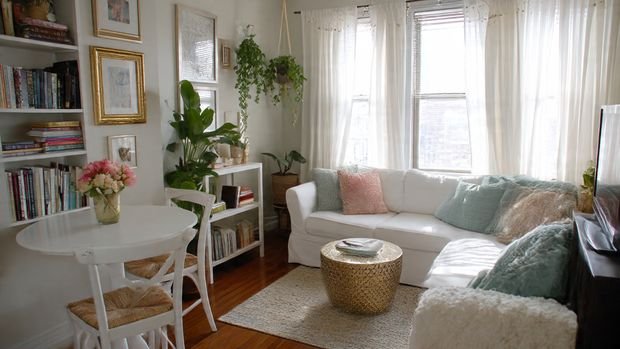
Flat surfaces — countertops, tables, dressers — can quickly become clutter magnets. In small spaces, even a few misplaced items can make the entire room feel messy.
Make it a habit to keep surfaces clean and minimal. Display only a few decorative items that bring joy or personality.
A simple rule: if something doesn’t serve a daily purpose or make you happy to look at, it probably doesn’t belong on the surface.
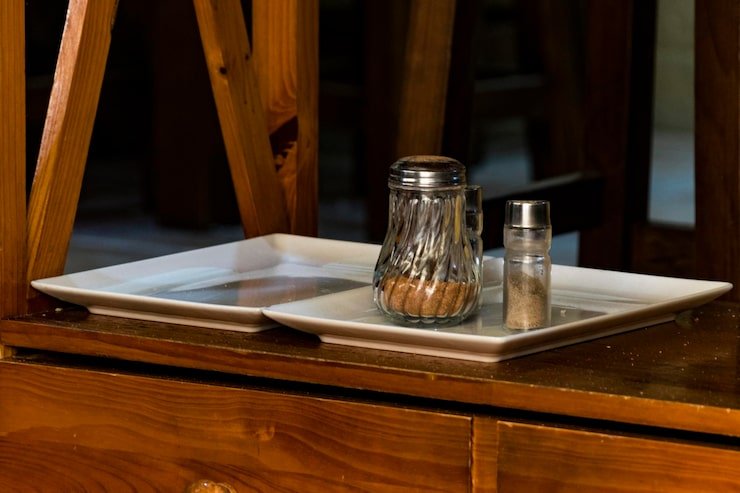
Try using trays to group smaller items (like candles or skincare products) for a neater look. Grouping objects together creates visual order, even when they’re decorative.
7. Choose the Right Scale of Furniture
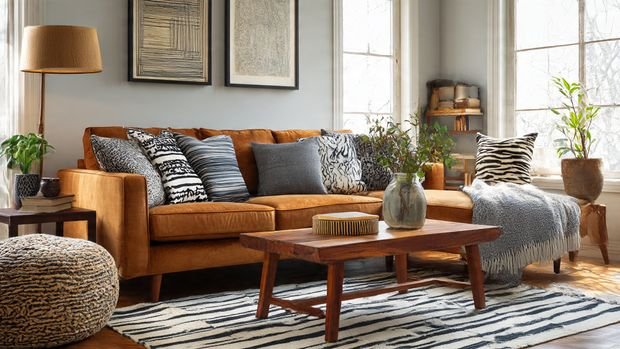
In small spaces, proportion matters. Oversized furniture can make a room feel cramped, while tiny pieces can look awkward and cluttered.
When choosing furniture:
- Measure your space carefully before buying.
- Leave enough walking space around each piece.
- Opt for slim, streamlined silhouettes instead of bulky designs.
- Choose leggy furniture (like chairs or sofas on raised legs) to create visual openness.
Glass or acrylic furniture is another clever choice — it takes up less visual space, keeping the room feeling light and spacious.
8. Add Texture Instead of Clutter
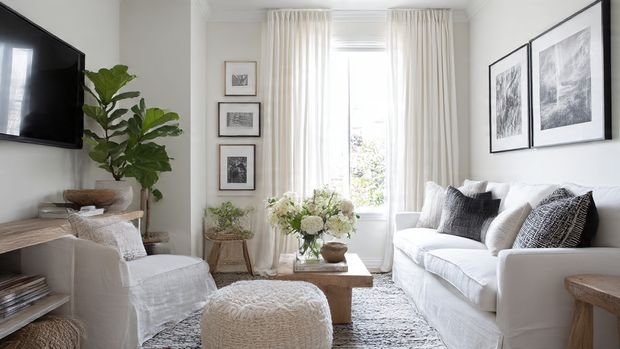
If you love decorating but want to avoid overcrowding your space, use texture instead of too many objects.
Mixing textures adds warmth and depth without clutter. For example:
- A soft wool throw over a linen sofa
- A woven basket beside a sleek coffee table
- A jute rug layered under smooth wood floors
You can mix materials like wood, metal, glass, and fabric to make your room feel interesting and complete — no extra “stuff” needed.
9. Use Smart Storage Solutions
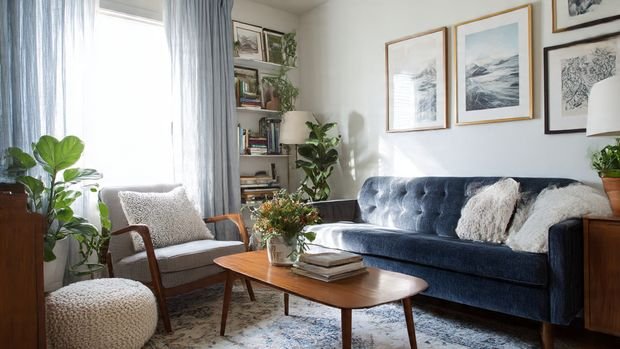
Storage is essential in small spaces — but it doesn’t have to look boring. The goal is to hide the mess while keeping it easy to access.
Try these space-saving storage ideas:
- Under-bed drawers or boxes for clothes or linens.
- Floating cabinets in bathrooms or entryways.
- Woven baskets for blankets, toys, or everyday essentials.
- Decorative boxes or bins that blend with your décor.
- Hooks behind doors for bags, hats, or towels.
Built-in storage is also a great investment if possible — it maximizes space while keeping everything sleek and organized.
10. Create Visual Zones
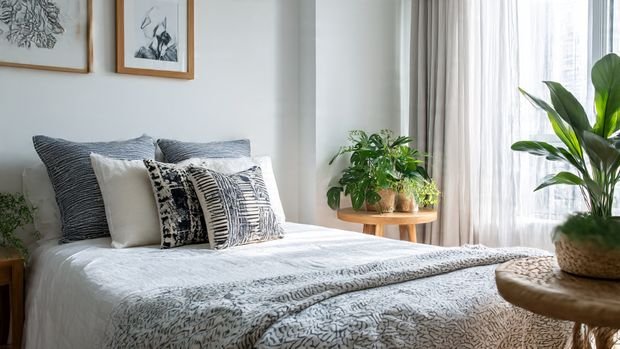
Open-concept small spaces can sometimes feel chaotic if everything blends together. The trick is to create zones using subtle design elements.
You can separate areas visually without walls by:
- Using area rugs to define living or dining spaces.
- Arranging furniture strategically to “frame” each zone.
- Hanging pendant lights to highlight certain areas.
- Changing wall color slightly between zones for gentle contrast.
Defining each section helps your small home feel organized and intentional rather than crowded.
11. Choose Décor with Meaning
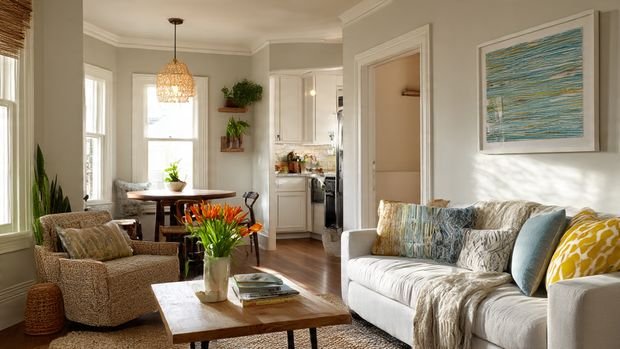
In a small space, every item counts — so decorate with purpose and personality. Instead of filling shelves with random décor, choose meaningful pieces that tell a story or bring you joy.
Display a few favorite books, framed photos, travel souvenirs, or handmade pottery. A few curated pieces make a stronger impact than a collection of many unrelated items.
This approach keeps your home clutter-free while giving it warmth and individuality.
12. Incorporate Natural Elements
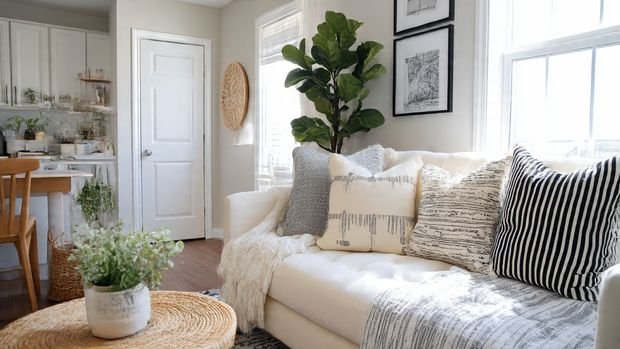
Nature instantly brings a sense of calm and openness to any space. Even the smallest room benefits from a touch of green.
Add life with:
- Small potted plants or hanging planters.
- Dried flowers or pampas grass for low-maintenance charm.
- Wooden accents or woven baskets for organic warmth.
Plants not only improve air quality but also break up harsh lines, making a space feel softer and more inviting.
13. Use Lighting to Open Up the Space
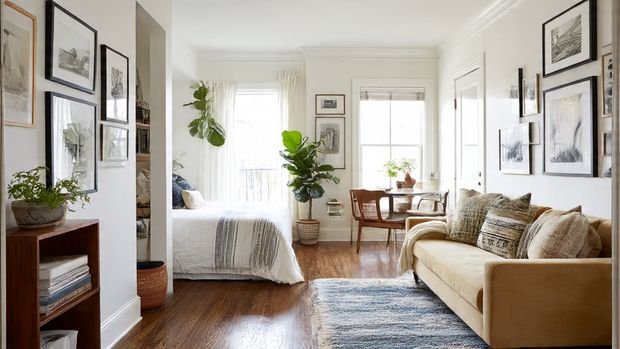
Lighting plays a huge role in how large or small a room feels. Poor lighting makes spaces seem closed in, while layered lighting creates depth and dimension.
Combine different types of lighting:
- Ambient lighting: soft overhead or recessed lights.
- Task lighting: lamps for reading, cooking, or working.
- Accent lighting: fairy lights, wall sconces, or LED strips for atmosphere.
Avoid harsh white light — warm tones create a cozy, relaxing ambiance that enhances small spaces beautifully.
14. Go Vertical with Décor
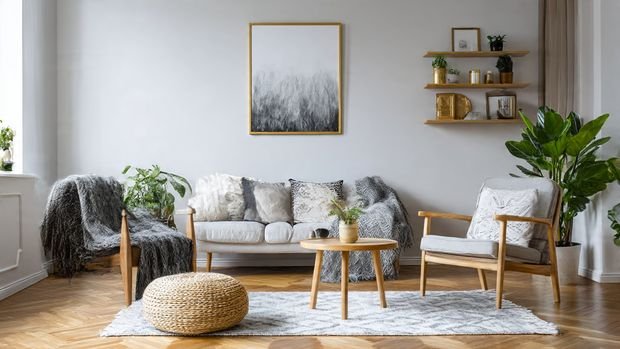
Don’t limit décor to eye level — think upward. Hanging art or plants higher draws the eye up and makes walls feel taller.
Try:
- Tall bookshelves or gallery walls that reach toward the ceiling.
- Floor-to-ceiling curtains (even if your windows are small).
- Vertical mirrors or long wall art.
This visual trick makes rooms feel more spacious and adds sophistication to even the smallest apartment.
15. Embrace Minimalism with Personality
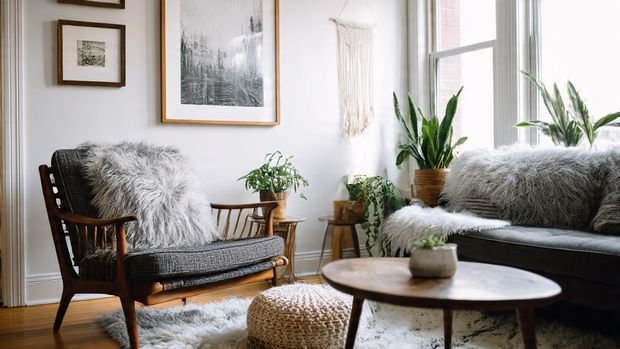
Minimalism doesn’t mean empty. It means intentional. It’s about surrounding yourself with things that serve a purpose or bring happiness.
In small spaces, minimalism works because it prevents visual clutter. But you can still show your personality through:
- A bold piece of art
- A statement rug
- A few well-chosen decorative objects
Focus on quality over quantity. One striking piece can say more than ten small ones competing for attention.
16. Keep Floors Clear
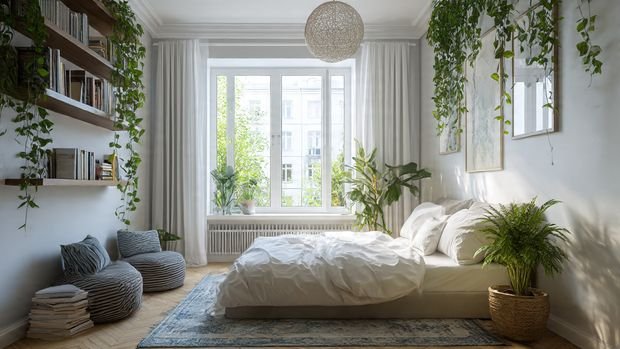
A cluttered floor can instantly make a space feel smaller. Keep things elevated whenever possible — wall-mounted storage, floating furniture, and open-legged pieces help create visual breathing room.
Avoid placing too many small rugs or baskets directly on the floor; instead, keep pathways open and airy. The more visible floor space you have, the larger your room will appear.
17. Add Personality Through Soft Elements
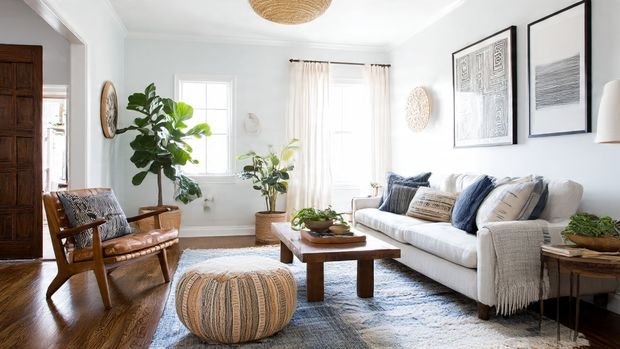
Soft décor items like pillows, rugs, and curtains can add warmth and personality without crowding your room.
Use textiles to introduce color and pattern subtly. Layer throw pillows or a cozy blanket on your sofa, or choose a rug that ties your color palette together.
These elements add comfort and character while keeping clutter minimal.
Final Thoughts
Decorating small spaces without clutter is all about intentional design and smart choices. When you focus on simplicity, balance, and function, even the tiniest home can feel open, airy, and stylish.
Start by decluttering, then build your space layer by layer — choosing colors that expand the room, furniture that works hard, and décor that reflects your personality. Use light, texture, and organization to create harmony and flow.
Remember, your goal isn’t to fill the room — it’s to curate it. Small spaces shine brightest when every item feels chosen, every corner feels open, and every detail serves a purpose.
With thoughtful planning and creative touches, you can turn your compact home into a beautifully balanced space that feels spacious, cozy, and perfectly you.