Design Tips to Make the Most of Open Space Living
Open space living has become one of the most popular design trends in modern homes — and for good reason. An open-plan layout brings a sense of freedom, flow, and connection. It allows light to travel, air to circulate, and conversations to move seamlessly from one space to another.
But while open living areas look stylish and spacious, they can also be tricky to decorate. Without walls to define rooms, you need smart design strategies to make your space functional, comfortable, and visually cohesive.
Whether you live in a studio apartment or a large family home, these simple and effective design tips will help you make the most of your open space living — balancing beauty, practicality, and flow.
Understanding Open Space Living
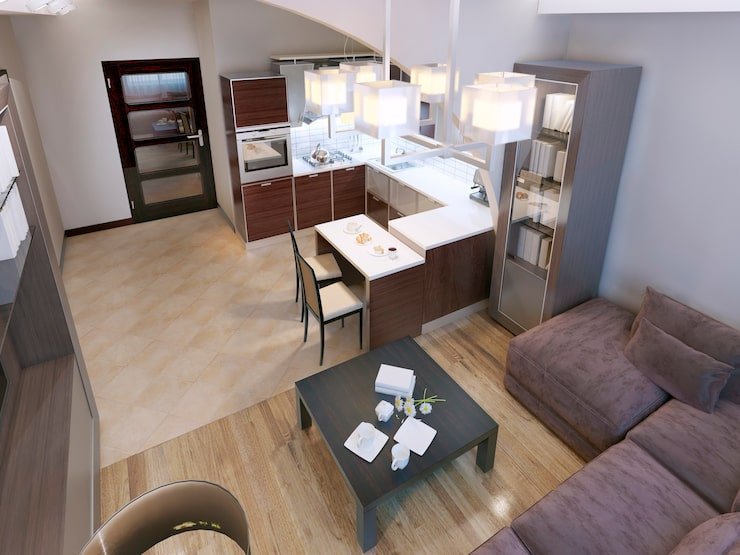
Open space living typically combines the kitchen, dining, and living areas into a single, expansive space without walls or doors separating them. The concept is all about connection and versatility — creating one large, welcoming area where you can cook, relax, entertain, and spend time together.
The challenge, however, is that without clear boundaries, an open space can sometimes feel too vast, cluttered, or chaotic. Successful open-plan design requires careful planning to maintain harmony and function without losing warmth and personality.
1. Define Each Zone with Purpose
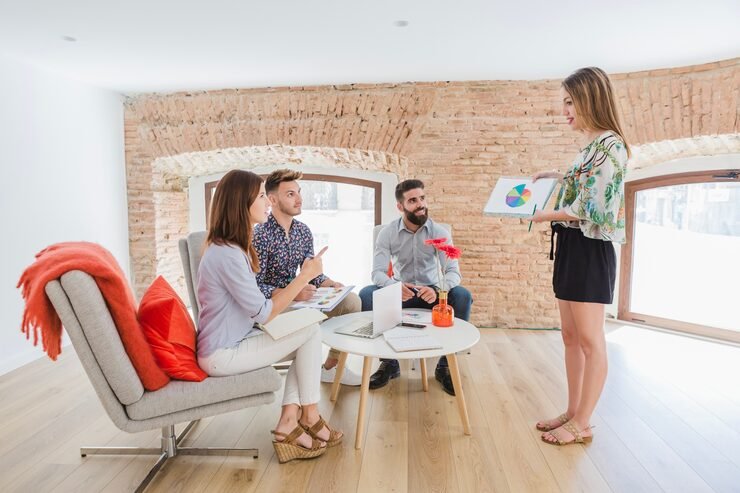
In an open floor plan, it’s easy for all areas to blend together — but defining “zones” helps you organize your space and keep it functional.
Think of your open space as multiple rooms within one large area. Each zone should serve a purpose, such as:
- A cozy living area for relaxation and entertainment
- A dining zone for family meals or gatherings
- A kitchen workspace that still feels connected to the rest of the home
You can define zones subtly using furniture placement, rugs, or lighting — no walls required.
Tip: Use area rugs to anchor each space. For example, place a rug under your sofa and coffee table to frame your living area, or a smaller one under your dining table to mark that section clearly.
2. Use Furniture to Create Natural Dividers
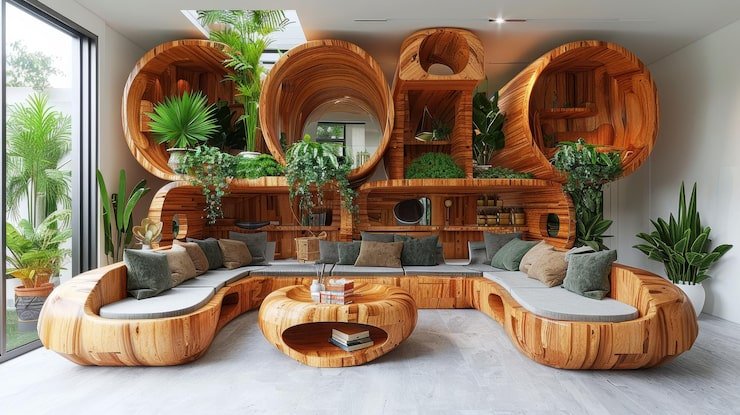
When you don’t have walls, furniture becomes your best design tool for creating structure. Strategic placement can separate areas without blocking the open flow.
Try these simple tricks:
- Position a sofa with its back facing the dining or kitchen area to divide the space naturally.
- Use a console table or low bookshelf behind the sofa as both a divider and a decorative display.
- Add a kitchen island or breakfast bar to define your cooking area while keeping an open feel.
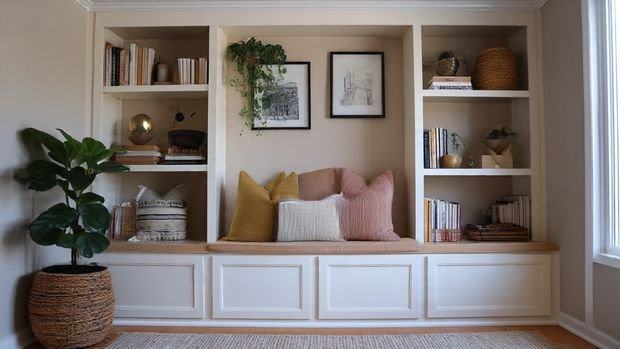
- Use open shelving to create partial separation between zones without making the room feel boxed in.
These furniture-based boundaries help organize your layout while maintaining connection and visibility.
3. Keep a Consistent Color Palette
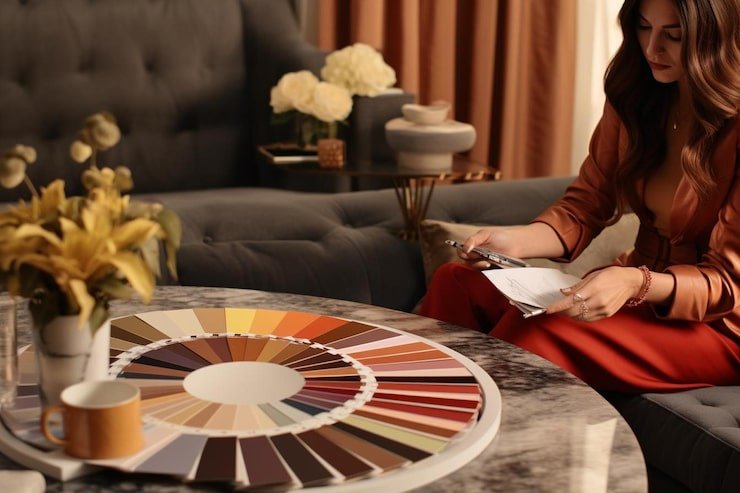
Color plays a huge role in making open space living feel cohesive. Since all areas are visible at once, a consistent color scheme creates flow and visual harmony.
Choose a neutral or soft base color for walls and larger furniture pieces, then add accent tones through décor, cushions, rugs, or artwork.
For example:
- Use warm neutrals like beige, taupe, and ivory for a cozy, timeless feel.
- Add earthy tones like olive green, rust, or terracotta for depth.
- For a modern touch, go with grays, whites, and muted blues paired with natural wood.
The key is to maintain continuity — different zones can express personality, but they should feel like part of one story.
4. Layer Your Lighting
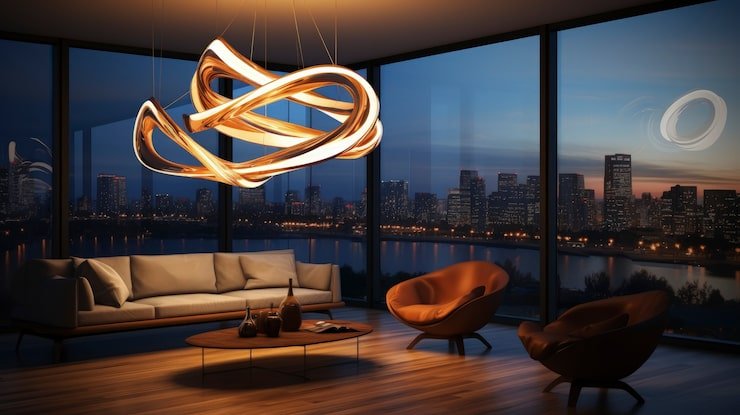
Lighting is one of the most powerful tools in open-plan design. It not only enhances the mood but also helps define zones and add structure to a large space.
Use a mix of:
- Ambient lighting (like ceiling fixtures or recessed lights) to provide overall brightness.
- Task lighting (such as pendant lights over a kitchen island or reading lamps near the sofa) for specific activities.
- Accent lighting (like wall sconces or spotlights) to highlight artwork or architectural features.
Layered lighting creates visual balance and gives each zone its own personality.
Tip: Use dimmers to adjust brightness based on the time of day or activity — soft light in the evening instantly makes open spaces feel cozy and intimate.
5. Balance Open Flow with Coziness
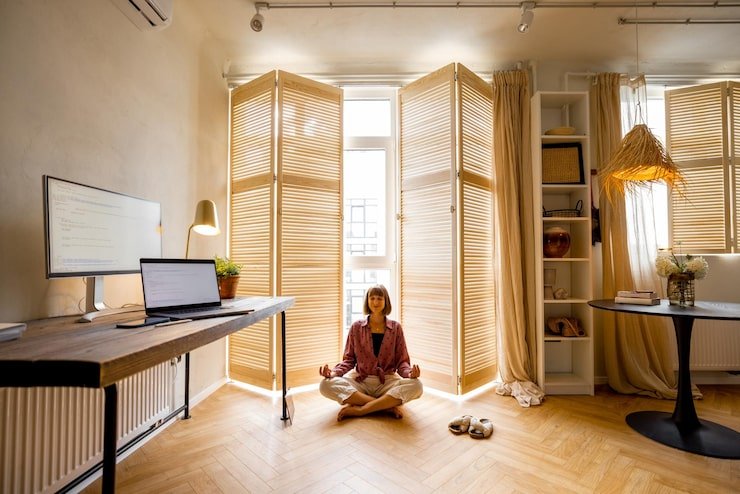
The beauty of open living is space — but too much openness can sometimes feel impersonal. To make your area warm and inviting, focus on texture and comfort.
Add cozy touches like:
- Soft throw blankets and cushions on your sofa
- Area rugs to define and soften hard flooring
- Linen or cotton curtains to frame windows
- Plants and natural elements to add life and warmth
These tactile elements create balance — maintaining the airy, open feel while making the space feel comfortable and lived-in.
6. Choose Multi-Functional Furniture
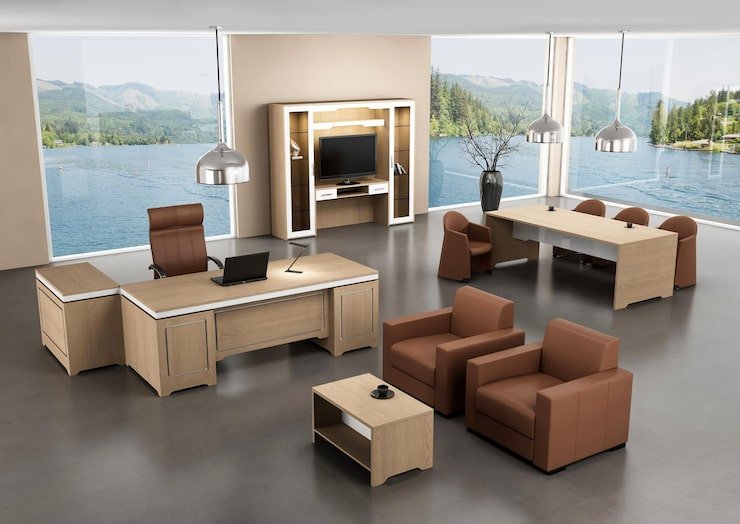
In open layouts, every piece of furniture matters. To keep your space clutter-free and practical, opt for multi-functional or space-saving pieces.
Consider:
- Storage ottomans that double as coffee tables
- Extendable dining tables for flexibility
- Sectional sofas that can divide zones and seat more people
- Benches with built-in storage for extra seating
These smart furniture choices help maximize your space while keeping it stylish and functional.
7. Keep the Floor Plan Simple and Fluid
One of the biggest advantages of open living is easy movement. Avoid overfilling your space or placing furniture where it interrupts natural traffic flow.
Think about how people will move from one zone to another — from kitchen to dining, from sofa to hallway — and keep those paths clear.
A good rule of thumb: leave at least three feet of space for comfortable walking areas. Arrange furniture in a way that encourages conversation and connection, not isolation.
8. Create Visual Connection Between Spaces
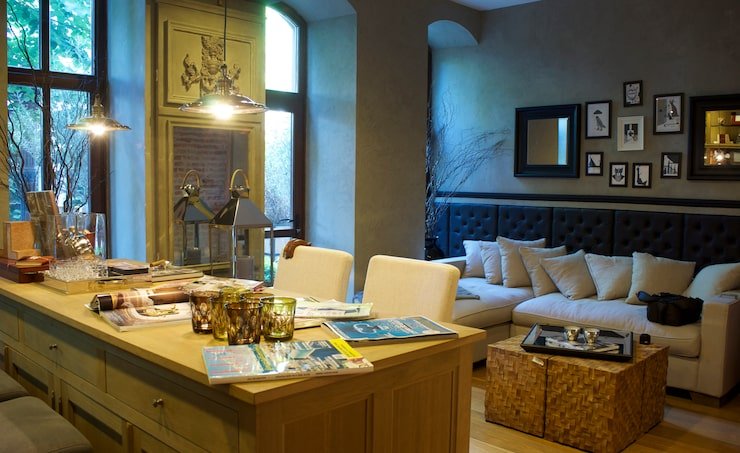
Since open-plan areas are all connected, design elements should tie them together visually. Small details can make a big difference.
For example:
- Repeat similar materials (like wood or metal finishes) across zones.
- Use matching or complementary lighting fixtures.
- Carry through accent colors in accessories like cushions, rugs, or art.
- Display similar textures (like woven baskets, ceramics, or linen fabrics) throughout.
These repeated elements create continuity, helping your open space feel cohesive rather than disjointed.
9. Use Vertical Space Wisely
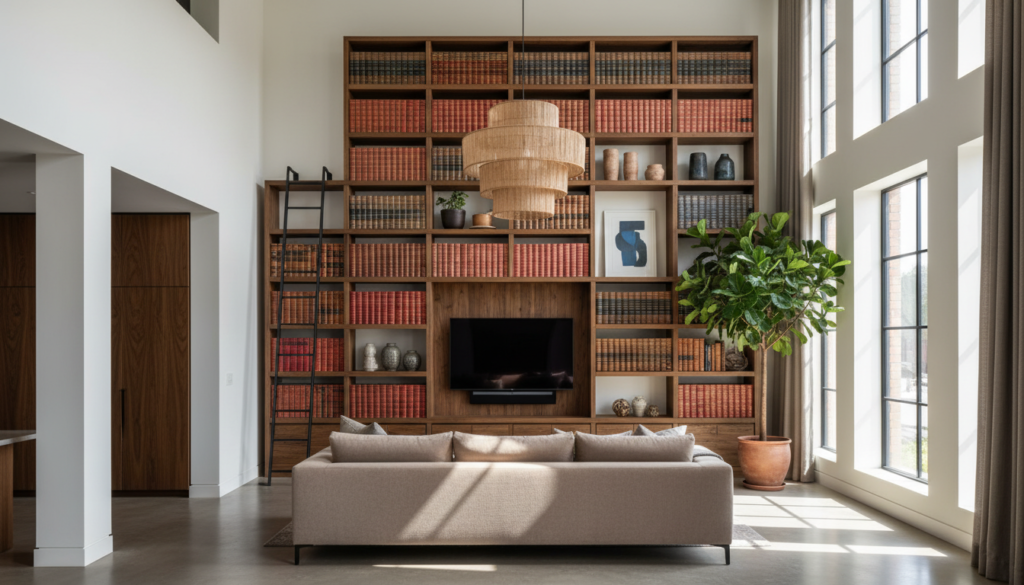
In open homes, walls can sometimes feel minimal — but your vertical space is valuable for both design and function.
Make use of it by:
- Adding floating shelves to display books, art, or plants
- Hanging tall mirrors to reflect light and make the room feel even larger
- Using floor-to-ceiling curtains to elongate your space visually
- Installing tall cabinets or open shelving to store items neatly without cluttering the floor
Vertical design draws the eye upward and helps balance large open rooms beautifully.
10. Incorporate Natural Light and Greenery
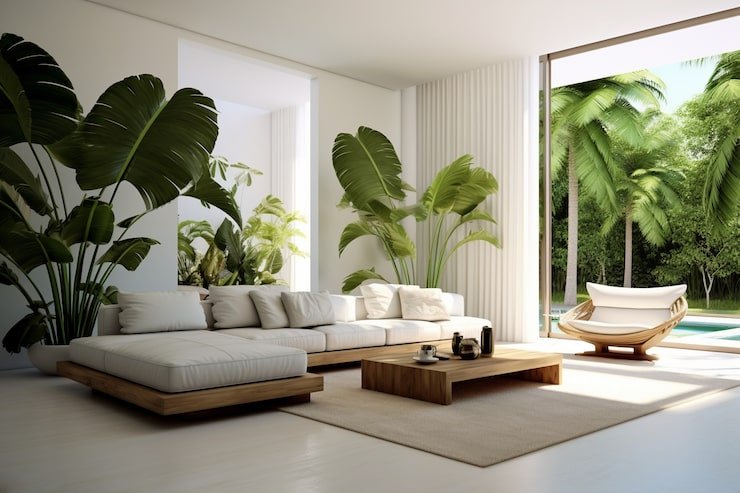
One of the biggest advantages of open layouts is how well they embrace light. Keep windows clear, avoid heavy drapes, and use sheer curtains to let sunshine in.
Add greenery to complement the openness — houseplants like fiddle leaf figs, snake plants, or hanging vines thrive in open spaces and help purify the air.
For a cohesive look, place similar plant varieties in different zones to create a sense of connection throughout the room.
11. Manage Noise and Acoustics
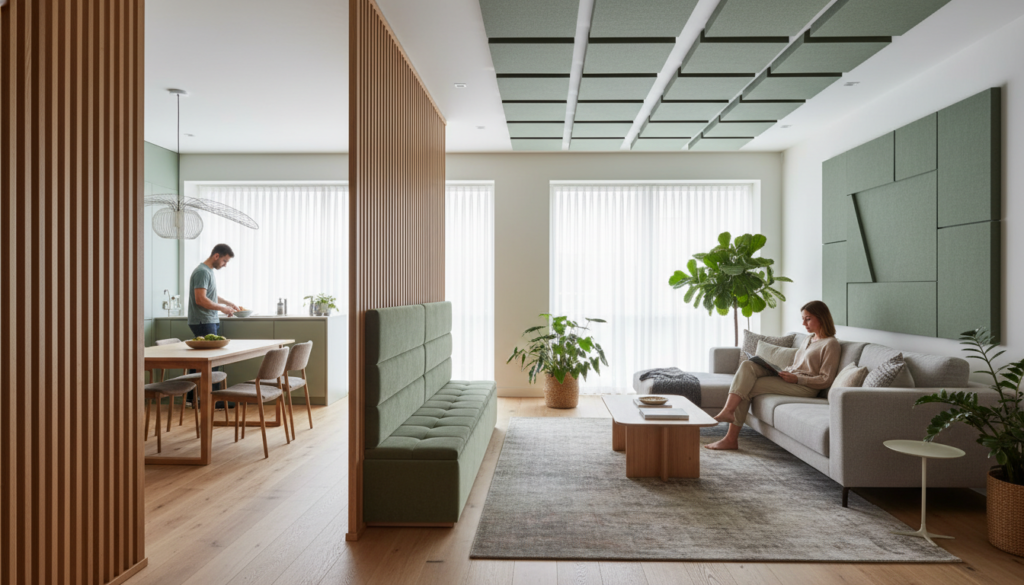
Open layouts can sometimes make sound travel easily. If your home feels echoey or noisy, you can soften the acoustics with a few clever additions.
Try these solutions:
- Add rugs and runners to absorb sound.
- Use fabric upholstery instead of leather or vinyl.
- Hang curtains or wall art to reduce echo.
- Place bookshelves or room dividers strategically to break up sound waves.
These small design tweaks help maintain peace and comfort without sacrificing style.
12. Add Personal Touches
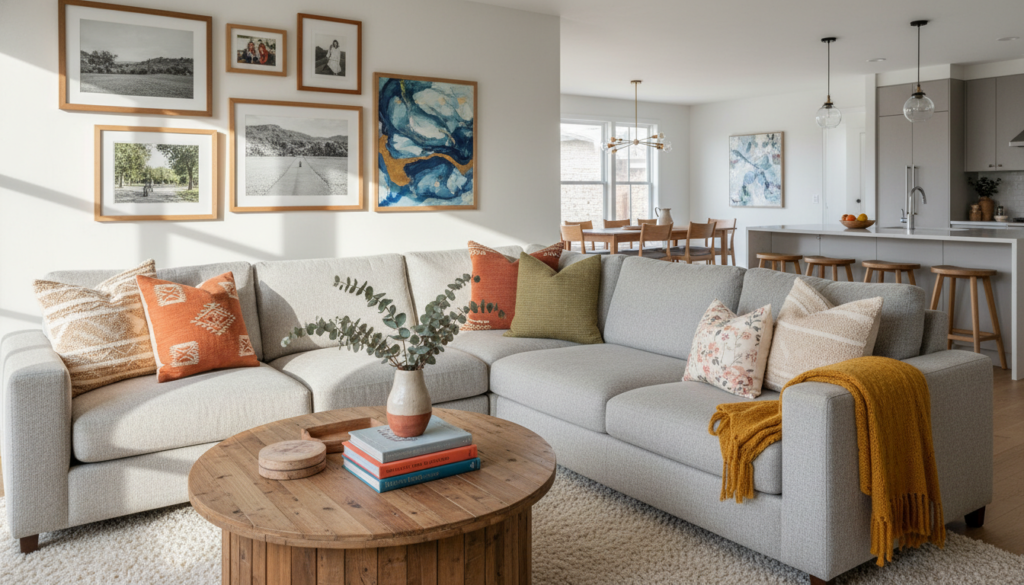
The best open spaces reflect the people who live in them. Add décor that feels personal and meaningful — not just what looks trendy.
Display family photos, travel souvenirs, or handmade ceramics on open shelves. Choose art that resonates with you, and mix vintage and modern pieces for character.
Open space doesn’t mean impersonal — it’s the perfect canvas to showcase your personality.
13. Keep Clutter Out of Sight
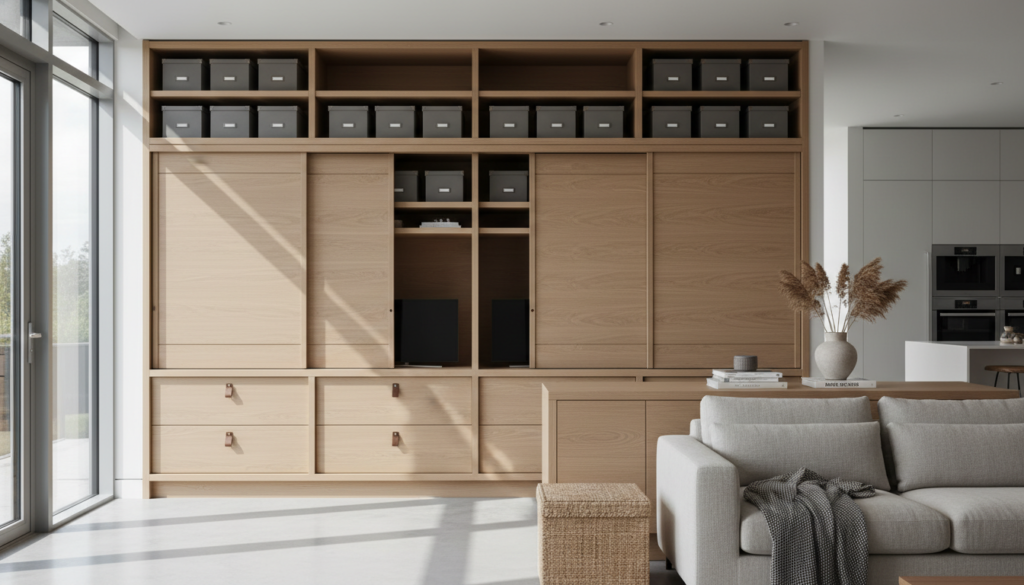
Because everything is visible in an open-plan home, clutter can quickly ruin the look. Make storage a top priority.
Use furniture with built-in storage — ottomans, sideboards, or benches — to hide everyday items. Add woven baskets or decorative boxes to keep things organized.
Even your kitchen can stay neat with smart storage: closed cabinets, pull-out drawers, and a tidy countertop make all the difference.
A clean, uncluttered open space always looks larger and more elegant.
14. Blend Modern Design with Character
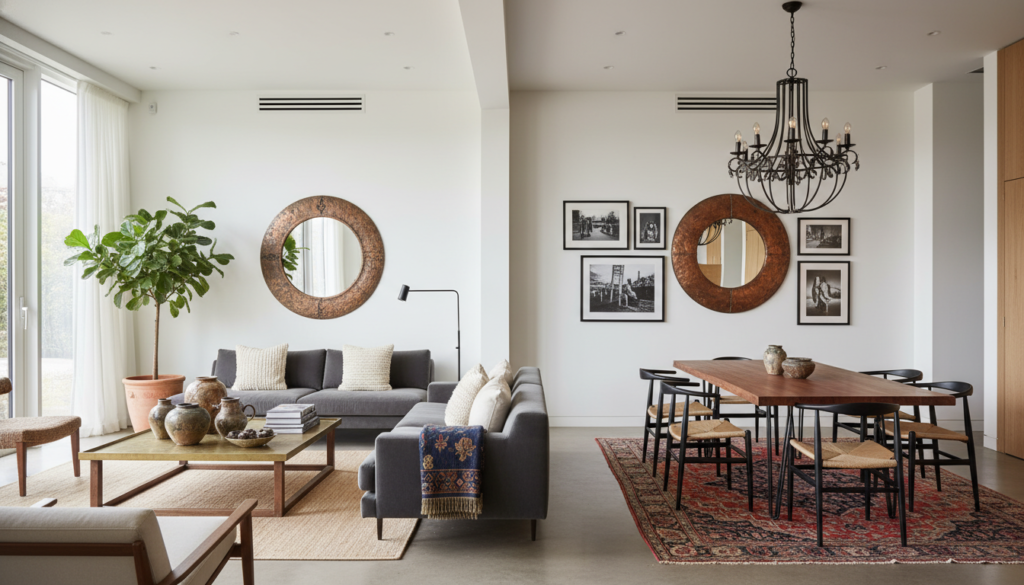
While open layouts often feel contemporary, you can mix in character elements to add charm and warmth.
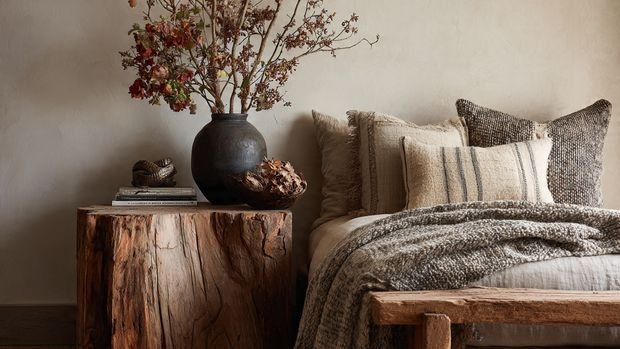
Try exposed wooden beams, brick walls, or reclaimed wood furniture to bring in texture. Vintage rugs, rustic lighting, or woven décor can also soften a sleek space.
The balance between modern minimalism and timeless charm is what makes an open home truly inviting.
15. Create a Focal Point
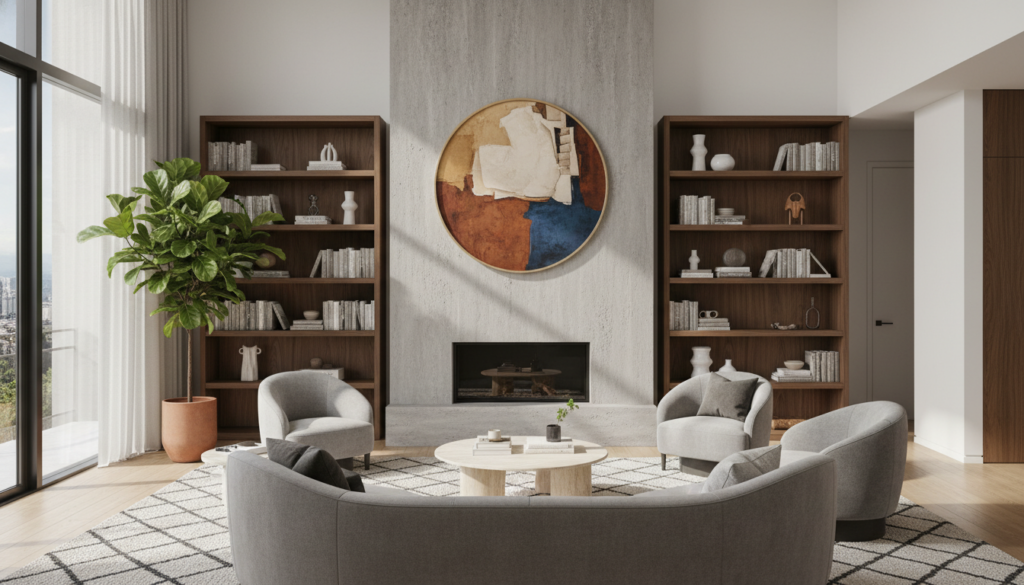
Every open space needs at least one focal point — something that draws attention and anchors the room.
This could be:
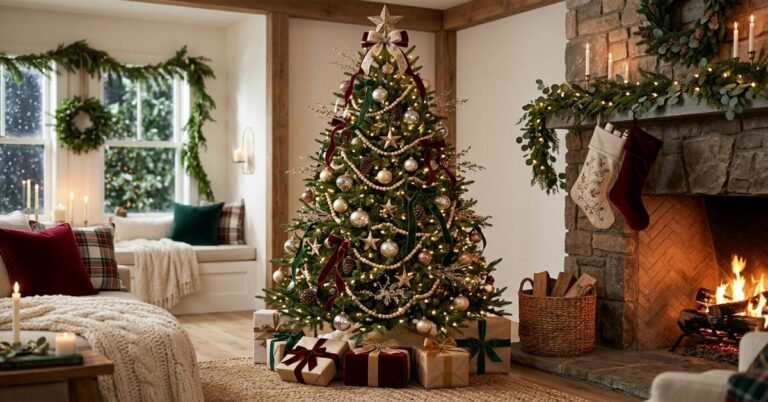
- A fireplace with a striking mantel
- A large piece of artwork
- A statement light fixture above the dining area
- A bold rug or furniture piece
A focal point gives your space direction and helps visually organize the flow of the room.
Final Thoughts
Open space living is all about balance — between connection and comfort, style and functionality. With thoughtful design, you can make even the largest, most open rooms feel cozy, cohesive, and full of life.
Start by defining zones, maintaining color consistency, and choosing furniture that creates natural flow. Layer your lighting, add texture, and personalize your space with meaningful touches.
Whether your home is modern, rustic, or somewhere in between, these design tips will help you make the most of every corner — turning your open floor plan into a warm, inviting, and effortlessly elegant space.
Because in the end, the best open homes aren’t just about space — they’re about how beautifully that space works for you.