
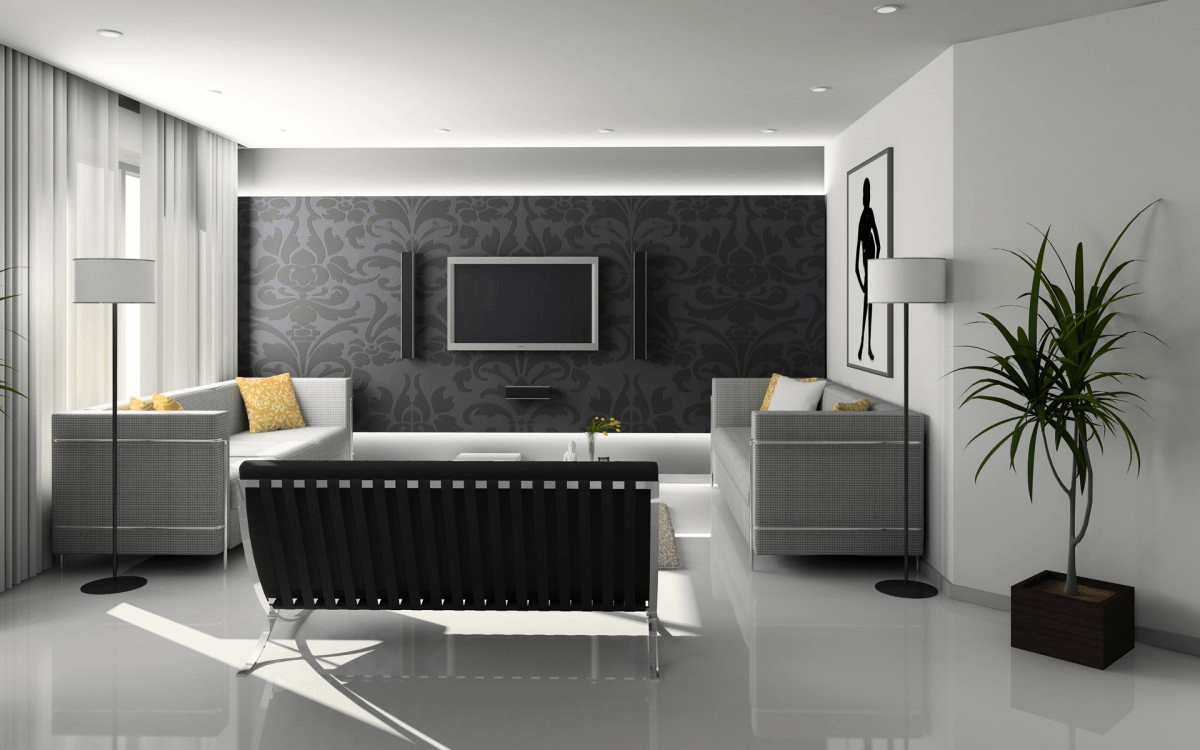
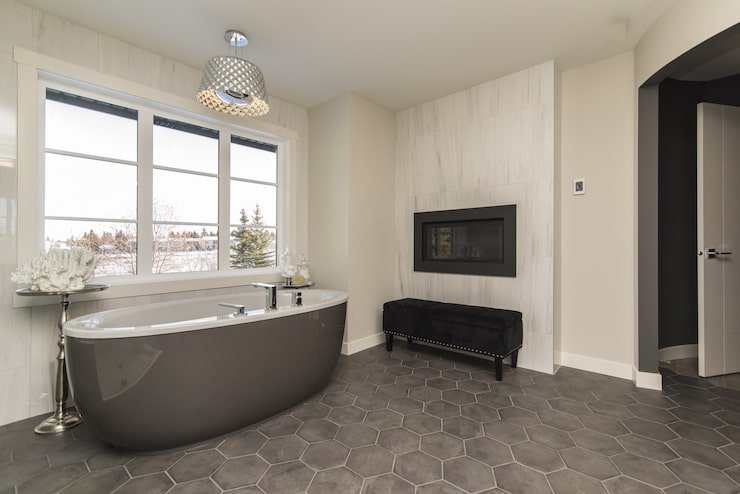
Investing in the right bathroom flooring is one of the most effective ways to boost your home’s resale value and attract high-paying buyers. A bathroom renovation consistently offers one of the highest returns on investment (ROI) in home improvements, and the flooring choice is central to this success. Buyers are not just looking for aesthetics; they are primarily focused on durability, water resistance, and low maintenance—qualities that promise longevity and minimal hassle.
Choosing the ideal floor means finding a balance between high-end style and practical functionality in a high-moisture environment. The wrong choice—like standard hardwood or laminate—can not only detract from your home’s value but also signal a potential maintenance nightmare to a prospective buyer.
This comprehensive guide breaks down the top flooring options that maximize home value, detailing why they appeal to buyers and offering expert tips for installation and design that further increase your property’s appeal.
I. Buyer Priorities: What Drives Value in Bathroom Flooring?
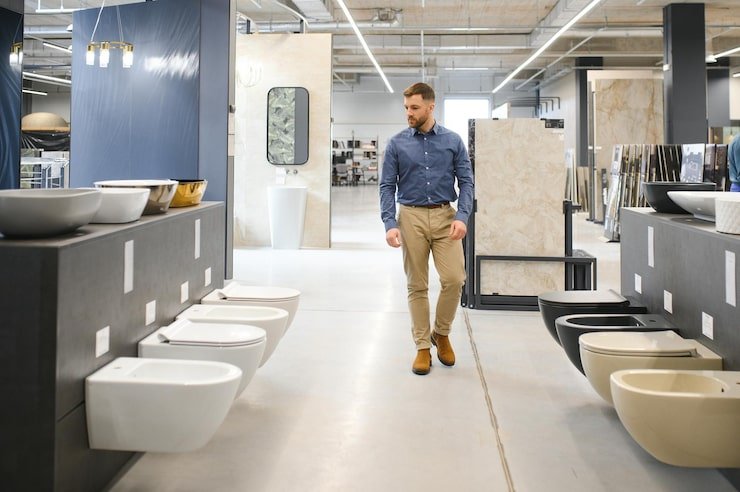
To select flooring that truly boosts your home’s value, you must understand the criteria that modern buyers prioritize when evaluating a bathroom:
1. Unwavering Water Resistance (The Absolute Must-Have)
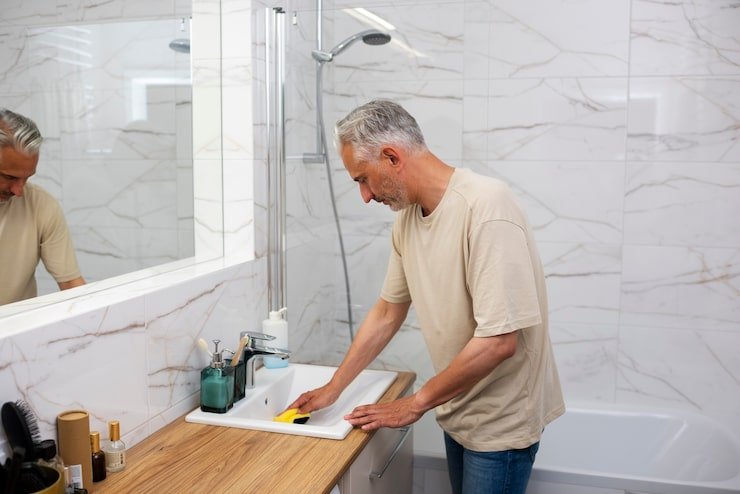
The bathroom is the wettest room in the house. Buyers will immediately discount a property if the flooring shows signs of water damage (warping, mold, mildew) or is made of a material known to absorb moisture. The best flooring should be 100% waterproof or extremely water-resistant to withstand splashing, high humidity, and potential leaks.
2. Exceptional Durability and Longevity
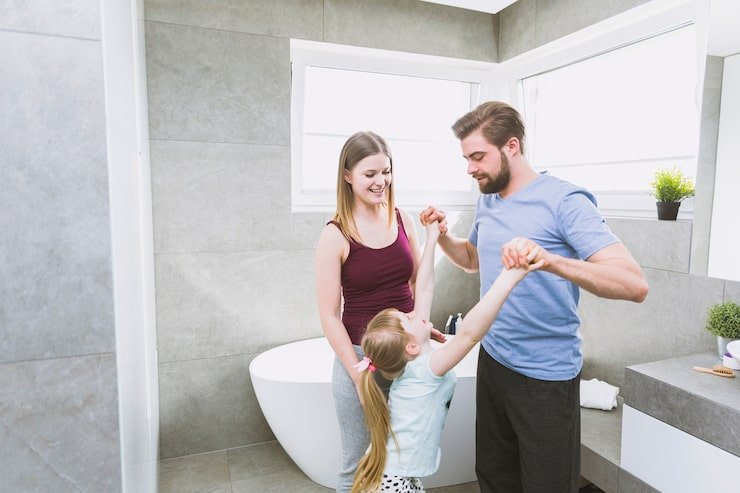
A high-value home should feature materials that are built to last. Buyers expect the flooring to withstand daily foot traffic, cleaning chemicals, and years of use without scratching, cracking, or fading. Materials like porcelain or stone signal quality construction and justify a higher asking price.
3. High-End Aesthetic and Timeless Style
While trends come and go, buyers prefer materials that evoke a spa-like, luxurious feel. Large-format tiles, realistic stone textures, and clean, neutral colors (grays, whites, beiges) are universally appealing and maintain their visual value over time, ensuring the floor doesn’t look dated within a few years.
II. Top Flooring Choices for Maximum ROI
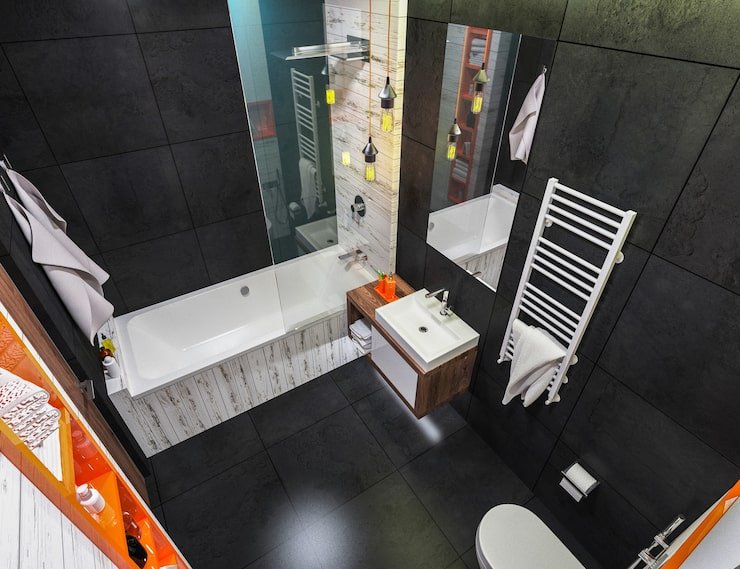
Based on these critical buyer priorities, three types of flooring consistently stand out as the best investments for boosting home value:
1. Porcelain Tile (The Gold Standard)
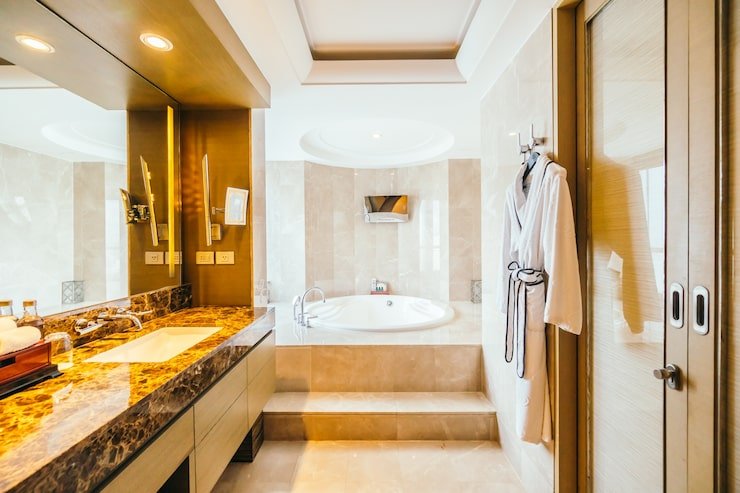
Porcelain tile is universally regarded as the most reliable and high-ROI choice for wet areas. It combines exceptional functionality with endless design versatility.
- Waterproof Nature: Made from denser clay and fired at higher temperatures than ceramic, porcelain tile has a water absorption rate of less than 0.5%, making it virtually impervious to water. This is its single biggest selling point in a bathroom.
- Supreme Durability: Porcelain is extremely hard, scratch-resistant, and chip-resistant. It can handle heavy foot traffic and will easily last for decades, giving buyers peace of mind.
- Aesthetic Versatility: Modern technology allows porcelain to mimic the look of expensive natural materials like Carrara marble, slate, or hardwood (wood-look porcelain) at a fraction of the cost and without the maintenance headaches. Large-format tiles (12×24 inches or 24×24 inches) are particularly sought after as they minimize grout lines, creating a sleek, modern appearance and making cleaning easier.
2. Natural Stone (The Luxury Contender)
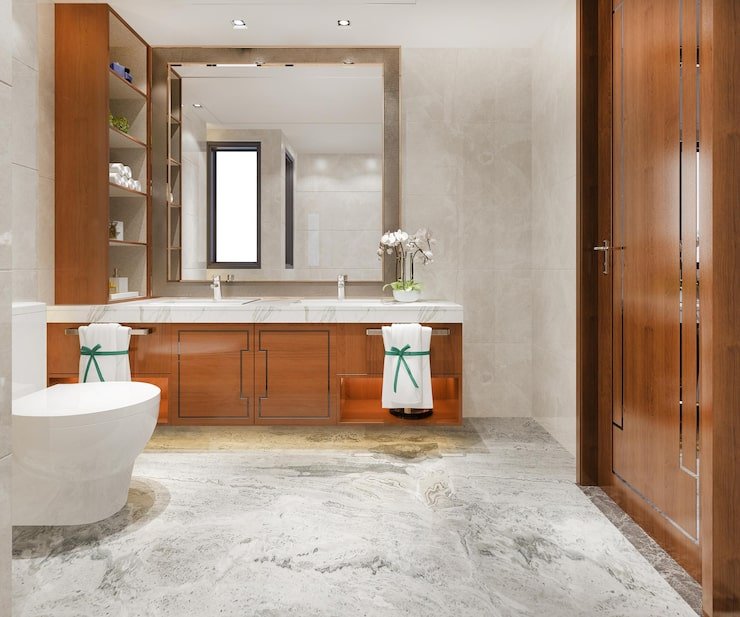
For high-end or luxury homes, natural stone—such as marble, travertine, or granite—delivers the ultimate impact on perceived value.
- Unparalleled Elegance: Nothing conveys luxury and sophistication quite like genuine stone. A polished marble floor instantly elevates a bathroom to a five-star status, justifying a premium price tag.
- Unique Identity: Each stone tile is unique, offering natural veining and colors that cannot be replicated perfectly by man-made materials. This exclusivity appeals to affluent buyers.
- Considerations for Sealing: While stunning, natural stone (especially marble and travertine) is porous and requires regular sealing (typically every 1-2 years) to maintain its stain resistance. This maintenance requirement should be noted, but the initial visual impact often outweighs this drawback in the luxury market.
3. Luxury Vinyl Plank (LVP) and Luxury Vinyl Tile (LVT) (The Modern Utility Player)
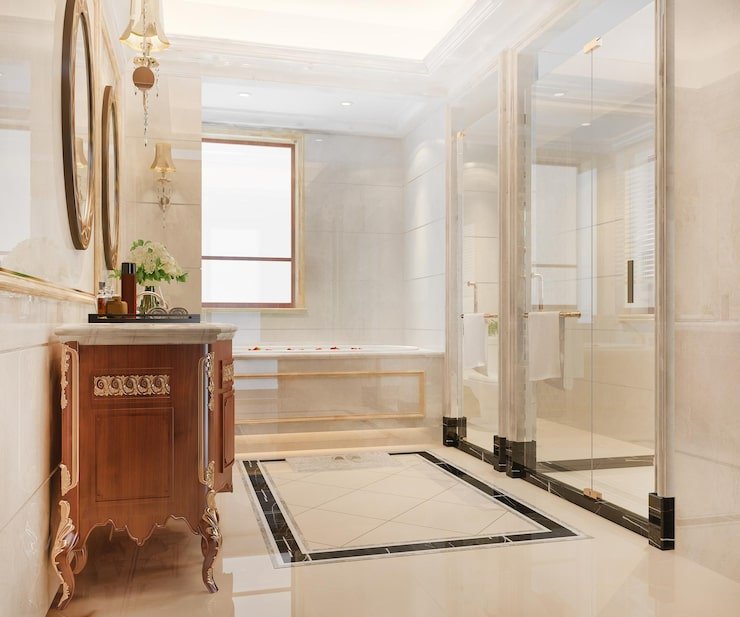
In recent years, high-quality Luxury Vinyl has emerged as a strong value-boosting option, especially for budget-conscious renovations that still demand top-tier performance.
- 100% Waterproof Core: The core of modern LVP/LVT (often made of Stone Plastic Composite or Wood Plastic Composite) is completely impervious to water. This makes it an excellent, worry-free choice for bathrooms of all sizes.
- Excellent Cost-to-Value Ratio: LVT and LVP products are significantly cheaper to purchase and install than porcelain or stone, yet they provide an incredibly realistic and stylish imitation of expensive materials. This high aesthetic return on a low investment is a key value driver.
- Comfort and Warmth: Unlike cold tile or stone, LVP/LVT is warmer underfoot and offers a slight cushioning, which is a desirable comfort factor for buyers.
III. The Flooring Options to AVOID in a Bathroom
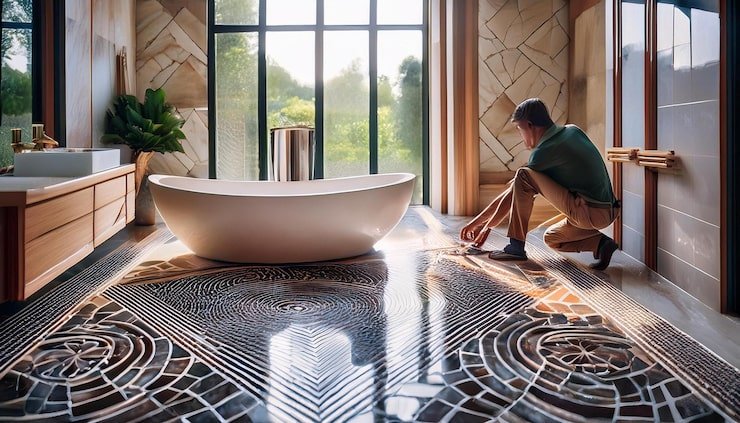
To avoid jeopardizing your home’s value, steer clear of materials that are ill-suited for a high-moisture environment:
| Flooring Type | Why It Decreases Value in a Bathroom | Better Alternative |
| Solid Hardwood | Prone to warping, cupping, and rotting due to moisture and humidity. High risk of costly water damage. | Wood-Look Porcelain or High-Quality LVP |
| Laminate Flooring | The fiberboard core swells and delaminates when exposed to water, even small amounts. Not durable enough for long-term value. | Luxury Vinyl Plank (LVP) |
| Carpet | Traps moisture, harbors mold, mildew, and bacteria. Unsanitary and immediately repels most buyers. | Any waterproof option (Tile, LVT) |
IV. Design Choices That Amplify Value
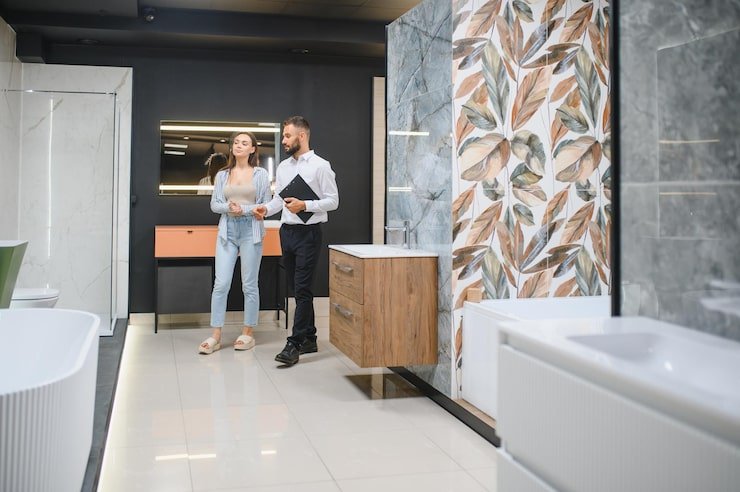
The type of material is only half the battle. How you install and design the flooring can significantly amplify the value proposition:
1. Underfloor Heating (Radiant Heat)
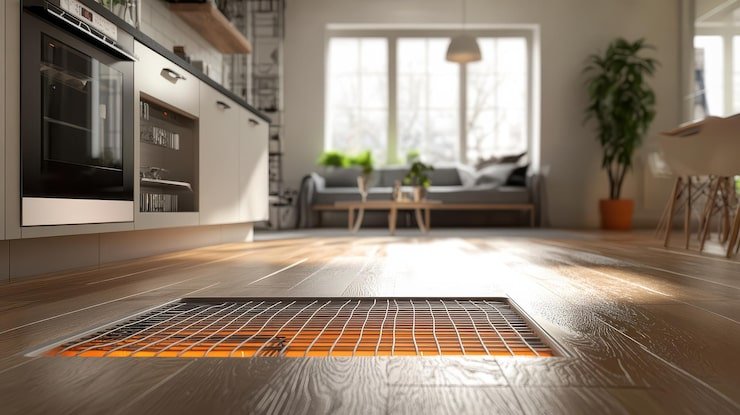
Installing an electric radiant heating system beneath tile or stone is a premium feature that instantly adds a layer of luxury and comfort. Heated floors are a major selling point, signaling a high-quality, fully upgraded bathroom that buyers are willing to pay more for, especially in colder climates.
2. Grout Management and Color
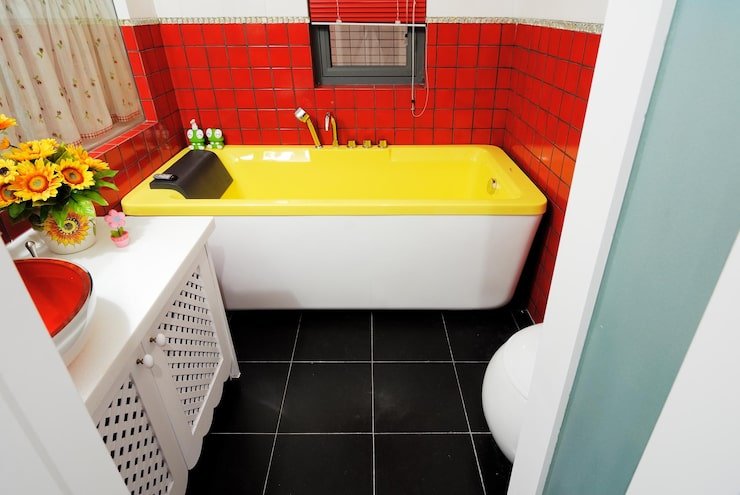
Grout lines can make or break the look. Choose a grout color that is slightly darker than the tile itself. This minimizes the visibility of dirt and prevents the floor from looking perpetually dingy—a common buyer complaint with light or white grout. Using rectified, large-format tiles also minimizes the number of grout lines needed.
3. The Size and Layout Illusion
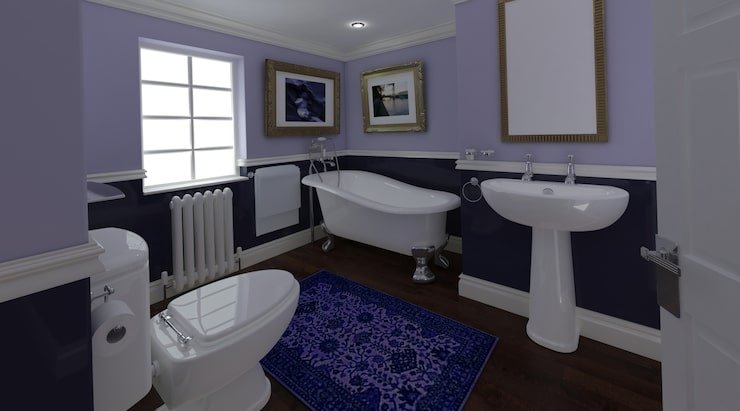
For smaller bathrooms, use larger format tiles. Counterintuitively, fewer grout lines make a small room feel less cluttered and more expansive and contemporary. Running the floor tile continuously into a curbless shower area (if possible) is a highly modern design choice that makes the entire room look seamless and larger.
4. Neutral and Classic Tones
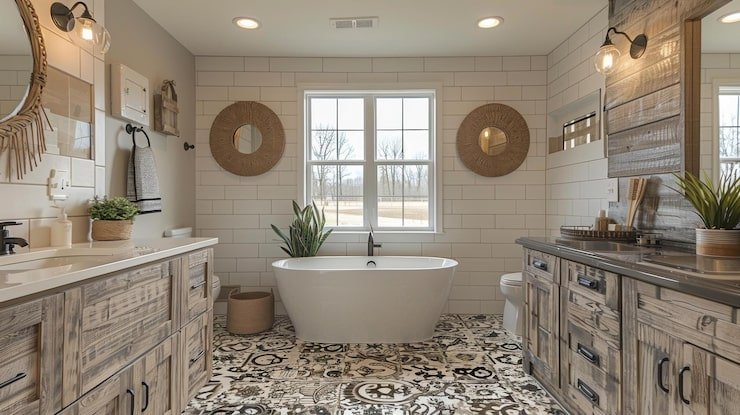
While bold colors are fun, they are polarizing and can limit your buyer pool. Stick to neutral, earthy, or classic tones (white, gray, beige, or soft blue-gray). These colors provide a sophisticated backdrop that allows potential buyers to easily visualize their own décor and style in the space.
Conclusion
To achieve the best possible boost in your home’s resale value, the optimal choice for bathroom flooring is almost always high-quality Porcelain Tile. It offers the perfect blend of style (especially when mimicking marble or wood), unparalleled water resistance, and long-term durability that appeals to every segment of the market. For the luxury segment, natural Stone is the clear winner, and for excellent budget performance, Luxury Vinyl Plank delivers high style without high cost.
By focusing on materials that offer longevity and require minimal maintenance, you are not just upgrading a room; you are investing in a worry-free feature that justifies a higher price tag and helps your property sell faster.